Is the Master Warning Light Bad Everything You Should Know
The master warning light is a general alert on your car’s dashboard that signals something needs attention. It can mean many things, from a simple loose gas cap to a serious engine problem. Understanding what this light means helps you stay safe and avoid costly repairs.
You are driving along, minding your own business, when suddenly a bright symbol lights up on your dashboard. Your heart drops a little. What does it mean? Is something broken? Should you pull over right now? This is the moment many drivers face when the master warning light comes on.
The master warning light is one of the most confusing symbols on any car’s dashboard. Unlike the check engine light, which gives you a pretty clear idea of what might be wrong, the master warning light is a general alert. It tells you that something in your vehicle needs attention, but it does not always tell you exactly what.
Understanding the master warning light is important for every driver. Whether you drive a new sedan or a used truck, this light can appear for many reasons. Some are minor and easy to fix. Others are serious and need immediate action. In this article, we will walk you through everything you need to know about the master warning light, what it means, why it comes on, and what you should do about it.
Key Takeaways
- Master warning light is a general alert: It does not point to one specific problem but signals that something in your vehicle needs attention.
- Color matters: Red lights usually mean stop and check immediately, while amber lights suggest a less urgent issue.
- Common causes range widely: From low oil pressure and brake issues to tire pressure problems and sensor faults.
- Never ignore it: Even if the car seems fine, a warning light can point to a hidden problem that may get worse.
- Resetting is possible: But only after fixing the root cause, not just by clearing the light.
- Use an OBD-II scanner: This tool helps you read the error codes behind the warning light quickly.
- Regular maintenance helps: Staying on top of car service reduces the chances of unexpected warning lights.
📑 Table of Contents
What Is the Master Warning Light?
The master warning light is a broad alert on your car’s dashboard gauge cluster. It is designed to catch your attention when the vehicle’s master warning system detects a potential issue. Think of it as a general call to action rather than a specific diagnosis.
How the Master Warning System Works
Your car has dozens of sensors monitoring everything from engine temperature to tire pressure monitoring systems. When one of these sensors finds something outside the normal range, it sends a signal to the car’s computer. The computer then triggers the dashboard warning light to let you know.
The master warning light acts as a catch-all. It may appear alongside other specific lights, like the oil pressure warning or the battery warning light. Sometimes it appears all by itself, which can make it even more confusing. The key is to stay calm and figure out what your car is trying to tell you.
Where to Find the Master Warning Light
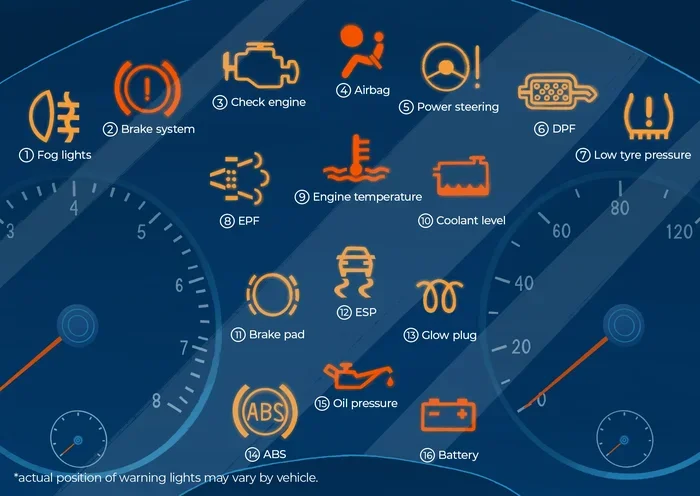
You will usually find the master warning light on the instrument panel behind the steering wheel. It often looks like a circle with an exclamation mark inside. The exact location varies by car brand and model, but it is almost always on the dashboard gauge cluster where you can see it easily while driving.
Some vehicles also display a text message on the digital screen that reads something like “Check Warning System.” This message is another way your car tries to communicate that the master warning system has detected something that needs your attention.
Why Does the Master Warning Light Come On?
The master warning light can come on for dozens of reasons. Some are simple and easy to fix. Others are more complex and may require a visit to a mechanic. Here are the most common causes you might run into.
Low Oil Pressure
One of the most common reasons for the master warning light to appear is low oil pressure. Oil keeps your engine’s moving parts lubricated. When the oil level drops too low, those parts can grind against each other and cause serious damage.
If you see the master warning light along with an oil can symbol, pull over safely and check your oil level. Running an engine with low oil can lead to expensive repairs or even a total engine failure. Always keep an eye on your oil level between changes.
Brake System Issues
The brake system warning is another frequent trigger. This could mean your brake fluid is low, your brake pads are worn down, or there is a problem with the brake system itself.
Since your brakes are the most important safety feature in your car, never ignore a brake system warning. If the master warning light comes on and you notice a spongy brake pedal or a grinding noise, stop driving and get help right away. Your brakes are what keep you and others safe on the road.
Tire Pressure Problems
Modern cars have a tire pressure monitoring system that keeps an eye on the air pressure in each tire. When one or more tires are underinflated, the system triggers the dashboard alert and the master warning light may come on.
This is one of the simpler issues to fix. Just check your tire pressure and add air if needed. Most gas stations have free or cheap air pumps you can use. A properly inflated tire also helps with fuel economy and tire longevity.
Engine Temperature Overheating
If your engine temperature gauge shows the needle in the red zone, the master warning light will likely turn on. An overheating engine can be caused by a coolant leak, a broken water pump, or a faulty thermostat.
Driving an overheating engine can cause the head gasket to blow, which is a very expensive repair. If you see the temperature gauge climbing, pull over and let the engine cool down before checking the coolant level. Never open the radiator cap when the engine is hot.
Electrical and Sensor Faults
Sometimes the master warning light comes on because of a faulty sensor or an electrical glitch. Modern cars are full of computers and sensors, and any one of them can malfunction. A loose wire or a bad ground connection can also trigger the light.
In these cases, a vehicle diagnostics scan with an OBD-II scanner can help you find the exact problem. The scanner reads error codes stored in the car’s computer and points you in the right direction. Many auto parts stores offer free scanning services, so there is no excuse not to check.
Red vs. Amber Warning Lights: Understanding the Colors
Not all car warning lights are created equal. The color of the light tells you how urgent the situation is. Learning to read these warning light colors can save you from a lot of stress and potential damage.
Red Warning Lights
A red warning light means stop and address the issue immediately. Red lights on the dashboard alert system usually signal problems that could affect your safety or cause serious damage to the vehicle.
Examples of red warning lights include the oil pressure warning, the brake system warning, and the engine temperature warning. If any of these come on, find a safe place to pull over and turn off the engine. Continuing to drive with a red light on can lead to dangerous situations or major repairs.
Amber Warning Lights
An amber warning light is less urgent but still important. It means something needs attention soon, but it is probably not an emergency. The tire pressure monitoring light often appears as amber, as do some check engine light triggers.
You can usually drive a short distance with an amber light on, but you should get the issue checked out as soon as possible. Ignoring an amber light can sometimes turn a small problem into a big one. Think of it as a gentle reminder from your car that something needs care.
When the Master Warning Light Flashes
A flashing master warning light is more urgent than a steady one. If the light is flashing, it usually means the problem is active and could get worse quickly. Pull over safely and turn off the engine if you notice a flashing light.
Flashing lights are often associated with issues like catalytic converter problems or engine misfires. These are not things you want to ignore. Get your car looked at as soon as possible when you see a flashing dashboard warning light.
What to Do When the Master Warning Light Appears
Seeing the master warning light on your car dashboard lights can be stressful, but panicking will not help. Here is a step-by-step guide on what to do when the light comes on.
Step 1: Stay Calm and Assess the Situation
Take a deep breath. Look at the other gauges on your dashboard gauge cluster. Is the temperature gauge in the normal range? Is the oil pressure normal? Check if any other lights are on at the same time. This gives you clues about how serious the issue might be.
Staying calm helps you think clearly. If you see multiple lights on at once, that is a sign you should pull over. If it is just the master warning light by itself, the situation may be less urgent.
Step 2: Check for Obvious Problems
Look for anything that seems obviously wrong. Is there smoke coming from the hood? Is there a fluid leak under the car? Does the car sound different than usual? These are signs that you should pull over and call for help.
Use your senses. Your nose can often detect burning smells or coolant leaks. Your ears can pick up on unusual grinding or knocking sounds. Trust your instincts when something feels off.
Step 3: Pull Over Safely if Needed
If the master warning light is red or flashing, or if you notice any of the danger signs mentioned above, pull over to a safe location. Turn on your hazard lights and get the car off the road.
If the light is amber and the car seems to be running fine, you can drive to the nearest repair shop. But do not put it off for too long. The longer you wait, the more a small problem can grow into a big one.
Step 4: Use a Diagnostic Tool
An OBD-II scanner is one of the most useful tools for any car owner. You plug it into a port under the steering column, and it reads the error codes from the car’s computer. Many auto parts stores will read the codes for free.
The scanner will tell you exactly what triggered the dashboard warning light. From there, you can decide whether to fix it yourself or visit a mechanic. These tools are relatively inexpensive and can save you a lot of money on diagnostic fees.
Step 5: Get Professional Help When Needed
Some problems are beyond a DIY fix. If the master warning light is on and you are not sure what it means, it is always best to consult a professional. A trusted mechanic can run a full vehicle diagnostics check and give you a clear answer.
Do not be afraid to ask questions when you visit a mechanic. A good mechanic will explain what the problem is, why it happened, and what needs to be done to fix it. Understanding your car builds confidence and helps you make better decisions about repairs.
How to Reset the Master Warning Light
Once you have fixed the problem, the master warning light may not turn off on its own right away. You may need to reset it. Here is how to do it the right way.
Fix the Root Cause First
This is the most important rule of warning light reset: always fix the underlying problem first. Simply clearing the light without fixing the issue will not make the problem go away. It will just hide the symptom, and the light will likely come back.
Think of it like turning off a smoke alarm without putting out the fire. The alarm stops, but the danger is still there. Always address the root cause before you reset any dashboard lights.
Method 1: Disconnect the Battery
One way to reset the dashboard lights is to disconnect the car battery for about 15 minutes. This clears the computer’s memory and resets all the lights. However, this method also resets other settings like your radio presets and clock.
To do this, simply disconnect the negative terminal of the battery, wait 15 minutes, and reconnect it. Start the car and see if the master warning light has turned off. This method works for many car brands but is not always the best approach.
Method 2: Use the OBD-II Scanner
A better way to reset the light is to use an OBD-II scanner. After you fix the problem, plug the scanner in, clear the error codes, and the master warning light should turn off. This method keeps all your car’s settings intact.
This is the preferred method for most drivers and mechanics alike. It is clean, precise, and gives you a record of what codes were present before the reset. Keeping a log of these codes can help you track patterns in your car’s health over time.
Method 3: Turn the Ignition On and Off
Some cars allow you to reset the master warning light by turning the ignition on and off three times in a row. This method varies by car brand and model, so check your owner’s manual for specific instructions.
This trick works on some vehicles by cycling the power to the master warning system and clearing temporary faults. It is worth a try for minor issues, but it should not replace a proper diagnosis.
Quick Tip: If the master warning light comes back after you reset it, the problem is not fully fixed. Go back and check your work or visit a mechanic. A recurring light is your car telling you that the fix did not fully address the issue.
Preventing Master Warning Light Problems
The best way to deal with the master warning light is to prevent it from coming on in the first place. Regular car maintenance goes a long way toward keeping your vehicle healthy and your dashboard clear.
Follow Your Car’s Maintenance Schedule
Every car comes with a recommended maintenance schedule in the owner’s manual. This schedule tells you when to change the oil, replace the brake pads, check the coolant, and more. Following this schedule helps prevent many of the issues that trigger the master warning light.
Set reminders on your phone or calendar for each service interval. Staying on top of oil changes, tire rotations, and fluid checks keeps your car running smoothly and reduces the chance of unexpected dashboard alerts.
Keep an Eye on Fluid Levels
Make it a habit to check your oil, coolant, and brake fluid levels regularly. Low fluids are one of the top reasons for dashboard alerts. A five-minute check once a month can save you from a big problem down the road.
You do not need to be a mechanic to check your fluids. Most cars have dipsticks for oil and coolant reservoirs with clear markings. Just make sure the car is parked on a level surface and the engine is cool before you check.
Pay Attention to Strange Sounds and Feelings
Your car often tells you it is in trouble before the master warning light even comes on. Listen for unusual noises like grinding, squealing, or knocking. Feel for vibrations in the steering wheel or brake pedal. Catching these early signs can help you fix problems before the light comes on.
Trust your gut. If something feels different when you are driving, do not ignore it. Your familiarity with how your car normally drives and sounds is one of the best tools you have for catching problems early.
Keep Your Tires in Good Shape
Proper tire care is one of the easiest ways to avoid dashboard warning light issues. Check your tire pressure at least once a month. Rotate your tires every 5,000 to 7,500 miles. Replace worn tires promptly. All of these simple steps help keep your car warning lights off.
Good tires also improve your fuel economy and make your car safer to drive. A well-maintained set of tires gives you better traction in rain and snow, which is especially important during bad weather.
Don’t Ignore Small Issues
A small problem today can become a big problem tomorrow. If you notice anything unusual about how your car drives, sounds, or feels, get it checked out. Addressing small issues early is one of the best ways to prevent the master warning light from appearing unexpectedly.
Think of car care like your own health. A small pain today could be a sign of something bigger tomorrow. Catching it early usually means a simpler and cheaper fix. The same logic applies to your vehicle.
Conclusion
The master warning light is not something to fear, but it is also not something to ignore. It is your car’s way of telling you that it needs your attention. By understanding what the light means, what causes it, and how to respond, you can stay safe and avoid costly repairs.
Remember that the color of the light matters. A red master warning light means stop and check right away. An amber light means get it checked soon but it is probably not an emergency. Always use your best judgment and when in doubt, consult a professional.
Regular car maintenance, paying attention to your dashboard gauge readings, and using an OBD-II scanner when needed are the best ways to keep your car running smoothly and your master warning light off. Stay proactive, stay informed, and your car will thank you for it. Take care of your car, and it will take care of you on every drive.
Frequently Asked Questions
Can I drive with the master warning light on?
It depends on the color and what other symptoms you notice. If the light is amber and the car seems to be running normally, you can drive a short distance to a repair shop. If the light is red, flashing, or accompanied by strange sounds or smoke, pull over and do not continue driving.
How much does it cost to fix the master warning light?
The cost varies widely depending on the cause. A simple fix like adding tire air or topping off brake fluid may cost very little. More complex issues like a failing sensor or engine problem can range from $100 to over $1,000. Getting a proper diagnosis with an OBD-II scanner is the best first step.
Will the master warning light turn off by itself?
Sometimes a minor issue will cause the light to turn off on its own once the condition normalizes. However, if the underlying problem persists, the light will likely come back. It is always best to address the root cause rather than hoping the light will stay off.
How do I know if the master warning light is serious?
The color of the light is your biggest clue. Red lights are urgent and require immediate attention. Amber lights are less urgent but still need to be checked. If the light flashes, that is also a sign of a serious issue that needs prompt action.
Can a loose gas cap trigger the master warning light?
Yes, a loose or damaged gas cap can trigger the master warning light because it causes a small leak in the fuel system. This is one of the simplest fixes. Just tighten the cap or replace it if it is cracked. The light should turn off after a few driving cycles.
What is the difference between the master warning light and the check engine light?
The check engine light is a specific warning that relates to the engine or emissions system. The master warning light is a general alert that can be triggered by many different systems in the car. The master warning light often appears alongside other specific warning lights to give you a broader alert about potential issues.