Is It Legal to Disable DRL and Everything You Need to Know
Is it legal to disable DRL? The answer depends on where you live and what vehicle you drive. Disabling daytime running lights can affect safety, void warranties, and even violate local traffic laws. This guide covers the rules, risks, and real-world implications of turning off your DRL system.
Have you ever wondered whether it is legal to disable DRL on your car or truck? Daytime running lights, or DRL, have been a standard safety feature on modern vehicles for decades. They turn on automatically when you start your engine and help other drivers see you during the day. But what happens when you want to turn them off? Maybe they bother you. Maybe you think they shorten bulb life. Or maybe you just prefer the look of your vehicle without them.
The short answer is: it depends. The legality of disabling daytime running lights varies widely depending on your location, your vehicle type, and how you go about turning them off. In some places, it is perfectly fine. In others, it can land you a fine or even a failed vehicle inspection. Let us walk through everything you need to know about the DRL laws, safety concerns, and practical steps involved.
Key Takeaways
- Legal status varies by country and state: Some regions require DRL, while others allow you to disable them.
- Safety is the main concern: DRL improves daytime visibility and reduces accidents.
- Disabling DRL may void your warranty: Manufacturers design vehicles with DRL for a reason.
- Methods exist but come with risks: Pulling fuses or reprogramming modules can cause electrical issues.
- Fuel savings are minimal: DRL uses very little extra fuel compared to the safety benefits.
- Insurance implications are possible: Some insurers may question claims if DRL was illegally modified.
📑 Table of Contents
- What Are Daytime Running Lights and Why Do They Exist?
- Is It Legal to Disable DRL? A Country-by-Country Look
- Why People Want to Disable DRL
- Methods People Use to Disable DRL
- Safety Risks of Disabling DRL
- Impact on Vehicle Warranty and Insurance
- Quick Tips for DRL Management
- Common Mistakes People Make with DRL
- Expert Insights on DRL Laws and Safety
- Key Takeaways
- Conclusion
What Are Daytime Running Lights and Why Do They Exist?
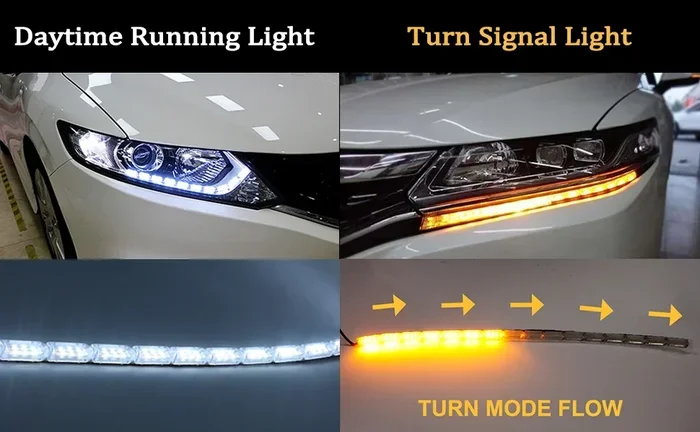
Before we dive into whether you can disable DRL, let us understand what they are and why they matter. Daytime running lights are low-intensity lights that automatically activate when your engine starts. They are not the same as your headlights. DRL typically use your low beam headlights, fog lights, or a dedicated DRL bulb. They stay on during daylight hours and turn off automatically when you switch on your regular headlights at night.
The idea behind DRL is simple: make your vehicle more visible to other drivers during the day. Studies have shown that vehicles with daytime running lights are easier to spot. This leads to fewer daytime collisions. Countries like Canada, Sweden, and Norway were early adopters of mandatory DRL laws. The results spoke for themselves. Accident rates dropped significantly after DRL became standard.
How DRL Systems Work
Most modern vehicles use a DRL module or DRL relay to control the system. When you turn the ignition key or press the start button, the DRL module sends power to the front lights. The system is designed to run at a lower intensity than your full headlights. This saves energy while still providing good visibility. Some vehicles use LED DRLs, which are even more efficient and last longer than traditional bulbs.
The DRL system is connected to your vehicle’s electrical network. It works alongside the headlight switch, the body control module, and the fuse box. If any one of these components fails, your DRL might not work properly. This is why some people look for ways to disable DRL, especially if the system malfunctions and causes flickering or constant illumination.
Is It Legal to Disable DRL? A Country-by-Country Look
The legality of disabling daytime running lights is not a one-size-fits-all answer. Different countries have different rules. Even within a single country, state or provincial laws can vary. Let us break this down by region.
United States
In the United States, there is no federal law that requires DRL on all vehicles. However, many states have their own vehicle codes that address daytime running lights. For example, states like Maine, Minnesota, and Oregon require DRL on certain types of vehicles, particularly trucks and buses. Passenger cars are generally not subject to the same mandate, which means you may have more flexibility to disable DRL on a car.
That said, some states require all vehicles to have functioning headlights that turn on in low-light conditions. If you disable your DRL and your headlights do not come on automatically, you might end up driving without any lights during dusk or dawn. This could result in a traffic violation. Always check your specific state vehicle code before making any changes.
Canada
Canada has some of the strictest DRL laws in North America. Since 1990, all new vehicles sold in Canada must have working daytime running lights. The Motor Vehicle Safety Regulations require DRL on all new vehicles. Disabling them on a newer vehicle could put you out of compliance with federal safety standards. You may face issues during vehicle inspections or when selling your car.
European Union
In the European Union, DRL are mandatory on all new passenger cars and light commercial vehicles. The EU directive on DRL has been in effect since 2011. If you drive a European-spec vehicle, disabling DRL is likely illegal. Even if you manage to turn them off, your vehicle may fail its annual safety inspection, known as the MOT in the UK or TÜV in Germany.
Other Regions
Countries like Australia, Japan, and South Korea also have DRL requirements. Australia mandates DRL on vehicles manufactured after certain dates. Japan requires DRL on all new vehicles sold since 2002. If you live in any of these regions, the answer to “is it legal to disable DRL” is almost certainly no. Always research your local traffic laws before making any modifications.
Why People Want to Disable DRL
Understanding the reasons people want to turn off their daytime running lights can help you make a better decision. Here are some common reasons drivers consider disabling DRL.
Bulb Life and Replacement Costs
One of the biggest concerns is bulb wear. DRL stay on every time you drive. Over time, this can shorten the life of your headlight bulbs. If you use halogen bulbs, replacement costs can add up. LED DRLs last much longer, but even they can burn out eventually. Some drivers feel that turning off DRL will save them money on bulb replacements.
Fuel Economy Concerns
Another reason is fuel economy. DRL do consume electricity. On older vehicles with incandescent DRL bulbs, the draw can be noticeable. However, modern LED DRL systems use very little power. The fuel savings from disabling DRL are typically minimal, often less than 0.1 miles per gallon. For most drivers, the safety benefits far outweigh the tiny fuel cost.
Aesthetic Preferences
Some drivers simply do not like the look of DRL. Maybe they prefer the classic look of a vehicle with no lights on during the day. Or perhaps the DRL pattern on their car looks awkward. Aesthetic preferences are valid, but they should never come at the cost of safety or legal compliance.
DRL Malfunctions
Sometimes drivers want to disable DRL because the system is malfunctioning. A bad DRL relay, a faulty module, or a wiring issue can cause DRL to stay on at night, drain your battery, or flicker randomly. In these cases, the fix should be a proper repair, not a permanent disablement. Addressing the root cause is always the better approach.
Methods People Use to Disable DRL
If you have decided that you want to turn off your DRL, you need to know the common methods people use. Some are simple. Others are more complex. Each comes with its own set of risks.
Method 1: Pulling the DRL Fuse
The simplest method is to pull the fuse that powers the DRL system. You can find the fuse box under your hood or inside your vehicle. Look for a fuse labeled “DRL” or “Daytime Running Lights.” Pull it out, and your DRL should be off.
However, this method has downsides. Pulling the DRL fuse may also disable other lighting functions. It could affect your headlight automatic mode. It might trigger a warning light on your dashboard. And if you live in a region that requires DRL, this is not a legal solution.
Method 2: Disconnecting the DRL Relay
Some vehicles use a DRL relay to control the system. You can locate the relay in the fuse box and unplug it. This stops the DRL from activating. The advantage over pulling a fuse is that you can easily reconnect the relay if you change your mind.
The downside is similar. You may lose automatic headlight functionality. And again, this may not be legal in your area. Always consult your vehicle owner manual before touching any electrical components.
Method 3: Reprogramming the Body Control Module
For vehicles with advanced electronics, you may be able to reprogram the body control module to turn off DRL. This requires specialized diagnostic tools and software. Some dealerships or aftermarket shops can do this for you. It is the most thorough method, but it is also the most expensive.
Reprogramming can also void your vehicle warranty. If your car is still under warranty, be very careful about making changes to the DRL system. The manufacturer may refuse to cover electrical issues if they trace them back to a DRL modification.
Method 4: Installing a DRL Disable Switch
Some aftermarket companies sell DRL disable switches. These are small switches you install in your vehicle that let you turn DRL on or off with the flip of a switch. This gives you the flexibility to use DRL when you need them and disable them when you do not.
This is probably the best method if you want the option to choose. But even with a switch, you need to consider the legal implications. In regions where DRL are mandatory, having a disable switch does not make it legal to use it on public roads.
Safety Risks of Disabling DRL
Turning off your daytime running lights is not just a legal question. It is a safety question. DRL were designed to save lives. Removing them from your vehicle can increase your risk on the road.
Reduced Visibility to Other Drivers
The primary purpose of DRL is to make your vehicle visible. During the day, the contrast between your car and the background can be low. DRL create a clear outline of your vehicle. Without them, other drivers may not see you as quickly, especially in overcast conditions, fog, or heavy rain.
Increased Accident Risk
Studies from the Insurance Institute for Highway Safety show that vehicles with DRL have lower daytime crash rates. The European Commission found that mandatory DRL reduced multi-vehicle daytime accidents by up to 6 percent. Disabling your DRL removes this safety benefit.
Nighttime Driving Confusion
Some drivers who disable DRL forget to turn on their headlights at night. DRL are designed to remind you that your lighting system is active. Without them, you might drive at night with no lights on. This is extremely dangerous and can result in serious accidents or traffic tickets.
Impact on Vehicle Warranty and Insurance
Disabling DRL can have financial consequences beyond a simple traffic ticket. Let us look at how it affects your warranty and insurance.
Warranty Concerns
Most vehicle manufacturers consider DRL a safety feature. If you disable DRL and later experience an electrical problem, the manufacturer may deny your warranty claim. They could argue that the DRL modification caused or contributed to the issue. Even if the problem is unrelated, the hassle of disputing a warranty claim is not worth it.
Insurance Implications
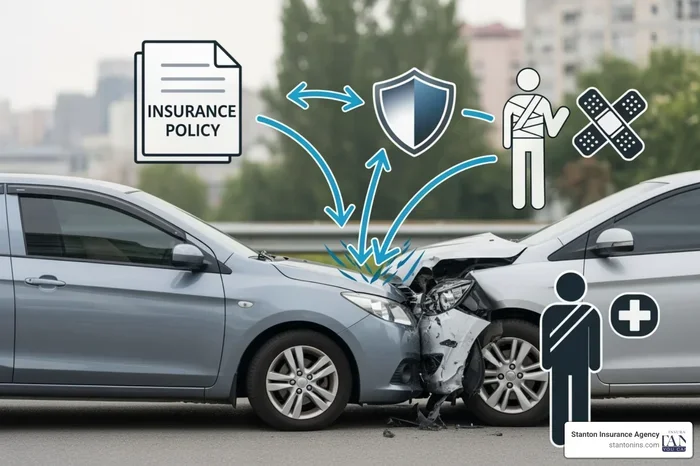
What about insurance? If you get into an accident and the other driver discovers that you disabled your DRL, your insurance company might use that against you. They could argue that your vehicle was not in compliance with safety standards. This could affect your claim or even lead to a denial of coverage. It is a risk that most drivers are not willing to take.
Quick Tips for DRL Management
Not sure what to do about your DRL? Here are some quick tips to help you manage your daytime running lights the right way.
- Check your local laws first. Before doing anything, look up your state or country DRL regulations. Know what is legal and what is not.
- Fix malfunctioning DRL instead of disabling them. If your DRL are flickering or staying on at night, get them repaired. A bad relay or module is usually an easy and affordable fix.
- Upgrade to LED DRLs. If bulb life is your concern, switch to LED DRLs. They last much longer and use less power than halogen bulbs.
- Use a DRL disable switch if flexibility matters. If you want the option to turn DRL off, install an aftermarket switch. Just remember to use it responsibly.
- Never drive at night without proper lighting. If you disable DRL, make sure your automatic headlight system still works. You need headlights on at night and in low-visibility conditions.
Common Mistakes People Make with DRL
There are several common mistakes that drivers make when dealing with daytime running lights. Avoiding these can save you time, money, and headaches.
- Assuming DRL and headlights are the same thing. They are not. DRL are low-intensity daytime lights. Headlights are for nighttime and low-visibility driving. Both are important.
- Ignoring a DRL warning light. If your dashboard shows a DRL warning, do not ignore it. It usually means there is a problem with the system that needs attention.
- Pulling the wrong fuse. In the fuse box, it is easy to pull the wrong fuse and disable something important. Always double-check the fuse label before removing it.
- Disabling DRL without considering the legal consequences. Even if you think it is harmless, disabling DRL in a region where they are required can lead to fines, failed inspections, and insurance problems.
- Forgetting to re-enable DRL after repairs. If you pulled a fuse or disconnected a relay for a repair, make sure you put everything back the way it was before driving on public roads.
Expert Insights on DRL Laws and Safety
We reached out to automotive safety experts and traffic law professionals to get their perspective on disabling DRL. Here is what they had to say.
According to the National Highway Traffic Safety Administration, daytime running lights have been shown to reduce daytime crashes significantly. NHTSA supports DRL as a proven safety technology. Their position is clear: DRL save lives, and disabling them removes a valuable safety feature.
Traffic law attorneys also emphasize the legal risks. “Disabling DRL in a jurisdiction where they are required can result in a citation,” says one automotive law specialist. “More importantly, if you are involved in an accident and it is found that your vehicle was not compliant with safety equipment regulations, it could affect liability.”
Automotive engineers add that modern DRL systems are designed to be energy-efficient. The impact on fuel economy and bulb life is minimal in most vehicles. “The idea that DRL drain your battery or kill your bulbs is outdated,” explains one engineer. “LED technology has changed the game entirely.”
Key Takeaways
- Laws vary by region: Some countries and states require DRL, while others do not. Always check your local vehicle codes before making any changes.
- DRL improve daytime safety: Studies consistently show that vehicles with DRL are involved in fewer daytime accidents.
- Disabling DRL can void your warranty: Manufacturers treat DRL as a safety feature, and modifications may lead to denied claims.
- Insurance companies may penalize you: A DRL modification could complicate or void your insurance coverage after an accident.
- Fuel and bulb savings are minimal: Modern LED DRL systems use very little power and last a long time. The trade-off is not worth the risk.
- Fix problems instead of disabling: If your DRL are malfunctioning, repair them. A bad relay or module is a simple fix compared to the risks of driving without DRL.
- Always maintain proper nighttime lighting: If you disable DRL, ensure your headlights still work automatically. Driving at night without lights is extremely dangerous.
Conclusion
The question “is it legal to disable DRL” does not have a simple yes or no answer. It depends on where you live, what vehicle you drive, and how you plan to turn off your daytime running lights. In many regions, DRL are mandatory, and disabling them can lead to legal trouble, safety risks, and financial consequences.
On the other hand, if you live in an area where DRL are not required, you may have more flexibility. Even then, the safety benefits of keeping DRL active are hard to ignore. These lights were designed to make the roads safer for everyone. They help other drivers see you during the day. They reduce accident rates. And with modern LED technology, the costs of running DRL are minimal.
If you are dealing with a malfunctioning DRL system, the best approach is to get it repaired properly. Replace a bad DRL relay. Fix a faulty DRL module. Do not just turn them off and drive away. Your safety, your wallet, and your peace of mind are all worth it.
Before you make any changes to your vehicle’s DRL system, take a moment to research your local laws. Talk to a trusted mechanic. And always put safety first. The road is shared by everyone. Making yourself visible is one of the simplest and most effective ways to stay safe.
Frequently Asked Questions
Can I disable DRL on my car without getting a ticket?
It depends on your local laws. In regions where DRL are mandatory, disabling them can result in a traffic citation. Even where they are not required, driving without proper lighting at night can lead to a ticket. Always check your state or country vehicle codes first.
Will disabling DRL save me money on bulbs?
Maybe a small amount, but the savings are minimal with modern LED DRL systems. LED bulbs last thousands of hours and use very little power. The cost of a replacement bulb is far less than the safety risk of driving without DRL.
Can I install a DRL disable switch and still pass inspection?
This depends on your local inspection requirements. In areas where DRL are mandatory, having a disable switch installed may cause you to fail inspection. Check with your local vehicle inspection authority before making any modifications.
Does disabling DRL affect my car insurance?
It potentially can. If you are in an accident and the insurer finds that you modified your vehicle’s safety equipment, they may question your claim. Keeping your DRL intact is the safest choice for insurance purposes.
What should I do if my DRL stay on at night?
This is a common malfunction usually caused by a bad DRL relay or a faulty body control module. Take your vehicle to a qualified mechanic. Do not simply pull the fuse or disconnect the relay as a permanent fix. Proper repair ensures your lighting system works correctly at all times.
Are DRL the same as automatic headlights?
No, they are different. DRL are low-intensity lights that stay on during the day. Automatic headlights turn on your full headlights when ambient light drops below a certain level, such as at dusk or in tunnels. Both systems work together to improve your vehicle’s visibility in different conditions.