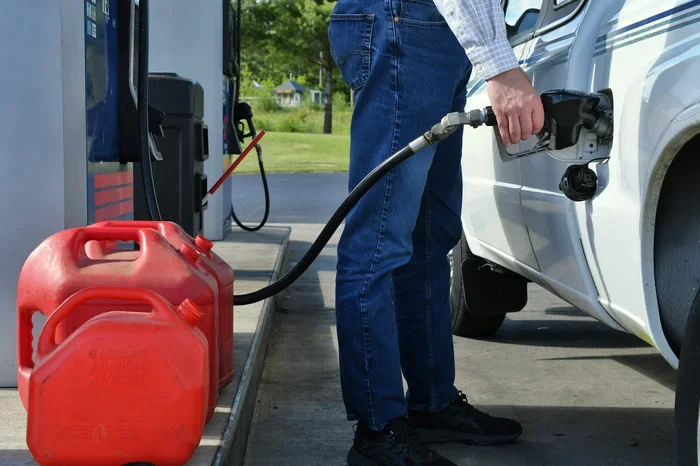
How Many Gallons to Fill Up a Car Discover the Answer
Most cars need between 12 and 18 gallons to fill up a car completely. The exact amount depends on your vehicle type, engine size, and fuel tank capacity. Understanding your car’s fuel tank size helps you budget for trips, avoid running out of gas, and plan efficient routes.
Have you ever stood at the gas pump and wondered exactly how many gallons it takes to fill up a car? It is a simple question, but the answer depends on a lot of factors. Your vehicle type, tank size, and even your driving style all play a role.
Knowing your fuel tank capacity is more useful than you might think. It helps you budget for road trips, avoid getting stranded, and understand your car’s true fuel economy. Whether you drive a compact sedan or a full-size truck, this guide has you covered.
In this article, we will break down tank sizes for different vehicles, explain how to calculate your fuel needs, and share practical tips to get the most out of every gallon. Let us dive in.
Key Takeaways
- Average tank size: Most passenger cars hold 12 to 18 gallons of fuel.
- Vehicle type matters: Compact cars use less fuel, while trucks and SUVs need more gallons to fill up.
- Fuel cost varies: Gas prices and your MPG rating determine how much a full tank costs.
- Know your range: Your miles per gallon and tank size tell you how far you can drive on a full tank.
- Track your fuel: Simple habits like monitoring your fuel gauge save money and prevent roadside breakdowns.
- Small changes help: Driving habits and vehicle maintenance improve your fuel economy significantly.
📑 Table of Contents
- What Is the Average Fuel Tank Size for a Car?
- How to Calculate How Many Gallons You Need
- How Fuel Efficiency Affects Your Fill-Up
- How Much Does It Cost to Fill Up a Car?
- Fuel Tank Size by Popular Car Models
- Common Mistakes That Waste Fuel
- How to Track Your Fuel Usage Effectively
- How Far Can You Go on a Full Tank?
- Expert Tips for Maximizing Your Fuel Tank
- Quick Tips to Remember
- Conclusion
What Is the Average Fuel Tank Size for a Car?
When people ask how many gallons to fill up a car, they usually want a quick number. The truth is there is no single answer. But the average fuel tank for a standard passenger car holds about 12 to 16 gallons. Small cars may need only 10 to 12 gallons. Larger vehicles can require 18 to 24 gallons or more.
Your fuel tank capacity is listed in your owner’s manual. You can also find it online through your vehicle’s make and model. This number is the starting point for figuring out your fill-up needs.
Why Tank Size Varies by Vehicle
Car manufacturers design fuel tanks based on several factors. The vehicle’s weight, engine size, and intended use all matter. A tiny hatchback does not need a huge tank. A heavy-duty truck does.
Here is a quick look at average tank sizes by vehicle type:
- Compact cars: 10 to 13 gallons
- Midsize sedans: 14 to 16 gallons
- Full-size SUVs: 18 to 24 gallons
- Pickup trucks: 18 to 26 gallons
- Sports cars: 12 to 16 gallons
These numbers give you a solid baseline. Your specific model may differ slightly, but this range covers most vehicles on the road today.
How to Calculate How Many Gallons You Need
Figuring out your fuel needs is easier than you think. You just need two pieces of information: your tank capacity and your current fuel level.
The Simple Formula
Here is the basic math:
- Gallons needed = Tank capacity minus current fuel level
For example, if your car has a 15-gallon tank and your gauge shows a quarter tank, you need about 11 gallons to fill up. A quarter of 15 is roughly 3.75 gallons. So 15 minus 3.75 equals 11.25 gallons.
Using a Fuel Tank Calculator
If math is not your strong suit, you are not alone. Many online tools can do the work for you. A fuel tank calculator lets you enter your vehicle model and current fuel level. It then tells you exactly how many gallons you need.
These tools are free and widely available. They save time and remove the guesswork from your fill-up routine.
How Fuel Efficiency Affects Your Fill-Up
Your car’s fuel efficiency plays a big role in how often you need to fill up. This is measured in miles per gallon, or MPG. A car with a high MPG rating goes farther on less fuel.
But here is the key point: MPG does not change your tank size. It changes how far you can go on a full tank. A car that gets 30 MPG with a 15-gallon tank can travel about 450 miles. A car that gets 20 MPG with the same tank goes about 300 miles.
Understanding Miles Per Gallon
Your MPG rating depends on several things:
- Engine size: Larger engines typically use more fuel.
- Vehicle weight: Heavier cars burn more gas.
- Driving habits: Aggressive driving lowers your MPG.
- Road conditions: Highway driving usually gives better fuel economy than city driving.
- Vehicle age: Older cars may have lower fuel economy due to wear and tear.
The EPA fuel economy rating on your car’s window sticker gives you a baseline. But your real-world MPG may differ based on how and where you drive.
How Much Does It Cost to Fill Up a Car?
Knowing the number of gallons is only half the equation. The other half is cost. Fuel prices change constantly, and they vary by region. But you can estimate your fill-up cost with a simple calculation.
The Cost Formula
Here is how to figure out what a full tank costs you:
- Cost = Number of gallons multiplied by price per gallon
Let us say gas costs $3.50 per gallon and your tank holds 15 gallons. Your fill-up would cost about $52.50. That is a manageable number for most drivers.
Tips to Reduce Fuel Costs
Nobody wants to spend too much at the pump. Here are some proven ways to cut your fuel costs:
- Drive at steady speeds. Avoid rapid acceleration and hard braking.
- Keep your tires properly inflated. Underinflated tires reduce your fuel economy.
- Remove excess weight from your car. Extra cargo makes your engine work harder.
- Use cruise control on highways. It helps maintain a consistent speed.
- Fill up during cooler parts of the day. Gas is denser when it is cold, giving you slightly more fuel for your money.
- Use the recommended octane level. Premium fuel does not always mean better performance for every car.
Small changes add up over time. Tracking your fuel spending helps you see the savings clearly.
Fuel Tank Size by Popular Car Models
Curious about specific vehicles? Here is a closer look at how many gallons some popular cars hold. This gives you a practical sense of what to expect.
Compact Cars
Compact cars are known for their efficiency and smaller tanks. The Honda Civic typically has a 12.4-gallon tank. The Toyota Corolla holds about 13.2 gallons. These cars are perfect for daily commuting and short trips.
Midsize Sedans
Midsize sedans offer a bit more space and range. The Toyota Camry has a 15.8-gallon tank. The Honda Accord holds about 17.7 gallons. These models are great for longer commutes and weekend getaways.
SUVs and Trucks
Larger vehicles need more fuel. A Ford Explorer typically has a 18-gallon tank. The Chevrolet Silverado can hold up to 24 gallons depending on the model. These vehicles are built for hauling and towing, so they naturally consume more fuel.
| Vehicle Type | Example Model | Tank Capacity (Gallons) | Estimated Range (Miles) |
|---|---|---|---|
| Compact Car | Honda Civic | 12.4 | 370 |
| Midsize Sedan | Toyota Camry | 15.8 | 475 |
| Full-Size SUV | Ford Explorer | 18.0 | 450 |
| Pickup Truck | Chevy Silverado | 24.0 | 480 |
| Sports Car | Ford Mustang | 15.5 | 310 |
These numbers are estimates based on average MPG ratings. Your actual range may vary depending on driving conditions and habits.
Common Mistakes That Waste Fuel
Even if you know exactly how many gallons to fill up a car, poor habits can waste fuel and money. Avoid these common mistakes to get the most out of every tank.
Ignoring the Fuel Gauge
Many drivers wait until the low fuel light comes on before filling up. This habit can strain your fuel pump. Running on empty also leaves you vulnerable to unexpected stops. Try to keep your tank at least a quarter full at all times.
Overfilling the Tank
Some people try to squeeze in every last drop after the pump clicks off. This is a bad idea. Overfilling can damage your emissions system and cause fuel to spill. It is also a safety hazard. Let the pump do its job and stop when it stops.
Neglecting Vehicle Maintenance
A poorly maintained car uses more fuel than it should. Dirty air filters, worn spark plugs, and low tire pressure all reduce your fuel economy. Regular maintenance keeps your car running efficiently and saves you money at the pump.
How to Track Your Fuel Usage Effectively
Keeping tabs on your fuel usage helps you understand your car better. It also helps you spot problems early. Here are some simple ways to track your fuel consumption.
Use Your Trip Meter
Most cars have a trip meter. Reset it when you fill up. Next time you fill up, divide the miles driven by the gallons you added. This gives you your real-world MPG.
Try a Fuel Tracking App
Smartphone apps make fuel tracking easy. You enter your fill-up details, and the app calculates your MPG and fuel costs over time. Some apps even send alerts when gas prices are low near you.
Keep a Simple Log
Not a fan of apps? A small notebook works just as well. Write down the date, gallons added, miles driven, and price per gallon. Over time, you will see patterns in your fuel usage. You will know which driving habits save you the most money.
How Far Can You Go on a Full Tank?
This is one of the most common questions drivers ask. The answer depends on your tank size and your fuel economy. A car with a 15-gallon tank and 30 MPG can go about 450 miles. A car with a 20-gallon tank and 25 MPG can go about 500 miles.
Knowing your range helps you plan road trips and avoid unnecessary stops. It also gives you peace of mind when driving through areas with few gas stations.
As a rule of thumb, most cars can travel between 300 and 500 miles on a full tank. Your exact number depends on the factors we discussed earlier. Always keep your fuel gauge in mind, especially on long drives.
Expert Tips for Maximizing Your Fuel Tank
Want to squeeze every mile out of your fuel? These expert-backed tips can help you get the most from your tank.
- Accelerate gently. Hard acceleration burns fuel fast. Smooth starts save gas.
- Maintain a steady speed. Frequent speed changes waste fuel.
- Use the right gear. Driving in too high or too low a gear reduces efficiency.
- Avoid excessive idling. Idling burns fuel without moving your car.
- Plan your route. Shorter, less congested routes use less fuel.
- Keep your windows closed at high speeds. Open windows create drag, which reduces fuel economy.
These tips may seem small, but they add up to significant savings over weeks and months. The best part is they cost nothing and take no extra time.
Quick Tips to Remember
- Know your tank capacity. Check your owner’s manual or look up your vehicle online.
- Fill up before the tank gets too low. This protects your fuel pump and gives you more options.
- Compare gas prices. Even small savings per gallon add up over time.
- Track your MPG regularly. It helps you spot changes that could indicate a problem.
- Keep your car well-maintained. A well-tuned engine uses fuel more efficiently.
Conclusion
So, how many gallons to fill up a car? For most vehicles, the answer is somewhere between 12 and 18 gallons. Compact cars need less, while trucks and SUVs need more. Your exact number depends on your vehicle’s fuel tank capacity and current fuel level.
Understanding your fuel tank size and fuel economy helps you make smarter decisions at the pump. You can budget more accurately, plan longer trips with confidence, and avoid the stress of running low on fuel. The tips and information in this guide give you everything you need to take control of your fuel usage.
Start by checking your owner’s manual for your tank capacity. Then track your fuel usage for a few weeks. You will quickly learn your car’s habits and start saving money. Knowledge is power, and in this case, it also saves you fuel and cash.
Take what you have learned here and apply it today. Your wallet and your car will thank you.
Frequently Asked Questions
How many gallons does it take to fill up a car on average?
Most standard passenger cars need between 12 and 18 gallons to fill up completely. Compact cars usually require 10 to 13 gallons, while larger SUVs and trucks may need 18 to 26 gallons. Check your owner’s manual for your specific vehicle’s fuel tank capacity.
Does the type of car affect how many gallons the tank holds?
Yes, absolutely. Vehicle type is one of the biggest factors in fuel tank size. Compact cars have smaller tanks, while trucks and SUVs have much larger ones. Even within the same vehicle category, different models can have different tank capacities.
How can I find out my car’s fuel tank size?
You can find your fuel tank capacity in your owner’s manual. You can also search online using your vehicle’s year, make, and model. Many car websites and dealership pages list the tank size for each model.
How much does it cost to fill up a car?
The cost depends on your tank size and the current price of gas. Multiply your tank capacity in gallons by the price per gallon. For example, a 15-gallon tank at $3.50 per gallon costs about $52.50 to fill up.
Is it bad to let your car run on empty?
Yes, running on empty can damage your fuel pump. It also leaves you at risk of running out of fuel in an unsafe location. Try to keep your tank at least a quarter full to protect your car and avoid surprises.
How can I improve my car’s fuel efficiency?
You can improve fuel efficiency by driving at steady speeds, keeping your tires properly inflated, removing excess weight, and staying up to date on vehicle maintenance. Small changes in your driving habits can lead to noticeable savings over time.
=== CONCLUSION ===
Understanding how many gallons to fill up a car is one of the simplest yet most valuable things you can know about your vehicle. It helps you plan trips, budget for fuel costs, and avoid the stress of running low. With the information in this guide, you now have a clear picture of fuel tank sizes, fill-up costs, and ways to improve your fuel economy.
Use these tips, track your fuel usage, and share this knowledge with fellow drivers. The road ahead is more enjoyable when you are in control of your fuel.