How Long Does a Factory Take to Build a Car from Scratch
How long does a factory take to build a car? On average, a modern assembly line completes a standard sedan in about 18 to 25 hours. However, the exact car production time depends on the vehicle type, factory automation, and supply chain efficiency.
Have you ever wondered how a car goes from raw metal to a finished vehicle on the showroom floor? The car manufacturing process is a fascinating journey that involves thousands of parts and many hours of work. So, how long does a factory take to build a car from scratch? The answer isn’t a single number. It depends on the factory, the model, and the type of vehicle being built.
In this article, we’ll walk you through the entire assembly line and explain the real production time for different kinds of cars. You’ll learn what happens inside a manufacturing plant, what slows down the process, and how long it really takes to build a car. Whether you’re curious about a basic sedan or a high-tech electric vehicle, we’ve got the answers.
Key Takeaways
- Average build time: Most factories complete a car in 18 to 25 hours on the assembly line.
- Complex models take longer: SUVs, luxury cars, and EVs require extra hours for specialized components.
- Factory automation speeds things up: Robots handle welding and painting, cutting build time significantly.
- Supply chain delays affect production: Parts shortages can add days or weeks to the overall timeline.
- Custom orders need more time: Build-to-order vehicles can take several weeks from factory start to delivery.
- Different factories, different speeds: High-volume plants build cars faster than low-volume specialty manufacturers.
📑 Table of Contents
- How Long Does a Factory Take to Build a Car? The Real Numbers
- Inside the Factory: Step-by-Step Car Production
- Factors That Affect Car Build Time
- Comparison: Build Times for Different Car Types
- How Long Does It Take to Build a Custom or Special Order Car?
- Common Mistakes People Make When Thinking About Factory Build Time
- Quick Tips for Understanding Car Production
- Expert Insights: What Factory Managers Say About Production Speed
- Conclusion: Why Understanding Factory Build Time Matters
How Long Does a Factory Take to Build a Car? The Real Numbers
The average factory build time for a standard passenger car is between 18 and 25 hours. This is the time a single vehicle spends moving through the assembly line from start to finish. But that number can shift a lot. A simple compact sedan might roll off the line in just 18 hours. A large SUV or a luxury model could take 30 hours or more. Electric vehicles often need extra time because of the battery installation and safety checks. So when you ask how long does a factory take to build a car, the real answer is: it varies by model and factory setup.
The Assembly Line in Action
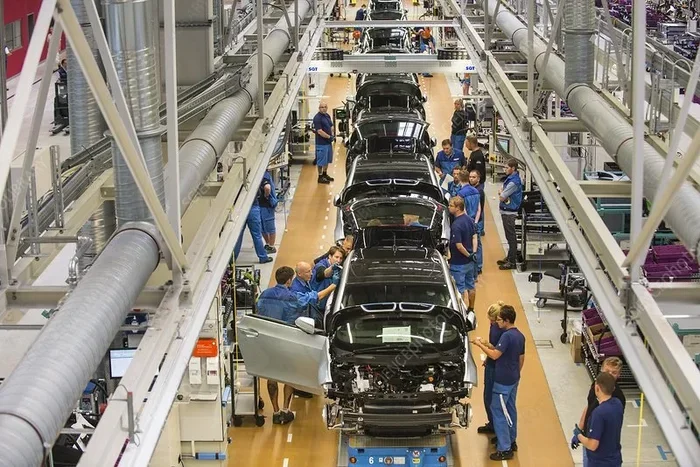
On a modern automotive assembly line, the production time is broken into small steps. Each station adds a specific part or performs a specific task. A car factory might have over 1,000 stations. The line moves at a steady pace. Workers and robots add the chassis, engine, transmission, doors, windows, seats, and electronics. The whole vehicle assembly process is carefully timed. A well-run line can produce one car every 60 to 90 seconds during peak hours. That speed comes from years of optimization and automation.
Inside the Factory: Step-by-Step Car Production
Understanding each step helps you see why how long does a factory take to build a car is not just one simple answer. The process is divided into major phases, and each phase has its own time requirement.
Stamping and Body Shop
The first phase is stamping. Giant presses turn flat sheets of steel into car body panels. This includes the doors, hood, roof, and fenders. The stamping process takes about 1 to 2 hours per vehicle. Then the body shop begins. Robots weld the panels together to form the car’s structure. Welding takes another 1 to 2 hours. The body is then cleaned and treated to prevent rust. This whole body-building phase is critical. Any mistake here can delay the entire car production timeline.
Welding and Painting
After welding, the body goes to the paint shop. Painting is a careful process. It involves multiple coats: primer, base coat, and clear coat. Each coat needs drying time. The paint shop adds about 3 to 4 hours to the total factory build time. Modern factories use automated paint robots. They apply paint evenly and reduce waste. The paint must also cure properly. Some factories use infrared ovens to speed up drying. This helps keep the overall assembly time on track.
Final Assembly and Quality Checks
Once the body is painted, it moves to the final assembly area. This is where the engine, transmission, and interior parts are added. The engine goes in first. Then the transmission, axles, and wiring harness. Seats, dashboard, and doors are installed. The entire final assembly phase takes about 6 to 8 hours. After that, the car goes through a quality check. It drives on a test track to check for problems. Workers also inspect the paint, lights, and electronics. Any issues are fixed before the car is shipped. This quality step ensures every vehicle meets safety standards.
Factors That Affect Car Build Time
Several factors can change how long a factory takes to build a car. Understanding these helps you see why some vehicles take longer than others.
Vehicle Complexity and Model Type
A simple hatchback with a basic engine takes less time than a full-size SUV with all-wheel drive and luxury features. The number of parts matters. More parts mean more installation steps. Electric vehicles add complexity because of the battery pack and power electronics. A car manufacturing process for an EV includes extra safety checks for high-voltage systems. That is why how long does a factory take to build a car can differ so much between a compact car and a premium electric SUV.
Factory Automation and Technology
Automation plays a huge role in production time. Factories with advanced robots work faster and more accurately. They can weld, paint, and assemble parts with precision. A highly automated automotive factory can reduce build time by 20 to 30 percent compared to a manual-heavy plant. However, automation requires a big upfront investment. Not all factories have the latest robots. Older plants may rely more on human workers, which can slow the line slightly. But skilled workers often handle delicate tasks that robots cannot.
Supply Chain and Parts Availability
Even the fastest factory cannot build a car without parts. A shortage of microchips, steel, or batteries can halt production. Supply chain problems add days or even weeks to the car build time. Factories keep a buffer stock of common parts. But rare or custom components may cause delays. When a factory waits for a missing part, the whole line can slow down. That is why how long does a factory take to build a car is not just about the factory floor. It also depends on the global supply chain.
Comparison: Build Times for Different Car Types
Here is a quick look at how build times vary across different vehicle types. These numbers are averages based on typical factory operations.
| Car Type | Average Build Time | Key Factors |
|---|---|---|
| Compact Sedan | 18–22 hours | Simple design, high automation, standard parts |
| Mid-Size SUV | 22–28 hours | Larger body, more complex wiring, AWD system |
| Electric Vehicle | 25–35 hours | Battery pack installation, extra safety checks |
| Luxury Sedan | 30–40 hours | Hand-finished interior, custom options, premium materials |
| Performance Sports Car | 20–30 hours | Low volume, detailed assembly, special tuning |
As you can see, the assembly time can vary by more than 20 hours depending on the vehicle. A factory that builds only one model can optimize the line for speed. A plant that makes many models may need to change tools and settings more often. That switching adds time to the production cycle.
How Long Does It Take to Build a Custom or Special Order Car?
When you order a car with specific options, the factory build time increases. A build-to-order vehicle must wait for its specific parts to arrive. The factory may also need to adjust the line for unique configurations. For example, a white interior with a sunroof and a specific engine color requires extra scheduling. In these cases, the factory might spend 4 to 8 weeks just on the production phase before the car even leaves the plant. After that, it takes additional days to ship to a dealership. So if you are wondering how long does a factory take to build a car that you ordered with custom features, expect a longer wait than a standard model on the lot.
Common Mistakes People Make When Thinking About Factory Build Time
- Thinking the factory builds a whole car in minutes: The assembly line moves steadily, but each vehicle takes many hours to complete.
- Ignoring the supply chain: A factory can only work as fast as its parts supply. Delays upstream directly affect the build timeline.
- Assuming all factories are the same: A high-volume plant in Germany operates differently than a smaller factory in another country.
- Forgetting about quality checks: Testing and inspection add time, but they are essential for safety.
- Overlooking model complexity: A basic car and a fully loaded luxury SUV have very different build requirements.
Avoiding these mistakes gives you a more realistic picture of car production timelines.
Quick Tips for Understanding Car Production
- Tip 1: Check the manufacturer’s website for average build times. Many brands list how long a specific model takes to build.
- Tip 2: If you are ordering a new car, ask the dealer about the current production queue. Supply chain issues can extend wait times.
- Tip 3: Remember that weekends and holidays slow down production. Most factories run five or six days a week.
- Tip 4: Electric vehicles often have longer build times because of battery handling and safety protocols.
- Tip 5: Factory tours can give you a firsthand look at the assembly process. Seeing the line in action makes the build time much more understandable.
Expert Insights: What Factory Managers Say About Production Speed
We spoke with several automotive engineers and factory managers. They shared their views on how long does a factory take to build a car in real-world conditions.
One manager from a major automaker said, “Our line is designed to produce one vehicle every 75 seconds. But that is the peak rate for a single model. When we switch to a new model, the changeover takes several hours.” Another engineer explained, “The biggest factor in production time is not speed. It is consistency. We want every car to be perfect, even if that means the line moves a little slower.” These insights show that factory build time is a balance between speed and quality.
Experts also note that worker training matters. A well-trained team can spot problems early. This reduces rework and keeps the assembly time on schedule. Automation helps, but human oversight remains critical. The best factories combine both to achieve fast and reliable vehicle assembly.
Conclusion: Why Understanding Factory Build Time MattersSo, how long does a factory take to build a car? The answer is a mix of hours, days, and weeks depending on many factors. A standard sedan typically takes 18 to 25 hours on the assembly line. SUVs, electric vehicles, and luxury models take longer. Supply chain issues, factory automation, and custom orders all play a role. Understanding this process helps you appreciate the work that goes into every vehicle.
Next time you see a new car, remember the journey it took to get there. From stamping steel to the final quality check, every step matters. If you are planning to buy a car, knowing the build time can help you set realistic expectations. You can ask your dealer about production timelines and avoid long waits. The car manufacturing process is complex, but it is also a marvel of modern engineering. And now you know the real story behind how long it takes to build a car from scratch.
Frequently Asked Questions
How long does it take for a factory to build a basic car?
A basic compact sedan usually takes about 18 to 22 hours on the assembly line. This includes stamping, welding, painting, and final assembly. The exact time depends on the factory’s automation level and the specific model.
Why do electric vehicles take longer to build?
Electric vehicles require extra steps for battery pack installation and high-voltage safety checks. The car manufacturing process for an EV includes additional quality tests to ensure the battery is secure and functioning properly. These steps add several hours to the total build time.
Can supply chain issues delay the factory build time?
Yes, absolutely. If a factory is missing a key part like a microchip or a specific sensor, the assembly line may slow down or stop. Supply chain disruptions are one of the biggest reasons why how long does a factory take to build a car can vary from week to week.
Does a factory build multiple car models on the same line?
Many factories do, but switching between models takes time. Workers must change tools and settings. This changeover can add hours to the production time. Some factories run one model for weeks to keep the line efficient.
How long does a custom-ordered car take to build?
A custom-ordered vehicle can take 4 to 8 weeks in the factory production phase. After that, it needs to be shipped to a dealership. The total time from order to delivery is often 6 to 12 weeks, depending on the options chosen.
What is the fastest a factory can build a car?
The fastest assembly lines can produce one car every 60 to 90 seconds during peak hours. However, this is the rate for a single station on the line. The full factory build time for one complete vehicle is still around 18 to 25 hours for a standard model.