How Hot Can a Car Get in 100-Degree Weather Shocking
A car parked in 100-degree weather can reach interior temperatures of 170°F or higher within minutes. The greenhouse effect turns your vehicle into a deadly oven, posing serious risks to children, pets, and adults. Understanding how fast heat builds up and what you can do about it may save a life.
Key Takeaways
- Extreme Heat Buildup: A car in 100-degree weather can hit 170°F or more inside the cabin in under 30 minutes.
- Greenhouse Effect Is Real: Sunlight passes through windows and heats surfaces, which then trap warmth inside the car.
- Children and Pets Are Most Vulnerable: Heatstroke can set in within minutes, and temperatures above 104°F can be fatal.
- Cracking Windows Helps Only Slightly: Leaving windows open a crack has minimal impact on reducing interior temperature.
- Quick Cooling Tips Work: Using sunshades, tinting, and parking in shade can significantly lower cabin heat.
- Act Fast in Emergencies: If trapped in a hot car, call 911 immediately and try to cool down with water and fresh air.
📑 Table of Contents
- The Shocking Truth About How Hot a Car Gets in 100-Degree Weather
- The Science Behind Why Cars Become Ovens
- How Fast Does the Temperature Rise
- Dangerous Temperatures and What They Mean for Your Body
- Real-Life Consequences and Safety Risks
- Practical Tips to Keep Your Car Cool in Extreme Heat
- What to Do If You Are Trapped in a Hot Car
- How Hot Can a Car Get in 100-Degree Weather: Final Thoughts
The Shocking Truth About How Hot a Car Gets in 100-Degree Weather
Imagine stepping into your car after it has been sitting in the blazing sun all afternoon. The steering wheel feels like it could burn your hands. The seatbelt buckle is hot enough to sting your skin. And the air inside? It feels like you just walked into a furnace.
That is not an exaggeration. When the outside temperature hits 100 degrees, the interior of a parked car can climb to 170°F or higher in a matter of minutes. This is not just uncomfortable. It is genuinely dangerous. Every summer, news reports share stories of children and pets suffering from heatstroke in parked vehicles. Many of these tragedies could have been prevented with a better understanding of how fast a car heats up.
This article breaks down the science, the risks, and the practical steps you can take to stay safe. Whether you are a parent, a pet owner, or just someone who parks outside during summer, this guide will give you the knowledge you need. How hot can a car get in 100-degree weather is a question that deserves a serious and detailed answer.
The Science Behind Why Cars Become Ovens
Understanding why a car heats up so fast starts with a basic science concept called the greenhouse effect. You may have heard this term in the context of climate change, but it works the same way inside your vehicle.
Here is how it works in simple terms:
- Sunlight enters through the windows. Glass allows shortwave solar radiation to pass through easily.
- Surfaces inside the car absorb that energy. The dashboard, seats, and steering wheel soak up the heat.
- Those surfaces re-emit the energy as longwave infrared radiation. This type of heat cannot escape back through the glass.
- The trapped energy keeps building. Temperature rises rapidly with no way to escape.
This cycle repeats every few seconds. The result is a rapid temperature spike that makes the cabin far hotter than the air outside. Even on a day that feels tolerable at 85 degrees, a car can reach 104°F inside in just 10 minutes. Now imagine that same process at 100 degrees outside. The numbers become truly alarming.
What Materials Make It Worse
Not all cars heat up at the same rate. The materials inside your vehicle play a big role. Dark-colored dashboards and seats absorb more sunlight than lighter ones. Leather and vinyl surfaces heat up faster than fabric. Cars with large glass areas, like sunroofs, tend to trap even more heat. These small details can make a noticeable difference in how hot the interior gets during extreme weather.
How Fast Does the Temperature Rise
One of the most shocking facts about car heat in extreme weather is how quickly temperatures climb. Many people assume that a few minutes of sun exposure is harmless. That assumption could not be more wrong.
Here is a breakdown of what happens inside a car parked in 100-degree weather:
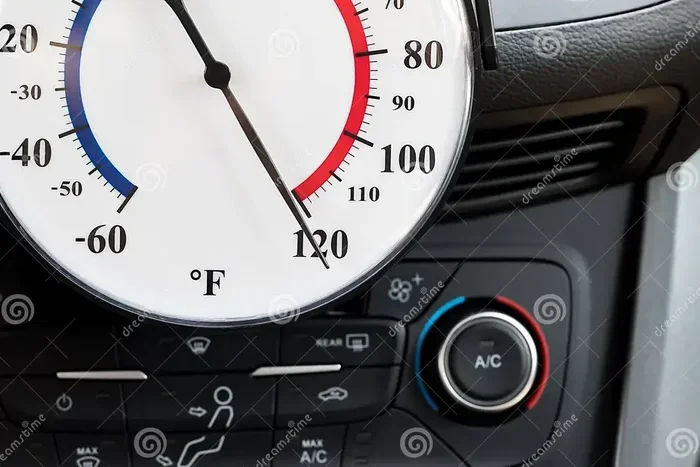
- First 5 minutes: Interior temperature jumps from 100°F to around 120°F. The dashboard and steering wheel become too hot to touch.
- After 10 minutes: Temperatures reach 140°F to 150°F. Plastics begin to release fumes, and surfaces can cause minor burns.
- After 20 minutes: The cabin hits 160°F to 170°F. Air quality inside the car drops significantly.
- After 30 minutes or more: Temperatures can exceed 170°F. At this point, the car is essentially a sealed oven.
These numbers are based on real-world studies conducted by researchers and safety organizations. They show just how fast vehicle heat buildup can turn a simple errand into a life-threatening situation.
The Myth of “Just a Minute”
A lot of people say, “I will only be a minute.” But studies show that heatstroke can begin in as little as 10 minutes inside a hot car. A child’s body temperature rises three to five times faster than an adult’s. Their internal organs start to shut down at much lower temperatures. Even a brief moment of neglect can have devastating consequences.
The same applies to pets. Dogs and cats cannot sweat the way humans do. They rely on panting to cool down, which becomes ineffective in extreme heat. A dog left inside a 170°F car can suffer brain damage or death in minutes.
Dangerous Temperatures and What They Mean for Your Body
So what happens to the human body when temperatures soar inside a vehicle? Let us look at the numbers and what they mean for your health.
| Interior Temp | What Happens |
|---|---|
| 100°F – 110°F | Discomfort, sweating, mild dehydration |
| 120°F – 130°F | Dizziness, nausea, rapid heartbeat |
| 140°F – 150°F | Heat exhaustion, confusion, difficulty breathing |
| 160°F+ | Heatstroke, organ failure, risk of death |
As you can see, the jump from uncomfortable to deadly happens faster than most people realize. At 104°F, the body starts to lose its ability to regulate temperature. At 107°F, cells begin to die. Inside a hot car, these thresholds can be reached in minutes.
Children are at the highest risk because their bodies heat up faster and they cannot communicate how they feel. Elderly individuals and people with heart conditions also face elevated risks. Even healthy adults can experience heat-related illness after prolonged exposure inside a hot vehicle.
Signs of Heatstroke to Watch For
Knowing the symptoms of heatstroke can help you act quickly. Look out for these warning signs:
- Body temperature above 103°F
- Hot, red, or dry skin
- Rapid, strong pulse
- Confusion or agitation
- Loss of consciousness
- Nausea or vomiting
If you or someone near you shows these symptoms inside a hot car, call 911 immediately. Move to a cooler area and apply cool water or ice packs to the neck, armpits, and groin.
Real-Life Consequences and Safety Risks
Every year, dozens of people die from vehicular heatstroke in the United States alone. Many of these deaths involve young children who were accidentally left inside a vehicle. Others involve pets whose owners thought the trip would be quick.
The numbers tell a sobering story:
- On average, 38 children die each year from heatstroke in vehicles in the U.S.
- More than half of these cases happen because a caregiver forgot the child was in the car.
- Pet heatstroke deaths go largely unreported, but the numbers are believed to be in the thousands annually.
- Even cracking a window does not prevent dangerous temperature buildup.
These statistics highlight the importance of understanding how hot a car can get in 100-degree weather. It is not just a theoretical concern. It is a real and present danger that affects families across the country every summer.
Who Is Most at Risk
Certain groups face a higher risk of heat-related injury in a hot car:
- Infants and toddlers: Their bodies heat up three to five times faster than adults.
- Elderly individuals: They may have difficulty regulating body temperature due to age or medication.
- People with disabilities: They may not be able to open doors or windows or call for help.
- Outdoor workers: People who walk to their cars after long shifts in extreme heat face added risk.
- Animals: Dogs, cats, and other pets cannot escape a hot car on their own.
Understanding these risks is the first step toward prevention. No one expects a tragedy to happen to them, but awareness and preparation can make all the difference.
Practical Tips to Keep Your Car Cool in Extreme Heat
The good news is that there are many simple steps you can take to reduce the heat inside your vehicle. Some of these tips are free, and others require a small investment. Either way, they are well worth the effort.
1. Park in the Shade Whenever Possible
This may seem obvious, but it is one of the most effective strategies. A shaded parking spot can reduce interior temperature by 20 to 30 degrees compared to a spot in direct sunlight. When shopping, choose a covered parking area or a spot under a tree. It takes a few extra seconds to walk a little further, but the difference is significant.
2. Use a Windshield Sunshade
A car sunshade blocks sunlight from hitting the dashboard and windshield. This single accessory can lower interior temperatures by 15 to 20 degrees. They are inexpensive and fold up easily for storage. Some models even reflect heat away from the car using metallic or reflective surfaces.
3. Tint Your Windows
Window tinting reduces the amount of solar energy that enters the car. It also blocks harmful UV rays that can fade your interior and damage your skin. Check your local laws before tinting, as there are regulations on how dark the tint can be.
4. Use Light-Colored Seat Covers and Floor Mats
Dark surfaces absorb heat. Light-colored seat covers and floor mats reflect more sunlight and stay cooler. This is a small change that can make a noticeable difference in cabin temperature.
5. Crack the Windows Slightly
While cracking windows does not prevent heat buildup, it does allow some hot air to escape. It is not a perfect solution, but it helps a little. Just make sure the gap is small enough to prevent someone from reaching inside.
6. Use a Remote Starter or Cooling System
If your vehicle has a remote start feature, use it a few minutes before you get in. This allows the air conditioning to begin cooling the cabin before you sit down. Aftermarket cooling systems and solar-powered fans are also available and can help circulate air.
7. Keep a Thermal Cover for the Steering Wheel
A steering wheel cover prevents burns and makes your car more comfortable to enter. You can also keep a damp towel over the seatbelt buckle to keep it cool.
Quick Tips for Hot Weather Driving
- Always carry water with you, even on short trips.
- Never leave a child or pet unattended in a vehicle.
- Place a stuffed animal in the front seat as a reminder when a child is in the back.
- Check your car before locking it to make sure no one is inside.
- Keep emergency water bottles in the trunk for unexpected situations.
What to Do If You Are Trapped in a Hot Car
Even with precautions, there may be times when you find yourself stuck inside a hot vehicle. Whether it is a locked car, a broken air conditioner, or an unexpected delay, knowing what to do can keep you safe.
Here is what you should do if you are trapped in a hot car in extreme heat:
- Stay calm and assess the situation. Panic increases your body temperature and heart rate.
- Call 911 immediately. Emergency responders are trained to handle vehicular heat emergencies.
- Move to the coolest part of the car. The floor or the area near the windows is usually the coolest spot.
- Remove excess clothing. Let your body breathe and release heat naturally.
- Apply water to your skin. Wet your hands, face, and neck with any available water. Evaporation helps cool you down.
- Fan yourself if possible. Movement of air across your skin accelerates cooling.
- Break a window if necessary. If you feel symptoms of heatstroke and cannot get help, use a headrest or emergency tool to break a side window. Break the corner, not the center.
These steps can make the difference between a scary experience and a medical emergency. Always prioritize calling for help and cooling your body down as quickly as possible.
How Hot Can a Car Get in 100-Degree Weather: Final Thoughts
The answer to how hot can a car get in 100-degree weather is both shocking and sobering. Interior temperatures can exceed 170°F within 30 minutes. The greenhouse effect turns your vehicle into a dangerous environment in a very short time. Children, pets, and vulnerable adults are at the greatest risk.
But here is the good news: most of these tragedies are preventable. A little awareness goes a long way. Use sunshades, park in the shade, never leave anyone unattended in a vehicle, and know the signs of heatstroke. These simple habits can protect the people you love most.
The next time you see a child or pet alone in a parked car, do not hesitate to call 911. Seconds matter. Your quick action could save a life. Share this article with friends and family to spread awareness. Together, we can prevent needless deaths from vehicular heatstroke and keep our communities safe during the hottest months of the year.
Stay cool, stay informed, and never underestimate the power of the sun inside a closed vehicle. The heat is no joke, and neither is the danger it creates.
Frequently Asked Questions
How quickly does a car heat up in 100-degree weather?
A car can reach 120°F within 5 minutes and exceed 170°F within 30 minutes when parked in 100-degree weather. The temperature rises fast, and the danger increases with every passing minute.
Can cracking a window prevent a car from overheating?
Cracking a window helps only slightly. Studies show it reduces interior temperature by just a few degrees. It does not prevent the greenhouse effect or make a car safe for children or pets.
At what temperature does heatstroke become a risk inside a car?
Heatstroke can begin at 104°F when the body can no longer regulate its temperature. Inside a hot car, this threshold can be reached in just 10 to 15 minutes, especially for children and pets.
What should I do if I see a child or pet trapped in a hot car?
Call 911 immediately. If the person or animal shows signs of distress, try to break a window to provide fresh air. Do not wait, as heatstroke can cause irreversible damage in minutes.
Are certain cars worse at trapping heat than others?
Yes, cars with large glass surfaces, dark interiors, and poor ventilation tend to heat up faster. However, no car is safe to leave unattended in extreme heat, regardless of its design.
What are the best ways to keep a car cool during summer?
Use a windshield sunshade, park in the shade, apply window tint, use light-colored seat covers, and consider a remote start system. These steps can significantly lower interior temperatures and make your car more comfortable.
=== CONCLUSION ===
The question of how hot can a car get in 100-degree weather has a clear and alarming answer. Your vehicle can become a deadly oven in less than half an hour. The greenhouse effect, the materials inside your car, and the sealed environment all work together to create dangerous conditions that can cause heatstroke, organ damage, and even death.
But knowledge is power. By understanding how heat builds up, recognizing the risks, and following the practical tips in this guide, you can protect yourself, your family, and your pets. Never leave a child or pet unattended in a vehicle. Always take a moment to check your car before locking it. And if you ever find yourself trapped in a hot car, stay calm, cool your body, and call for help immediately.
Share this information with everyone you know. A simple conversation about car safety in extreme heat could prevent a tragedy. Stay safe this summer, and remember: the heat inside a parked car is nothing to take lightly.