How Far Can You Drive an Overheating Car Before Damage
How Far Can You Drive an Overheating Car? The answer is terrifyingly short: only a few seconds to a mile at most. Driving an overheating car can destroy your engine in minutes, leading to thousands in repairs. This guide reveals the exact limits, the hidden damage, and the smart steps to take right now.
Your car’s temperature gauge starts climbing. Steam hisses from under the hood. You wonder, how far can you drive an overheating car before it’s too late? The honest answer might shock you. Most experts agree that driving an overheating car for more than a few seconds can cause irreversible engine damage. In this guide, I’ll break down exactly how much distance you have, what’s happening under the hood, and the smart moves that can save you thousands of dollars.
Overheating is one of the most common car problems, especially in summer. Many drivers ignore the warning signs and keep pushing. They hope the temperature will drop on its own. But hoping won’t fix a coolant leak or a broken water pump. Understanding the real risks can protect your engine and your wallet.
Key Takeaways
- You can only drive a few seconds: Most cars suffer damage after 10-30 seconds of overheating.
- Temperature gauge is your early warning: A rising needle means stop immediately.
- Coolant leaks are a common cause: Check under your car for green or pink puddles.
- Warped heads and blown gaskets are expensive: Ignoring heat can turn a $200 fix into a $3,000 disaster.
- Tow truck is often the safest call: Driving even a short distance can be a gamble.
- Regular maintenance prevents overheating: Flush coolant and inspect hoses every 30,000 miles.
📑 Table of Contents
What Happens When Your Car Overheats?
The Danger Zone: How Long Can You Keep Driving?
When your car overheats, the engine temperature rises past safe limits. Normal operating temperature sits around 195 to 220 degrees Fahrenheit. Once you hit 230 degrees, you enter the danger zone. At 245 degrees, engine oil begins to break down. Metal parts start expanding and grinding against each other.
The clock is ticking from the moment the needle climbs into the red. You might get 10 to 30 seconds before internal damage begins. Some drivers report making it a mile or two, but that often leads to warped cylinder heads or blown head gaskets. How Far Can You Drive an Overheating Car? The safe answer is zero. Pull over as soon as you can.
Signs Your Engine Is Overheating
Your car gives you plenty of warnings before it completely overheats. Watch for these signs:
- Temperature gauge in the red: The needle climbing into the hot zone is the most obvious signal.
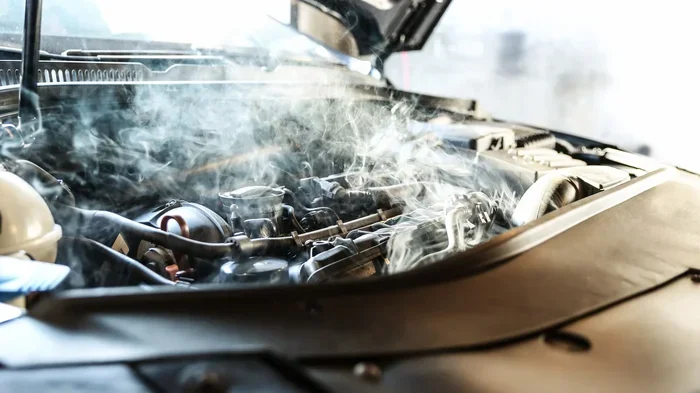
- Steam or smoke from the hood: This means coolant is boiling and leaking onto hot engine parts.
- Sweet smell inside the car: A sugary scent often points to a coolant leak.
- Burnt oil smell: Overheated engine oil smells acrid and sharp.
- Engine misfires or loses power: Heat disrupts combustion, causing rough running.
- Coolant warning light: Many modern cars display a temperature or coolant light on the dash.
Quick Tip: If you see steam, do not open the radiator cap. Scalding coolant can cause severe burns. Wait at least 15 minutes for the system to cool down.
How Far Can You Drive an Overheating Car Before Damage?
The 10-Second Rule and Beyond
The brutal truth is that how far can you drive an overheating car is measured in seconds, not miles. Most mechanics agree that after 10 to 30 seconds of overheating, you risk permanent damage. Some drivers claim they made it a mile, but that usually means they got lucky. Luck does not protect your head gasket or your engine block.
Think of it like running a marathon with a broken leg. You might limp a few steps, but you’re causing more harm with every movement. Your engine needs coolant to transfer heat away from critical parts. Without proper cooling, metal expands, seals fail, and catastrophic engine damage follows.
Factors That Determine Your Driving Distance
Not all overheating situations are the same. Several factors change how much distance you might safely cover:
- Outside temperature: Hot summer days make overheating worse and reduce your margin.
- Traffic conditions: Stop-and-go city driving generates more heat than highway cruising.
- Coolant level: A low coolant level means you have almost no buffer.
- Radiator fan operation: If the fan isn’t working, heat builds up fast at idle.
- Air conditioning use: AC puts extra load on the engine, raising temperatures.
- Engine condition: Older engines with worn parts overheat faster.
Even if you have a slight coolant leak and no steam yet, driving more than a few blocks is risky. The safest move is always to turn off the engine and call for help.
| Condition | Safe Distance | Risk Level |
|---|---|---|
| Low coolant, no steam, gauge just entering red | Up to 1 mile (if traffic is light) | Medium |
| Steam or smoke visible from hood | Stop immediately | High |
| Temperature gauge in red for 30+ seconds | Tow truck only | Critical |
| Engine misfires or loses power | Stop now, do not drive | Critical |
The Real Damage: What Overheating Does to Your Engine
Warped Cylinder Heads and Blown Head Gaskets
Aluminum cylinder heads are especially vulnerable to overheating. When the engine gets too hot, the head can warp. A warped head no longer sits flush against the engine block, and the head gasket fails. This is one of the most common overheating car repairs. A blown head gasket allows coolant to leak into the oil passages and combustion chambers.
Signs of a blown head gasket include white smoke from the exhaust, milky oil, and constant coolant loss. Overheating engine damage from a head gasket failure can cost anywhere from $500 to $1,500 to fix. If you ignore the early warnings, the repair bill climbs fast.
Cracked Engine Block and Seized Engine
Extreme heat can cause the engine block itself to crack. A cracked block allows coolant and oil to mix, leading to lubrication failure. Without proper lubrication, internal components grind and seize. A seized engine means the pistons weld themselves to the crankshaft. At that point, overheating car repair costs often exceed the vehicle’s value.
Engine seizure is the worst-case scenario. You will hear a loud bang or clunk, and the car will stop running. Towing and engine replacement or rebuild will cost $4,000 or more. This is why understanding how far can you drive an overheating car matters so much.
Damage by Overheating Duration
Not all overheating leads to immediate failure, but the damage accumulates fast. Here is a realistic look at what happens at different stages:
| Overheating Duration | Likely Damage | Estimated Repair Cost |
|---|---|---|
| 10-30 seconds | Minor stress, oil breakdown begins | $0 (if you stop immediately) |
| 1-2 minutes | Warped head gasket, coolant leak | $500 – $1,500 |
| 3-5 minutes | Cracked cylinder head or block | $2,000 – $4,000+ |
| 5+ minutes or full seizure | Engine replacement needed | $4,000 – $7,000+ |
As you can see, the longer you drive an overheating car, the more the damage multiplies. A quick stop can save you thousands.
Immediate Steps to Take When Your Car Overheats
Pull Over Safely and Turn Off the Engine
The moment your temperature gauge enters the red, you need to act. Follow these steps in order:
- Turn off the air conditioning: AC puts extra strain on the engine.
- Turn the heater to maximum: This helps pull heat away from the engine block. It feels awful, but it works.
- Find a safe place to pull over: Look for a parking lot or wide shoulder.
- Turn off the engine: Do not let the car idle.
- Wait at least 15 minutes: Let the hood cool before you touch anything.
After the car cools, check the coolant reservoir. If it is empty, do not drive. Call a tow truck. Even if you refill the coolant, a hidden leak could cause the engine to overheat again within minutes.
Quick Tips:
- Keep a bottle of coolant in your trunk for emergencies.
- Never open the radiator cap when the engine is hot.
- If you see steam, stay away from the hood. Hot liquid can spray and cause burns.
- Note the time you stopped. If the temperature stays high after 20 minutes, do not restart.
What to Do After the Car Has Cooled Down
Once your car is cool, you can check a few things safely. Look under the car for puddles of coolant. Green, orange, or pink fluid means a leak. Check the radiator hoses for cracks or loose connections. If everything looks okay and the coolant level is fine, you might be able to drive slowly to a nearby shop. But if the coolant is low and you cannot find the leak, call a tow.
Driving an overheating car after it has cooled down does not mean the problem is gone. The underlying issue—whether a water pump failure, thermostat stuck closed, or radiator clog—still exists. You risk another overheating episode a few miles down the road.
Preventing Overheating: Simple Maintenance Tips
Check Your Coolant Levels Regularly
The easiest way to prevent overheating is to check your coolant. Open the hood when the engine is cold and look at the coolant reservoir. The level should sit between the minimum and maximum marks. If it is low, top it off with the correct type of coolant for your car. I recommend checking coolant every time you get gas or at least once a month.
A 50/50 mix of coolant and water provides the best protection against freezing and boiling. If you live in a hot climate, make sure your coolant is fresh. Old coolant loses its effectiveness and can cause overheating car problems even with no visible leaks.
Inspect the Radiator and Water Pump
The radiator and water pump are the heart of your cooling system. Inspect the radiator hoses for soft spots, cracks, or coolant residue. Squeeze the hoses when the engine is cool. They should feel firm but not hard or brittle. Replace any hose that feels spongy or cracked.
The water pump circulates coolant through the engine. Listen for whining noises from the front of the engine, which can indicate a failing water pump bearing. A broken water pump means coolant stops flowing, and your engine will overheat quickly.
Expert Insight: Many overheating problems start with a small coolant leak that you ignore for weeks. A $10 hose replacement can prevent a $3,000 engine rebuild. Do not wait for steam to appear.
When to Call a Tow Truck Instead of Driving
Costly Mistakes of Ignoring Overheating
Some drivers try to push through overheating to get home or to a familiar garage. This is the most costly mistake you can make. Driving while overheating turns a simple repair into a major engine rebuild. I have seen drivers save a few minutes by keeping going, only to face a $5,000 repair bill.
Another mistake is adding water to the radiator and continuing to drive. Water works in a pinch, but it does not provide the same heat protection as coolant. Plus, if your engine is overheating, adding water while the system is pressurized can cause burns. Always tow the car to a safe location first.
How to Decide If You Can Make It to the Shop
Ask yourself these three questions before you start the engine again after an overheating event:
- Did the temperature gauge stay in the red for more than 30 seconds? If yes, do not drive. Call a tow.
- Did you see steam or hear popping sounds? If yes, the engine may have internal damage. A tow is your best option.
- Is the coolant level still low after refilling? If yes, there is an active leak. Driving will likely cause the engine to overheat again.
If you answered no to all three, you might be able to drive slowly to a nearby shop. Keep an eye on the temperature gauge the entire way. If it climbs again, pull over and call for help.
Conclusion
The bottom line is clear: how far can you drive an overheating car is not a question of distance, but of seconds. Every moment you drive with a hot engine risks permanent damage. The safest choice is always to pull over, turn off the engine, and call for a tow. Ignoring the signs leads to warped heads, blown gaskets, and engine seizure. Protect your car by taking overheating seriously. Regular maintenance, quick response to warning signs, and a willingness to stop can save you from a massive repair bill. Remember, a tow truck is far cheaper than a new engine.
Frequently Asked Questions
Can I drive an overheating car to the nearest gas station?
Only if the temperature gauge just entered the red and you see no steam. Turn off the AC and set the heater to max. If the gauge drops, you might make it a short distance. But if the needle stays high or steam appears, do not drive. Call a tow truck immediately.
How long does it take for an engine to overheat?
An engine can overheat in as little as 5 to 10 minutes if the coolant level is critically low or the water pump fails. However, damage can begin after just 10 to 30 seconds of running in the red zone. The time varies based on outside temperature, traffic, and the exact cause of the overheating.
What causes a car to overheat quickly?
The most common causes are low coolant, a coolant leak, a broken water pump, a stuck thermostat, a faulty radiator fan, or a clogged radiator hose. Sometimes a blown head gasket from previous overheating can also cause rapid overheating. Regular maintenance catches most of these issues early.
Is it safe to drive after the engine cools down?
It depends on why the engine overheated. If you simply ran low on coolant and refilled it, you might drive slowly to a shop. But if the overheating was caused by a mechanical failure like a broken water pump or a cracked hose, driving again will likely cause the same problem. When in doubt, get a tow.
How much does overheating car repair cost?
Costs range widely. A simple coolant top-off costs little. Replacing a hose might be $50 to $150. A water pump replacement runs $300 to $700. A head gasket repair can cost $500 to $1,500. A cracked engine block or seized engine can require $4,000 or more for replacement. Early action keeps costs low.
Can overheating ruin a car engine?
Yes, severe or repeated overheating can ruin an engine. Warped cylinder heads, blown head gaskets, and cracked engine blocks are all results of prolonged overheating. In extreme cases, the engine seizes completely and needs replacement. This is why you should never ignore an overheating car.