How Do You Find Out Fair Market Value of a Car Fast
Finding the fair market value of a car is easier than most people think. You can use free online tools like Kelly Blue Book, Edmunds, and NADA Guides to get instant pricing estimates. Understanding what affects your car’s worth helps you negotiate better deals and avoid overpaying.
Key Takeaways
- Use Multiple Valuation Tools: KBB, Edmunds, and NADA Guides each offer slightly different numbers, so compare all three for the most accurate fair market value of a car.
- Know the Three Price Types: Trade-in value, private party value, and retail value all differ significantly and serve different selling or buying scenarios.
- Condition Matters Most: Your car’s physical condition, mileage, service history, and accident-free status have the biggest impact on its market value.
- Check Local Market Trends: National averages don’t tell the whole story. Your local demand and supply can shift prices up or down by hundreds of dollars.
- Avoid Common Mistakes: Overlooking maintenance records, ignoring seasonal demand shifts, and skipping a vehicle history report can cost you real money.
- Get a Professional Appraisal When in Doubt: For high-value or unique vehicles, a certified car appraisal gives you the most reliable number.
📑 Table of Contents
- What Is Fair Market Value and Why Does It Matter?
- Top Tools to Find Fair Market Value of a Car
- Factors That Affect Your Car’s Market Value
- Step-by-Step: How to Determine Fair Market Value
- Trade-In Value vs. Private Party Value vs. Retail Price
- Common Mistakes People Make When Valuing a Car
- Expert Tips to Get the Best Deal on Your Car
- Conclusion
What Is Fair Market Value and Why Does It Matter?
So, what exactly is the fair market value of a car? Simply put, it is the price a willing buyer would pay a willing seller for a vehicle. Neither party is under pressure. Both have reasonable knowledge of the car’s condition and market worth.
Think of it as the sweet spot between what a dealership wants for a vehicle and what a private seller might accept. It represents what the market actually supports right now, not what someone hopes to get.
Knowing the fair market value matters for several reasons. If you are buying, it keeps you from overpaying. If you are selling, it helps you set a realistic price that attracts buyers without leaving money on the table. And if you are trading in a car, it gives you a strong negotiating position.
Many people also need to know the market value for insurance claims, loan approvals, or legal matters like divorce settlements and estate planning. In all these cases, having a solid number backed by data makes everything smoother.
The good news? Finding this number today is faster and easier than ever before. You do not need to be a car expert. A few clicks and some basic information about your vehicle will get you started.
Top Tools to Find Fair Market Value of a Car
The internet has made car valuation incredibly accessible. You no longer need to visit a dealership or hire an appraiser just to get a ballpark figure. Several trusted online tools can give you a solid estimate in minutes.
Kelly Blue Book (KBB)
Kelly Blue Book, commonly known as KBB, has been a go-to car pricing guide for decades. It is one of the most recognized names in the industry. KBB breaks down pricing into several categories including trade-in value, private party value, and suggested retail price.
To use KBB, you enter your vehicle’s make, model, year, trim level, mileage, and condition. The tool then generates a range of values based on comparable sales data from real transactions. KBB updates its numbers regularly, so the figures stay current with market trends.
One thing I love about KBB is its simplicity. The interface is clean and easy to navigate. Even if you have never done this before, you can get a solid answer within five minutes.
Edmunds True Market Value (TMV)
Edmunds offers another excellent resource called True Market Value, or TMV. This tool goes beyond simple algorithms. Edmunds analyzes actual transaction data from thousands of dealerships and private sales across the country.
What sets Edmunds apart is its focus on local market trends. It adjusts pricing based on supply and demand in your specific area. This means you get a number that reflects what people in your region are actually paying.
Edmunds also provides a detailed breakdown of what is included in the price. For example, it may show you the base price, any dealer fees, and the expected depreciation over time. This level of detail is incredibly helpful for buyers who want full transparency.
NADA Guide
The NADA Guide comes from the National Automobile Dealers Association. It is widely used by lenders and financial institutions for car appraisal purposes. NADA tends to lean slightly higher than KBB and Edmunds in its valuations.
If you are trying to secure a loan against your vehicle, the lender will likely reference NADA values. This makes it an essential tool to check alongside other resources. NADA also provides values for boats, RVs, and motorcycles, making it a versatile option.
Other Helpful Resources
Beyond the big three, several other tools deserve a mention. AutoTrader lets you browse current listings for similar vehicles in your area. CarGurus uses pricing analysis to flag good deals and overpriced vehicles. Carfax and AutoCheck provide vehicle history reports that can justify a higher or lower price based on past incidents.
Using a combination of these tools gives you the most complete picture. No single source is perfect, but together they paint a very accurate picture of your vehicle’s worth.
Factors That Affect Your Car’s Market Value
Two cars of the same make, model, and year can have very different market values. Why? Because several key factors influence pricing. Understanding these factors helps you make sense of the numbers you see.
Vehicle Condition and Mileage
Vehicle condition is arguably the most important factor. A well-maintained car with clean interior surfaces, no dents, and a smooth-running engine will always command a higher price than one with visible wear and tear.
Mileage impact is also significant. Lower mileage generally means a higher price. However, the relationship is not always straightforward. A car with 60,000 miles that was driven mostly on highways might be in better shape than one with 40,000 miles that sat in stop-and-go city traffic.
When evaluating condition, consider both the interior and exterior. Mechanical health matters too. A vehicle that has passed a recent inspection with no major issues will always score higher in car valuation tools.
Service History and Maintenance Records
Cars with complete service records sell for more than those without. Buyers want proof that oil changes were done on time, tires were rotated regularly, and major maintenance items were addressed promptly.
If you still have your maintenance receipts or records from the dealership, keep them handy. They are powerful evidence of a well-cared-for vehicle. This documentation can add hundreds of dollars to your asking price or trade-in offer.
Local Market Trends and Demand
National averages only tell part of the story. Local market trends can shift prices significantly. For example, trucks and SUVs might sell for a premium in rural areas, while compact sedans may command higher prices in dense urban markets.
Seasonal demand also plays a role. Convertibles tend to sell better in spring and summer. All-wheel-drive vehicles become more valuable in snowy regions during winter. Checking current comparable sales in your area gives you the most relevant data.
Accident History and Title Status
A clean title always beats a salvage or rebuilt title. Vehicles with accident histories typically see a significant drop in value, even after professional repairs. This is why pulling a vehicle history report through services like Carfax or AutoCheck is so important.
Even if the accident was minor, buyers will factor it into their offer. Being upfront about any past incidents builds trust and prevents deals from falling through later.
Step-by-Step: How to Determine Fair Market Value
Now that you know the tools and factors, let me walk you through the actual process. Following these steps ensures you get an accurate and reliable number every time.
Step 1: Gather Your Vehicle Information. Before you start, collect all the relevant details. You will need the year, make, model, trim level, mileage, VIN (Vehicle Identification Number), and a summary of the vehicle’s condition. Having this information ready saves time and prevents errors.
Step 2: Run a Vehicle History Report. Use Carfax or a similar service to pull your vehicle’s history. This report reveals accidents, title status, service records, and ownership history. Share this information with potential buyers or use it to justify your pricing.
Step 3: Check Three Valuation Tools. Go to KBB, Edmunds, and NADA Guide. Enter your vehicle details into each tool. Record the trade-in value, private party value, and retail value from each source. Then calculate the average across all three platforms.
Step 4: Research Comparable Listings. Browse AutoTrader, CarGurus, and Facebook Marketplace for vehicles similar to yours in your area. Look at vehicles with comparable mileage, condition, and features. Note the asking prices and any price reductions. This real-world data validates the numbers from the valuation tools.
Step 5: Adjust for Your Specific Situation. Based on your research, adjust the average value up or down. If your car has extra features like leather seats, a sunroof, or recent tire replacements, you can ask for a bit more. If it has high mileage or minor cosmetic issues, adjust accordingly.
Step 6: Set Your Price or Negotiate with Confidence. Armed with data, you can now set a fair asking price or negotiate from a position of knowledge. Having the fair market value of a car in hand removes guesswork and emotional decision-making from the process.
Trade-In Value vs. Private Party Value vs. Retail Price
One of the most confusing parts of car valuation is understanding the difference between these three price types. Each serves a different purpose and reflects a different transaction scenario.
Trade-in value is what a dealership will offer you for your car when you purchase a new or used vehicle from them. This is always the lowest number because the dealer needs to make a profit when they resell the vehicle. However, it is also the most convenient option since the dealer handles all the paperwork and selling effort.
Private party value is what you can expect to get if you sell the car yourself to an individual buyer. This number is higher than trade-in value because you are cutting out the middleman. It requires more effort on your part, including listing the vehicle, answering inquiries, and handling test drives.
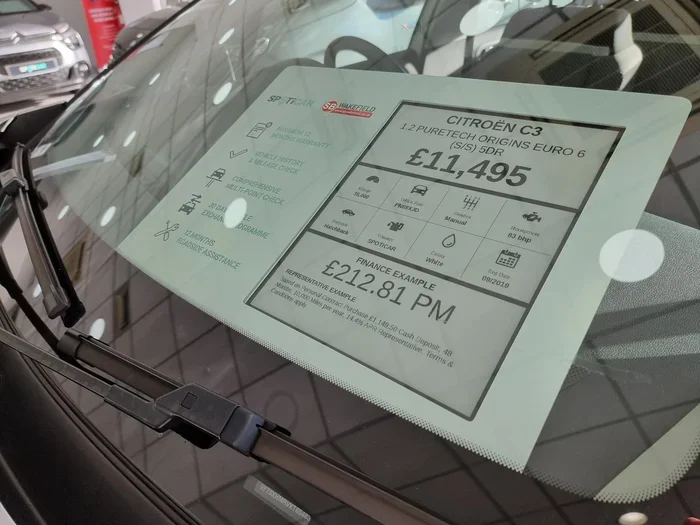
Retail value is what a dealership would charge a customer buying the car from them. This is the highest number because it includes the dealer’s profit margin, reconditioning costs, and overhead expenses. If you are buying a used car from a dealer, this is the price you will pay.
For most people, the private party value represents the best balance of effort and reward. You can typically get several hundred dollars more than the trade-in offer, and you do not have to deal with the complexities of running a dealership.
Common Mistakes People Make When Valuing a Car
Even with all the tools available today, people still make avoidable mistakes when determining their car’s worth. Here are the most common pitfalls to watch out for.
Relying on a Single Source. No one valuation tool is perfect. KBB might estimate your car at $12,000 while Edmunds says $11,500 and NADA says $12,800. Using just one number gives you an incomplete picture. Always cross-reference multiple sources.
Ignoring Local Market Data. National averages are helpful starting points, but they do not account for regional differences. A car that sells quickly in Texas might sit on the lot in Alaska. Always check what similar vehicles are going for in your specific area.
Overvaluing Emotional Attachments. If you have owned your car for ten years and it has sentimental value, it is easy to overestimate its worth. The fair market value of a car is based on objective market data, not personal feelings. Buyers will not pay extra because of your memories.
Skipping the Vehicle History Report. Not having a Carfax or AutoCheck report ready can undermine buyer confidence and lower your price. Always have this documentation available, whether you are selling or trading in.
Forgetting About Depreciation. Cars lose value over time. Understanding the depreciation curve for your specific model helps you set realistic expectations. Most vehicles lose about 15% to 25% of their value in the first year and continue declining steadily.
Expert Tips to Get the Best Deal on Your Car
Once you know the fair market value of a car, you are ready to negotiate. But knowing the number is only half the battle. These expert tips help you get the best possible outcome.
Clean and Detail Your Vehicle. First impressions matter enormously. A professionally detailed car photographs better, smells better, and feels more valuable to potential buyers. A thorough detailing job typically costs $100 to $300 but can increase your sale price by $500 or more.
Be Transparent About Condition. Disclose any known issues upfront. Buyers appreciate honesty, and it builds trust. Trying to hide problems almost always backfires and can ruin the deal.
Time Your Sale Strategically. Sell convertibles in spring, SUVs before ski season, and fuel-efficient cars when gas prices are rising. Timing your sale to match seasonal demand can net you a higher price.
Get Multiple Offers. Whether you are trading in or selling privately, get offers from multiple sources. Dealers compete for your business, and private buyers compete for your car. Multiple offers give you leverage and help you identify the true market value.
Consider a Certified Pre-Owned Program. If you are selling a relatively newer vehicle, certified pre-owned programs offer added value for buyers. These programs include extended warranties and thorough inspections, which can justify a higher asking price.
When in Doubt, Hire a Professional. For high-value vehicles, classic cars, or situations where precision matters, invest in a professional car appraisal. A certified appraiser will evaluate your vehicle comprehensively and provide a documented valuation that holds up in any context.
Conclusion
Finding the fair market value of a car does not have to be complicated or time-consuming. With the right tools and a systematic approach, you can get an accurate valuation in under an hour. Start with trusted resources like KBB, Edmunds, and NADA Guide. Factor in your vehicle’s condition, mileage, and local market trends. Understand the difference between trade-in, private party, and retail pricing. Avoid common mistakes, and use the data to negotiate with confidence.
Whether you are buying, selling, or trading in, knowing your numbers puts you in the driver’s seat. Take the time to do your research, and you will save money, avoid headaches, and walk away with a fair deal. The fair market value of a car is your strongest tool in any transaction. Use it wisely, and you will always come out ahead.
Frequently Asked Questions
What is the fastest way to find the fair market value of a car?
The fastest way is to use online valuation tools like Kelly Blue Book, Edmunds, or NADA Guide. You simply enter your vehicle’s details, and within minutes, you receive an estimated value based on current market data. For the most accurate result, compare numbers from all three tools.
Does mileage really affect the fair market value of a car that much?
Yes, mileage has a significant impact on market value. Lower mileage generally means a higher price because the vehicle has more useful life remaining. However, the type of mileage matters too. Highway miles tend to be less taxing on a vehicle than city miles, which can influence the valuation slightly.
Can I trust online car valuation tools completely?
Online tools are excellent starting points, but they should not be your only source. These tools use broad data and algorithms that may not account for your specific vehicle’s unique condition or local market factors. Always cross-reference with comparable listings in your area for the most accurate picture.
What is the difference between trade-in value and private party value?
Trade-in value is what a dealership offers you when you exchange your car for another vehicle. It is the lowest of the three main values because the dealer needs profit margin. Private party value is what you can expect when selling directly to another individual, which is typically several hundred dollars higher than trade-in.
How often should I check the fair market value of my car?
It is smart to check your car’s value at least once a year. Market conditions change seasonally, and your vehicle’s condition evolves over time. If you are planning to sell or trade in soon, check the value a few weeks before you list or visit a dealership to ensure you have the most current data.
Is a professional car appraisal worth the cost?
For most everyday vehicles, online tools provide sufficient accuracy. However, a professional appraisal is worth the cost for high-value cars, classic vehicles, or situations requiring documented proof of value, such as insurance claims or legal proceedings. A certified appraiser provides a detailed, defensible valuation that generic tools cannot match.