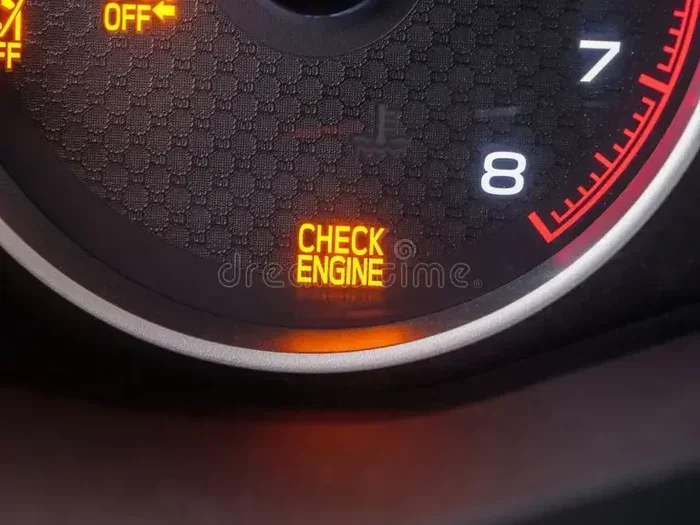
How Do I Manually Clear My Car Codes Without Tools
How Do I Manually Clear My Car Codes without expensive equipment? You can reset your check engine light using simple methods like the ignition cycle or battery disconnect. This guide walks you through each step, explains when manual clearing works, and highlights common mistakes to avoid. You will learn diagnostic trouble codes basics and how to clear engine codes safely at home.
Your check engine light suddenly glows on the dashboard, and panic sets in. You wonder what error is hiding in your car’s computer. Many drivers assume they need a pricey OBD-II scanner or a trip to the mechanic. But did you know you can manually clear car codes right from your driver’s seat? How Do I Manually Clear My Car Codes without any special equipment? The answer is simpler than you think.
This guide shows you exactly how to reset your engine codes using basic methods. You will learn what diagnostic trouble codes are, why they appear, and the safest way to clear them. I will share step-by-step instructions, quick tips, and common mistakes to avoid. By the end, you will feel confident tackling a check engine light reset on your own.
Key Takeaways
- Manual clearing is possible: You can reset car codes using the ignition key cycle or by disconnecting the battery without any special tools.
- Understand the codes first: Knowing what diagnostic trouble codes mean helps you decide if a manual reset is safe or if you need a real fix.
- Two main methods work: The ignition key method and the battery disconnect method are the most common ways to clear engine codes manually.
- Safety matters: Always follow precautions to protect your car’s computer and avoid airbag risks when working with the battery.
- Codes may return: If the underlying problem is not fixed, the check engine light will likely come back after a manual reset.
- No scanner needed: You can perform a reset check engine light procedure at home and save money on diagnostic fees.
- Know when to seek help: Some fault codes signal serious issues that require professional vehicle diagnostics.
📑 Table of Contents
What Are Car Codes and Why They Appear
Understanding Diagnostic Trouble Codes
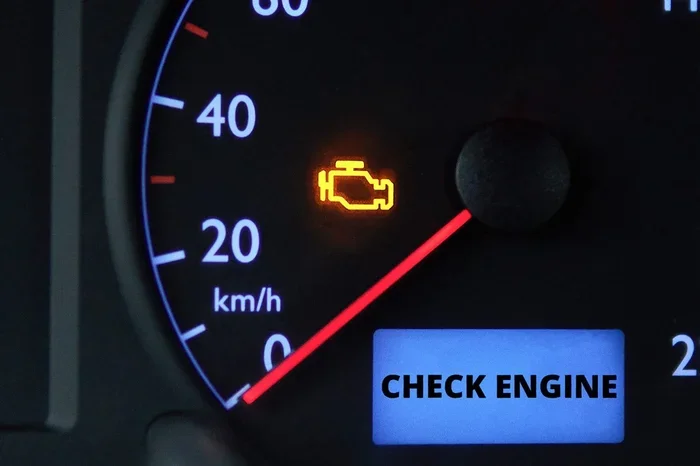
Every modern car has an onboard diagnostics system, often called OBD. This system constantly monitors sensors and components. When it finds a problem, it stores a diagnostic trouble code, or DTC. These codes are like error messages that tell you what went wrong. The check engine light is the visual signal that a code has been saved.
A fault code might point to something minor, like a loose gas cap. It could also signal a serious issue, such as a failing catalytic converter. The code itself is a letter followed by four numbers, like P0301. Each code has a specific meaning. You can look up the meaning online or with a car diagnostic tool later.
Common Reasons for the Check Engine Light
Many things can trigger a check engine light. Here are some of the most common causes:
- Loose or damaged gas cap: A loose cap lets fuel vapors escape, which sets a code.
- Faulty oxygen sensor: This sensor measures exhaust gases and helps the engine run efficiently.
- Clogged catalytic converter: A failing converter reduces engine performance and increases emissions.
- Spark plug or ignition coil issues: Misfires often cause rough running and stored codes.
- Mass airflow sensor problems: A dirty or broken sensor affects the air-fuel mixture.
Knowing the root cause helps you decide whether a manual reset makes sense. If the issue is minor, clearing the code might solve the problem temporarily. If the problem is serious, a reset will not fix it.
How Do I Manually Clear My Car Codes Without Tools
How Do I Manually Clear My Car Codes without a scanner? You have two reliable methods. Both work by interrupting the power to the car’s computer, which erases stored engine codes. I will walk you through each method step by step. These techniques are safe for most vehicles when done correctly.
Method 1: The Ignition Key Cycle
The ignition key cycle is the most popular manual method. It does not require any tools or battery removal. This method works on many older cars and some newer models. Here is how to do it:
- Turn the ignition key to the “ON” position without starting the engine.
- Within five seconds, press the accelerator pedal all the way down and hold it for ten seconds.
- Release the pedal and turn the ignition key back to the “OFF” position.
- Wait at least thirty seconds, then start the engine.
- Check if the check engine light stays off.
This process forces the car’s engine control unit to clear short-term memory. Some diagnostic trouble codes will be erased. If the light stays off, the reset worked. If the light returns, the underlying issue needs attention.
Method 2: Disconnecting the Battery
Disconnecting the battery is a more aggressive way to clear car codes. It resets all stored memory in the ECU, including radio presets and clock settings. Use this method only if the key cycle does not work or if you need a full reset.
- Turn off the engine and remove the keys.
- Open the hood and locate the car battery.
- Use a wrench to loosen the negative terminal bolt first. Always remove the negative cable first to avoid short circuits.
- Disconnect the negative cable and let it sit for at least fifteen minutes.
- Reconnect the negative cable and tighten the bolt.
- Start the engine and check if the check engine light is off.
Some cars may need a longer battery disconnect, up to thirty minutes, to fully clear the fault codes. After reconnecting, drive the car for a few minutes. The engine light should remain off if the reset was successful.
Step-by-Step Guide to Clearing Codes Manually
Preparation Before You Start
Before you attempt any reset, take a few simple steps to protect yourself and your car:
- Note the code: If you can see the code on the dashboard or through the odometer, write it down. This helps you track what was stored.
- Gather basic items: You need only a wrench for the battery method and your car keys.
- Find a safe workspace: Work in a flat, well-ventilated area away from open flames.
- Check the battery: Ensure the battery is fully charged. A weak battery can cause problems during the reset.
Quick Tips for a Successful Reset
Follow these quick tips to make the process smoother:
- Never reset while driving: Always turn the ignition off before disconnecting anything.
- Keep the key away from the ignition during battery work: This prevents accidental starts.
- Wait the full time: Do not reconnect the battery after only one minute. Give the car computer enough time to fully reset.
- Drive after resetting: Take a short test drive to see if the check engine light returns.
Common Mistakes to Avoid
Many people make mistakes when trying to clear engine codes manually. Here are the most common ones:
- Removing the positive terminal first: This can cause sparks and damage the electrical system. Always remove the negative terminal first.
- Ignoring the underlying problem: A reset will not fix a broken sensor or a misfire. The light will return if the problem persists.
- Not waiting long enough: Rushing the battery disconnect may leave residual power in the capacitors. Wait at least fifteen minutes.
- Resetting without a code: If you do not know what the code was, you cannot verify if the fix worked.
When Manual Clearing Works and When It Does Not
Manual resetting works best for temporary or minor issues. For example, if a loose gas cap triggered the check engine light, tightening it and resetting the code often solves the problem. The light will stay off because the fault code was not a real failure.
However, manual clearing does not fix hardware problems. If your oxygen sensor is failing, the code will return within a few drives. The same goes for a misfiring engine or a clogged catalytic converter. In those cases, you need actual repairs, not just a reset.
Temporary vs. Permanent Fixes
Think of a manual reset as a temporary erase. It clears the engine light and removes the stored code from short-term memory. But if the root cause remains, the car’s computer will detect the problem again and set the code anew. A permanent fix requires diagnosing and repairing the actual fault.
Codes That Keep Coming Back
If you clear a diagnostic trouble code and it returns within a day or two, you have a real problem. Common recurring codes include:
- P0300-P0308: Engine misfire codes that point to spark plugs, coils, or fuel injectors.
- P0420: Catalyst system efficiency code, often indicating a failing catalytic converter.
- P0171: System too lean code, which may stem from vacuum leaks or a faulty fuel pump.
For these codes, a manual reset only hides the symptom. You need proper car maintenance or professional vehicle diagnostics.
Important Safety Tips and Precautions
Protecting Your Car’s Computer
The engine control unit is sensitive to power surges. When you disconnect the battery, you cut power to the entire electrical system. This can sometimes cause the ECU to forget learned adaptive values, like idle speed settings. In most cases, the computer relearns these values after a few drives. However, some modern cars may need a reset check engine light procedure with a scanner to relearn idle trim.
Avoiding Common Risks
Safety is important when working with car batteries. Follow these precautions:
- Wear safety glasses: Battery acid can splash and cause burns.
- Turn off all accessories: Before disconnecting, make sure the radio, lights, and HVAC are off.
- Keep metal tools away from the battery: A wrench touching both terminals can create a spark.
- Do not smoke: Batteries produce hydrogen gas, which is flammable.
If you feel unsure about any step, stop and consult a professional. Clearing engine codes manually is simple, but safety always comes first.
Final Thoughts
How Do I Manually Clear My Car Codes without tools? You now know two effective methods: the ignition key cycle and the battery disconnect. Both can reset your check engine light and erase minor diagnostic trouble codes. Remember that a manual reset is not a permanent fix. It clears the light and the code, but it does not repair the underlying problem.
Use these methods for temporary situations, like a loose gas cap or a one-time sensor glitch. If the light returns or you see a serious fault code, seek proper repairs. Taking care of your car with regular car maintenance helps prevent many engine codes in the first place. With the right knowledge, you can handle a check engine light reset confidently and save time and money.
| Method | Tools Needed | Best For | Resets All Memory? |
|---|---|---|---|
| Ignition Key Cycle | Car key only | Minor codes, older cars | No, clears short-term codes only |
| Battery Disconnect | Wrench, safety glasses | Stubborn codes, full reset | Yes, clears all stored codes and adaptive values |
| OBD-II Scanner (for comparison) | Scanner device | Precise code reading and selective clearing | Yes, can clear specific codes without losing other data |
FAQ: How Do I Manually Clear My Car Codes?
Can I clear car codes without an OBD-II scanner?
Yes, you can clear most engine codes without a scanner. The ignition key cycle and battery disconnect methods work on many vehicles. These manual methods erase stored diagnostic trouble codes by cutting power to the car’s computer. However, some newer cars may require a scanner for a complete reset.
Will disconnecting the battery erase all my car settings?
Disconnecting the battery will reset many settings, including the radio presets, clock, and some adaptive learning values. The engine control unit may also forget idle trim and shift points. Most cars relearn these values after a few normal drives. You may need to reset your radio stations and clock after a battery disconnect.
How long should I disconnect the battery to clear codes?
Fifteen to thirty minutes is usually enough to clear fault codes. Some cars need only ten minutes, while others benefit from a longer wait. After disconnecting, reconnect the negative terminal and start the engine. If the check engine light stays off, the reset worked. If it returns, the underlying problem is still present.
Is it safe to drive with the check engine light on after a reset?
It depends on the cause. If you reset the light because of a loose gas cap, it is generally safe to drive. If the light returns immediately or flashes, stop driving and inspect the car. A flashing check engine light often signals a serious misfire that can damage the catalytic converter. In that case, tow the car to a mechanic.
Can clearing codes damage my car?
No, clearing codes manually will not damage your car. The ignition key cycle and battery disconnect are safe procedures when followed correctly. The only risk is losing radio presets or adaptive settings, which the car will relearn over time. Always remove the negative battery cable first to avoid short circuits.
Why did my check engine light come back after I cleared it?
The light returns because the original problem was not fixed. A manual reset only erases the stored code from memory; it does not repair the faulty part. If the check engine light comes back within a few days, you have a real issue that needs attention. Use a scanner to read the code again and address the root cause.