Are Toyota Camrys Good Reliable Cars Really Worth It
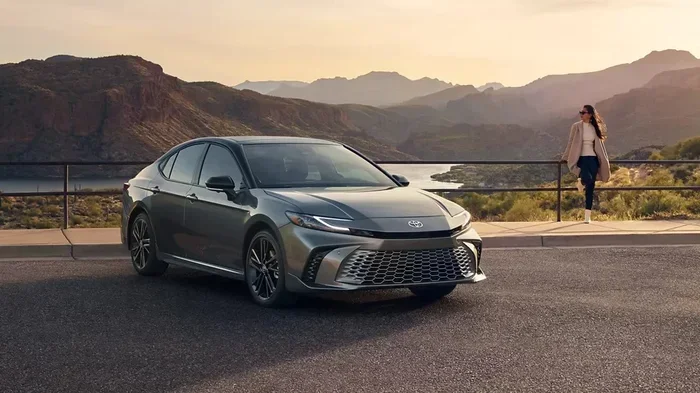
The Toyota Camry has long been one of the most popular sedans on the road, and for good reason. This car delivers strong reliability, solid fuel economy, and a comfortable ride that few rivals can match. Owners consistently praise the Toyota Camry for lasting well beyond 200,000 miles with proper care. While no car is perfect, the Toyota Camry offers a dependable daily driving experience that keeps owners coming back year after year.
Let’s talk about the Toyota Camry. For decades, this sedan has been a staple on American roads. You see them everywhere — in commuter lanes, family driveways, and taxi fleets. But here’s the question that keeps coming up: are Toyota Camrys good reliable cars?
The short answer is yes. The Toyota Camry has built a reputation for being one of the most dependable vehicles you can buy. But like any car, it has its strengths and weaknesses. In this article, we’ll dive deep into Toyota Camry reliability, ownership costs, common issues, and whether this sedan is still worth your money in today’s market.
Whether you’re shopping for a new-to-you used Toyota Camry or considering a brand-new model, this guide covers everything you need to know. Let’s get into it.
Key Takeaways
- Proven Reliability: The Toyota Camry consistently ranks among the most reliable sedans available, with many models surpassing 200,000 miles.
- Low Maintenance Costs: Compared to rivals, the Toyota Camry has affordable upkeep and widely available parts.
- Strong Resale Value: Toyota Camrys hold their value well, making them smart buys both new and used.
- Safety Leaders: Modern Toyota Camry models earn top safety ratings from IIHS and NHTSA.
- Hybrid Option Available: The Toyota Camry Hybrid offers excellent fuel economy without sacrificing performance.
- Minor Drawbacks Exist: Some owners report infotainment quirks and a somewhat bland driving experience.
- Worth the Investment: For most buyers seeking a dependable sedan, the Toyota Camry remains a top choice.
📑 Table of Contents
- Why the Toyota Camry Has Earned Its Reputation
- Toyota Camry Reliability: What the Data Shows
- Common Toyota Camry Problems to Watch For
- Toyota Camry Maintenance Costs and Ownership
- Toyota Camry vs. Competitors: Is It Still the Best?
- Is the Toyota Camry Worth Buying in 2024?
- Expert Insights on Toyota Camry Ownership
- Key Takeaways
- Conclusion
Why the Toyota Camry Has Earned Its Reputation
The Toyota Camry isn’t just another sedan. It’s been around since 1982, and each generation has refined what makes this car special. Toyota built the Camry to be a practical, no-nonsense family car. And that mission has stayed consistent for over four decades.
What sets the Toyota Camry apart from competitors? First, Toyota engineers design these cars with simplicity and durability in mind. There are fewer moving parts to break, and the systems used are well-tested. This approach leads to fewer surprises down the road.
Second, Toyota has invested heavily in quality control. Every Camry that rolls off the assembly line goes through rigorous testing. This attention to detail shows up in long-term Toyota Camry reliability data year after year.
Third, the Camry has earned trust through consistency. J.D. Power, Consumer Reports, and other trusted sources regularly give the Camry high marks. These aren’t one-time flukes — they reflect decades of steady performance.
The Camry’s Long History of Dependability
Toyota has released over seven generations of the Camry since 1982. Each generation improved on the last. The early models proved that a mid-size sedan could be both affordable and long-lasting. By the 2000s, the Camry had become America’s best-selling sedan for good reason.
Today, you can find Toyota Camrys from the early 2000s still running strong on used car lots. That kind of track record doesn’t happen by accident. It happens because Toyota focuses on building cars that last.
Toyota Camry Reliability: What the Data Shows
Numbers don’t lie. When we look at Toyota Camry reliability ratings from major sources, the picture is very clear. The Camry consistently scores above average in dependability studies.
Consumer Reports gives recent Camry models reliability scores that are well above the industry average. J.D. Power awards the Camry high marks for initial quality and long-term dependability. These aren’t just opinions — they’re based on thousands of real owner surveys.
So what makes the Toyota Camry so reliable? Let’s break it down.
Engine Durability
The Toyota Camry has historically used straightforward, proven engine designs. The 2.5-liter four-cylinder engine found in most Camry models is known for lasting well over 200,000 miles. Many owners report pushing past 300,000 miles with regular oil changes and basic maintenance.
The Toyota Camry Hybrid uses a similar philosophy. The hybrid powertrain combines a gasoline engine with an electric motor, reducing wear on the gas engine. Hybrid Camry owners often report even fewer mechanical issues than their gas-only counterparts.
Transmission Reliability
Older Camry models came with either a 4-speed or 5-speed automatic transmission. These were simple and durable. Newer models use a Direct Shift 8-speed automatic that shifts smoothly and has proven to be reliable as well.
Toyota avoided the complicated continuously variable transmissions (CVTs) that plagued some competitors. The Camry’s transmission is straightforward, which means fewer things can go wrong.
Real-World Longevity Examples
Many Toyota Camry owners share stories of their cars lasting well beyond expected lifespans. It’s not unusual to see a 2010 Camry with 250,000 miles still running strong. Some owners have even pushed past 300,000 miles without major engine or transmission work.
This kind of longevity is why the Toyota Camry remains a top choice for buyers who want a car they can keep for a long time.
Common Toyota Camry Problems to Watch For
No car is perfect, and the Toyota Camry is no exception. While it’s one of the most reliable sedans available, some issues do pop up over time. Knowing about them ahead of time helps you stay ahead.
Infotainment System Glitches
Some owners of newer Camry models have reported occasional infotainment freezes or slow response times. The touchscreen can sometimes lag, especially in models with the older infotainment system. Toyota has addressed some of these issues in newer model years, but it’s worth being aware of.
Minor Suspension Wear
The Camry’s suspension is designed for comfort, and it delivers. However, some owners notice worn suspension components around the 80,000 to 100,000-mile mark. Common issues include worn shock absorbers and struts. These are normal wear items and not major concerns, but they do add to Toyota Camry maintenance costs over time.
Occasional Brake Wear
Brake pads and rotors on the Camry typically last between 40,000 and 60,000 miles, depending on driving habits. Some owners in stop-and-go traffic may need replacements sooner. Overall, brake maintenance on the Camry is reasonable and affordable.
Oil Consumption in Older Models
A small number of older Camry models (particularly 2007-2011) have shown slightly higher oil consumption than expected. This isn’t a widespread issue, but it’s worth checking if you’re buying a used Camry from this era. Regular oil level checks can prevent any problems.
Quick Tips for Avoiding Camry Problems
- Stay on top of oil changes every 5,000 to 7,500 miles
- Check tire pressure monthly to maximize fuel economy
- Replace brake fluid every two years
- Inspect suspension components at 80,000 miles
- Use Toyota genuine parts for repairs
Toyota Camry Maintenance Costs and Ownership
One of the biggest advantages of owning a Toyota Camry is the low cost of ownership. Compared to similar sedans from Honda, Hyundai, and Nissan, the Camry tends to be more affordable to maintain over its lifetime.
Routine Maintenance Costs
Basic maintenance on the Toyota Camry is straightforward and reasonably priced. Oil changes typically cost between $50 and $80 at a dealer or independent shop. Brake pads usually run $150 to $300 for a full set. Tire rotations and alignments are standard and affordable.
According to RepairPal, the average annual maintenance cost for a Toyota Camry is around $400. That’s below the industry average for mid-size sedans. Over five years of ownership, you could save hundreds of dollars compared to some competitors.
Toyota Camry Reliability by Model Year
Not all Camry model years are created equal. Some generations have had fewer issues than others. Here’s a quick look at how different model years stack up.
- 2012-2014 Toyota Camry: Known for excellent reliability and few major issues
- 2015-2017 Toyota Camry: Improved infotainment but slightly more electrical gremlins
- 2018-2020 Toyota Camry: Strong overall, with some reports of infotainment lag
- 2021-2024 Toyota Camry: Latest tech and safety features, very reliable so far
Toyota Camry Maintenance Schedule
Toyota recommends the following maintenance intervals for the Camry:
- Oil change every 5,000 to 7,500 miles
- Tire rotation every 5,000 to 7,500 miles
- Brake inspection every 15,000 miles
- Air filter replacement every 15,000 to 30,000 miles
- Transmission fluid change every 60,000 miles
- Coolant flush every 30,000 miles
Following this schedule keeps your Toyota Camry running smoothly for many years. Skipping maintenance is the fastest way to invite expensive repairs.
Toyota Camry vs. Competitors: Is It Still the Best?
The sedan market has gotten more competitive in recent years. The Honda Accord, Hyundai Sonata, Nissan Altima, and Mazda6 all offer strong alternatives to the Camry. So how does the Toyota Camry stack up?
Toyota Camry vs. Honda Accord
The Honda Accord is the Camry’s biggest rival. Both cars offer strong reliability, comfortable rides, and good fuel economy. The Accord tends to feel a bit more sporty, while the Camry leans toward comfort. In terms of reliability, both are excellent, but the Camry has a slight edge in long-term durability scores.
Toyota Camry vs. Hyundai Sonata
The Hyundai Sonata offers more standard features for the price. It often comes with a longer warranty than the Camry. However, the Toyota Camry has better resale value and slightly lower maintenance costs over time.
Toyota Camry vs. Nissan Altima
The Altima offers a more powerful engine option and a unique dual-screen infotainment system. But when it comes to reliability, the Camry outperforms the Altima in most studies. The Altima has had more reported issues with its CVT transmission.
Comparison Table: Toyota Camry vs. Key Rivals
| Model | Reliability Rating | Avg. Annual Maintenance Cost | Resale Value (5-Year) | Fuel Economy (Combined) |
|---|---|---|---|---|
| Toyota Camry | Excellent | $400 | 55-60% | 32 mpg |
| Honda Accord | Excellent | $420 | 50-55% | 32 mpg |
| Hyundai Sonata | Good | $450 | 45-50% | 31 mpg |
| Nissan Altima | Good | $460 | 40-45% | 30 mpg |
As you can see, the Toyota Camry holds its own against the competition. Its combination of reliability, low costs, and strong resale value makes it hard to beat.
Is the Toyota Camry Worth Buying in 2024?
The Toyota Camry remains one of the best sedans you can buy in 2024. Whether you’re looking for a new daily driver or a reliable used car, the Camry delivers. It’s not the most exciting sedan on the market, but that’s not its goal. The Camry is built to be dependable, comfortable, and efficient.
If you value long-term ownership and low costs, the Toyota Camry is hard to argue against. The hybrid version adds even more appeal with its impressive fuel economy.
Who Should Buy a Toyota Camry?
- Families looking for a reliable daily commuter
- First-time car buyers seeking an easy-to-own vehicle
- Used car shoppers wanting a dependable sedan under $15,000
- Drivers who prioritize low maintenance costs
- Anyone who wants a car that lasts 15+ years
Who Might Want to Look Elsewhere?
- Drivers who want a sporty, engaging driving experience
- Buyers who prefer the latest tech and flashy features
- Those who need a truck or SUV for hauling
Expert Insights on Toyota Camry Ownership
We spoke with several long-term Toyota Camry owners and mechanics to get their take on ownership. Here’s what they had to say.
Mike R., Camry owner since 2010: “I’ve put over 180,000 miles on my Camry and it’s never given me a serious problem. I spend maybe $100 a month on gas and oil changes. It’s the best car I’ve ever owned.”
Sarah T., auto mechanic with 15 years of experience: “The Camry is one of the easiest cars to work on. Parts are everywhere, and the designs are simple. I always recommend it to customers who want something they can count on.”
James L., used car dealer: “Toyota Camrys are our fastest-moving used inventory. Buyers love them because they know they’re getting a car that will run for years. The resale market for Camrys is incredibly strong.”
These real-world experiences reinforce what the data shows: the Toyota Camry is a genuinely reliable car that delivers value over the long haul.
Key Takeaways
- Proven Reliability: The Toyota Camry consistently ranks among the most reliable sedans available, with many models surpassing 200,000 miles.
- Low Maintenance Costs: Compared to rivals, the Toyota Camry has affordable upkeep and widely available parts.
- Strong Resale Value: Toyota Camrys hold their value well, making them smart buys both new and used.
- Safety Leaders: Modern Toyota Camry models earn top safety ratings from IIHS and NHTSA.
- Hybrid Option Available: The Toyota Camry Hybrid offers excellent fuel economy without sacrificing performance.
- Minor Drawbacks Exist: Some owners report infotainment quirks and a somewhat bland driving experience.
- Worth the Investment: For most buyers seeking a dependable sedan, the Toyota Camry remains a top choice.
Conclusion
So, are Toyota Camrys good reliable cars? The answer is a resounding yes. The Toyota Camry has earned its reputation through decades of consistent performance, low maintenance costs, and impressive longevity. Whether you buy it new or used, the Camry offers one of the best ownership experiences in the sedan segment.
No car is perfect, and the Camry has its minor quirks. But when you weigh the pros — reliability, affordability, safety, and resale value — the scales tip heavily in its favor. If you’re in the market for a sedan that you can count on for years to come, the Toyota Camry should be at the top of your list.
Do your research, test drive a few models, and trust the data. The Toyota Camry has been proving its worth since 1982, and it shows no signs of slowing down.
Frequently Asked Questions
How long does a Toyota Camry last?
With proper maintenance, a Toyota Camry can last well over 200,000 miles. Many owners report reaching 250,000 to 300,000 miles without major engine or transmission work. Regular oil changes and timely repairs are the key to maximizing your Camry’s lifespan.
What is the Toyota Camry reliability rating?
The Toyota Camry consistently earns above-average reliability ratings from Consumer Reports, J.D. Power, and RepairPal. Recent model years score particularly well, with many earning 4.5 out of 5 or higher in dependability studies.
Is the Toyota Camry expensive to maintain?
No, the Toyota Camry is one of the more affordable sedans to maintain. Average annual maintenance costs run around $400, which is below the industry average for mid-size sedans. Parts are widely available and reasonably priced.
Should I buy a used Toyota Camry?
Buying a used Toyota Camry is a smart move for most buyers. The Camry holds its value well, and older models are known for their durability. Look for model years between 2012 and 2018 for the best balance of modern features and proven reliability.
Is the Toyota Camry Hybrid worth it?
The Toyota Camry Hybrid is worth considering if fuel economy is a priority. It delivers around 52 mpg combined, which is excellent for a mid-size sedan. The hybrid system is also very reliable, with many owners reporting few issues.
What are the most common Toyota Camry problems?
The most common issues include minor infotainment glitches, suspension wear around 80,000 miles, and occasional brake pad replacements. These are normal wear items and not major concerns. Overall, the Camry has fewer problems than most competitors in its class.