Are Toyota Batteries Good for Long Lasting Performance
Are Toyota Batteries Good for long-lasting performance? Absolutely. Toyota batteries are built to deliver reliable power and exceptional durability, making them a smart choice for anyone who wants a long-lasting battery that won’t quit. In this guide, we’ll break down their real-world lifespan, key features, and simple maintenance tips to keep your Toyota running strong for years.
Are Toyota Batteries Good for long-lasting performance? The answer is a clear and confident yes. Toyota batteries are engineered to meet the exact demands of Toyota vehicles, delivering consistent power in all conditions. Whether you drive a Camry, Corolla, or RAV4, you get a battery designed for your specific engine and electrical system. These batteries offer impressive durability, solid warranty coverage, and a reputation for reliability that few competitors can match. If you want a battery that keeps your Toyota running strong mile after mile, you are in the right place.
Now that you know Toyota batteries are a solid choice, let us dive deeper. Many drivers wonder if their current battery can handle daily commutes, road trips, and extreme weather. The truth is, Toyota engineers these power units with precision. They use high-quality materials and rigorous testing to ensure every unit meets strict standards. Whether you are starting your car on a freezing winter morning or powering accessories on a hot summer day, a Toyota battery is up to the task. In the sections below, we will explore lifespan, OEM vs aftermarket options, warning signs, and maintenance tips so you can make the best decision for your vehicle.
Key Takeaways
- Toyota batteries are built to last: Most last 5–7 years with proper care, offering reliable long-lasting performance.
- OEM batteries come with strong warranties: Toyota’s original equipment batteries often include 3–5 year coverage.
- Aftermarket options can save money: Quality brands like Interstate or DieHard offer solid alternatives at lower prices.
- Watch for warning signs: Slow cranking, dim lights, and dashboard alerts signal a fading battery.
- Simple maintenance extends life: Cleaning terminals and avoiding short trips keeps your battery healthy.
- Hybrid batteries are different: They last much longer but require specialized care.
📑 Table of Contents
Are Toyota Batteries Good? The Short Answer
Toyota batteries earn top marks for reliability. They are built with advanced lead-acid or absorbed glass mat (AGM) technology, depending on the model. This means they handle the electrical demands of modern cars with ease. Unlike generic car batteries, Toyota batteries are tested to match the specific voltage and cold cranking amps (CCA) requirements of each engine. You get a perfect fit, stable power delivery, and a longer service life. The result is a battery that rarely lets you down, even in tough conditions.
Another reason Toyota batteries stand out is the brand’s commitment to quality control. Every battery goes through multiple inspection stages. They are checked for plate integrity, seal quality, and charge retention. This level of scrutiny ensures that your Toyota battery performs exactly as advertised. Many owners report getting 6 years or more from a single unit. That kind of consistency builds trust. When you invest in a Toyota battery, you are choosing peace of mind.
Toyota also designs its batteries to work seamlessly with the car’s computer systems. Modern Toyotas rely heavily on electronic control units. A weak or mismatched battery can cause error codes, starting problems, and even damage to sensitive electronics. Toyota batteries are calibrated to avoid these issues. They provide clean, stable power that protects your vehicle’s brain. This smart integration is a huge advantage over off-the-shelf alternatives.
How Long Do Toyota Batteries Last?
Factors That Affect Battery Life
Battery longevity depends on several key factors. Understanding these can help you get the most out of your Toyota battery. Here are the main influences:
- Driving habits: Short trips that do not fully recharge the battery shorten its life. Frequent short drives cause sulfation, which reduces capacity over time.
- Climate: Extreme heat accelerates internal corrosion. Very cold temperatures reduce cranking power. Both extremes stress the battery.
- Electrical load: Leaving lights, accessories, or devices on while the engine is off drains the battery. Modern cars with many electronic features put extra demand on the battery.
- Maintenance: Dirty terminals and loose connections create resistance. This forces the battery to work harder, which wears it out faster.
- Battery age: All batteries degrade over time. After 3 years, you should start monitoring battery health closely.
By managing these factors, you can push your Toyota battery past the average lifespan. A well-maintained battery in a mild climate can easily last 7 years. In harsh conditions, 4 to 5 years is more realistic. The key is proactive care.
Typical Lifespan by Toyota Model
Different Toyota models place different demands on the battery. Here is a general guide based on real-world owner reports.
- Toyota Corolla: 5–6 years. The Corolla is a compact sedan with moderate electrical needs. Its battery is a standard group size that is easy to replace.
- Toyota Camry: 5–7 years. The Camry’s larger engine and more advanced electronics require a robust battery. Many owners report crossing the 6-year mark.
- Toyota RAV4: 5–6 years. The RAV4 uses a battery that handles both starting and auxiliary power. Hybrid RAV4 models have a separate hybrid battery that lasts much longer.
- Toyota Tacoma: 4–6 years. Trucks often have higher parasitic draws from accessories and alarms. Regular use helps keep the battery strong.
- Toyota Prius (Hybrid): The hybrid battery pack can last 8–10 years or more. The 12-volt auxiliary battery is similar to other Toyotas and lasts 4–6 years.
These numbers are averages. Your actual experience may vary based on how you use and care for your vehicle.
OEM vs Aftermarket Toyota Batteries
What Is an OEM Battery?
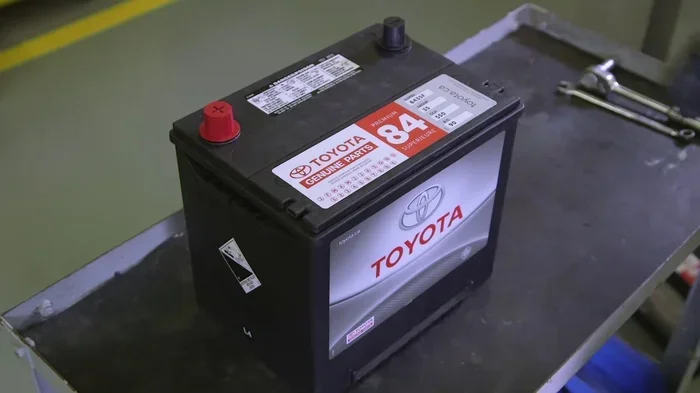
An OEM battery is the original equipment battery installed at the factory. When you buy a new Toyota, the battery is a Toyota genuine part. It is designed and tested by Toyota to meet the exact specifications of your vehicle. OEM batteries come with a Toyota warranty, typically 3 to 5 years. This warranty gives you direct support from your dealer. The fit is perfect, the terminals align correctly, and the CCA rating matches the engine’s needs. For many owners, the OEM battery is the safest and most convenient choice.
One downside of OEM batteries is the price. They often cost more than aftermarket options. However, the warranty and peace of mind can justify the extra cost. If you plan to keep your Toyota for a long time, an OEM battery is a solid investment. It also helps maintain the vehicle’s resale value, as a documented OEM battery replacement looks good in service records.
Aftermarket Options Worth Considering
Aftermarket batteries are made by third-party manufacturers. Brands like Interstate, DieHard, and AC Delco are popular choices. These batteries often meet or exceed Toyota’s specifications. They can be a great way to save money without sacrificing quality. Many aftermarket batteries come with their own warranties, usually 3 to 4 years. You can find them at auto parts stores, online retailers, and local shops.
When choosing an aftermarket battery, check the group size, CCA rating, and terminal placement. You want a battery that fits snugly and matches your Toyota’s electrical demands. A quality aftermarket battery can perform just as well as an OEM unit. The key is to buy from a reputable brand. Avoid the cheapest no-name batteries, as they may use inferior internal components.
| Feature | OEM Toyota Battery | Quality Aftermarket Battery |
|---|---|---|
| Warranty | 3–5 years | 3–4 years |
| Price Range | $150–$300 | $100–$250 |
| Fit and Finish | Perfect match | Good match, minor adjustments |
| Cold Cranking Amps (CCA) | Meets Toyota spec | Often meets or exceeds spec |
| Availability | Toyota dealer only | Auto parts stores, online |
Both options are valid. Your choice depends on your budget, how long you plan to keep the vehicle, and how much you value the dealer warranty.
Warning Signs Your Toyota Battery Is Failing
Common Symptoms of a Weak Battery
Your Toyota will tell you when the battery is struggling. Catching these signs early can save you from a frustrating roadside breakdown. Here are the most common warning signals:
- Slow engine crank: The engine turns over slowly when you turn the key. This is the number one sign of a weak battery.
- Dim headlights: If your headlights are noticeably dim when idling, the battery may not be holding a full charge.
- Electrical issues: Power windows move slowly, the radio resets, or the dashboard lights flicker. These are all signs of low voltage.
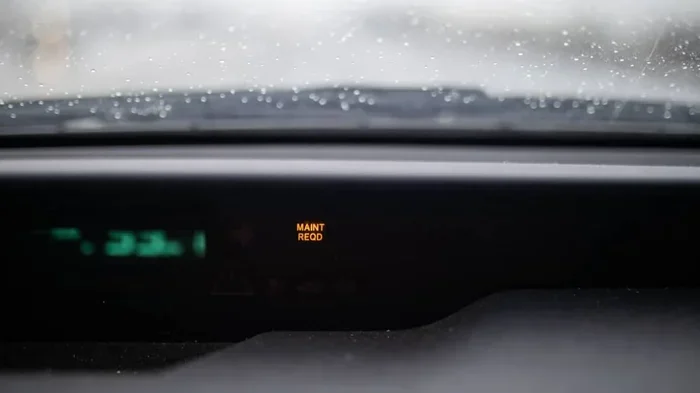
- Dashboard battery light: A red battery warning light on the dashboard means the charging system or battery has a problem.
- Swollen battery case: A bloated or cracked case indicates internal damage, often caused by extreme heat or overcharging.
- Battery terminals with corrosion: A white or blue powdery buildup on the terminals creates resistance and can prevent proper current flow.
If you notice any of these symptoms, do not ignore them. A failing battery can leave you stranded. Testing the battery early gives you time to plan a replacement.
Testing Your Battery at Home
You can check your battery health with a simple multimeter. Set the multimeter to DC voltage. Touch the red probe to the positive terminal and the black probe to the negative terminal. A fully charged battery should read 12.6 volts or higher. If it reads below 12.4 volts, the battery is partially discharged. A reading of 12.2 volts or lower suggests the battery is weak and may need replacement.
You can also perform a load test with a dedicated battery tester. These tools are available at most auto parts stores. They simulate the electrical load of starting the engine and tell you if the battery can hold a charge under stress. If you are unsure, many Toyota dealers and repair shops will test your battery for free. This quick check can save you a lot of guesswork.
Tips to Extend Your Toyota Battery Life
Simple Maintenance Habits
Taking care of your battery does not require a lot of time. A few simple habits can add years to its life. Here are the best practices:
- Keep the terminals clean: Use a wire brush and a baking soda solution to remove corrosion from the terminals. Wipe them dry and apply a thin layer of petroleum jelly to prevent future buildup.
- Avoid short trips: Short drives do not give the alternator enough time to fully recharge the battery. Take longer drives when possible to keep the battery healthy.
- Turn off accessories before shutting off the engine: This reduces the load on the battery during startup. It also prevents electrical surges when the battery is in a vulnerable state.
- Use a battery tender: If you park your Toyota for long periods, a battery tender maintains a gentle charge. This is especially helpful for seasonal vehicles or daily drivers that sit for days.
- Check the battery hold-down: A loose battery vibrates, which can damage the internal plates. Make sure the battery is securely fastened in its tray.
These small actions add up. A well-maintained Toyota battery will reward you with reliable starts and consistent performance.
When to Replace Your Battery
Even with the best care, every battery eventually needs replacement. As a general rule, replace your Toyota battery every 4 to 5 years as a preventive measure. If you experience any of the warning signs mentioned earlier, get the battery tested immediately. A professional load test will tell you if the battery can still hold a charge. Do not wait until the battery dies completely. A dead battery can damage the alternator and other electrical components, leading to expensive repairs.
The average battery replacement cost for a Toyota ranges from $100 to $300, depending on the model and battery type. OEM batteries tend to be on the higher end, while aftermarket options are more affordable. The cost of labor is usually modest, especially if you buy the battery from the same shop. Many stores offer free installation with purchase. Always recycle your old battery properly. Toyota dealers and auto parts stores accept used batteries for recycling, which is good for the environment.
Are Toyota Batteries Worth the Investment?
The short answer is yes. Toyota batteries deliver long-lasting performance, reliable starting power, and strong warranty protection. They are designed specifically for Toyota vehicles, which means they integrate perfectly with the car’s systems. Whether you choose an OEM battery or a quality aftermarket alternative, you are getting a product that has been tested to meet high standards. The battery life you get from a Toyota battery is hard to beat, especially when combined with simple maintenance habits.
If you are currently shopping for a new battery, consider your driving patterns and budget. For daily commuters who need trouble-free reliability, the OEM Toyota battery is a top pick. For those looking to save a little money without sacrificing quality, a reputable aftermarket battery is a great alternative. Either way, you are investing in the heart of your vehicle. A healthy battery means fewer worries, fewer breakdowns, and more miles of enjoyable driving.
Take a moment to check your current battery’s age and condition. If it is more than 3 years old, a proactive test can give you valuable peace of mind. Keep your terminals clean, drive a little longer when you can, and never ignore warning signs. With the right care, your Toyota battery will serve you well for many years to come. Trust in Toyota engineering, and you will never be left in the dark.
Frequently Asked Questions
How long do Toyota batteries typically last?
Most Toyota batteries last between 5 and 7 years. The exact lifespan depends on your driving habits, climate, and how well you maintain the battery. Regular testing after the 3-year mark helps you stay ahead of any problems.
Can I use an aftermarket battery instead of an OEM Toyota battery?
Yes, you can. Quality aftermarket brands like Interstate and DieHard often meet or exceed Toyota specifications. Just make sure the group size, CCA rating, and terminal placement match your vehicle. A good aftermarket battery can save you money while still delivering reliable performance.
What is the average cost to replace a Toyota battery?
The total cost typically ranges from $100 to $300. OEM batteries are on the higher end, while aftermarket options are more affordable. Labor costs are usually minimal, and many stores offer free installation with your purchase.
How do I know if my Toyota battery needs replacing?
Watch for slow cranking, dim headlights, flickering dashboard lights, and a battery warning light on the dash. A swollen case or heavy corrosion on the terminals are also clear signs. A simple voltage test with a multimeter can confirm the battery’s health.
Does extreme weather affect Toyota battery life?
Yes, it does. High heat speeds up internal corrosion, while extreme cold reduces cranking power. Parking in a garage or using a battery tender during harsh weather can help protect your battery and extend its life.
Are Toyota hybrid batteries different from regular car batteries?
Yes, they are very different. Toyota hybrids have a high-voltage hybrid battery pack that powers the electric motor, and a standard 12-volt auxiliary battery for starting and electronics. The hybrid battery can last 8 to 10 years, while the 12-volt battery lasts about 4 to 6 years like any other Toyota battery.
=== CONCLUSION ===
Toyota batteries are a reliable, durable choice for any Toyota owner. They offer long-lasting performance, solid warranty coverage, and seamless integration with your vehicle’s systems. Whether you stick with an OEM battery or choose a quality aftermarket option, proper maintenance is the key to maximizing battery life. Keep your terminals clean, avoid short trips, and watch for early warning signs. With the right care, your Toyota battery will keep you moving confidently for years to come. Invest in a good battery today, and enjoy the peace of mind that comes with knowing your Toyota is always ready to go.