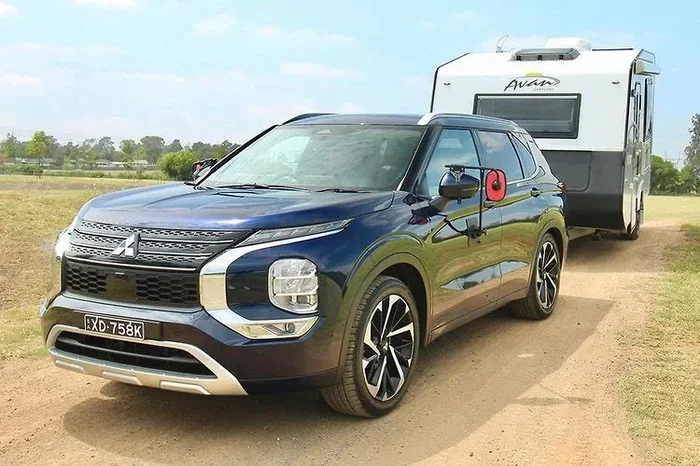
Can a Mitsubishi Outlander Tow a Camper Without Issues
The Mitsubishi Outlander can tow a camper, but success depends on knowing your specific model’s towing capacity, matching it to the right trailer weight, and following proper setup steps. Most Outlander trims handle lightweight to mid-size campers well, especially when equipped with the right towing package. This guide walks you through every detail you need to tow safely and confidently.
So you want to hit the road with a camper in tow and your Mitsubishi Outlander is sitting in the driveway. Great choice. The Outlander is a popular SUV for a reason. It offers solid value, decent space, and a reputation for reliability. But here is the big question. Can you actually use it to pull a camper? The short answer is yes. The longer answer depends on a few important factors that every owner should understand before hitting the highway.
When it comes to the Mitsubishi Outlander tow a camper conversation, there is a lot of information floating around. Some of it is accurate. Some of it is outdated. And some of it is just plain wrong. This guide cuts through the noise. We will look at towing capacity numbers, setup requirements, common challenges, and practical tips that real owners use every day. By the end, you will know exactly whether your Outlander is ready for the camping trip of your dreams.
Whether you own a 2020 model or a brand-new 2024 Outlander, this article covers what you need to know. We will break down the technical details in plain language. No jargon. No confusing charts that nobody reads. Just clear, honest information that helps you make the right decision.
Key Takeaways
- Towing Capacity Matters: The Mitsubishi Outlander tow a camper setup works best within its rated towing limits, which vary by model year and trim level.
- Proper Hitch Installation Is Essential: Using the correct tow hitch and electrical connections ensures safety and compliance with towing regulations.
- Weight Distribution Affects Everything: Understanding gross vehicle weight rating and payload capacity helps you avoid overloading your Outlander.
- Fuel Economy Drops When Towing: Expect a noticeable decrease in fuel efficiency when pulling a camper trailer behind your Outlander.
- Safety Gear Makes a Big Difference: Trailer sway control, towing mirrors, and brake controllers all contribute to a safer towing experience.
- PHEV Models Have Limitations: The Mitsubishi Outlander PHEV towing capacity is typically lower than the gas-powered versions.
- Pre-Trip Inspections Prevent Problems: Simple checks before every trip can save you from breakdowns, accidents, and costly repairs.
📑 Table of Contents
- Understanding the Mitsubishi Outlander Towing Capacity
- What You Need to Know Before Towing a Camper
- Setting Up Your Outlander for Towing
- Common Challenges When Towing a Camper with an Outlander
- Tips for Safe and Smooth Towing
- Is the Mitsubishi Outlander the Right Camper-Towing Vehicle for You?
- Maintenance Tips for Towing Owners
- Common Mistakes to Avoid When Towing with an Outlander
- Real-World Owner Experiences
- Final Thoughts on Towing a Camper with a Mitsubishi Outlander
Understanding the Mitsubishi Outlander Towing Capacity
Before you attach anything to the back of your Outlander, you need to understand towing capacity. This is the maximum weight your vehicle can safely pull. Exceeding this number is dangerous. It can damage your engine, transmission, and brakes. It can also void your warranty. So let us get into the numbers.
Official Towing Specs by Model Year
The towing capacity of a Mitsubishi Outlander varies depending on the model year and trim level. Most recent models from 2017 onward have a towing capacity ranging from 1,500 to 3,500 pounds. The exact number depends on several factors including engine type, drivetrain, and whether the vehicle has a factory towing package installed.
Here is a quick breakdown of what to expect. Base models with the 2.4-liter four-cylinder engine typically tow up to 1,500 pounds. Higher trims with the available 3.0-liter V6 engine can tow closer to 3,500 pounds. Always check your specific owner manual for the exact figure. The manufacturer lists the towing capacity on the vehicle certification label, which is usually found on the driver side door jamb.
What Affects Towing Capacity
Several factors influence how much weight your Outlander can safely tow. Understanding these helps you make smarter decisions about which camper to buy.
- Engine Type: The V6 engine provides significantly more towing power than the four-cylinder option. If towing is a priority, the V6 is the way to go.
- Drivetrain: All-wheel-drive models sometimes have slightly different towing limits compared to front-wheel-drive versions. Check your specific configuration.
- Payload Capacity: Towing capacity is not the only number that matters. Your payload capacity, which is the weight of passengers, cargo, and the tongue weight of the trailer, also plays a role.
- Aftermarket Accessories: Adding a roof rack, bike rack, or heavy-duty bumper can reduce your available payload and affect overall towing performance.
- Towing Package: Some Outlander trims come with a factory towing package that includes a reinforced frame, upgraded cooling systems, and a dedicated wiring harness.
What You Need to Know Before Towing a Camper
Now that you understand towing capacity, let us talk about campers. Not all campers are created equal. The type of camper you choose directly impacts whether your Outlander can handle the job comfortably and safely.
Camper Weight Basics
When shopping for a camper, you will encounter several weight terms. Understanding these is critical. The dry weight is the weight of the camper with no water, propane, or gear inside. The gross vehicle weight rating (GVWR) is the maximum weight the camper can safely carry including all supplies. The tongue weight is the downward force the trailer puts on the hitch ball. A good rule of thumb is that tongue weight should be about 10 to 15 percent of the total trailer weight.
For most Outlander owners, a lightweight or pop-up camper is the best match. These typically weigh between 1,000 and 3,000 pounds. Larger travel trailers and fifth wheels will almost certainly exceed the Outlander’s towing limits. Stick with small to mid-size trailers and you will be in good shape.
Matching Your Camper to the Outlander
The key to a successful towing setup is matching the right camper to the right vehicle. If your Outlander has a towing capacity of 3,500 pounds, you should look for campers that weigh well under that number. A good target is a camper that weighs no more than 75 to 80 percent of your vehicle’s towing capacity. This gives you a safety buffer and ensures better handling on the road.
Here are some camper types that typically work well with the Outlander. Small teardrop trailers weighing around 1,000 to 1,500 pounds are an excellent match. Pop-up campers in the 1,500 to 2,500 pound range also work well. Lightweight travel trailers with a bunkhouse layout can fit if they stay under 3,000 pounds. Always weigh your camper fully loaded before committing to a towing setup.
Setting Up Your Outlander for Towing
Proper setup is the difference between a smooth towing experience and a stressful one. Taking the time to install the right equipment and make the correct connections keeps you and your family safe on the road.
Installing the Right Tow Hitch
The first step in any towing setup is installing the correct hitch. Most Mitsubishi Outlander models use a Class I or Class II receiver hitch. Class I hitches are rated for lighter loads up to 2,000 pounds. Class II hitches handle up to 3,500 pounds. The right choice depends on your specific model and the weight of the camper you plan to tow.
You have two main options for hitch installation. A factory-installed hitch comes with the vehicle and is engineered specifically for your model. An aftermarket hitch is installed by a professional or a handy DIY owner. Both options work fine, but a factory hitch often comes with a warranty and ensures compatibility with the vehicle’s electrical system. When choosing an aftermarket hitch, look for brands with strong reputations and solid customer reviews.
Electrical and Safety Connections
Once the hitch is installed, you need to connect the electrical components. This includes the trailer wiring harness, which connects your Outlander’s lights to the trailer lights. Brake controllers are another important consideration. If your camper has electric brakes, you will need a brake controller installed in the vehicle. This allows you to apply the camper’s brakes independently from the vehicle’s brakes, which is essential for safe stopping.
Do not overlook towing mirrors either. Standard side mirrors may not provide adequate visibility when towing a wide trailer. Extended towing mirrors or clip-on mirror attachments solve this problem and are often required by law in many states and provinces. Make sure all connections are secure and tested before you leave on your trip.
Common Challenges When Towing a Camper with an Outlander
Towing a camper with any vehicle comes with challenges. The Outlander handles towing well for its class, but it is not without limitations. Knowing what to expect helps you prepare and avoid common pitfalls.
Trailer Sway and Stability
Trailer sway is one of the most dangerous issues you can face while towing. It happens when the trailer begins to oscillate from side to side, often triggered by wind, uneven road surfaces, or improper weight distribution. The Outlander, being a compact SUV, is more susceptible to trailer sway than larger trucks or full-size SUVs.
You can reduce trailer sway by several methods. First, always distribute weight evenly inside the camper. Heavy items should be placed low and centered over the axle. Second, use a weight distribution hitch if your camper weighs more than 50 percent of your vehicle’s towing capacity. Third, consider a trailer sway control system. These devices can be built into the hitch or added as an aftermarket accessory. They automatically apply braking force to individual wheels when sway is detected.
Fuel Economy and Performance
Towing a camper will reduce your fuel economy. This is a reality that every tow vehicle owner must accept. The Outlander gets respectable gas mileage when unloaded, but when you add a trailer to the mix, expect a drop of 20 to 35 percent. If your Outlander normally gets 25 miles per gallon on the highway, you might see that number drop to 16 or 18 miles per gallon while towing.
Performance can also be affected, especially when climbing steep grades or driving in mountainous terrain. The four-cylinder engine may feel strained when hauling a heavier camper uphill. If you live in a hilly area or plan to drive through mountain passes, the V6 engine version is a much better choice for towing. It provides the extra power you need without overworking the engine.
Tips for Safe and Smooth Towing
Towing a camper does not have to be stressful. With the right preparation and driving habits, you can enjoy a safe and comfortable experience every time you hit the road.
Pre-Trip Checks Every Owner Should Do
Before every trip, take a few minutes to walk around your vehicle and trailer. Check the tire pressure on both the Outlander and the camper. Inspect all lights including turn signals, brake lights, and running lights. Make sure the hitch pin is secure and the safety chains are crossed underneath the tongue. Verify that the trailer brake connection is working if applicable. These simple checks take five minutes and can prevent major problems on the road.
Also, check your mirrors before pulling out. Make sure you can see the full length of the trailer from both side mirrors. Adjust your mirrors before you start driving. This sounds obvious but many people skip this step and end up with poor visibility.
Driving Techniques for Better Towing
Driving with a trailer requires some adjustments to your normal driving habits. Increase your following distance significantly. A loaded trailer takes longer to stop, and tailgating is a leading cause of towing accidents. When braking, apply pressure smoothly and gradually. Slamming on the brakes can cause the trailer to push forward and destabilize the entire setup.
When turning, take wider turns than you normally would. The trailer has a shorter turning radius than your vehicle, which means it can cut corners and hit curbs, poles, or other vehicles. On highways, stay in the right lane and give yourself plenty of room for merging and lane changes. Wind gusts can push a trailer significantly, so maintain a firm grip on the steering wheel at all times.
Is the Mitsubishi Outlander the Right Camper-Towing Vehicle for You?
This is the question only you can answer. The Outlander is a capable tow vehicle for the right type of camping trip. It works best for couples or small families who own lightweight to mid-size campers and plan short to medium-length trips. If your camping style involves rough terrain, heavy loads, or long-distance travel through challenging conditions, you might want to consider a larger vehicle.
Who Should Choose the Outlander for Towing
The Outlander is ideal for weekend campers who want to explore state parks, national forests, and campgrounds accessible by paved roads. It is also a great choice for first-time towers who want to dip their toes into the world of camping without investing in a heavy-duty truck. The Outlander offers a comfortable ride, good fuel economy when not towing, and enough interior space for all your camping gear.
If you already own an Outlander and are considering adding a camper to your lifestyle, start small. A teardrop trailer or a lightweight pop-up camper is a perfect first step. You will learn the ropes of towing without putting excessive strain on your vehicle.
When to Consider a Larger SUV or Truck
There are situations where a larger tow vehicle makes more sense. If you plan to tow a heavy travel trailer over 3,500 pounds, a truck or full-size SUV like the Toyota 4Runner, Ford Explorer, or Chevrolet Tahoe is a better match. If you frequently tow in mountainous terrain or extreme weather conditions, the extra power and stability of a larger vehicle will give you more confidence and safety.
Also consider your future plans. If you think you might upgrade to a larger camper in the next few years, it may be worth investing in a vehicle with higher towing capacity now rather than outgrowing your Outlander later.
Maintenance Tips for Towing Owners
Owning a vehicle that tows regularly means you need to stay on top of maintenance. The added stress of pulling a trailer takes a toll on brakes, transmission, and suspension components. Follow these tips to keep your Outlander in top shape.
Check your transmission fluid more frequently when towing. The extra heat generated by towing can degrade fluid faster than normal driving conditions. Inspect your brake pads regularly as well. A loaded trailer puts significantly more stress on your braking system. Rotate your tires on schedule and ensure they are rated for the loads you are carrying.
Keep an eye on your engine coolant temperature, especially during hot weather or long climbs. If your temperature gauge starts climbing, pull over safely and let the engine cool down. Continuing to drive an overheating engine while towing can cause serious and expensive damage.
Common Mistakes to Avoid When Towing with an Outlander
Even experienced towers make mistakes. Here are some common errors to avoid. Overloading your camper beyond the rated weight is the most dangerous mistake you can make. Always know the exact weight of your fully loaded trailer before you set out. Ignoring tongue weight is another common error. Too little tongue weight causes trailer sway. Too much tongue weight overloads the rear of your Outlander and reduces steering control.
Skipping the brake controller installation is a mistake that can have serious consequences. If your camper has electric brakes and you do not have a brake controller, you are relying solely on your Outlander’s brakes to stop both vehicles. This is not safe, especially at highway speeds or on steep descents. Finally, do not ignore your warranty terms. Some manufacturers have specific towing requirements and restrictions. Towing outside those guidelines could leave you without coverage if something goes wrong.
Real-World Owner Experiences
Many Mitsubishi Outlander owners successfully tow campers every weekend and share their experiences online. The most common feedback is that the Outlander handles light to moderate towing with ease. Owners praise the vehicle’s smooth ride and comfortable seating, which makes long drives to campgrounds enjoyable. The main complaints tend to focus on fuel economy when towing and limited power from the four-cylinder engine when climbing steep grades.
Several owner forums and social media groups dedicated to Outlander owners share practical towing tips. These communities are excellent resources for finding the right camper setup, troubleshooting common issues, and getting advice from experienced towers. Joining one of these groups before your first trip can save you a lot of trial and error.
Final Thoughts on Towing a Camper with a Mitsubishi Outlander
The Mitsubishi Outlander tow a camper setup works well when done correctly. The key is understanding your vehicle’s limits, choosing the right camper, and taking the time to set up your towing equipment properly. With the right preparation, your Outlander can take you to some amazing campsites and create memories that last a lifetime.
Remember that towing safety should always come first. Respect the weight limits. Perform your pre-trip checks. Drive with caution and awareness. These habits protect you, your family, and other drivers on the road. The Outlander is a versatile and capable vehicle that can serve as your gateway into the world of camping and outdoor adventure. Start small, learn as you go, and enjoy the journey.
Whether you are a seasoned RVer or a complete beginner, the Outlander offers a practical and affordable way to explore the great outdoors with a camper in tow. Do your research, invest in the right equipment, and get out there. The open road is waiting.
Frequently Asked Questions
What is the towing capacity of a Mitsubishi Outlander?
The towing capacity varies by model year and trim. Most recent Outlander models can tow between 1,500 and 3,500 pounds. The four-cylinder engine models are typically rated for lighter loads, while the V6-equipped versions can handle heavier trailers. Always check your specific owner manual for the exact number.
Can a Mitsubishi Outlander PHEV tow a camper?
The Mitsubishi Outlander PHEV has a lower towing capacity compared to the gas-powered versions. Most PHEV models are rated for towing around 1,500 pounds. If you plan to tow with a PHEV, stick with very lightweight campers like small teardrop trailers or bike racks. Always verify the exact rating in your owner manual.
Do I need a special hitch to tow a camper with an Outlander?
Yes, you need a compatible tow hitch installed on the rear bumper. Most Outlander models use a Class I or Class II receiver hitch depending on the towing weight. A factory-installed hitch is recommended, but a quality aftermarket hitch from a reputable brand works well too. Make sure the hitch is properly rated for your camper’s weight.
What type of camper is best for towing with an Outlander?
Lightweight campers are the best match for the Outlander. Teardrop trailers, pop-up campers, and small travel trailers weighing between 1,000 and 3,000 pounds work well. Avoid heavy fifth-wheel trailers or large travel trailers that exceed the vehicle’s towing capacity. Always weigh your camper fully loaded before purchasing.
Do I need a brake controller for towing with an Outlander?
If your camper has electric brakes, yes, you need a brake controller. This device allows you to apply the trailer’s brakes independently from the vehicle’s brakes. It is essential for safe stopping, especially at highway speeds or on downhill grades. Most brake controllers are easy to install and mount on the steering column.
How much does fuel economy drop when towing a camper with an Outlander?
Expect a 20 to 35 percent decrease in fuel economy when towing a camper. The exact drop depends on the camper weight, driving speed, terrain, and weather conditions. Planning your fuel stops and budgeting for higher fuel costs will help you avoid surprises on longer trips.
=== CONCLUSION ===
The Mitsubishi Outlander is a solid choice for towing a camper, provided you stay within its rated limits and set up your rig correctly. Understanding your vehicle’s towing capacity, choosing the right camper weight, and investing in proper safety equipment are the foundations of a successful towing experience. With the right preparation and smart driving habits, your Outlander can take you to some incredible camping destinations. Start with a lightweight camper, practice your towing skills, and enjoy the freedom of the open road with your Mitsubishi Outlander leading the way.