Do You Leave Car Running When Checking Transmission Fluid
Do you leave car running when checking transmission fluid? The answer depends on whether your vehicle needs a warm or cold check. Most experts recommend warming up the engine for a few minutes before checking transmission fluid level on automatic cars. However, you should never leave the car running while you are physically under it or near moving parts. Knowing the right transmission fluid check procedure keeps you safe and ensures accurate readings every time.
Have you ever popped the hood of your car and wondered, “Do you leave car running when checking transmission fluid?” It is a simple question, but the answer is not as straightforward as you might think. Many car owners skip this important maintenance step because they are unsure about the correct procedure. Others guess and end up getting inaccurate readings or even hurting themselves.
Checking your transmission fluid is one of the easiest ways to keep your car running smoothly for years. Transmission fluid lubricates all the moving parts inside your gearbox. It also helps cool the system and ensures smooth gear shifts. When the fluid is low or dirty, your transmission has to work harder. Over time, this leads to wear, overheating, and costly repairs.
The good news is that checking your transmission fluid level takes only a few minutes. You do not need to be a mechanic to do it right. You just need to know a few basic steps and understand when the engine should be on or off. This guide walks you through everything you need to know, from preparation to interpretation. By the end, you will feel confident tackling this simple but essential maintenance task on your own.
Key Takeaways
- Warm Engine, Not Running: Most cars need the engine warm but turned off before you check the fluid.
- Safety Comes First: Never leave the car running when you are near the engine bay or underneath the vehicle.
- Correct Dipstick Reading: Pull the dipstick, wipe it, reinsert it, and pull it again for an accurate transmission fluid level reading.
- Fluid Condition Matters: Color, smell, and texture tell you a lot about the health of your automatic transmission fluid.
- Follow Your Manual: Every car is different. Always check your owner’s manual for the manufacturer’s specific instructions.
- Regular Checks Prevent Big Costs: Catching low or dirty fluid early can save you from expensive transmission repair bills.
📑 Table of Contents
- Do You Leave Car Running When Checking Transmission Fluid?
- How to Check Transmission Fluid the Right Way
- What Happens If You Check Transmission Fluid with the Engine Off?
- Common Mistakes People Make When Checking Transmission Fluid
- How Often Should You Check Your Transmission Fluid?
- When to Call a Professional Instead of DIY
- Key Takeaways
- Conclusion
Do You Leave Car Running When Checking Transmission Fluid?
The short answer is: it depends on your vehicle. Most modern cars with automatic transmissions require the engine to be warm but turned off when you check the fluid. Some older models or specific manufacturers recommend checking the fluid with the engine running. The key is to follow the instructions in your owner’s manual. Every car has its own requirements, and guessing can lead to wrong readings.
Here is why the engine temperature matters so much. Transmission fluid expands when it gets hot. When the engine is cold, the fluid sits lower in the system. If you check it on a cold engine, you might think the level is low when it is actually fine. On the other hand, checking the fluid on a fully warmed-up engine gives you the most accurate reading of the fluid level during normal operating conditions.
Why Engine Temperature Affects the Reading
Think of transmission fluid like water in a bottle. When the water is cold, it takes up less space. When it is warm, it expands and fills more of the bottle. The same principle applies to your transmission. The fluid circulates through the gearbox and heats up as you drive. When the engine reaches normal operating temperature, the fluid is at its correct volume and pressure.
Most manufacturers recommend warming up the car for about 5 to 10 minutes before checking the fluid. You want the engine to be at normal operating temperature. However, you do not want it to be so hot that you risk burning yourself on engine components. A warm engine is ideal. A scorching hot engine is dangerous.
When to Check with the Engine Running
Some vehicles, particularly certain older models, require the engine to be running during the check. In these cases, the transmission needs the pressure from the running engine to push the fluid up to the correct level on the dipstick. If you turn the engine off before checking, the reading will be inaccurate.
Here are some general guidelines to help you figure out which method your car uses:
- Most automatic transmissions: Warm the engine, turn it off, then check the fluid with the car in park.
- Some older automatic transmissions: Check the fluid with the engine running and the car in park on a level surface.
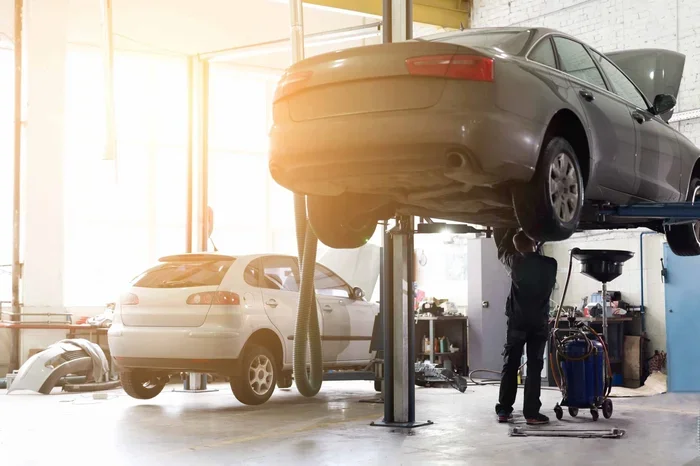
- Manual transmissions: Often checked with the engine off. Some require the car to be on a lift or jack stands.
- Sealed transmissions: Many newer cars do not have a dipstick at all. These require a professional check.
The safest approach is always to consult your owner’s manual first. The manual will tell you exactly what to do. If you do not have the manual, a quick online search with your car’s make, model, and year will usually give you the answer.
How to Check Transmission Fluid the Right Way
Now that you know whether to leave the car running or not, let us walk through the actual process step by step. Checking transmission fluid is easy, but doing it correctly matters. A sloppy job can give you a false reading and leave your transmission unprotected.
Step 1: Park on a Level Surface
Before you do anything, make sure your car is parked on a flat, level surface. If the car is tilted, the fluid will shift to one side, and your reading will be off. Engage the parking brake firmly. This is a simple safety step that many people skip, but it is essential.
Step 2: Warm Up the Engine
Start the engine and let it idle for about 5 to 10 minutes. You want the engine to reach normal operating temperature. The temperature gauge on your dashboard should be in the normal range. Do not rev the engine. Just let it sit at a gentle idle.
Once the engine is warm, turn it off. For most vehicles, this is when you will check the fluid. Wait a minute or two for the fluid to settle back into the transmission pan.
Step 3: Locate the Transmission Dipstick
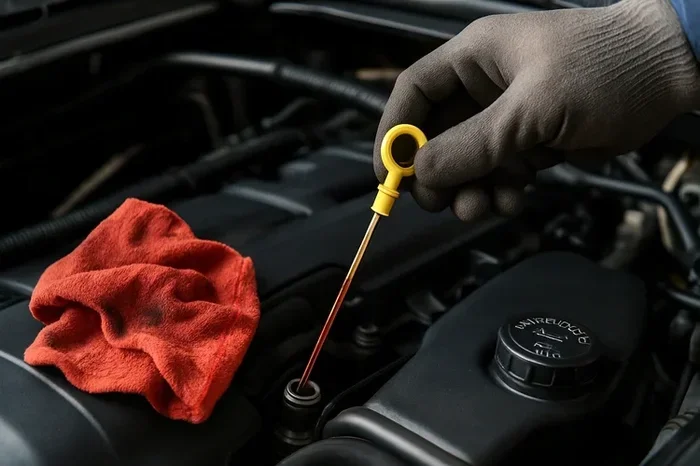
Open the hood and find the transmission dipstick. On most cars, the dipstick handle is bright yellow or red, which makes it easy to spot. It is usually located near the back of the engine bay, close to the firewall. Do not confuse it with the engine oil dipstick. The transmission dipstick is typically labeled and may have a different shape.
If you cannot find the dipstick, your car might have a sealed transmission. In that case, you will need a professional to check the fluid level for you.
Step 4: Pull, Wipe, Reinsert, and Pull Again
This is the most important part of the process. Follow these steps carefully:
- Pull the dipstick out all the way.
- Wipe it clean with a lint-free cloth or paper towel.
- Reinsert the dipstick all the way back into its tube.
- Pull it out again and look at the fluid level markings.
The dipstick will have markings that show the minimum and maximum levels. The fluid should fall between those two marks. If it is below the minimum line, you need to add more fluid. If it is above the maximum line, you have too much, which can also cause problems.
Step 5: Check the Fluid Condition
The level is only half the story. You also need to look at the condition of the fluid. Healthy transmission fluid should be clear and reddish in color. It should feel smooth between your fingers. Here is what different conditions might mean:
- Red and clear: The fluid is in good condition. No action needed.
- Dark brown or black: The fluid is old and dirty. Consider a transmission fluid change.
- Burnt smell: The fluid has overheated. This is a sign of serious transmission stress.
- Cloudy or milky: Water may have gotten into the transmission. Have a mechanic inspect it right away.
- Pink and foamy: The fluid may be overfilled or contaminated with coolant.
Taking a moment to check the fluid condition can save you from bigger problems down the road. A simple visual inspection tells you a lot about the health of your transmission.
What Happens If You Check Transmission Fluid with the Engine Off?
Checking the fluid with the engine off is fine for most automatic transmissions, as long as the engine was warm before you shut it off. However, checking the fluid on a completely cold engine can give you a falsely low reading. The fluid has not circulated yet, so it has not reached all the parts of the transmission.
On the other hand, checking the fluid with the engine running can sometimes give you a slightly different reading than checking it with the engine off. The running engine creates hydraulic pressure inside the transmission, which pushes the fluid higher. Some manufacturers account for this and design their dipstick markings accordingly.
The bottom line is this: follow the procedure that matches your vehicle. If your manual says to check with the engine off and the transmission in park, do exactly that. If it says to check with the engine running, follow those instructions instead. Mixing up the two methods is one of the most common reasons people get inaccurate readings.
Cold Check vs. Warm Check
Some vehicles actually have two different markings on the dipstick. One set of marks is for a cold check, and the other is for a warm check. If your car has this setup, make sure you are reading the correct set of marks based on the engine temperature. A cold check is done after the car has sat for several hours, usually overnight. A warm check is done after the engine has reached operating temperature.
This dual-marking system can be confusing at first. But once you understand it, it becomes second nature. The key is to know which method your car uses before you start. A quick look at the owner’s manual will clear everything up.
Common Mistakes People Make When Checking Transmission Fluid
Even experienced car owners make mistakes when checking transmission fluid. Here are the most common errors and how to avoid them.
Mistake 1: Checking the Fluid on an Unlevel Surface
If your car is parked on a hill or even a slightly uneven surface, the fluid will not sit evenly in the transmission pan. This can give you a reading that is off by a quarter or more. Always park on a flat, level surface before you check anything.
Mistake 2: Not Warming Up the Engine First
Checking the fluid on a cold engine is the number one mistake people make. The reading will be inaccurate, and you might add fluid when you do not need to. Always warm the engine to normal operating temperature first, then turn it off before checking.
Mistake 3: Overfilling the Transmission
It is easy to add too much fluid. Overfilling causes the fluid to foam, which reduces its ability to lubricate properly. Foam can also cause the transmission to slip or shift roughly. Add fluid in small amounts and recheck the level each time.
Mistake 4: Using the Wrong Type of Fluid
Not all transmission fluid is the same. Using the wrong type can damage your transmission over time. Always check your owner’s manual for the correct transmission fluid type. If you are unsure, ask a mechanic or check the fluid specifications online.
Mistake 5: Ignoring Leaks
If you notice that your fluid level drops quickly after you refill it, you may have a leak. Leaks can happen at the transmission pan, the seal around the axle, or the cooler lines. Do not ignore a low fluid level that keeps dropping. Have a professional inspect the transmission for leaks as soon as possible.
Quick Tip: Always use a clean, lint-free cloth when wiping the dipstick. Loose fibers can mix with the fluid and cause blockages in the transmission channels.
How Often Should You Check Your Transmission Fluid?
Most car experts recommend checking your transmission fluid at least once a month. This gives you a regular opportunity to spot any issues early. Transmission problems tend to develop slowly, and catching them early can save you hundreds or even thousands of dollars in repair costs.
You should also check the fluid more frequently under certain conditions:
- If you tow a trailer or carry heavy loads regularly.
- If you drive in stop-and-go traffic or in very hot weather.
- If you notice any changes in how your transmission shifts.
- If your car has higher mileage, typically over 100,000 miles.
- If you have recently noticed any fluid leaks underneath your car.
Regular checks take just a few minutes, but they pay off big time. Think of it as a quick health check for your car. Just like you would not skip a doctor’s visit, you should not skip your transmission fluid check.
When to Call a Professional Instead of DIY
Checking transmission fluid is a straightforward task for most car owners. However, there are times when it is best to leave the job to a professional mechanic. If your car has a sealed transmission with no dipstick, you will need special equipment to check the fluid level. A mechanic has the right tools and the expertise to do this safely.
You should also call a professional if you notice any of the following warning signs:
- The transmission slips between gears.
- You hear grinding or whining noises when shifting.
- The car hesitates or refuses to go into gear.
- You see red or brown fluid leaking underneath the car.
- The check engine light is on, and you suspect a transmission issue.
Trying to fix serious transmission problems on your own can make things worse. A trained mechanic can diagnose the issue correctly and recommend the right repair. Sometimes a simple transmission fluid change is all that is needed. Other times, the problem may be more serious and require immediate attention.
Do not wait too long if you notice any of these signs. Transmission repairs can be expensive, but catching problems early keeps costs down and keeps you safe on the road.
Key Takeaways
- Warm Engine, Not Running: Most cars need the engine warm but turned off before you check the fluid.
- Safety Comes First: Never leave the car running when you are near the engine bay or underneath the vehicle.
- Correct Dipstick Reading: Pull the dipstick, wipe it, reinsert it, and pull it again for an accurate transmission fluid level reading.
- Fluid Condition Matters: Color, smell, and texture tell you a lot about the health of your automatic transmission fluid.
- Follow Your Manual: Every car is different. Always check your owner’s manual for the manufacturer’s specific instructions.
- Regular Checks Prevent Big Costs: Catching low or dirty fluid early can save you from expensive transmission repair bills.
Conclusion
So, do you leave car running when checking transmission fluid? The answer is almost always no. For the vast majority of vehicles, you warm up the engine, turn it off, and then check the fluid with the car in park on a level surface. This gives you the most accurate reading and keeps you safe at the same time.
Checking your transmission fluid regularly is one of the simplest things you can do to extend the life of your car. It takes just a few minutes and requires no special tools. Yet many people put it off or skip it altogether. Do not be one of them. A little attention now can prevent a big headache later.
Remember to always refer to your owner’s manual for the specific instructions that apply to your vehicle. Use the right type of fluid. Check the fluid condition, not just the level. And if something does not look or smell right, do not hesitate to consult a professional. Your transmission is one of the most expensive components in your car to repair. Taking care of it with simple, regular maintenance is well worth the effort.
Make transmission fluid check part of your regular car care routine. Set a reminder on your phone once a month. Keep a clean cloth and the correct fluid in your garage. These small habits add up to big savings over the life of your vehicle. A well-maintained transmission means smoother shifts, better fuel economy, and peace of mind every time you hit the road.
Frequently Asked Questions
Can I check transmission fluid with the car in neutral?
No, you should always check the fluid with the car in park for automatic transmissions. The park position locks the transmission and keeps the fluid at a stable level. Checking in neutral can give you an inaccurate reading and is also unsafe.
What color should healthy transmission fluid be?
Healthy transmission fluid should be a clear, reddish-pink color. If the fluid is dark brown, black, or has a burnt smell, it needs to be changed. Healthy fluid looks clean and smells slightly sweet, not burnt.
How much transmission fluid should I add if the level is low?
Add fluid in small amounts, about a quarter cup at a time. After each addition, recheck the level with the dipstick. It is much easier to add more fluid than it is to remove excess fluid. Overfilling can cause just as many problems as underfilling.
Is it safe to drive with low transmission fluid?
No, driving with low transmission fluid is not safe. Low fluid can cause the transmission to overheat, slip, or fail completely. If your fluid is low, top it off as soon as possible and have the vehicle inspected for leaks.
Do manual transmissions have a dipstick?
Many manual transmissions do not have a dipstick. They often require the car to be lifted so a technician can check the fluid level through a plug on the side of the transmission housing. Check your owner’s manual to see if your manual transmission has a dipstick.
How long does transmission fluid last before it needs to be changed?
Most manufacturers recommend changing transmission fluid every 30,000 to 60,000 miles, though this varies by vehicle and driving conditions. If you tow heavy loads or drive in extreme heat, you may need to change it more often. Always follow the intervals specified in your owner’s manual.