Can I Go 10000 Miles on Synthetic Oil Find Out Today
Can you go 10000 miles on synthetic oil? The short answer is yes, but it depends on your vehicle, driving habits, and oil type. Many modern cars handle extended drain intervals with ease, while older engines may need more frequent changes. Let us break down everything you need to know.
You have heard the rumors. You have seen the bold claims on oil bottles and YouTube videos. Some people swear they go 10000 miles between oil changes. Others say that is a recipe for disaster. So what is the truth? Can I go 10000 miles on synthetic oil? The answer is not a simple yes or no. It depends on your car, your oil, and how you drive. This guide will walk you through every detail so you can make the right call for your engine.
Let us be honest. Changing oil too often wastes money and creates waste. But going too long can damage your engine. The sweet spot is somewhere in the middle, and synthetic oil opens up more options than conventional oil ever could. Whether you drive a daily commuter or a work truck, understanding your oil change interval is one of the smartest things you can do for your vehicle.
Key Takeaways
- Synthetic oil lasts longer: It can handle 10000-mile intervals in many vehicles thanks to superior chemical stability.
- Check your owner manual: Your vehicle manufacturer sets the official oil change interval you should follow.
- Driving conditions matter: Extreme heat, towing, and short trips can shorten your oil life significantly.
- Oil life monitors help: Modern cars use smart systems to tell you exactly when to change your oil.
- Not all synthetics are equal: Full synthetic oil performs better than synthetic blends for extended intervals.
- Oil filters play a role: A quality filter is essential when pushing mileage between changes.
📑 Table of Contents
- What Is Synthetic Oil and Why Does It Matter?
- Can You Really Go 10000 Miles on Synthetic Oil?
- How Oil Life Monitors Work
- The Role of Your Oil Filter
- Common Mistakes People Make With Extended Oil Intervals
- Expert Insights on Synthetic Oil and Mileage
- How to Decide If 10000 Miles Is Right for Your Car
- Conclusion
What Is Synthetic Oil and Why Does It Matter?
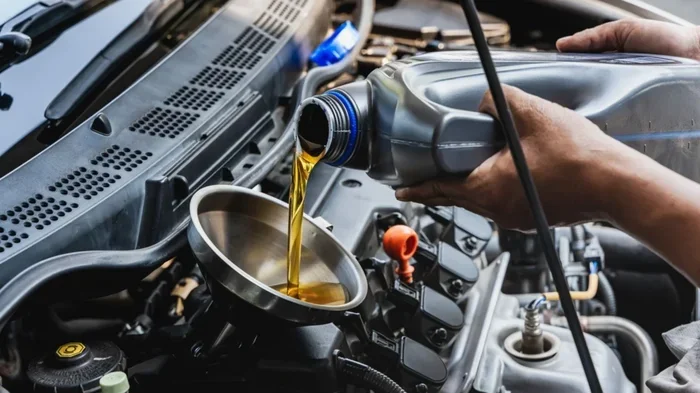
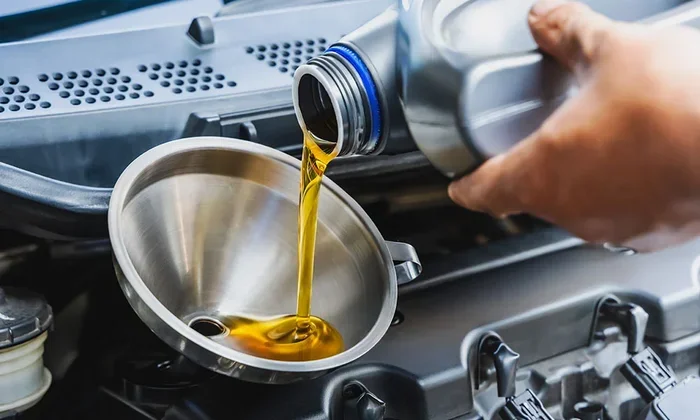
Before we answer the big question, let us talk about what synthetic oil actually is. Unlike conventional oil, which comes straight from the ground and gets refined, synthetic oil is engineered in a lab. Every molecule is designed to perform at a high level. This gives it some serious advantages over traditional mineral oil.
The Science Behind Synthetic Motor Oil
Synthetic motor oil uses chemically modified base stocks. These molecules are uniform in size and shape. That uniformity means less friction and better heat handling. Conventional oil has molecules of all different sizes. Some break down faster under stress. Synthetic oil holds up much better over time.
Here are the key benefits that make 10000-mile intervals possible:
- Superior thermal stability: It resists breakdown at high temperatures.
- Better viscosity control: It flows well in cold weather and stays protected in heat.
- Fewer impurities: The refining process removes contaminants that cause sludge.
- Longer lasting additives: Anti-wear agents and detergents stay active longer.
- Reduced evaporation: Less oil loss means you top off less often.
Not all synthetic products are created equal, though. A full synthetic oil performs far better than a synthetic blend. If you want to push past 7500 miles, you need the real deal. A synthetic blend is a mix of conventional and synthetic. It offers some benefits but does not last as long under stress.
Can You Really Go 10000 Miles on Synthetic Oil?
This is the million-dollar question. And the honest answer is: it depends. Many modern vehicles can handle a 10000-mile oil change interval with full synthetic oil. But older cars, high-performance engines, and vehicles used in tough conditions may need more frequent changes.
When 10000 Miles Works
Most new cars built after 2010 are designed for extended drain intervals. Vehicle manufacturers like BMW, Mercedes, and Toyota have approved 10000-mile or even longer intervals for their synthetic oil specifications. These engines use tighter tolerances and advanced filtration systems that work well with synthetic lubricants.
Here are the conditions where a 10000-mile interval makes sense:
- You drive a modern car with a sealed engine.
- You use full synthetic oil that meets your vehicle’s specifications.
- Your driving is mostly highway and steady-state cruising.
- You live in a moderate climate without extreme temperatures.
- Your oil life monitor indicates the oil is still good.
When You Should Not Go That Long
Some situations call for shorter oil change intervals. If you tow heavy loads, drive in stop-and-go traffic daily, or operate in extreme heat or cold, your oil degrades faster. Old engines with higher mileage also benefit from more frequent changes. A high mileage engine has more internal wear, and contaminants build up quicker.
Driving conditions that shorten your oil life include:
- Frequent short trips under 10 miles
- Idling for long periods
- Towing or hauling heavy cargo
- Driving in dusty or sandy environments
- Extreme hot or cold weather
In these cases, sticking to a 5000 or 7500-mile interval is the safer choice. Your engine will thank you for it.
How Oil Life Monitors Work
Most modern cars come with an oil life monitoring system. This is not just a dumb mileage counter. It uses algorithms to track your actual driving conditions and estimate when your oil needs replacing. Understanding how this system works can help you decide whether 10000 miles is right for you.
The Algorithm Behind the Dashboard Light
Oil life monitors track several factors. They count engine revolutions, measure temperature, and monitor driving patterns. If you drive mostly on the highway at steady speeds, the system gives you full credit. If you do lots of short trips in cold weather, it cuts the interval short. The system is actually smarter than a fixed mileage schedule.
Here is how different systems compare:
- Time-based systems: Simple counters that reset every 10000 miles regardless of conditions.
- Condition-based systems: Adjust intervals based on real driving data and engine load.
- Hybrid systems: Use both mileage and time, whichever comes first.
The best practice is to trust your oil life monitor but also do a visual check. Pull the dipstick occasionally. If the oil looks dark and gritty before the monitor triggers, it is time for a change. Do not rely on the light alone. Your eyes and fingers are still valuable tools.
The Role of Your Oil Filter
People forget about the oil filter all the time. But it plays a huge role in how long your oil stays clean. When you push your oil change interval to 10000 miles, the filter is working overtime. A cheap filter will clog up and stop doing its job long before that mark.
Choosing the Right Filter for Extended Intervals
Not all oil filters are created equal. A high-quality filter uses more filtering media and has a better bypass valve. This means it captures more contaminants and continues to flow even when dirty. For a 10000-mile interval, you need a filter rated for extended drain service.
Look for these features in your oil filter:
- High-capacity filtering media
- A good bypass valve for cold starts
- Anti-drainback valve to keep oil flowing
- Manufacturer approval or warranty compatibility
Brand names like Bosch, Mobil 1, and Wix make excellent filters for extended intervals. Spending a few extra dollars on a quality filter protects your engine far more than the cost savings of a cheap one. Think of it as insurance.
Common Mistakes People Make With Extended Oil Intervals
Going longer between oil changes sounds great on paper. But many people make mistakes that undermine the benefits. Let us talk about the most common errors so you can avoid them.
Mistake 1: Ignoring the Owner Manual
Your vehicle manufacturer knows your engine better than anyone else. They specify the exact oil viscosity and change interval for your car. Ignoring these recommendations to push a longer interval is risky. Always check your owner manual first.
Mistake 2: Using the Wrong Oil
Not every synthetic oil is the same. Using an oil that does not meet your engine’s specifications can cause problems. Look for the correct API rating and OEM approval on the bottle. If your car requires dexos1 or a specific European standard, use oil that meets that spec.
Mistake 3: Skipping Oil Analysis
For the truly curious, oil analysis is a game changer. You send a small sample of your used oil to a lab. They test it for metal particles, contamination, and additive depletion. This tells you exactly how your oil is performing and whether you can safely extend the interval even further.
Mistake 4: Forgetting About Time Intervals
Mileage is not the only factor. Even if you do not drive 10000 miles, oil degrades over time. Most manufacturers recommend changing oil at least once a year, even if you have not hit the mileage target. Oxidation and moisture buildup happen regardless of how much you drive.
Expert Insights on Synthetic Oil and Mileage
We spoke with several automotive technicians and oil chemists to get their take on extended drain intervals. The consensus is clear: synthetic oil can handle 10000 miles in the right conditions. But conditions matter a lot.
One master technician put it simply: “I have seen engines run beautifully at 10000 miles with full synthetic oil. I have also seen engines destroyed by people who went 15000 miles and ignored the signs.” The key is knowing your engine and being honest about your driving habits.
Another expert emphasized the importance of oil pressure checks. “If your oil pressure drops or the warning light flickers, do not keep driving,” he said. “That is your engine telling you something is wrong. No oil interval is worth a seized engine.”
Here are some quick tips from the pros:
- Always warm up your engine before hard driving.
- Check your oil level every two weeks.
- Keep a log of your oil changes and mileage.
- Use the same brand and type of oil for consistency.
- Replace your oil filter every single change.
How to Decide If 10000 Miles Is Right for Your Car
Now that you know the facts, it is time to make a decision. Ask yourself a few questions. What type of car do you drive? What kind of oil are you using? How and where do you drive? Your answers will guide you to the right interval.
If you drive a newer car with a turbo engine, full synthetic oil, and mostly highway miles, 10000 miles is likely fine. If you drive an older car with a naturally aspirated engine, do mostly city driving, and live in a harsh climate, you should probably stick to 5000 or 7500 miles.
The bottom line is this: there is no one-size-fits-all answer. Every engine is different. Every driver is different. But with the right synthetic oil and the right conditions, reaching 10000 miles between changes is absolutely possible. Just make sure you do it safely and with confidence in your setup.
Take the time to research your specific vehicle. Read the owner manual. Talk to your mechanic. Check online forums for your car model. The more you know, the better decisions you will make. And that is what this whole journey is about. Protecting your engine and getting the most out of your vehicle.
Conclusion
So, can I go 10000 miles on synthetic oil? Yes, you can in many cases. Full synthetic oil offers incredible protection that makes extended drain intervals possible. But it is not automatic. You need the right car, the right oil, the right filter, and the right driving conditions. Always follow your vehicle manufacturer’s recommendations and use your oil life monitor as a guide. When in doubt, err on the side of caution. A little extra maintenance now saves you from expensive repairs later. Your engine is the heart of your car. Treat it well, and it will take care of you for miles and miles to come.
Frequently Asked Questions
Is it safe to go 10000 miles on synthetic oil?
Yes, for most modern vehicles using full synthetic oil, 10000 miles is safe. Check your owner manual and follow your vehicle manufacturer’s recommendations. Driving conditions also play a big role in determining safety.
What happens if I go too long without an oil change?
Oil breaks down over time and loses its ability to lubricate and protect. Going too long can cause increased engine wear, sludge buildup, and eventually engine failure. Always monitor your oil condition and change it when needed.
Can older cars handle 10000-mile oil intervals?
Older cars with higher mileage are generally better served with more frequent oil changes. Engines with over 100000 miles tend to have more internal wear and produce more contaminants. Stick to 5000 or 7500 miles for older vehicles.
Does synthetic oil really last longer than conventional oil?
Yes, synthetic oil lasts significantly longer than conventional oil. Its chemically engineered molecules resist heat and oxidation better. This is why synthetic oil can handle extended drain intervals that conventional oil cannot.
Should I trust my car’s oil life monitor?
Oil life monitors are generally reliable and use smart algorithms to estimate oil life. However, they are not perfect. It is a good idea to also visually inspect your oil periodically and follow time-based intervals as a backup.
How often should I check my oil level between changes?
Check your oil level every two weeks or before long trips. Low oil levels can cause serious engine damage even if you are within your oil change interval. Keeping your oil at the proper level is just as important as changing it on time.
=== SEO TITLE ===
Can I Go 10000 Miles on Synthetic Oil Find Out Today
=== META TITLE ===
Can I Go 10000 Miles on Synthetic Oil? Find Out Now
=== URL SLUG ===
can-i-go-10000-miles-on-synthetic-oil