Why No Windshield Fluid Is Coming Out And How To Fix It
No windshield fluid coming out is a common frustration that can leave your windshield dirty and your visibility compromised. This guide explains why your washer system fails and how to fix it quickly. You’ll learn to diagnose the problem and get back on the road safely.
You reach for the windshield wiper lever and nothing happens. No spritz, no spray, just silence. That moment of no windshield fluid coming out can turn a simple drive into a visibility nightmare. Whether you are dealing with bug splatter on a summer road trip or salt spray in winter, a working washer system is essential for safe driving.
The good news is that this problem is usually easy to fix. Most causes are simple and require only basic tools. In this guide, we will walk you through every reason your windshield washer fluid might not be spraying, and we will show you exactly how to get it working again. You will learn to check the reservoir, clear clogged nozzles, thaw frozen lines, and replace a faulty pump. By the end, you will have the confidence to handle the fix yourself.
Key Takeaways
- Check the reservoir first: An empty washer fluid tank is the most common cause of no spray.
- Clear clogged nozzles: Debris and dried fluid can block the tiny spray holes in seconds.
- Watch for frozen fluid: In cold weather, windshield washer fluid can freeze and stop the system.
- Test the washer pump: A dead pump needs replacement, but the fix is simple and inexpensive.
- Inspect hoses and lines: Cracks or disconnections prevent fluid from reaching the nozzles.
- Prevent future problems: Use quality car washer fluid and keep the reservoir full to avoid issues.
📑 Table of Contents
Why Does Your Windshield Washer System Fail?
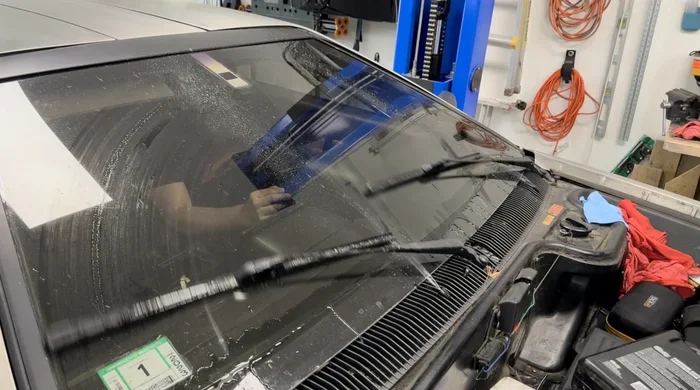
Your car’s washer system is straightforward. A small electric pump sits inside the washer fluid reservoir. When you pull the lever, the pump sends fluid through a hose to the nozzles on your hood. The nozzles spray a fine mist onto the windshield. If any part of this path fails, you get no windshield fluid coming out. Let us look at the most common reasons this happens.
1. Empty Washer Fluid Reservoir
The simplest explanation is often the right one. If the windshield wiper fluid tank is empty, there is nothing to spray. You might have used up all the fluid during a long road trip or forgotten to refill after a messy winter. Most cars have a warning light on the dashboard that looks like a windshield with wavy lines. If that light is on, your reservoir is likely empty.
To fix this, open the hood and locate the washer fluid reservoir. It is usually a white or translucent plastic tank with a cap that has a windshield symbol. Remove the cap, check the fluid level, and fill it with the proper car washer fluid. Do not use plain water, as it can freeze in cold weather and cause damage. Once you refill, try the spray again. This solves the problem more than half the time.
2. Clogged Washer Nozzle
The nozzles on your hood have tiny holes that can clog easily. Dirt, pollen, and dried washer fluid can build up and block the spray. You might notice the fluid spraying in the wrong direction or not at all. This is a very common reason for no windshield fluid coming out, especially after driving on dusty roads.
Start by inspecting the nozzles. Look closely at the spray holes. If you see any debris, use a thin pin or a compressed air can to gently clear the hole. You can also use a needle to clean the inside of the nozzle. Another quick trick is to aim a stream of hot water at the nozzle from the back. This melts any dried fluid and washes the blockage away. Always check all nozzles, as one clogged nozzle can make it seem like the whole system is dead.
3. Frozen Washer Fluid
In cold climates, frozen washer fluid is a real problem. If you filled the reservoir with water or a low-quality fluid that does not have enough antifreeze, the liquid can freeze inside the tank and lines. When the fluid is frozen, the pump cannot push it through, and you get no windshield fluid coming out. You might also hear the pump running but no spray coming out.
To fix this, you need to thaw the system. First, do not run the pump repeatedly, as it can burn out the motor. Instead, park the car in a warm garage or use a hair dryer to gently warm the reservoir and hoses. Once the fluid thaws, drain the old mixture and refill with a proper windshield washer fluid rated for the temperature you expect. A good rule is to use fluid that protects down to at least minus 20 degrees Fahrenheit.
4. Faulty Washer Pump
The electric pump is the heart of your washer system. If the pump is dead, fluid will not move no matter how full the reservoir is. A pump can fail due to a blown fuse, a worn motor, or corrosion from old fluid. When the pump fails, you might hear a faint humming sound or nothing at all. This is a serious cause of no windshield fluid coming out that requires a bit more work.
Start by checking the fuse. Look in your owner’s manual for the washer pump fuse location. Pull the fuse and inspect it for a broken wire. If the fuse is good, the pump itself may need replacement. The pump is usually mounted inside the reservoir and is easy to access. Disconnect the electrical connector, remove the mounting bolts, and pull the pump out. Install the new pump, reconnect everything, and test the spray. This fix costs less than twenty dollars for the part.
5. Broken or Disconnected Hose
The hose that carries fluid from the reservoir to the nozzles can crack, split, or pop off. This is especially common in older cars or vehicles that have been driven on rough roads. If the hose is damaged, fluid leaks out before it reaches the nozzles. You might see a wet spot on the engine bay or notice that the spray is weak and sputtering.
Inspect the entire length of the hose. Start at the pump and follow it to the nozzles. Look for cracks, dry rot, or loose connections. If you find a small crack, you can repair it with a hose clamp and a piece of replacement hose. If the hose is completely disconnected, simply push it back onto the nozzle or pump fitting and secure the clip. For a broken hose, replace the entire section with a new piece of automotive hose. This is a cheap and quick fix that restores full spray pressure.
6. Low Fluid Pressure from a Leaking Reservoir
Sometimes the reservoir itself is the problem. A cracked tank or a loose cap can cause air leaks that reduce pressure. The pump works, but it cannot push fluid effectively. You might notice the spray is weak and intermittent, or the fluid dribbles instead of spraying. This is a less obvious reason for no windshield fluid coming out that many people overlook.
Check the reservoir for cracks, especially around the base where it mounts. If the cap is loose or the seal is worn, replace the cap. A new cap is a few dollars and ensures a tight seal. If the tank is cracked, you can temporarily patch it with epoxy designed for plastic fuel tanks, but replacing the reservoir is the best long-term solution. The part is inexpensive and the swap takes about fifteen minutes.
Quick Troubleshooting Guide
Before you start any repair, follow this simple checklist to narrow down the cause. This saves time and prevents unnecessary part replacements.
- Step 1: Check the fluid level. Fill the reservoir if it is empty.
- Step 2: Turn the key to the accessory position and activate the washer. Listen for the pump humming. If you hear nothing, check the fuse.
- Step 3: Inspect the nozzles for clogs. Clean them with a pin or compressed air.
- Step 4: Look for frozen fluid in cold weather. Thaw the system gently.
- Step 5: Check the hose for leaks or disconnections. Repair or replace as needed.
- Step 6: Test the pump directly. If it does not run, replace it.
This systematic approach ensures you fix the real problem and not just the symptoms. Most drivers find the cause within a few minutes of following these steps.
Comparison: Common Causes vs. Symptoms vs. Fixes
| Cause | Symptoms | Quick Fix |
|---|---|---|
| Empty Reservoir | No spray at all, warning light on | Refill with proper washer fluid |
| Clogged Nozzle | Weak spray, wrong direction, dribbling | Poke hole with pin, blow with air |
| Frozen Fluid | Pump runs but no spray, cold weather | Thaw with warm air, refill antifreeze fluid |
| Faulty Pump | No humming sound, no spray despite fluid | Check fuse, replace pump |
| Broken Hose | Weak spray, wet spot on engine bay | Repair or replace hose section |
| Leaking Reservoir | Low pressure, fluid drips from tank | Replace cap or reservoir |
Common Mistakes to Avoid
When you are dealing with no windshield fluid coming out, it is easy to make a few mistakes that waste time or cause damage. Here are the most common ones and how to avoid them.
- Using plain water: Water freezes in winter and can cause the pump to seize. Always use proper windshield washer fluid with antifreeze.
- Running the pump dry: If the reservoir is empty, do not keep pulling the lever. The pump needs fluid to cool itself. Running it dry burns out the motor.
- Using wrong nozzle tools: A thick wire can enlarge the spray hole and ruin the spray pattern. Use a thin pin or a dedicated nozzle cleaning tool.
- Ignoring the fuse: Many people replace the pump when a simple blown fuse is the real culprit. Always check the fuse first.
- Over-tightening connections: Plastic fittings crack easily. Hand-tighten hose clamps and use care when pushing hoses back onto fittings.
Avoiding these mistakes keeps your washer system healthy and prevents repeat trips to the auto parts store.
Prevention Tips to Keep Your Washer System Working
A little maintenance goes a long way in preventing no windshield fluid coming out situations. Follow these simple habits to keep your washer system in top shape all year round.
- Check fluid levels monthly: Make it a habit to glance at the reservoir during your regular car wash routine. Top it off before it runs low.
- Use quality washer fluid: Choose a car washer fluid that matches the season. In winter, use a fluid rated for the coldest temperatures you expect.
- Clean the nozzles regularly: Once a month, wipe the nozzles with a cloth and check for blockage. A few seconds of cleaning prevents major spray issues.
- Inspect hoses annually: Look for cracks or loose connections at least once a year. Replace any hose that looks brittle or damaged.
- Run the washer system occasionally: Even if your windshield is clean, activate the spray once a month. This keeps the pump primed and prevents the fluid from sitting too long.
These small actions save you from unexpected visibility problems and extend the life of your entire washer system.
When to Call a Professional
Most no windshield fluid coming out problems are DIY-friendly. However, some situations call for a trained mechanic. If you have checked the fluid, cleaned the nozzles, and confirmed the pump is getting power but still no spray, the issue might be deeper. A broken relay, a wiring short, or an internal pump failure can be tricky to diagnose without experience. Also, if you are uncomfortable working under the hood or dealing with electrical components, it is perfectly fine to visit a repair shop. A professional can often fix the problem in under an hour for a reasonable labor cost. Do not hesitate to seek help if the problem persists after you have tried the basic fixes.
Expert Insight: Why Mechanics Love Simple Washer Fixes
Many car owners ignore their washer system until it fails completely. A mechanic will tell you that no windshield fluid coming out is one of the easiest repairs to handle. It does not require special tools, expensive parts, or advanced mechanical skills. Most fixes take less than thirty minutes and cost under fifty dollars. The real expert tip is to always keep a spare bottle of windshield washer fluid in your trunk. A quick refill on the side of the road can save you from a dangerous visibility situation. Treat your washer system with the same respect as your brakes, because clear vision is just as important for safe driving.
Key Takeaways
- Point 1: An empty reservoir is the number one reason for no windshield fluid coming out. Always check the fluid level first.
- Point 2: Clogged nozzles and frozen fluid are common seasonal problems that can be fixed in minutes with simple tools.
- Point 3: A dead washer pump or a broken hose requires a bit more work but is still an affordable DIY repair.
- Point 4: Using the right washer fluid and avoiding plain water prevents most issues before they start.
- Point 5: Regular maintenance, like cleaning nozzles and inspecting hoses, keeps your spray system reliable year-round.
No windshield fluid coming out does not have to ruin your day. With a little patience and the right knowledge, you can usually fix the problem yourself. Start with the simplest check—fluid level—and work your way through the list. You will be back to a clear windshield in no time. Remember, a clean windshield is a safe windshield. Keep your washer fluid topped off, your nozzles clear, and your pump healthy, and you will never have to worry about a spray failure again.
Frequently Asked Questions
Why is there no windshield fluid coming out even when the reservoir is full?
If the reservoir is full but you still have no windshield fluid coming out, the most likely culprits are a clogged nozzle, a frozen line, or a dead pump. Start by cleaning the nozzles with a pin and checking for frozen fluid in cold weather. If the pump does not hum when you activate the spray, check the fuse and then test the pump itself.
Can I use water instead of windshield washer fluid?
You can, but it is not recommended. Water can freeze in cold temperatures, which causes no windshield fluid coming out and can crack the reservoir. Water also lacks the cleaning agents that dissolve bug residue and grease. Always use proper windshield washer fluid to protect your system year-round.
How do I unclog a windshield washer nozzle quickly?
Use a thin pin or a needle to gently poke into the spray hole. You can also use compressed air to blow out debris. Another quick method is to aim hot water at the nozzle from the back. These simple steps usually clear a clog in under a minute and restore your spray.
What does it mean if the washer pump runs but no fluid sprays?
This usually means the pump is running dry or the fluid is frozen. Check the fluid level first. If the reservoir is full, the fluid might be frozen in the lines, or there could be a blockage in the hose or nozzle. Thaw the system gently and clear any obstructions.
How much does it cost to replace a windshield washer pump?
The pump itself costs between ten and twenty dollars for most vehicles. If you do the replacement yourself, the total cost is just the price of the part. A repair shop will charge a small labor fee, usually under fifty dollars. It is one of the most affordable car repairs you can do.
How often should I check my windshield washer fluid?
Make it a habit to check the fluid level at least once a month. You should also inspect it before a long road trip or during seasonal changes. Keeping the reservoir full prevents no windshield fluid coming out situations and ensures you are always ready for a dirty windshield.