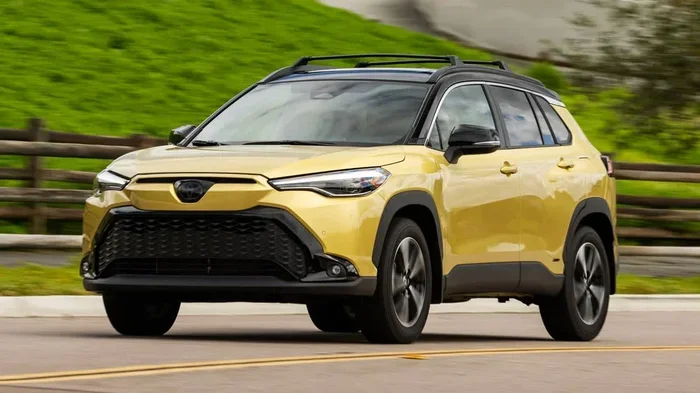
What Small SUV Has the Longest Life Expectancy Top Picks
Finding a small SUV that lasts for decades is possible when you pick the right model. The Toyota RAV4, Honda CR-V, and Mazda CX-5 consistently top reliability charts for vehicle longevity. These durable SUVs earn top marks for SUV dependability, low repair costs, and strong resale value. This guide breaks down the data so you can make a smart, long-term purchase.
Buying a car is a big decision. You want something that fits your life today. But you also want something that will still run strong years from now. That is why so many car buyers ask one simple question: what small SUV has the longest life expectancy?
The answer might surprise you. Some compact SUVs easily reach 200,000 miles or more. Others start showing problems well before the 100,000-mile mark. The difference comes down to a few key factors. Engine design, build quality, and how well you maintain the vehicle all play a role. In this article, we will walk you through the best long-lasting small SUVs on the market. We will also share practical tips to help your SUV last as long as possible.
Whether you are buying your first SUV or replacing a aging vehicle, this guide has you covered. We looked at real-world data, reliability ratings, and owner reports. The goal is simple. Help you find a vehicle that delivers years of dependable service without breaking the bank.
Key Takeaways
- Toyota RAV4 leads the pack: It is widely regarded as the longest-lasting small SUV on the road today.
- Honda CR-V matches RAV4 in reliability: Both models regularly hit 200,000+ miles with proper care.
- Mazda CX-5 offers a fun driving experience: It combines sporty handling with impressive SUV durability.
- Regular maintenance is the biggest factor: Following the service schedule adds years to any vehicle lifespan.
- Repair costs matter: Long-lasting SUVs keep ownership costs low over time.
- Resale value reflects longevity: The most durable models hold their value best.
📑 Table of Contents
- Why Small SUVs Are Built to Last
- What Small SUV Has the Longest Life Expectancy
- What Makes a Small SUV Last 200,000 Plus Miles
- Maintenance Tips That Add Years to Your Small SUV
- Cost of Ownership Over the Long Run
- How to Choose the Most Durable Small SUV for You
- Final Verdict: Which Small SUV Should You Buy?
Why Small SUVs Are Built to Last
The Rise of the Compact SUV
Small SUVs have exploded in popularity over the last decade. They offer the upright seating and cargo space of a larger SUV. But they fit into tight parking spots and deliver better fuel efficiency. This combination makes them ideal for daily driving and road trips alike.
Automakers know buyers want vehicle longevity. That is why companies like Toyota, Honda, and Mazda invest heavily in engineering durable SUVs. They use stronger materials, better engines, and smarter design. The result is a long-lasting vehicle that can handle hundreds of thousands of miles.
Why Longevity Matters to Car Buyers
Let us be honest. Nobody wants to buy a car that falls apart in five years. A durable SUV saves you money on replacement costs. It also gives you peace of mind every time you get behind the wheel. When a small SUV is built to last, it becomes more than transportation. It becomes a reliable part of your daily life.
Car ownership costs add up fast. Repair bills, insurance, and fuel all take a bite out of your budget. That is why choosing a model with strong SUV reliability ratings is so important. A well-built compact SUV keeps those costs low for years.
What Small SUV Has the Longest Life Expectancy
So, which models actually deliver on the promise of a long vehicle lifespan? We looked at owner reports, industry data, and expert reviews. Here are the top contenders for the longest-lasting small SUV.
Toyota RAV4: The Undisputed Longevity King
The Toyota RAV4 stands at the top of almost every reliability list. It is the best-selling compact SUV for a reason. Owners regularly report crossing the 200,000-mile mark with only routine maintenance. The RAV4 earns top marks for SUV dependability year after year.
Here is what makes the RAV4 so long-lasting:
- Proven engine design: The 2.5-liter four-cylinder engine is simple and robust. It has been refined over decades.
- Strong build quality: Toyota uses high-quality materials throughout the cabin and undercarriage.
- Low repair costs: Parts are widely available and affordable. Most independent shops can service the RAV4 easily.
- Strong resale value: A used RAV4 holds its value better than almost any competitor.
The RAV4 Hybrid is an excellent choice too. It adds fuel efficiency without sacrificing durability. Many hybrid RAV4 owners report just as much longevity as the gas-only version.
Honda CR-V: A Close Second
The Honda CR-V is another compact SUV that excels at vehicle longevity. It has a loyal following of owners who keep their CR-Vs for well over a decade. The CR-V matches the RAV4 in many reliability benchmarks.
Here is what makes the CR-V a standout:
- Reliable VTEC engine: Honda’s engine technology is proven and time-tested.
- Spacious and practical: The CR-V offers excellent cargo room for its size.
- Smooth driving experience: The CR-V feels refined even after many miles on the odometer.
- Affordable maintenance: Routine service costs are reasonable and predictable.
If you are looking for a long-lasting SUV that is also fun to drive, the CR-V deserves a spot on your shortlist.
Mazda CX-5: Reliability Meets Fun
The Mazda CX-5 brings a sporty edge to the compact SUV class. It is not just reliable. It is also one of the most enjoyable small SUVs to drive. Mazda engineered the CX-5 with both durability and driving pleasure in mind.
Key strengths of the CX-5 include:
- Premium interior quality: The cabin feels upscale for the price range.
- Efficient SkyActiv engines: Mazda’s engine technology delivers great fuel economy and longevity.
- Strong SUV durability: The CX-5 holds up well over time with proper care.
- Excellent safety ratings: Mazda prioritizes safety in every model.
The CX-5 may not be the absolute longest-lasting small SUV. But it comes very close. And it offers a driving experience that competitors simply cannot match.
Quick Comparison: Longest-Lasting Small SUVs
| Model | Avg. Lifespan | Reliability Rating | Resale Value | Avg. Repair Cost |
|---|---|---|---|---|
| Toyota RAV4 | 200,000+ miles | Excellent | High | Low |
| Honda CR-V | 200,000+ miles | Excellent | High | Low |
| Mazda CX-5 | 180,000+ miles | Very Good | Good | Low to Moderate |
| Subaru Forester | 175,000+ miles | Very Good | Moderate | Moderate |
| Hyundai Tucson | 170,000+ miles | Good | Moderate | Low |
This comparison table shows the top five small SUVs for longevity. The Toyota RAV4 and Honda CR-V clearly lead the pack. But all five models offer strong vehicle dependability and reasonable ownership costs.
What Makes a Small SUV Last 200,000 Plus Miles
Not every small SUV reaches the 200,000-mile milestone. So what separates the longest-lasting models from the rest? Several factors come into play.
Engine and Drivetrain Durability
The engine is the heart of any vehicle. Simple, well-designed engines tend to last the longest. Toyota and Honda are famous for building engines that run for hundreds of thousands of miles with basic care. These engines use durable internal components and efficient cooling systems.
AWD (all-wheel drive) systems add complexity. They can introduce additional wear over time. If you prioritize vehicle longevity, a front-wheel-drive compact SUV may be the smarter choice. It has fewer parts that can fail and lower SUV maintenance costs.
Build Quality and Materials
How a vehicle is put together matters. High-quality welding, solid frame construction, and premium seals all contribute to a long car lifespan. Cheap materials may save money upfront. But they often lead to premature wear and costly repairs down the road.
Japanese automakers have a strong reputation for build quality. They focus on precision manufacturing. This attention to detail is a big reason why models like the RAV4 and CR-V are so long-lasting.
Electronics and Technology
Modern SUVs come packed with technology. Infotainment systems, sensors, and advanced driver aids add convenience. But they also add complexity. More electronics means more potential failure points. The longest-lasting small SUVs tend to balance technology with simplicity. They include useful features without overcomplicating the vehicle.
Maintenance Tips That Add Years to Your Small SUV
Even the most durable SUV needs proper care. Following a few simple maintenance habits can add years to your vehicle lifespan. Here is what every owner should do.
Follow the Service Schedule
This is the single most important thing you can do. Stick to the manufacturer’s recommended service intervals. Change your oil on time. Replace filters and fluids as specified. Skipping scheduled service is the fastest way to shorten your SUV’s life.
Quick Tip: Keep a detailed maintenance log. Record every oil change, tire rotation, and major service. This not only helps you stay on track. It also boosts resale value when you decide to sell.
Address Small Problems Early
A small noise today can become a big repair tomorrow. Do not ignore warning signs. If something sounds off, get it checked. Early detection saves money and prevents cascading damage to other components.
Common issues to watch for in older SUVs include:
- Unusual noises: Grinding, squealing, or knocking sounds.
- Fluid leaks: Puddles under your parked vehicle.
- Warning lights: Never ignore dashboard alert lights.
- Changes in handling: Pulling to one side or vibration while driving.
Common Mistakes That Shorten SUV Life
Many owners unknowingly shorten their SUV’s lifespan. Here are the most common mistakes to avoid:
- Ignoring oil changes: Dirty oil causes engine wear. Stick to the recommended interval.
- Skipping tire rotations: Uneven tire wear affects handling and safety.
- Overloading the vehicle: Exceeding the weight limit stresses the suspension and brakes.
- Using cheap parts: Non-OEM parts may not meet the same quality standards.
- Neglecting fluid flushes: Transmission and coolant fluid need periodic replacement.
Expert Insight: The Power of Prevention
Experienced mechanics agree on one thing. Prevention is always cheaper than repair. A $50 oil change today can prevent a $5,000 engine rebuild tomorrow. Treat your SUV well, and it will reward you with years of reliable service.
Cost of Ownership Over the Long Run
Longevity is not just about miles on the odometer. It is also about how much it costs to own and operate the vehicle over time. Let us break down the ownership costs for the top long-lasting small SUVs.
Repair and Maintenance Costs
The Toyota RAV4 and Honda CR-V consistently rank among the least expensive compact SUVs to maintain. Over a 10-year period, their repair costs are significantly lower than the industry average. The Mazda CX-5 is also affordable to service, though some owners report slightly higher costs for parts.
Here is a rough breakdown of average annual maintenance costs:
- Toyota RAV4: $400 to $500 per year
- Honda CR-V: $400 to $550 per year
- Mazda CX-5: $450 to $600 per year
- Industry Average for Small SUVs: $550 to $700 per year
These numbers add up over time. A lower annual maintenance cost means thousands of dollars saved over the life of the vehicle.
Resale Value of Long-Lasting SUVs
When you buy a durable SUV, you also benefit from strong resale value. The RAV4 and CR-V consistently hold 60% or more of their value after five years. This is a huge advantage if you like to trade in or sell your vehicle regularly.
Strong resale value reflects SUV dependability in the market. Buyers know these models last. That demand keeps prices high, which works in your favor when it is time to sell.
How to Choose the Most Durable Small SUV for You
With so many great options, how do you pick the right one? Here are some practical tips to guide your decision.
Match the SUV to Your Driving Habits
Think about how you use your vehicle every day. Do you commute long distances? Do you tow a trailer? Do you need AWD for winter weather? Your driving habits should shape your choice. A front-wheel-drive RAV4 might be perfect for a city commuter. An AWD CR-V might be better for someone who faces harsh winters.
The best long-lasting small SUV is the one that fits your lifestyle. When a vehicle matches your needs, it is less likely to be overworked or underutilized. Both extremes can shorten vehicle lifespan.
Research Reliability Ratings Before Buying
Do your homework before visiting the dealership. Check reliability ratings from trusted sources like Consumer Reports and J.D. Power. Look at owner reviews for real-world insights. Pay attention to common complaints and known issues for each model year.
Quick Tips for Researching SUV Reliability:
- Check Consumer Reports reliability scores for the specific model year.
- Read owner forums for real-world long-term feedback.
- Look up recall history for the model you are considering.
- Compare warranty coverage across brands.
- Ask a trusted mechanic for their opinion on the model.
Consider the Total Cost of Ownership
The sticker price is only part of the equation. Factor in fuel costs, insurance, maintenance, and potential repairs. A slightly more expensive SUV that lasts longer may actually save you money over time. This is the true meaning of vehicle longevity.
Final Verdict: Which Small SUV Should You Buy?
So, what small SUV has the longest life expectancy? The answer is clear. The Toyota RAV4 takes the top spot. It is the gold standard for compact SUV longevity. The Honda CR-V is a close second, offering the same level of dependability with a slightly different driving feel. The Mazda CX-5 rounds out our top three with a perfect blend of durability and driving enjoyment.
No matter which model you choose, remember that your maintenance habits make the biggest difference. A well-cared-for RAV4 can easily reach 250,000 miles. A neglected one might not make it past 100,000. Take care of your vehicle, follow the service schedule, and address problems early. Your long-lasting small SUV will reward you with years of safe, reliable driving.
The best long-lasting small SUV is the one that fits your needs, your budget, and your lifestyle. Pick the model that feels right for you. And then take great care of it. That is the real secret to vehicle longevity.
Frequently Asked Questions
What is the average lifespan of a small SUV?
Most well-maintained small SUVs last between 150,000 and 200,000 miles. Some models like the Toyota RAV4 and Honda CR-V regularly exceed 200,000 miles with proper care. Your driving habits and maintenance routine play a huge role in reaching these milestones.
Which small SUV is the most reliable?
The Toyota RAV4 is widely considered the most reliable small SUV available today. The Honda CR-V is a close second. Both models consistently earn excellent reliability ratings from Consumer Reports and J.D. Power. They are known for their durable engines and low repair costs over time.
How can I make my small SUV last longer?
Follow the manufacturer’s service schedule strictly. Change your oil on time, rotate your tires, and replace fluids as recommended. Address any unusual noises or warning lights immediately. Avoid overloading the vehicle and use quality parts for all repairs. These simple habits add years to your SUV’s life.
Is it worth buying a used small SUV for long-term ownership?
Absolutely. The best small SUVs for longevity hold their value well and are built to last well beyond 100,000 miles. A used RAV4 or CR-V with a clean maintenance history can serve you reliably for many more years. Just make sure to get a pre-purchase inspection from a trusted mechanic.
Do hybrid small SUVs last as long as gas models?
Yes, hybrid small SUVs like the Toyota RAV4 Hybrid are built to last just as long as their gas-only counterparts. The hybrid powertrain adds some complexity, but Toyota’s hybrid technology is proven and highly reliable. Many hybrid owners report the same excellent vehicle lifespan as gas model owners.
What is the cheapest small SUV to maintain over 10 years?
The Toyota RAV4 and Honda CR-V are the least expensive small SUVs to maintain over a 10-year period. Their parts are affordable, widely available, and simple to service. Routine maintenance costs are lower than the industry average for compact SUVs. This makes them excellent choices for budget-conscious buyers who want long-term reliability.
=== CONCLUSION ===
Finding a small SUV with the longest life expectancy comes down to picking the right model and taking care of it. The Toyota RAV4, Honda CR-V, and Mazda CX-5 all deliver outstanding vehicle longevity when properly maintained. They offer strong SUV reliability ratings, low repair costs, and excellent resale value.
Remember, the best small SUV for you is the one that fits your lifestyle and budget. Do your research before buying. Follow a consistent maintenance schedule after purchase. And never ignore warning signs that something needs attention.
A durable SUV is an investment in your future. It gives you reliable transportation, lower ownership costs, and peace of mind on every trip. Use the information in this guide to make a confident, smart choice. Your future self will thank you every time you turn the key.