What Is the Average Profit on a New Car Sale Revealed
The average profit on a new car sale is surprisingly thin, with most dealers earning between $500 and $2,000 per vehicle. Dealer profit margins depend on factors like invoice price, MSRP, dealer holdback, and factory incentives. Understanding how new car dealer profit works helps buyers negotiate better deals and avoid overpaying.
Have you ever wondered how much money a car dealership actually makes when you buy a new car? The answer might surprise you. Many people assume dealers are rolling in cash every time a car sells. But the average profit on a new car sale tells a very different story. Most dealers earn just a few hundred to a couple thousand dollars per vehicle. Understanding this number changes the way you buy cars forever.
The new car dealer profit landscape has shifted dramatically in recent years. Rising costs, supply chain issues, and changing consumer habits all play a role. Whether you are a first-time buyer or a seasoned shopper, knowing how car dealership revenue works puts you in a stronger position. This guide breaks down everything you need to know about dealer profit margin, how dealers calculate their earnings, and what it means for your wallet.
Key Takeaways
- Typical Profit Range: Most dealers earn between $500 and $2,000 per new car sale on average.
- Invoice Price Matters: The gap between the sticker price and invoice price determines potential profit.
- Holdback and Incentives: Dealer holdback and factory incentives boost margins significantly.
- Popular Models Pay Less: High-demand vehicles often have thinner profit per vehicle due to competition.
- Hidden Revenue Streams: Dealers earn from trade-in value markups, financing, and add-ons.
- Buyer Awareness Helps: Knowing car dealership profit structures gives you negotiating power.
📑 Table of Contents
How New Car Dealers Make Money
Selling a car is not as simple as slapping a price tag on it. Dealerships operate on thin margins and high volume. Every dollar counts when running a car dealership. Let us explore the core components that make up new car sales profit.
The Role of MSRP and Invoice Price
Every new car comes with two key numbers. The first is the manufacturer’s suggested retail price, commonly known as the sticker price. The second is the invoice price, which is what the dealer pays the manufacturer. The difference between these two numbers is where dealer profit begins.
Here is how it works in practice:
- MSRP is the price displayed on the window sticker.
- Invoice Price is the dealer’s cost before any discounts.
- The gap between them is the starting point for profit.
But here is the catch. Dealers rarely sell at full MSRP. Buyers negotiate, and discounts eat into that gap. So the actual profit per vehicle is often much smaller than people think.
Dealer Holdback and Manufacturer Incentives
Manufacturers use clever tools to keep dealers in business. One of the most important is dealer holdback. This is a percentage of the MSRP or invoice price that the manufacturer rebates to the dealer after the car sells.
Factory incentives also play a big role. These include:
- Dealer cash incentives for hitting sales targets.
- Bonus programs for selling specific models.
- Regional marketing allowances that reduce overhead.
These programs can add hundreds or even thousands of dollars to the new car dealer profit. Without them, many dealerships would struggle to stay afloat.
Average Profit on a New Car Sale Breakdown
Now let us get to the numbers. What does the average profit on a new car sale actually look like? The answer varies by vehicle type, brand, and market conditions.
Profit by Vehicle Type
Not all cars are created equal when it comes to dealer profit margin. Here is a general breakdown:
- Economy Cars: Profit ranges from $200 to $800. These vehicles sell in high volume but carry very little margin.
- Mid-Size Sedans: Profit ranges from $500 to $1,500. Popular models in this category often sit at the lower end.
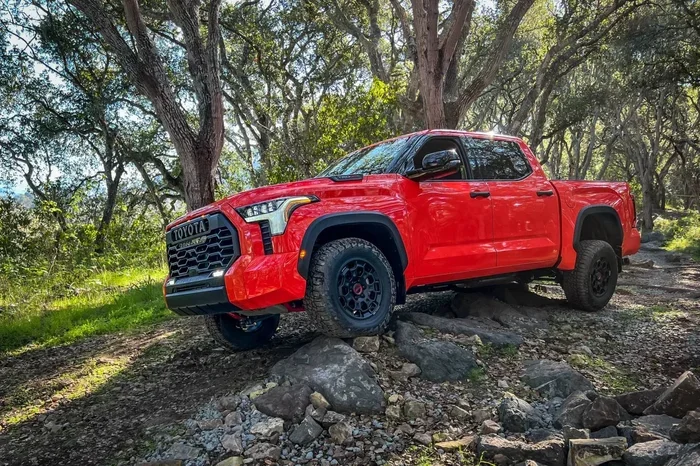
- SUVs and Trucks: Profit ranges from $1,000 to $3,000. These are the money-makers for most dealerships.
- Luxury Vehicles: Profit can exceed $3,000 per sale. Brand prestige allows for higher vehicle markup.
As you can see, the type of car you buy directly impacts the new car sales profit. Trucks and SUVs dominate the market for a reason. They offer dealers the best return on investment.
How Dealerships Calculate Gross Profit
Dealers do not just look at the sale price. They calculate gross profit margin using several factors:
- Sale Price minus Invoice Price.
- Add dealer holdback and manufacturer incentives.
- Subtract dealer overhead costs like advertising and staff.
- The result is the net profit per vehicle.
This formula shows why the sticker price is only part of the story. Many hidden numbers influence the final profit per vehicle.
Factors That Affect Dealer Profit Margins
The average profit on a new car sale is not fixed. Several factors push it up or down. Understanding these variables helps you see the full picture.
Popular vs. Slow-Selling Models
High-demand vehicles create a competitive environment. When everyone wants the same car, dealers have less room to mark it up. In fact, popular models sometimes sell below MSRP.
On the other hand, slow-selling models often come with steep discounts. Dealers may lower prices just to move inventory. This pressure reduces new car dealer profit but keeps the lights on.
Regional Market Differences
Where you live matters. A dealership in a rural area may face different challenges than one in a major city. Factors include:
- Local demand for specific vehicle types.
- Competition from nearby dealerships.
- Tax rates and registration fees.
- Economic conditions in the region.
These regional differences create wide variations in dealer profit margin across the country.
How Much Do Dealers Actually Make Per Sale
The average profit on a new car sale is just the beginning. Dealerships earn money from multiple sources beyond the vehicle sale itself. Let us look at the numbers more closely.
Salesperson Commission Structure
Salespeople do not earn a flat salary. They work on sales commission, which is a percentage of the profit. A typical commission structure looks like this:
- New cars: 20% to 25% of the gross profit.
- Used cars: 25% to 30% of the gross profit.
- Service departments: Commission on repairs and parts sales.
This means a salesperson might earn $100 to $500 per new car sale. It is not the fortune many people imagine.
Hidden Revenue Streams for Dealerships
Here is where things get interesting. The car dealership revenue model extends far beyond the car sale. Dealers make money from:
- Trade-in markups. Buying a trade-in low and selling it higher.
- Financing and interest. Dealers often earn a percentage on loans.
- Add-ons and extras. Extended warranties, paint protection, and accessories.
- Service department visits. Oil changes, repairs, and maintenance.
These hidden streams often contribute more to car dealership revenue than the vehicle sale itself. This is why some dealers focus less on the car price and more on the overall deal package.
Tips for Understanding Car Dealership Profits
Knowledge is power. When you understand how dealer profit margin works, you become a smarter buyer. Here are practical tips to help you navigate the process.
Quick Tips for Buyers
- Know the invoice price before you step onto the lot. Use online tools to find it.
- Ask about dealer holdback and whether it applies to the vehicle you want.
- Get multiple quotes from different dealerships to compare offers.
- Focus on the total deal, not just the monthly payment.
- Be willing to walk away. This gives you leverage in negotiations.
Common Mistakes Buyers Make
Many buyers unknowingly leave money on the table. Here are mistakes to avoid:
- Focusing only on the sticker price. The sale price is what matters.
- Ignoring add-on costs. Extended warranties and accessories inflate the total.
- Not negotiating the trade-in separately. Bundling it with the car sale reduces your leverage.
- Rushing the process. Pressure leads to poor decisions.
Avoiding these mistakes helps you secure a fair deal and understand the true new car sales profit at play.
The Future of New Car Profitability
The automotive industry is changing fast. Electric vehicles, online sales, and direct-to-consumer models are reshaping how dealership profit works. What does this mean for the future?
Electric vehicles often come with lower profit per vehicle for dealers. The vehicle markup on EVs is tighter because manufacturers control pricing more closely. Meanwhile, online car buying platforms are cutting out the middleman entirely.
Despite these changes, the traditional dealership model still dominates. Average profit on a new car sale numbers will continue to evolve. But one thing remains constant: informed buyers always get the best deals.
Whether you are buying a fuel-efficient sedan or a powerful truck, understanding dealer profit margin gives you an edge. The more you know, the better equipped you are to negotiate and save.
Conclusion
The average profit on a new car sale is smaller than most people expect. Dealers work hard for every dollar, balancing invoice price, MSRP, dealer holdback, and factory incentives. From sales commission to hidden revenue streams, the car dealership revenue model is complex and layered.
Knowing how new car dealer profit works transforms your buying experience. You can negotiate with confidence, avoid common pitfalls, and find the best value for your money. The next time you visit a dealership, you will see the numbers behind the numbers. And that knowledge is your greatest asset.
Take what you have learned here and apply it on your next car purchase. Understanding dealer profit margin and profit per vehicle puts you ahead of the game. Happy car shopping.
Frequently Asked Questions
What is the average profit on a new car sale?
The average profit on a new car sale ranges from $500 to $2,000 for most dealerships. This number varies based on the vehicle type, brand, and regional market conditions. Luxury models and trucks tend to generate higher margins than economy cars.
How do dealers calculate their profit on a new car?
Dealers calculate profit by subtracting the invoice price from the sale price, then adding dealer holdback and manufacturer incentives. They also account for overhead costs like advertising, staff salaries, and lot expenses. The final number represents the net profit per vehicle.
Do dealers make more money on used or new cars?
Generally, dealers earn higher profit per vehicle on used cars because the markup is larger. However, new cars move faster and bring steady car dealership revenue through volume. Many dealers rely on both segments to maintain healthy dealer profit margin.
What is dealer holdback and how does it affect profit?
Dealer holdback is a percentage of the MSRP or invoice price that the manufacturer returns to the dealer after the sale. It effectively lowers the dealer’s cost and increases new car sales profit. This hidden amount is one reason the average profit on a new car sale is higher than the sticker-to-invoice gap suggests.
Can buyers negotiate based on dealer profit?
Yes, understanding dealer profit margin gives buyers negotiating power. When you know the invoice price and holdback amounts, you can make informed offers. This knowledge helps you avoid overpaying and secure a fair sale price.
Are electric vehicles less profitable for dealers?
Many electric vehicles have tighter profit per vehicle margins because manufacturers control pricing more closely. The vehicle markup on EVs is often smaller than on traditional vehicles. As the market evolves, dealer profit structures for EVs may shift further.