Is the Kia Soul Front-Wheel Drive We Explain Everything
The Kia Soul is primarily a front-wheel drive vehicle, with most trims and model years coming standard in a front-wheel drive configuration. While Kia offered an all-wheel drive option on select newer Soul models, the vast majority of Soul owners drive a front-wheel drive car. Understanding your drivetrain helps with maintenance, tire choices, and overall driving performance.
This is a comprehensive guide about Is the Kia Soul Front-Wheel Drive?.
Key Takeaways
- Front-Wheel Drive Standard: Most Kia Soul trims come factory-equipped with a front-wheel drive system as the default layout.
- AWD Was Available: Kia introduced an all-wheel drive variant on select Soul models, but it was limited to specific years and trims.
- FWD Affects Maintenance: Front-wheel drive vehicles have unique maintenance needs, including tire wear patterns and transmission care.
- Fuel Economy Benefits: The front-wheel drive setup contributes to the Kia Soul’s competitive fuel economy ratings.
- Traction Considerations: FWD models may need winter tires in snowy conditions, since they lack the power distribution of AWD systems.
- Drivetrain Impacts Handling: The front-wheel layout influences how the Soul handles turns, braking, and acceleration.
- Know Your Trim: Always check your specific model year and trim to confirm whether your Soul is FWD or AWD.
[FEATURED_IMAGE_PLACEHOLDER]
Is the Kia Soul Front-Wheel Drive? We Explain Everything
If you are shopping for a Kia Soul or you already own one, you might be asking a simple but important question: is the Kia Soul front-wheel drive? The short answer is yes, most Kia Soul models come standard with a front-wheel drive system. But like many cars, there are some details you should know before you assume anything.
The Kia Soul has been a popular choice for drivers who want a compact SUV with a unique boxy design, good fuel economy, and plenty of interior space. Whether you are buying used or looking at new models, understanding the drivetrain matters. It affects how the car handles, how much maintenance it needs, and even what kind of tires you should buy. In this guide, we walk through everything you need to know about the Kia Soul drivetrain and what front-wheel drive means for your ownership experience.
We will cover how the front-wheel drive system works in the Soul, which model years offered all-wheel drive, what maintenance your FWD setup requires, and how it compares to other drivetrain options. By the end, you will have a clear picture of what to expect from your Kia Soul. Let us dive in.
What Does Front-Wheel Drive Mean?
Before we get into the specifics of the Kia Soul, let us quickly cover what front-wheel drive actually means. In a front-wheel drive configuration, the engine sends power to the front wheels only. These two wheels are responsible for both moving the car forward and steering it. This is the most common drivetrain layout in modern passenger cars and compact SUVs.
Here is how a front-wheel drive system works in simple terms:
- The engine connects to a transaxle, which combines the transmission and differential into one unit.
- Power flows from the transaxle to the front wheels through drive shafts called CV axles.
- The front wheels handle acceleration, steering, and most of the braking workload.
- The rear wheels simply roll along for the ride, with no engine power sent to them.
This layout keeps the car lighter and more fuel-efficient. It also gives passengers more interior space because there is no driveshaft running to the rear. For a small SUV like the Kia Soul, this makes a lot of sense. Most drivers in urban and suburban settings do not need all-wheel drive, and front-wheel drive delivers exactly what they need.
Front-Wheel Drive vs. All-Wheel Drive
You might wonder how front-wheel drive compares to all-wheel drive. In an AWD system, power goes to all four wheels. This gives better traction on slippery roads and improved handling in certain conditions. But AWD also adds weight, reduces fuel economy, and costs more. For the Kia Soul, the standard FWD layout keeps the price low and the efficiency high. Most owners never feel the need for AWD in their daily driving.
The Kia Soul Drivetrain Explained
Now let us look at the Kia Soul drivetrain in detail. The Soul has been around since 2009, and its drivetrain setup has stayed fairly consistent across generations. The vast majority of Kia Soul trims are front-wheel drive vehicles. This includes the base model, the Plus, the Exclaim, and most special editions.
The Soul uses a 2.0-liter four-cylinder engine in most trims. This engine produces around 147 horsepower and sends all of that power to the front wheels through a continuously variable transmission, or CVT. Some earlier models used a conventional automatic transmission, but the CVT became the standard for better fuel economy.
Here are some key specs for the Kia Soul drivetrain:
- Engine: 2.0-liter naturally aspirated four-cylinder
- Transmission: CVT (Continuously Variable Transmission)
- Drivetrain: Front-wheel drive (standard on most trims)
- Horsepower: 147 hp
- Torque: 132 lb-ft
- Fuel Economy (FWD): Approximately 30 mpg city / 40 mpg highway
The Kia Soul front-wheel drive setup is straightforward and reliable. There are fewer moving parts compared to AWD systems, which means fewer things to go wrong over time. Regular maintenance like fluid changes and belt inspections keeps everything running smoothly.
How the FWD Layout Affects the Soul’s Performance
Because the front-wheel drive Kia Soul sends all its power to the front wheels, you will notice certain driving characteristics. The car tends to pull slightly forward during acceleration. This is normal and expected with any FWD vehicle. The boxy shape of the Soul also means it has a high center of gravity, so you want to take turns at reasonable speeds.
On the positive side, the front-wheel drive configuration gives the Soul good traction in dry and wet conditions. The weight of the engine over the front wheels helps grip the road during acceleration. For city driving, highway cruising, and daily commuting, the FWD layout works perfectly well.
Did Kia Offer All-Wheel Drive on the Soul?
You might have heard about an AWD version of the Kia Soul. So, did Kia offer all-wheel drive on this car? The answer is yes, but only for a limited time and on select models. Kia introduced an all-wheel drive option on the Soul starting around the 2016 model year for the second generation. However, this AWD variant was not available on every trim or in every market.
The AWD Soul was typically offered on higher trims and came with a slightly different powertrain setup. The AWD system used a torque-vectoring rear differential to send power to the rear wheels when needed. This gave the Soul better grip in snow and light off-road conditions.
However, the AWD Soul was discontinued after a few years. If you are shopping for a used Soul today, the overwhelming majority of them are front-wheel drive. Here is a quick comparison:
| Feature | FWD Soul | AWD Soul (Limited) |
|---|---|---|
| Availability | Standard on all trims | Select trims only |
| Fuel Economy | Better (30/40 mpg) | Slightly lower |
| Price | Lower starting price | Higher starting price |
| Maintenance | Simpler and cheaper | More complex and costly |
| Traction | Good in most conditions | Better in snow and rain |
| Commonality | Very common | Rare |
If you are not sure whether your Soul is FWD or AWD, check your owner’s manual or look at the badge on the back of the car. AWD models usually have a badge indicating the drivetrain type. You can also look under the car to see if there is a driveshaft running to the rear axle, which would indicate AWD.
Front-Wheel Drive Maintenance for the Kia Soul
Owning a front-wheel drive Kia Soul comes with some specific maintenance considerations. Since the front wheels handle both steering and driving, they wear faster than the rear tires. This is one of the most important things to keep in mind as a Soul owner.
Tire Maintenance
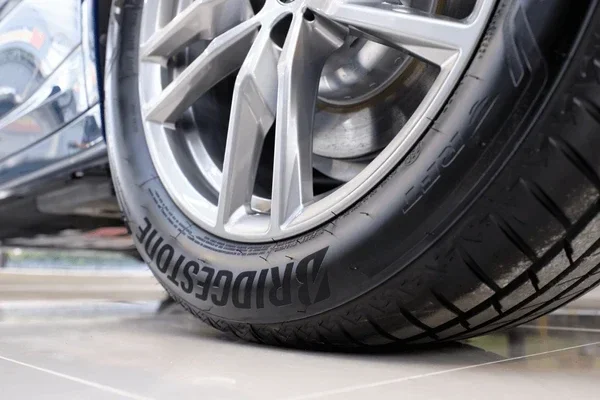
Tire maintenance is critical on any FWD vehicle. The front tires on your Kia Soul do the heavy lifting. They handle acceleration, braking, and steering. This means they wear out faster than the rear tires. Here are some tips to keep your tires in great shape:
- Rotate your tires every 5,000 to 7,500 miles. This helps even out the wear between front and rear.
- Check tire pressure monthly. Underinflated tires wear faster on the outer edges of the tread.
- Replace tires in pairs. Put new tires on the rear axle first, then move the older rear tires to the front. This helps maintain stability.
- Consider winter tires if you live in a snowy area. Since the Soul is front-wheel drive, winter tires on the front provide essential grip in snow and ice.
Transmission and Drivetrain Fluid
The CVT transmission in the Kia Soul needs regular fluid changes to stay healthy. Most manufacturers recommend changing the CVT fluid every 60,000 to 80,000 miles. Check your owner’s manual for the exact interval. Fresh fluid keeps the transmission shifting smoothly and prevents premature wear.
You should also inspect the CV axle boots regularly. These rubber boots protect the constant-velocity joints that connect the transmission to the front wheels. If a boot tears, grease leaks out and moisture gets in, which can destroy the CV joint. Replacing a boot early is much cheaper than replacing the entire axle.
Brakes
Because the front wheels do most of the braking work on a front-wheel drive car, the front brake pads and rotors wear faster. Plan to replace your front brakes more often than your rear brakes. Typical intervals are around 30,000 to 50,000 miles for the front pads, depending on your driving style.
Oil and Fluid Checks
Regular oil changes keep the engine running smoothly. If you have ever wondered can you tell if your car is low on oil, the answer is yes. Check the dipstick monthly and top off as needed. Also, make sure you do not overfill the engine. If you are curious about the risks of overfilling, you can read about what happens if you put too much oil in your car. Keeping fluid levels in the correct range is one of the simplest ways to protect your drivetrain.
Is the Kia Soul Good in Snow with FWD?
Many drivers worry about whether a front-wheel drive car handles well in snow. The Kia Soul is no exception. The good news is that the Soul performs reasonably well in light snow thanks to its front-wheel drive system and the weight of the engine over the drive wheels.
However, there are limits. If you live in an area with heavy snowfall or icy roads, you may want to invest in a set of winter tires. Winter tires provide significantly more grip than all-season tires, and they make a big difference on a front-wheel drive SUV. The Soul’s compact size and light weight also help it stay manageable in slippery conditions.
Here are some tips for driving your FWD Kia Soul in snow:
- Accelerate gently to avoid spinning the front wheels.
- Increase your following distance since braking distances are longer on ice.
- Use winter tires for the best traction.
- Avoid sudden steering inputs, which can cause the front wheels to lose grip.
- Keep your gas tank at least half full to prevent fuel line freeze-up.
For most drivers, the Kia Soul front-wheel drive setup is perfectly adequate for winter driving. Only in extreme snow conditions would you truly need AWD. And even then, winter tires on a FWD car can outperform AWD with all-season tires.
Common Mistakes Kia Soul FWD Owners Make
Owning a front-wheel drive Kia Soul is straightforward, but some owners make mistakes that lead to unnecessary wear or repair costs. Here are a few common ones to avoid:
- Neglecting tire rotations: Skipping rotations causes uneven wear and shortens tire life.
- Ignoring CV boot damage: A small tear can lead to a costly CV joint replacement if left unchecked.
- Using the wrong transmission fluid: Always use the fluid specified in your owner’s manual for the CVT.
- Overloading the car: The Soul has a limited payload capacity. Overloading puts extra stress on the drivetrain and suspension.
- Skipping brake inspections: Since the front brakes wear faster, regular inspections help you catch problems early.
Avoiding these mistakes keeps your Kia Soul running smoothly for years. Simple preventive maintenance goes a long way with any vehicle, and the Soul is no different.
How Does the Kia Soul FWD Compare to Competitors?
The Kia Soul competes with cars like the Honda HR-V, Nissan Kicks, and Hyundai Kona. Most of these competitors also come standard with front-wheel drive. The Soul’s FWD setup is competitive in terms of fuel economy, interior space, and price.
One thing that sets the Soul apart is its unique design. The boxy shape gives it more interior cargo space than many rivals. The front-wheel drive layout helps maximize that space by eliminating the driveshaft tunnel that runs through the cabin in some other vehicles.
In terms of reliability, the Kia Soul FWD has a solid track record. The CVT transmission has been generally dependable, and the 2.0-liter engine is known for longevity with proper maintenance. If you are comparing the Soul to other compact SUVs, the drivetrain should not be a concern. Front-wheel drive is a proven, efficient, and low-maintenance choice for this type of vehicle.
For more information about general car maintenance topics, you might find it helpful to read about whether you can drive a car if the key fob battery dies or how to check your oil level. These are everyday questions that every car owner should know the answers to.
Final Thoughts
So, is the Kia Soul front-wheel drive? Yes, the vast majority of Kia Soul models are front-wheel drive vehicles. The standard FWD layout keeps the car efficient, affordable, and easy to maintain. While Kia did offer an AWD option on select models, it was limited and rare. If you own or are buying a Soul today, there is a very strong chance it is a front-wheel drive car.
Understanding your drivetrain helps you make smarter decisions about maintenance, tires, and driving habits. The Kia Soul front-wheel drive system is reliable and well-suited for daily driving, commuting, and even light winter conditions. With proper care and regular maintenance, your Soul will serve you well for many miles to come.
Whether you are a new Soul owner or a long-time fan, knowing the basics of your drivetrain gives you confidence behind the wheel. Keep up with your maintenance schedule, watch your tire wear, and enjoy the ride. The Kia Soul is a great little car, and its front-wheel drive setup is a big part of why it works so well.
Remember, if you ever have questions about your car’s electrical system or battery, you can check out our guide on whether your car lights on auto drain the battery. Staying informed helps you take better care of your vehicle and avoid costly surprises.
Frequently Asked Questions
Is every Kia Soul front-wheel drive?
Most Kia Soul models come standard with front-wheel drive. However, Kia offered an all-wheel drive option on select Soul trims for a limited time. If you are unsure about your specific model, check your owner’s manual or look for an AWD badge on the vehicle.
Can you drive a Kia Soul with a dead key fob battery?
Yes, you can still drive the Kia Soul even if the key fob battery dies. Most modern cars, including the Soul, have a backup system that allows you to start the vehicle by placing the fob near the start button. For full details, you can check our guide on driving a car when the key fob battery dies.
Does front-wheel drive affect the Kia Soul’s fuel economy?
Yes, front-wheel drive generally improves fuel economy compared to all-wheel drive. The Kia Soul FWD gets approximately 30 mpg in the city and 40 mpg on the highway, which is excellent for a compact SUV. The lighter weight and simpler drivetrain of the FWD setup contribute to these strong numbers.
What maintenance does a front-wheel drive Kia Soul need?
A front-wheel drive Kia Soul needs regular tire rotations, CVT fluid changes, CV boot inspections, and brake pad replacements. The front tires and brakes wear faster since they handle both steering and driving. Staying on top of these items keeps your Soul running smoothly.
Is the Kia Soul good in snow with front-wheel drive?
The Kia Soul handles light snow well with its front-wheel drive system. For heavy snow or icy conditions, winter tires are highly recommended. The weight of the engine over the front wheels provides decent traction, but winter tires significantly improve safety and confidence in severe winter weather.
Can you put too much oil in a Kia Soul?
Yes, overfilling the engine with oil can cause damage. Excess oil can foam, reduce lubrication effectiveness, and even damage the catalytic converter. Always check your oil level using the dipstick and add oil gradually to avoid overfilling. If you want to learn more about the risks, you can read our article on driving a car with too much oil in it.