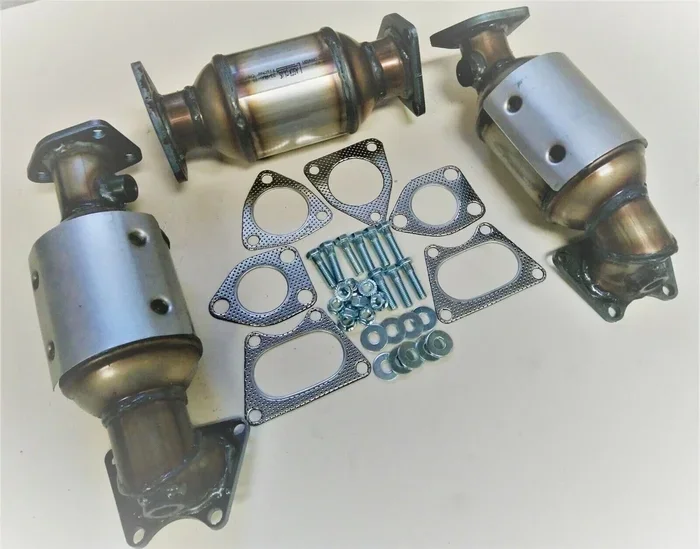
How Many Catalytic Converters Does an Acura MDX Have
The Acura MDX typically has two or three catalytic converters depending on the model year and engine configuration. Understanding your exhaust setup helps with emissions compliance, performance, and avoiding costly repairs. This guide breaks down everything you need to know about the catalytic converter system in your MDX.
If you own an Acura MDX or are thinking about buying one, you might wonder about the catalytic converter setup. How many catalytic converters does an Acura MDX have? The answer is not always straightforward. It depends on the model year, the engine type, and even the trim level you drive.
Most Acura MDX vehicles come equipped with two or three catalytic converters as part of the exhaust system. These small but mighty devices play a huge role in reducing harmful emissions. They also help your engine run smoothly and keep your vehicle compliant with environmental regulations.
In this article, we will break down everything you need to know. We will cover the exact number of converters in different MDX generations, why they matter, what happens when they fail, and how to keep them in great shape. Whether you are a current MDX owner or just doing research, this guide has you covered.
The Acura MDX has been a popular luxury SUV since it first hit the market. It offers a great blend of comfort, performance, and reliability. But like any vehicle, it has parts that need attention over time. The catalytic converter is one of those critical components that often gets overlooked until something goes wrong.
Understanding how your exhaust system works can save you money and headaches. It also helps you pass emissions tests and keep your vehicle running at its best. So let us dive right in and explore the catalytic converter setup in the Acura MDX.
Key Takeaways
- Most Acura MDX models use 2 to 3 catalytic converters as part of the exhaust system.
- The exact number depends on the model year, engine type, and trim level of your MDX.
- Catalytic converter theft is a real risk, so parking in secure areas helps protect your vehicle.
- Replacement costs can range from $1,000 to $3,000+ depending on whether you choose OEM or aftermarket parts.
- Regular maintenance and fuel quality can extend the life of your catalytic converter significantly.
- A failing catalytic converter triggers the check engine light and reduces fuel efficiency.
- Knowing your MDX’s exhaust setup helps you plan for inspections and repairs with confidence.
📑 Table of Contents
- How Many Catalytic Converters Does an Acura MDX Have?
- What Does a Catalytic Converter Do?
- Signs Your Catalytic Converter Is Failing
- Catalytic Converter Replacement Cost for the Acura MDX
- How to Protect Your Catalytic Converter
- Common Mistakes to Avoid
- Quick Tips for Acura MDX Owners
- Expert Insight: Why the MDX’s Converter Setup Matters
- Final Thoughts on the Acura MDX Catalytic Converter
How Many Catalytic Converters Does an Acura MDX Have?
The number of catalytic converters in an Acura MDX varies by generation and engine configuration. Most models use either two or three converters. Let us look at this in more detail so you know exactly what to expect for your specific vehicle.
First Generation MDX (2001-2006)
The first-generation Acura MDX came with a 3.5-liter V6 engine. This model typically had two catalytic converters in the exhaust system. The converters were positioned close to the exhaust manifold to treat fumes as early as possible.
These early models used a dual converter setup that worked well for the era. The exhaust design was simpler compared to later generations. If you own a first-gen MDX, you will likely have two converters under your vehicle.
Second Generation MDX (2007-2013)
The second-generation MDX saw some upgrades to the engine and exhaust system. The 3.5-liter V6 continued, but the exhaust routing changed slightly. Most second-generation models also used two catalytic converters.
However, some trims and market-specific variants included additional emissions equipment. This could mean a third converter in certain configurations. If you are unsure about your specific model, a full car diagnostic can confirm the exact setup under your MDX.
Third Generation MDX (2014-2020)
The third-generation Acura MDX brought a more refined approach to the exhaust system. The 3.5-liter V6 engine in this generation often included three catalytic converters. The extra converter helped meet stricter emissions standards that were introduced during this period.
The three-converter design allowed for better treatment of exhaust gases. It also improved fuel efficiency and overall engine performance. If you drive a 2014 or newer MDX, there is a good chance you have three converters working hard under your vehicle.
Fourth Generation MDX (2022-Present)
The latest Acura MDX continues the trend of advanced emissions control. The 3.5-liter V6 engine in the current generation uses three catalytic converters. This setup meets modern environmental standards while delivering smooth power delivery.
Acura has also focused on reducing exhaust backpressure in newer models. This means the converters are designed to work efficiently without slowing down the engine. The result is a better balance between performance and emissions control.
What Does a Catalytic Converter Do?
Now that you know how many converters your MDX has, let us talk about what they actually do. A catalytic converter is a key part of your vehicle’s exhaust system. Its main job is to reduce harmful emissions before they exit the tailpipe.
When your engine burns fuel, it produces gases that are bad for the environment. These include carbon monoxide, nitrogen oxides, and hydrocarbons. The catalytic converter uses a chemical reaction to convert these harmful gases into less dangerous ones like carbon dioxide and water vapor.
Inside the converter, you will find a honeycomb structure coated with precious metals. These metals include platinum, palladium, and rhodium. They act as catalysts to speed up the chemical reaction that cleans your exhaust fumes.
Without a working catalytic converter, your vehicle would release much more pollution into the air. It would also likely fail any emissions test required in your area. This is why keeping your converters in good condition is so important.
The Connection Between the Exhaust Manifold and the Converter
Exhaust gases first leave the engine through the exhaust manifold. From there, they flow into the catalytic converter. The converter treats the gases before they move on through the rest of the exhaust system.
In the Acura MDX, the exhaust manifold feeds directly into the first converter. From there, gases may pass through additional converters depending on your model. This step-by-step process ensures that harmful pollutants are minimized before reaching the atmosphere.
Signs Your Catalytic Converter Is Failing
Knowing the warning signs of a bad catalytic converter can save you from bigger problems down the road. The Acura MDX is a well-built vehicle, but no part lasts forever. Here are the most common signs that your converter may be going bad.
- Check Engine Light: This is often the first sign. A failing converter triggers the oxygen sensor, which lights up your dashboard.
- Reduced Fuel Economy: If your MDX is using more fuel than usual, a clogged converter might be the cause.
- Sluggish Performance: A blocked converter creates backpressure. This can make your engine feel weak or unresponsive.
- Rotten Egg Smell: A sulfurous odor from the exhaust is a classic sign of converter failure.
- Failed Emissions Test: If your vehicle does not pass an emissions check, the converter is a likely culprit.
- Rattling Noise: A broken converter can cause a rattling sound, especially when starting the engine or idling.
If you notice any of these symptoms, it is important to address them quickly. Ignoring a bad converter can lead to more serious engine problems. It can also cause your vehicle to fail inspections and pollute more than necessary.
Why the Check Engine Light Matters
The check engine light is your vehicle’s way of telling you something needs attention. When the oxygen sensor detects that the converter is not working properly, it triggers the light. You should not ignore this warning.
A quick diagnostic scan can confirm whether the converter is the issue. Many auto parts stores offer free car diagnostic services. This is a great first step if you suspect a problem with your Acura MDX exhaust system.
Catalytic Converter Replacement Cost for the Acura MDX
Replacing a catalytic converter can be one of the more expensive repairs on an Acura MDX. The cost depends on several factors, including the number of converters and whether you choose OEM or aftermarket parts.
OEM vs Aftermarket Converters
OEM converters are made by Acura or their approved suppliers. They are designed to match the exact specifications of your vehicle. OEM parts tend to last longer and fit perfectly, but they come at a higher price.
Aftermarket converters are made by third-party manufacturers. They are usually less expensive but may vary in quality. Some aftermarket options work just as well as OEM parts. Others may not last as long or meet the same emissions standards.
Average Cost Breakdown
For an Acura MDX, replacing one catalytic converter typically costs between $500 and $1,200 for the part alone. Labor adds another $200 to $500 depending on your location and the shop’s rates.
If your MDX has three converters and more than one needs replacement, the total cost can climb to $2,000 or more. This is why regular maintenance and early detection of problems are so valuable.
How to Reduce Replacement Costs
There are a few ways to manage the cost of converter replacement. First, address small exhaust issues before they become big problems. Second, use quality fuel that does not leave harmful deposits in your exhaust system. Third, ask your mechanic about warranty coverage for the part.
Some vehicles, including certain MDX models, may have extended emissions warranties. Check your owner’s manual or contact your Acura dealer to see what is covered. This can save you a significant amount of money if a converter fails within the warranty period.
How to Protect Your Catalytic Converter
Protecting your catalytic converter can help it last the life of your vehicle. With proper care and good driving habits, you can avoid many common problems. Here are some practical tips to keep your converters in great shape.
Use Quality Fuel
Always use the recommended fuel grade for your Acura MDX. Low-quality fuel can contain contaminants that damage the converter over time. Premium fuel is often recommended for the MDX’s V6 engine, and it helps keep the exhaust system clean.
Address Engine Problems Promptly
Engine misfires, rich fuel mixtures, and oil leaks can all damage the catalytic converter. If your engine is not running correctly, unburned fuel can enter the exhaust and clog the converter. Fixing engine issues early prevents costly converter damage.
Avoid Short Trips When Possible
The catalytic converter needs to reach a certain temperature to work effectively. Frequent short trips that do not allow the converter to fully warm up can cause buildup over time. Whenever possible, combine errands into longer drives.
Park in Secure Locations
Unfortunately, catalytic converter theft has become a growing problem. Thieves target vehicles with easy access to the undercarriage. Parking in well-lit areas, garages, or secure lots can help protect your MDX from theft.
Keep Up with Regular Maintenance
Regular oil changes, spark plug replacements, and air filter changes all contribute to a healthy exhaust system. A well-maintained engine produces fewer harmful byproducts. This reduces the workload on your catalytic converter and helps it last longer.
Common Mistakes to Avoid
When it comes to catalytic converters, there are some common mistakes that MDX owners make. Avoiding these can save you time, money, and frustration.
- Ignoring the Check Engine Light: Many people delay addressing this warning. Over time, a small issue can turn into a converter failure.
- Using the Wrong Fuel: Lower octane fuel can cause engine knock and damage emissions components over time.
- Skipping Regular Maintenance: Neglecting oil changes and spark plug replacements puts extra strain on the converter.
- Ignoring Exhaust Leaks: A small leak near the converter can affect its performance and trigger error codes.
- Buying the Cheapest Replacement Part: Low-quality aftermarket converters may fail quickly and cost more in the long run.
By being proactive and aware of these pitfalls, you can keep your Acura MDX running smoothly for years to come. A little prevention goes a long way when it comes to the exhaust system.
Quick Tips for Acura MDX Owners
Here are some quick and easy tips to keep your catalytic converter and exhaust system in top shape:
- Check your exhaust system during every oil change or routine service.
- Listen for unusual sounds under your vehicle, especially rattling or hissing.
- Monitor fuel economy regularly. A sudden drop can signal an exhaust problem.
- Keep your gas cap tight. A loose cap can trigger emissions-related warning lights.
- Ask your mechanic to inspect the converter during any major service visit.
- Record all maintenance in a log to track your vehicle’s health over time.
These simple habits can make a big difference in the longevity of your Acura MDX exhaust system. They also help you catch small problems before they become expensive repairs.
Expert Insight: Why the MDX’s Converter Setup Matters
From a technical standpoint, the Acura MDX’s catalytic converter setup is designed for optimal performance. The placement and number of converters are carefully chosen by Acura engineers to balance emissions control with engine efficiency.
Luxury vehicles like the MDX face stricter standards than basic economy cars. The three-converter setup in newer models helps the vehicle meet these standards without sacrificing the driving experience. This is a key reason why the MDX remains a top choice in the luxury SUV segment.
If you are ever unsure about the condition of your converter, do not hesitate to visit a trusted mechanic. A professional inspection can give you peace of mind and help you plan for any needed repairs. Taking care of your exhaust system is one of the best ways to protect your investment in your Acura MDX.
Final Thoughts on the Acura MDX Catalytic Converter
The Acura MDX is a fantastic luxury SUV that offers comfort, performance, and reliability. Understanding how many catalytic converters it has is just one piece of the puzzle. Most MDX models use either two or three converters, depending on the generation and engine setup.
Taking care of your converter means taking care of your vehicle as a whole. Use quality fuel, stay on top of maintenance, and address warning signs early. These simple steps can keep your MDX running strong for many miles to come.
If you ever need to open the gas cap on your car or check other components of your vehicle, make sure you understand how each part connects to the overall system. Every piece of your MDX works together to deliver the driving experience you expect from a luxury SUV.
Remember, your catalytic converter is not just an emissions part. It is a vital component that affects your fuel economy, engine performance, and even the resale value of your vehicle. Treat it with care, and it will serve you well for the long haul.
Whether you drive a first-generation MDX from the early 2000s or the latest 2024 model, knowing your converter setup gives you an edge. You will be better prepared for inspections, repairs, and everyday driving. This knowledge is an investment in the long-term health of your Acura MDX.
Frequently Asked Questions
How many catalytic converters does an Acura MDX have?
Most Acura MDX models have either two or three catalytic converters. The exact number depends on the model year and engine configuration. Newer generations typically use three converters to meet modern emissions standards.
Can I drive my Acura MDX with a bad catalytic converter?
You can drive short distances with a failing converter, but it is not recommended. A bad converter can reduce engine performance and increase harmful emissions. It can also cause your vehicle to fail emissions inspections.
How much does it cost to replace a catalytic converter on an Acura MDX?
Replacement costs typically range from $1,000 to $3,000 or more depending on the number of converters and whether you choose OEM or aftermarket parts. Labor costs vary by location and repair shop.
What causes catalytic converter failure in the Acura MDX?
Common causes include engine misfires, rich fuel mixtures, oil leaks, and using low-quality fuel. Ignoring these issues can lead to premature converter failure and costly repairs.
Can a catalytic converter be repaired instead of replaced?
In most cases, a damaged catalytic converter cannot be repaired and must be replaced. Some minor clogs can be cleared with specialized cleaning solutions, but this is not a permanent fix for a failing converter.
How long should a catalytic converter last on an Acura MDX?
A well-maintained catalytic converter can last 100,000 miles or more on an Acura MDX. Regular maintenance, quality fuel, and prompt attention to engine problems help extend its lifespan significantly.