How Long Does a Toyota Fortuner Last and Why It Matters
The Toyota Fortuner is built to last, with many owners reaching 300,000 miles or more with proper care. Its robust diesel engine, solid build quality, and strong resale value make it one of the most durable SUVs in its class. Regular maintenance, smart driving habits, and timely repairs are the keys to maximizing your Fortuner’s lifespan.
The Toyota Fortuner has earned a reputation as one of the most reliable SUVs on the road. Whether you use it for daily commuting, family trips, or off-road adventures, this vehicle is designed to go the distance. But exactly how long does a Toyota Fortuner last? And what can you do to make sure yours reaches its full potential?
In this guide, we will break down everything you need to know about the Toyota Fortuner lifespan. We will cover engine durability, common issues, maintenance tips, and real-world mileage expectations. By the end, you will have a clear picture of what to expect from your Fortuner and how to keep it running strong for decades.
If you are considering buying a used Fortuner or already own one, this article will give you practical advice backed by expert insights. Let us dive in and explore why the Toyota Fortuner is such a dependable choice for drivers around the world.
Key Takeaways
- Long Lifespan: A well-maintained Toyota Fortuner can easily last 20+ years or 300,000+ miles.
- Engine Durability: The Fortuner’s diesel and petrol engines are known for exceptional longevity when serviced on time.
- Maintenance Matters: Following the service schedule and using quality parts dramatically extends the vehicle’s life.
- Strong Resale Value: The Fortuner holds its value remarkably well, making it a smart long-term investment.
- Common Issues Are Manageable: Most Fortuner problems are minor and fixable when caught early.
- Driving Habits Count: How you drive and maintain the vehicle has a huge impact on how long it lasts.
- Off-Road Toughness: The Fortuner’s body-on-frame design makes it incredibly durable for both on-road and off-road use.
📑 Table of Contents
- How Long Does a Toyota Fortuner Last?
- Toyota Fortuner Engine Durability
- Toyota Fortuner Maintenance Schedule
- Common Toyota Fortuner Problems and How to Avoid Them
- How to Maximize Your Toyota Fortuner’s Lifespan
- Toyota Fortuner Resale Value and Long-Term Ownership Cost
- Real-World Toyota Fortuner Mileage Stories
- Is the Toyota Fortuner Worth the Investment?
- Conclusion
How Long Does a Toyota Fortuner Last?
The short answer is that a Toyota Fortuner can last well over 20 years or 300,000 miles with proper care. Many owners report crossing the 400,000-mile mark when they follow a strict maintenance routine. The Fortuner longevity comes from its solid construction, proven engine platforms, and Toyota’s reputation for building vehicles that simply do not quit.
But the real-world lifespan depends on several factors. These include how you drive, where you live, how often you service the vehicle, and whether you address small issues before they become big problems. A Fortuner driven gently in a temperate climate with regular oil changes will almost always outlast one that is pushed hard and neglected.
So when people ask how long is 300,000 miles on a car, the answer for a Fortuner is simple. It is well within reach and often considered the halfway point of the vehicle’s true potential. Many owners trade in their Fortuners around the 150,000-mile mark, meaning the vehicle still has plenty of life left in it.
What Affects the Toyota Fortuner Lifespan?
Several key factors determine how long your Fortuner will last. Understanding these can help you make smarter decisions about ownership and care.
Driving Habits: Aggressive driving, frequent hard braking, and rapid acceleration all wear down engine components faster. Gentle driving extends the life of your transmission, brakes, and engine internals.
Climate and Environment: Extreme heat, salt air, and dusty conditions can accelerate wear on the body, engine, and suspension. If you live in a harsh environment, you need to be more vigilant with maintenance.
Maintenance Schedule: This is the single biggest factor. Staying on top of oil changes, filter replacements, and scheduled services keeps everything running smoothly. Skipping services may save a little money short-term but costs you dearly in the long run.
Fuel Quality: Using poor-quality diesel or petrol can cause engine deposits, reduced performance, and long-term damage. Always try to fill up at reputable stations.
Load and Towing: The Fortuner is a capable tow vehicle, but consistently hauling heavy loads or towing near maximum capacity puts extra stress on the engine, transmission, and suspension components.
Toyota Fortuner Engine Durability
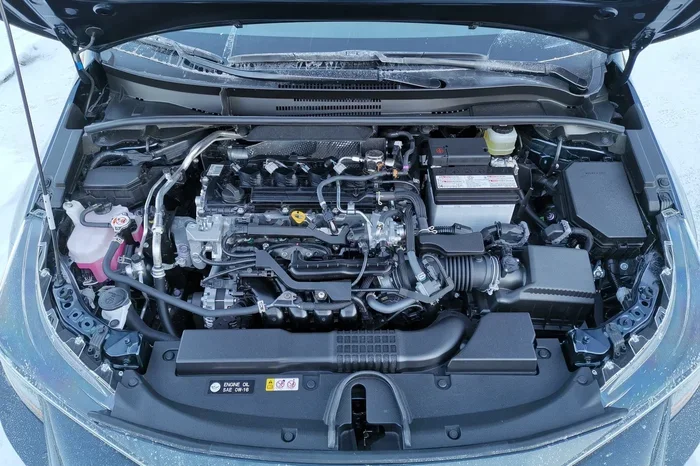
The heart of any vehicle is its engine, and the Fortuner’s engines are built to endure. Toyota offers the Fortuner with both petrol and diesel engine options, and both have proven track records for durability.
The 2.7L Petrol Engine
The 2.7-litre petrol engine in the Fortuner is a tried-and-tested unit. It is known for being relatively low-maintenance and delivering consistent performance over many years. With regular oil changes and proper care, this engine can comfortably last beyond 300,000 miles.
One of the reasons this engine lasts so long is its simplicity. It does not have complex turbo components that can fail, making it a very forgiving powerplant. Owners who keep up with basic Toyota Fortuner maintenance rarely encounter major engine issues with the petrol variant.
The 2.8L Diesel Engine
The 2.8-litre diesel engine is where the Fortuner truly shines in terms of torque and pulling power. This engine is also known for its longevity, though it does require more attentive maintenance than the petrol version.
Diesel engines in general last longer than petrol engines because they are built with stronger internal components. The Fortuner’s diesel engine is no exception. However, diesel engines are more sensitive to maintenance neglect. Missing oil changes or using low-quality diesel can lead to injector problems and turbocharger issues over time.
Many owners of the 2.8L diesel Fortuner report reaching 350,000 to 400,000 miles without a major engine rebuild. The key is staying disciplined with the service schedule and addressing any warning signs immediately.
Toyota Fortuner Maintenance Schedule
Keeping up with the Toyota Fortuner maintenance schedule is the single most important thing you can do to extend the vehicle’s life. Toyota recommends specific service intervals that should not be ignored.
Here is a basic overview of what your maintenance schedule should look like:
- Every 5,000 to 10,000 miles: Oil and filter change. This is the backbone of engine longevity.
- Every 15,000 to 20,000 miles: Air filter replacement. A clean air filter improves fuel efficiency and protects the engine.
- Every 30,000 to 40,000 miles: Cabin air filter and fuel filter replacement. These are often overlooked but important for performance.
- Every 60,000 miles: Coolant flush and brake fluid check. These fluids degrade over time and need refreshing.
- Every 100,000 miles: Major service including spark plug replacement (petrol), transmission fluid change, and thorough inspection of all major systems.
Following this schedule consistently will keep your Fortuner running like new for many years. If you are ever unsure about what needs to be done, a full car diagnostic can reveal hidden issues before they become expensive repairs. You can learn more about how long a full car diagnostic takes in our detailed guide.
Common Toyota Fortuner Problems and How to Avoid Them
No vehicle is perfect, and the Fortuner is no exception. However, most of the common problems are minor and easily prevented with proper care. Here are the issues owners should watch for.
Diesel Particulate Filter (DPF) Clogging
The 2.8L diesel Fortuner uses a diesel particulate filter to reduce emissions. Over time, especially with short-trip driving, the DPF can become clogged. This can cause reduced performance and warning lights on the dashboard.
The best way to prevent this is to occasionally take your Fortuner on a longer drive at highway speeds. This allows the filter to regenerate properly. If you primarily use your Fortuner for short trips around town, be extra vigilant about DPF maintenance.
Rust and Corrosion
Depending on where you live, rust can be a concern for older Fortuners. Vehicles exposed to road salt, coastal salt air, or heavy rain are more susceptible. Regular washing, especially of the undercarriage, can go a long way in preventing rust.
Suspension Wear
The Fortuner is a heavy, solid vehicle, and its suspension components take a beating over time. Shock absorbers, bushings, and ball joints can wear out, especially if you frequently drive on rough roads. Replacing these components proactively prevents more expensive damage down the line.
Electrical Gremlins
Some older Fortuner owners report occasional electrical issues, such as flickering lights or sensor malfunctions. These are usually minor and inexpensive to fix. The key is not to ignore them, as small electrical problems can sometimes cascade into bigger issues.
How to Maximize Your Toyota Fortuner’s Lifespan
Want your Fortuner to last as long as humanly possible? Here are proven strategies that real Fortuner owners swear by.
1. Follow the Service Schedule Religiously
This cannot be stressed enough. Every oil change, every filter replacement, every scheduled inspection matters. Think of maintenance as an investment, not an expense. The money you spend on regular service pays for itself many times over in avoided repairs and extended vehicle life.
2. Drive Gently and Consistently
Avoid sudden acceleration and hard braking whenever possible. Gradual driving reduces stress on the engine, transmission, and brakes. Your fuel economy will also benefit. In fact, adopting eco-friendly driving habits can help you save significant mileage over time. Learn more about how much mileage eco mode saves and how it can benefit your vehicle.
3. Use Genuine or High-Quality Parts
When replacement parts are needed, always opt for genuine Toyota parts or high-quality aftermarket alternatives. Cheap parts may save a few dollars upfront but can lead to premature failures and higher costs later.
4. Address Issues Early
Do not ignore warning lights, unusual noises, or changes in performance. A small problem today can become a major repair tomorrow. If something feels off, get it checked out immediately. A quick diagnostic check can save you thousands of dollars in the long run.
5. Keep the Interior and Exterior Clean
Regular washing protects the paint and body from corrosion. Cleaning the interior prevents wear on seats, carpets, and electronic components. A well-maintained Fortuner also holds its value better when it comes time to sell or trade in.
6. Store Properly When Not in Use
If your Fortuner sits idle for extended periods, take precautions. Start the engine regularly, keep the battery charged, and store the vehicle in a dry, sheltered location. Vehicles that sit for too long can develop battery drain, flat spots on tires, and fluid degradation.
Toyota Fortuner Resale Value and Long-Term Ownership Cost
One of the biggest advantages of owning a Toyota Fortuner is its exceptional resale value. Even after many years of ownership, a well-maintained Fortuner retains a significant portion of its original value. This makes it one of the best choices for anyone looking at long-term vehicle ownership.
The Fortuner reliability is a major factor in its strong resale numbers. Buyers trust the Toyota brand and know that a used Fortuner will likely serve them well for many more years. Compared to competitors in the same segment, the Fortuner consistently commands higher resale prices.
When you factor in the vehicle’s long lifespan and relatively low cost of ownership, the Fortuner becomes an excellent financial choice. Yes, the upfront cost may be higher than some competitors, but the total cost of ownership over 10 or 15 years is often lower thanks to fewer repairs, better fuel economy, and stronger resale value.
Understanding the actual cash value of your car at any point in time can help you make smart decisions about when to sell or trade in. A Fortuner that has been well cared for will always find a willing buyer.
If you are curious about how your Fortuner’s mileage stacks up, it helps to understand what different mileage milestones mean for a vehicle’s life. Check out our article on how long 200,000 miles is on a car to put things in perspective.
Real-World Toyota Fortuner Mileage Stories
The best way to understand the Fortuner’s longevity is through real owner experiences. Here are some common patterns reported by Fortuner owners around the world.
- Daily Commuter (50,000 miles/year): Owners who use their Fortuner for heavy daily commuting typically reach the 200,000-mile mark in about 4 to 5 years. With diligent maintenance, these vehicles often continue for another 150,000+ miles.
- Family Vehicle (15,000 miles/year): At this usage rate, a Fortuner can easily last 15 to 20 years. Many owners report no major issues before the 250,000-mile mark.
- Off-Road Enthusiast (25,000 miles/year): Fortuners used for off-roading may show more suspension and body wear, but the engine and transmission often remain strong past 300,000 miles with proper care.
- Low-Use Vehicle (5,000 miles/year): Even with minimal use, regular driving is important to keep all systems healthy. A Fortuner that sits too long can develop issues that a regularly driven vehicle would avoid.
These stories show that the Fortuner adapts to different usage patterns and still delivers excellent longevity in each scenario. The common thread among all these owners is one thing: they never skip maintenance.
For those who want to understand more about their vehicle’s complete drive cycle and how it impacts maintenance, we have a helpful guide on how many miles make up a complete drive cycle.
Is the Toyota Fortuner Worth the Investment?
The short answer is yes. The Toyota Fortuner offers an outstanding combination of durability, reliability, and practicality. It is a vehicle that does not demand constant attention and rewards its owner with years of dependable service.
When you compare the Fortuner to other SUVs in its class, the longevity advantage becomes clear. Many competitors start showing significant wear and costly repairs well before the 150,000-mile mark. The Fortuner, on the other hand, is just getting warmed up at that point.
The initial purchase price may be higher than some alternatives, but the long-term value is undeniable. Lower repair costs, better fuel efficiency, and stronger resale value all contribute to making the Fortuner a smart financial decision. Whether you buy it new or used, a Toyota Fortuner is a vehicle that will serve you well for many years to come.
If you are shopping for a Fortuner, always get a thorough inspection and check the vehicle’s maintenance history. A Fortuner that has been well cared for can easily last another 150,000 miles or more. And if you are buying a used one, understanding the fair market value helps you negotiate a fair price.
One final tip: keep your Fortuner clean, follow the service schedule, and address small issues before they grow. These simple habits are the foundation of a long, happy relationship with your vehicle.
Need to check something on your Fortuner but not sure how long a full car diagnostic takes? Our guide covers everything you need to know about diagnostic timelines and what to expect.
Conclusion
The Toyota Fortuner is a vehicle built to last. With proper care, regular maintenance, and sensible driving habits, your Fortuner can easily reach 300,000 miles or more and serve you faithfully for two decades or longer. The Toyota Fortuner lifespan is a testament to Toyota’s engineering excellence and the vehicle’s rugged, well-proven design.
Remember that every mile you put on your Fortuner is a mile well spent, as long as you take care of it. Follow the maintenance schedule, use quality parts, and never ignore warning signs. Your Fortuner will reward you with years of reliable, comfortable, and capable service.
If you are still on the fence about buying a Fortuner or wondering whether to keep your current one, the answer is clear. The Toyota Fortuner is a long-term investment that pays dividends in reliability, comfort, and peace of mind. Take care of it, and it will take care of you for a very long time.
Frequently Asked Questions
How many miles can a Toyota Fortuner last?
A well-maintained Toyota Fortuner can last 300,000 miles or more. Many owners report reaching 400,000 miles with consistent care and timely repairs. The key is following the recommended service schedule and addressing issues early.
Is the Toyota Fortuner reliable for long-term ownership?
Yes, the Fortuner is one of the most reliable SUVs for long-term ownership. Its simple, proven engine designs and robust build quality mean fewer surprises over the years. Regular maintenance is the biggest factor in long-term reliability.
What is the average lifespan of a Toyota Fortuner?
The average lifespan of a Toyota Fortuner is 15 to 20 years, depending on driving conditions and maintenance habits. Vehicles that receive regular servicing and are driven gently tend to last significantly longer.
Does the Toyota Fortuner diesel engine last longer than the petrol engine?
Diesel engines generally last longer because they are built with stronger internal components. The Fortuner 2.8L diesel engine can reach 400,000 miles with proper care, while the 2.7L petrol engine comfortably exceeds 300,000 miles.
How can I make my Toyota Fortuner last longer?
Follow the service schedule religiously, use genuine or high-quality parts, drive gently, and never ignore warning lights or unusual noises. Regular washing and proper storage also help preserve the vehicle over time.
Are Toyota Fortuners expensive to maintain?
No, the Fortuner is relatively affordable to maintain compared to many SUVs in its class. Routine services like oil changes and filter replacements are reasonably priced, and major repairs are uncommon if you stay on top of regular maintenance.