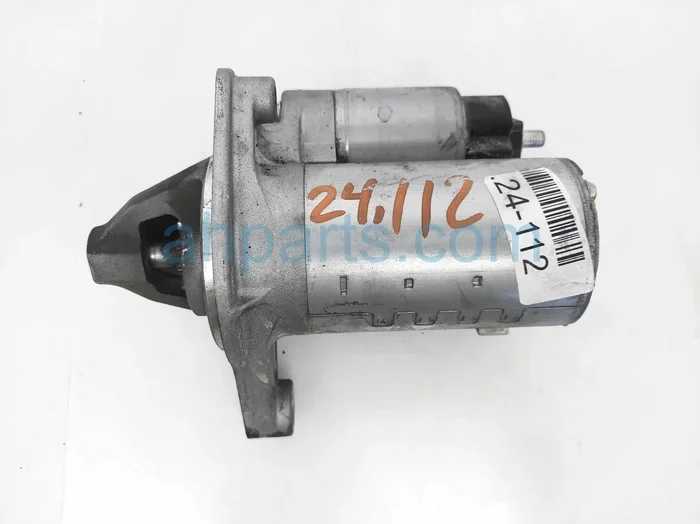
How Long Does a Toyota Camry Starter Last on Average
A Toyota Camry starter motor typically lasts between 100,000 and 150,000 miles, but real-world results vary based on driving habits and maintenance. Understanding the signs of a failing starter and following simple care tips can help you avoid unexpected breakdowns and costly repairs.
Owning a Toyota Camry means enjoying one of the most reliable sedans on the road. But even the best cars need attention over time. One component that often gets overlooked until it fails is the starter motor. If you have ever turned the key and heard nothing but silence, you know how frustrating a bad starter can be.
So how long does a Toyota Camry starter last? The short answer is that most Camry starters function well for 100,000 to 150,000 miles. However, several factors can push that number higher or lower. In this guide, we will walk through everything you need to know about Camry starter lifespan, replacement costs, warning signs, and simple tips to keep your car starting strong for years to come.
Whether you drive a 2010 Camry or a brand-new 2024 model, understanding your starter motor helps you stay ahead of problems. Let us dive in.
Key Takeaways
- Average Lifespan: A Toyota Camry starter motor lasts 100,000 to 150,000 miles under normal conditions.
- Watch for Warning Signs: Clicking sounds, slow cranking, and intermittent starting are clear indicators of starter wear.
- Driving Habits Matter: Frequent short trips and excessive cranking can shorten starter life significantly.
- Replacement Cost: Expect to pay between $300 and $600 for parts and labor combined.
- Preventive Care: Regular maintenance and proper battery health can extend starter longevity.
- Model Year Matters: Newer Camry models tend to have more reliable starter systems than older generations.
📑 Table of Contents
- What Does a Toyota Camry Starter Motor Do?
- How Long Should a Toyota Camry Starter Last?
- Signs Your Toyota Camry Starter Is Failing
- What Affects Toyota Camry Starter Lifespan?
- Toyota Camry Starter Replacement Cost
- Tips to Extend Your Toyota Camry Starter Life
- Common Mistakes That Shorten Starter Life
- Toyota Camry Starter Reliability by Model Year
- When to Replace Your Camry Starter vs. When to Repair
- Final Thoughts on Toyota Camry Starter Longevity
What Does a Toyota Camry Starter Motor Do?
The starter motor is a small but powerful electric motor. Its job is simple but critical. When you turn your ignition key or press the start button, the starter engages with the engine’s flywheel. This spins the engine fast enough to kick-start the combustion process. Without a working starter, your Camry simply will not start.
The starter works as part of a larger ignition system. When you turn the key, electrical current flows from the battery to the starter solenoid. The solenoid then pushes the starter gear into contact with the flywheel. The motor spins, the engine turns over, and your Camry comes to life. It all happens in just a few seconds.
Understanding this process helps you appreciate why the starter matters. It is the bridge between a sleeping engine and a running one. Every time you start your car, the starter takes on a heavy load for a brief moment. Over thousands of starts, that load adds up.
How Long Should a Toyota Camry Starter Last?
The average lifespan of a Toyota Camry starter motor falls between 100,000 and 150,000 miles. Many Camry owners report their original starter lasting well beyond 150,000 miles with no issues at all. Toyota builds these vehicles with durability in mind, and the starter is no exception.
However, the 100,000 to 150,000 mile range is not a guarantee. Some owners experience starter problems much earlier, especially around the 80,000-mile mark. Others go well past 200,000 miles without a single starter issue. What makes the difference?
Several factors influence how long your Camry starter will last. Let us break them down.
Driving Conditions and Usage Patterns
How you drive your Camry plays a huge role in starter longevity. If you frequently take short trips, your starter cycles on and off more often. Each start-up puts wear on the motor and gears. Short trips also mean the battery does not fully recharge, which forces the starter to work harder.
On the other hand, long highway drives are much easier on the starter. The engine runs steadily, and the starter only engages once. If your daily commute involves stop-and-go traffic, your starter sees more action than someone who drives open roads all day.
Here is a quick look at how different driving patterns affect starter life:
- Short daily trips (under 5 miles): Starter may wear out closer to 80,000–100,000 miles.
- Mixed driving (city and highway): Starter typically lasts 100,000–150,000 miles.
- Highway-heavy driving: Starter can last 150,000 miles or more.
Climate and Weather Factors
Extreme temperatures take a toll on your Camry’s electrical system. Cold weather thickens engine oil and makes the battery work harder. In freezing conditions, a starter has to push through thicker oil to turn the engine. This extra strain can wear out the motor faster.
Hot weather is not much better. Excessive heat under the hood can degrade the starter’s internal wiring and components over time. Camrys driven in desert climates or very hot regions may experience earlier starter wear compared to those in milder environments.
Battery Health and Electrical Connections
A weak battery puts extra stress on the starter motor. When the battery cannot deliver full power, the starter has to pull more current to do its job. This causes overheating and premature wear. Keeping your battery in good condition is one of the best ways to protect your starter.
Corroded or loose battery terminals also cause problems. Poor electrical connections mean less power reaches the starter. This forces the motor to work harder and last less long. Regularly checking your battery terminals and cleaning any corrosion goes a long way.
Signs Your Toyota Camry Starter Is Failing
Starters do not usually fail without warning. There are clear signs that tell you something is going wrong. Catching these symptoms early can save you from being stranded with a car that will not start.
Clicking Sound When Turning the Key
A single loud click or rapid clicking when you turn the ignition is one of the most common starter failure signs. The click means the solenoid is engaging, but the motor is not spinning. This could indicate a worn starter motor or a dead spot on the armature.
Do not ignore a clicking noise. It is your Camry telling you something needs attention. If the clicking turns into silence, the starter may have completely failed.
Slow or Sluggish Cranking
When your engine turns over slowly or takes longer than usual to start, the starter motor may be weakening. A healthy Camry starter fires up the engine quickly and confidently. If you notice a delay or a labored cranking sound, it is time to investigate.
Slow cranking is often mistaken for a battery problem. While a weak battery can cause similar symptoms, a failing starter will also produce this behavior. A full car diagnostic at a trusted shop can help you pinpoint the exact cause.
Intermittent Starting Problems
If your Camry starts sometimes and not others, the starter could be failing intermittently. Worn brushes or a damaged solenoid can cause inconsistent engagement. This type of problem often gets worse over time and eventually leads to complete failure.
Grinding or Whining Noise
A grinding noise when you turn the key suggests the starter gear is not meshing properly with the flywheel. This can happen when the starter motor wears down or when the engagement mechanism fails. Ignoring a grinding noise can lead to damage to the flywheel, which is a much more expensive repair.
Starter Keeps Running After the Engine Starts
Once your Camry engine starts, the starter should immediately disengage. If you hear the starter motor spinning even after the engine is running, the solenoid may be stuck. This will quickly damage both the starter and the flywheel if not addressed promptly.
What Affects Toyota Camry Starter Lifespan?
Now that you know the warning signs, let us look at what actually shortens or extends starter life. Understanding these factors helps you take proactive steps to protect your Camry.
Frequency of Start-Stop Cycles
Every time you start your car, the starter motor engages for a few seconds. In a typical day, most drivers start their car once or twice. But some situations cause extra cycles. Trying to start a car with a low battery, repeatedly turning the key when the engine will not catch, or using the starter in cold weather all add wear.
The more cycles your starter completes, the faster it wears out. This is why drivers in stop-and-go city traffic often replace their starters sooner than those on open highways.
Quality of Replacement Parts
If your starter has already been replaced once, the quality of the replacement part matters a lot. OEM (Original Equipment Manufacturer) starters from Toyota are designed to match your Camry’s specifications exactly. Aftermarket starters vary widely in quality. A cheap aftermarket starter may last only 50,000 miles before failing again.
Investing in a quality part saves money in the long run. It also saves you the hassle of repeated repairs.
Overall Vehicle Maintenance
Cars that receive regular maintenance tend to have longer-lasting components. Oil changes, battery checks, and electrical system inspections all contribute to starter health. When your engine runs smoothly and your battery is strong, the starter does not have to work as hard.
Following your Toyota service schedule ensures that potential problems are caught before they affect the starter or other critical systems.
Toyota Camry Starter Replacement Cost
When your Camry starter finally needs replacing, you will want to know what to expect financially. The cost varies depending on your model year, location, and whether you choose OEM or aftermarket parts.
Here is a general breakdown of starter replacement costs for a Toyota Camry:
| Component | Cost Range |
|---|---|
| Starter Motor (OEM Part) | $150 – $350 |
| Starter Motor (Aftermarket) | $80 – $200 |
| Labor (at a Shop) | $150 – $300 |
| Total Replacement Cost | $300 – $600 |
Labor costs vary by region and shop. Some independent mechanics charge less than dealerships, but dealerships use factory-trained technicians and genuine Toyota parts. If your Camry is still under warranty, the starter replacement may be covered at no cost to you.
For those who enjoy DIY projects, replacing a Camry starter is doable at home with basic tools. The process typically involves removing the starter motor from beneath the engine, disconnecting the wiring, and unbolting the mounting bracket. If you are comfortable working under your car, this can save you significant labor costs.
Tips to Extend Your Toyota Camry Starter Life
You cannot stop a starter from eventually wearing out, but you can take steps to make it last longer. These simple habits protect your starter and keep your Camry starting reliably.
- Avoid Excessive Cranking. If your Camry does not start on the first try, wait at least 30 seconds before trying again. Continuous cranking overheats the starter motor and accelerates wear.
- Keep Your Battery Healthy. A strong battery reduces the strain on the starter. Test your battery every year and replace it when it shows signs of weakness.
- Check Electrical Connections Regularly. Clean battery terminals and inspect wiring for corrosion or looseness. Good electrical connections mean the starter receives full power.
- Warm Up Your Car in Cold Weather. In freezing temperatures, let your Camry idle for a minute or two before driving. This allows the oil to circulate and reduces the load on the starter during startup.
- Fix Electrical Issues Promptly. Any electrical problems, such as dimming headlights or slow power windows, can indicate a weak electrical system. Addressing these early prevents cascading damage to the starter.
- Follow Toyota Maintenance Schedules. Regular service appointments catch small problems before they become big ones. Toyota’s recommended maintenance intervals are designed to keep every component, including the starter, in top shape.
Quick Tip: The One-Second Rule
Here is a simple habit that many Camry owners swear by. When you start your car, turn the key or press the button for no more than one to two seconds. If the engine does not catch, wait at least 10 seconds before trying again. This one habit alone can significantly extend your starter’s lifespan.
Common Mistakes That Shorten Starter Life
Many Camry owners accidentally shorten their starter’s life without realizing it. Avoiding these common mistakes can add thousands of miles to your starter’s service life.
- Leaving accessories on when starting: Headlights, audio systems, and air conditioning put extra demand on the electrical system during startup.
- Ignoring warning signs: Clicking sounds or slow cranking should never be ignored. They are early signals that something is wrong.
- Using the starter to push-start the car: This is especially relevant for older Camry models. Push-starting puts abnormal stress on the starter gears.
- Neglecting battery maintenance: A failing battery forces the starter to compensate, leading to premature wear.
Toyota Camry Starter Reliability by Model Year
Not all Camry model years are created equal when it comes to starter reliability. Toyota made improvements to the starter system across different generations. Here is a general overview of what to expect from various Camry model years.
Earlier Camry models from the 2000s and early 2010s used conventional starter motors that were robust but simpler in design. These starters are well-understood and easy to replace. Many owners of 2005–2011 Camrys report starter life in the 120,000–150,000 mile range.
Newer Camry models from 2012 onward feature more advanced electrical systems. The starter motors in these vehicles are more efficient and often integrated with the start-stop system. While these modern starters are engineered for longevity, the added complexity means repairs can be more involved when problems do arise.
If you are shopping for a used Camry, checking the starter condition is a smart move. A complete drive cycle test performed by a mechanic can reveal starter health before you commit to a purchase. This is especially important for higher-mileage vehicles where the original starter may be nearing the end of its life.
Toyota Camrys have earned a strong reputation for longevity and reliability. With proper care, many owners drive their Camrys well past 200,000 miles without needing a starter replacement. The key is staying attentive to warning signs and maintaining the vehicle according to Toyota’s recommended schedule.
For those who want to maximize their Camry’s lifespan, understanding how eco mode mileage savings relate to overall vehicle health is also valuable. While eco mode primarily affects fuel consumption, it also reduces engine load during driving, which indirectly benefits all mechanical components including the starter system.
When to Replace Your Camry Starter vs. When to Repair
Not every starter problem requires a full replacement. In some cases, a repair can restore function and extend the life of your existing starter. Knowing the difference helps you make a smart decision about how to spend your money.
Small issues like a loose electrical connection, a faulty solenoid, or a worn engagement gear can often be repaired without replacing the entire starter motor. A mechanic can diagnose whether a repair is sufficient or if a full replacement is the better option.
However, if the starter motor itself has failed internally, replacement is usually the most cost-effective solution. Rebuilding a starter motor is possible, but the cost and time often make a new or remanufactured unit the better choice.
For Camry owners who have experienced repeated starter problems, it is worth investigating the root cause. A persistent electrical issue, such as a faulty ignition switch or a parasitic electrical draw, can damage new starters prematurely. Fixing the underlying problem prevents the same issue from recurring.
When in doubt, consult a trusted Toyota mechanic. They can run diagnostics specific to your Camry model and recommend the best course of action. A professional opinion saves you money and prevents unnecessary part replacements.
Final Thoughts on Toyota Camry Starter Longevity
The Toyota Camry remains one of the most dependable sedans on the market, and its starter motor reflects that reliability. With an average lifespan of 100,000 to 150,000 miles, your Camry starter can serve you well for many years of daily driving.
The key to maximizing starter life lies in awareness and prevention. Pay attention to the warning signs. Maintain your battery and electrical system. Follow Toyota’s recommended service schedule. And adopt simple driving habits that reduce unnecessary starter wear.
If you notice any symptoms of starter trouble, do not wait for the problem to get worse. Addressing issues early keeps repair costs low and prevents you from being stranded. A well-maintained Camry starter ensures that your car starts every single time you turn the key.
Your Toyota Camry is built to last, and with the right care, its starter will keep pace. Take the steps outlined in this guide, and you will enjoy reliable starts for many miles to come.
Frequently Asked Questions
How do I know if my Toyota Camry starter is going bad?
Common signs include clicking sounds when turning the key, slow or sluggish cranking, intermittent starting problems, grinding noises during startup, and the starter continuing to run after the engine catches. If you notice any of these symptoms, have your Camry inspected by a mechanic as soon as possible.
Can I drive my Toyota Camry with a failing starter?
No. A failing starter will eventually prevent your Camry from starting altogether. While a partially failing starter might work intermittently, it is unreliable and can leave you stranded. Replace a failing starter promptly to avoid being stuck.
How much does it cost to replace a Toyota Camry starter?
The total cost for a Toyota Camry starter replacement typically ranges from $300 to $600, depending on whether you use OEM or aftermarket parts and your local labor rates. DIY replacement can save you the labor cost entirely.
Does a Toyota Camry starter come with a warranty?
New Toyota OEM starters usually come with a warranty that covers parts for a specific period. Aftermarket starters may have their own warranty from the manufacturer. Check with your dealer or parts supplier for warranty details specific to your Camry model.
Can a weak battery damage the Camry starter?
Yes. A weak battery forces the starter motor to draw more current to turn the engine. This extra strain causes overheating and accelerates wear on the starter. Keeping your battery in good health is one of the best ways to protect your starter motor.
How long does a Toyota Camry starter last on average?
Most Toyota Camry starters last between 100,000 and 150,000 miles. With good driving habits, proper maintenance, and a healthy battery, some Camry starters last well beyond 200,000 miles. The exact lifespan depends on driving conditions, climate, and how well the vehicle is maintained.