Does the Toyota 4Runner Hold Its Value Year After Year
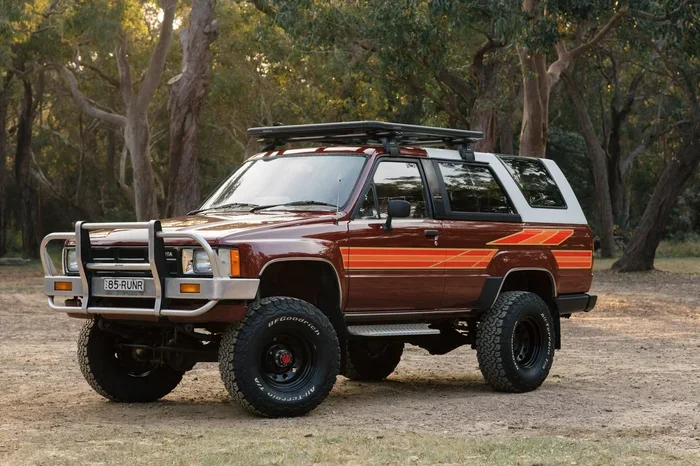
The Toyota 4Runner is one of the most reliable SUVs on the road, and it holds its value remarkably well. Most vehicles lose a big chunk of their worth in the first few years, but the 4Runner defies that trend. Its strong resale value comes from legendary reliability, off-road capability, and a loyal fan base that keeps demand high.
When you buy a Toyota 4Runner, something interesting happens. Most cars start losing value the moment you drive them off the lot. But the 4Runner? It fights back. Toyota 4Runner resale value is one of the best in the entire SUV market. People buy these trucks used and hold onto them for years. And when they do sell, they get surprisingly close to what they paid.
This is not an accident. The 4Runner has built a reputation over decades. It is tough, reliable, and fun to drive both on and off the road. Buyers know this. That is why used 4Runner value stays strong even as the miles add up. In this article, we will break down exactly how well the 4Runner holds its value, what factors play into it, and why it might be one of the smartest purchases you can make.
If you have ever wondered whether buying a 4Runner is worth the upfront cost, the answer is more clear than you might think. Let us dive into the numbers, the trends, and the reasons behind this truck’s incredible staying power.
Key Takeaways
- Low Depreciation: The 4Runner loses value slower than most SUVs in its class.
- Strong Demand: Used 4Runners sell fast because buyers trust the name.
- Reliability Factor: Toyota’s reputation for durability keeps resale prices high.
- Off-Road Credibility: The TRD Pro and off-road trims hold value especially well.
- Long-Term Ownership Savings: Less depreciation means lower cost per year of ownership.
- Maintenance Matters: Keeping up with service helps preserve the 4Runner’s worth.
- Smart Investment: The 4Runner often costs less to own long-term than many competitors.
📑 Table of Contents
Why the Toyota 4Runner Holds Its Value So Well
There are a few reasons the 4Runner stands out when it comes to Toyota vehicle depreciation. Most SUVs in this class drop 15 to 20 percent in value in the first year alone. The 4Runner? It typically loses closer to 10 to 12 percent. Over five years, the gap only widens. Here is why.
Legendary Reliability
Toyota builds trucks that last. This is not a secret. The 4Runner has been around since the 1980s, and each generation has earned a reputation for durability. Toyota reliability rating consistently places Toyota at or near the top of every major study. When a vehicle is known to run for 200,000 miles or more, buyers are willing to pay more for it.
Think about it this way. You are shopping for a used SUV. You find two options at the same price. One is a 4Runner with 120,000 miles. The other is a different brand with similar mileage. Which one do you pick? Most people choose the 4Runner. That confidence drives up the 4Runner market value every single time.
Off-Road Credibility
The 4Runner is not just a commuter SUV. It is a legit off-road machine. The TRD Off-Road and TRD Pro trims come with locking differentials, crawl control, and multi-terrain select. These features make the 4Runner a favorite among overlanding enthusiasts and weekend adventurers.
4Runner off-road capability is a huge part of its value story. Other SUVs might offer similar specs on paper, but the 4Runner has a proven track record. People trust it in tough terrain. That trust translates directly into stronger resale numbers.
Strong Brand Loyalty
Toyota has one of the most loyal customer bases in the auto industry. People who buy a 4Runner tend to stay in the Toyota family. They come back for the next truck, the next SUV, and they tell their friends. This word-of-mouth marketing is incredibly powerful. It keeps demand steady, which keeps prices high.
When demand stays strong and supply is limited, 4Runner pricing stays firm. That is basic economics, and it works in favor of anyone looking to buy or sell a 4Runner.
How the 4Runner Compares to Other Toyota SUVs
The 4Runner does not hold its value in a vacuum. It faces competition from other Toyota models and from SUVs made by other brands. Let us look at how it stacks up against some of its closest rivals.
4Runner vs. Toyota Sequoia
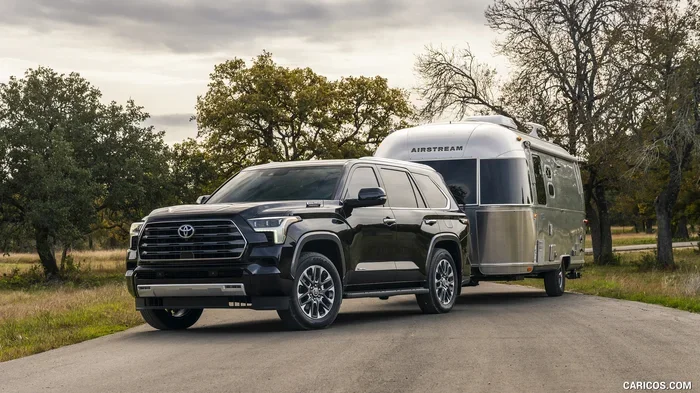
The Toyota Sequoia is a full-size SUV. It is bigger, more powerful, and more family-friendly in some ways. But when it comes to holding value, the 4Runner has an edge. The average life of a Toyota Sequoia is solid, but the Sequoia depreciates faster because it is a larger vehicle with higher running costs.
The 4Runner hits a sweet spot. It is big enough for most families, small enough to be efficient, and tough enough for adventure. That balance keeps its value strong.
4Runner vs. Toyota RAV4
The RAV4 is Toyota’s best-selling SUV. It is practical, fuel-efficient, and reliable. But the RAV4 is a crossover, not a truck. The average weight of Toyota RAV4 is significantly less than the 4Runner, and that affects how buyers perceive its durability.
For Toyota SUV comparison purposes, the RAV4 holds value well for its class. But the 4Runner holds value better overall. The difference is most noticeable in the used market, where the 4Runner commands a premium.
4Runner vs. Competitor Brands
Outside of Toyota, the 4Runner faces competition from the Jeep Wrangler, the Ford Bronco, and the Chevrolet Tahoe. The Wrangler holds value reasonably well, but the 4Runner often beats it in long-term retention. The Bronco is newer and has a cult following, but it has not been around long enough to prove its long-term value story.
The 4Runner’s combination of proven reliability, off-road chops, and Toyota’s brand strength gives it a clear advantage. When you look at Toyota resale value charts, the 4Runner consistently ranks at or near the top.
What Affects the 4Runner’s Resale Value
Not all 4Runners hold value equally. Several factors can push a truck’s resale price higher or lower. Understanding these factors helps you make a smarter buying or selling decision.
Trim Level Matters
The 4Runner comes in several trims, from the base SR5 to the rugged TRD Pro. Higher trims with more features tend to hold value better. The TRD Off-Road and TRD Pro trims are especially desirable on the used market. They come with extra off-road gear that buyers are willing to pay for.
If you are considering which trim to buy, keep resale in mind. The 4Runner trim levels that include locking differentials, upgraded suspension, and special styling packages tend to depreciate the least.
Maintenance History
A well-maintained 4Runner holds its value much better than a neglected one. Full service records, regular oil changes, and documented repairs all add to a truck’s worth. Buyers are willing to pay a premium for a 4Runner with a clean history.
On the flip side, if a 4Runner has been driven hard and not properly serviced, its value drops faster. This is true for any vehicle, but it matters even more for the 4Runner because buyers expect these trucks to be taken care of.
Mileage and Age
Like any vehicle, mileage and age affect value. But the 4Runner is unique. High-mileage 4Runners still hold value well because the engine and drivetrain are known to last a long time. A 4Runner with 200,000 miles can still be worth a surprisingly large amount of money.
Age works in the 4Runner’s favor too. Older models from the 2000s and 2010s are becoming collectible in some circles. The simplicity of older 4Runners, with their solid axles and basic electronics, appeals to a growing number of buyers who want a truck that is easy to fix and hard to break.
Condition and Modifications
The physical condition of the truck plays a big role. Rust, dents, and interior wear all reduce value. On the other hand, a clean, rust-free 4Runner with a well-maintained interior can sell for top dollar.
Modifications can be a double-edged sword. A lifted 4Runner with aftermarket wheels might appeal to a specific buyer, but it narrows the pool of potential buyers. Stock 4Runners tend to have broader appeal and therefore hold value more consistently.
The 4Runner’s Depreciation Curve Explained
Understanding how the 4Runner loses value over time helps you plan your purchase. Here is a general look at the 4Runner depreciation rate year by year.
Year 1: The truck loses about 10 to 12 percent of its value. This is better than the industry average of 15 to 20 percent.
Years 2 to 3: Depreciation slows down. The truck loses another 10 to 15 percent over these two years. By year three, a new 4Runner has lost roughly 25 to 30 percent of its original value.
Years 4 to 5: The curve flattens significantly. The 4Runner loses about 5 to 8 percent per year during this period. By year five, total depreciation is typically around 35 to 40 percent.
Years 6 and beyond: The 4Runner holds value remarkably well in the long term. A ten-year-old 4Runner can still be worth 50 to 60 percent of its original price. This is exceptional for any vehicle, let alone one that has been around for over two decades.
The key takeaway here is that the 4Runner’s depreciation is front-loaded but then slows dramatically. This makes it a great vehicle to buy used. You let the first owner absorb the steepest depreciation hit, and then you enjoy years of stable value.
Tips to Maximize Your 4Runner’s Value
Whether you are buying or selling, these tips will help you get the most out of your 4Runner’s value.
Keep Up with Regular Maintenance
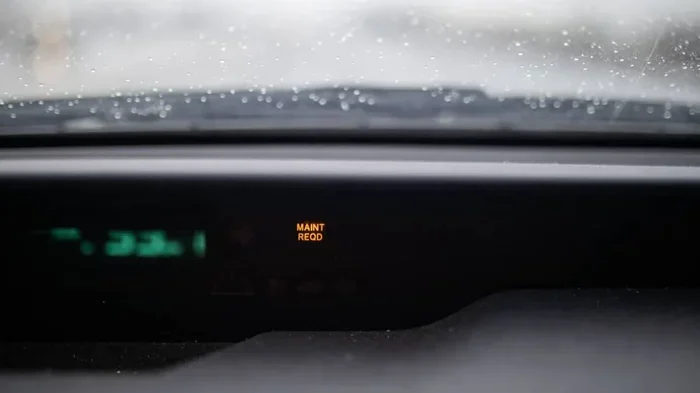
Change the oil on schedule. Replace filters. Keep up with tire rotations and brake inspections. Every service record you keep adds to the truck’s resale worth. If you are unsure about your maintenance schedule, check your owner’s manual or ask your dealer about Toyota maintenance light reset procedures and service intervals.
Store It Properly
If you have a second 4Runner or are storing one for a while, keep it in a garage or covered area. Sun damage, rain, and extreme temperatures all take a toll on paint and interior materials. A well-stored 4Runner looks and feels newer, which translates to a higher resale price.
Avoid Unnecessary Modifications
It is tempting to add lift kits, fancy wheels, and aftermarket bumpers. But every modification you add narrows the buyer pool. If you do modify your 4Runner, keep the original parts and reinstall them before selling. Stock 4Runners almost always sell faster and for more money.
Keep Records and Receipts
Save every receipt for repairs, parts, and services. When you go to sell, having a binder full of records gives buyers confidence. It shows you cared for the truck, and that confidence shows up in the price you can ask.
Know Your Market
Timing matters when you sell. Spring and early summer are typically the best times to sell an off-road vehicle like the 4Runner. Buyers are thinking about adventures, and they are ready to spend. Selling in the dead of winter can mean waiting longer and possibly accepting a lower offer.
Is the 4Runner Worth the Investment?
The short answer is yes. The Toyota 4Runner holds its value better than almost any SUV on the market. Its combination of reliability, off-road capability, and brand strength creates a vehicle that is enjoyable to drive and smart to own.
When you factor in the lower depreciation rate, the strong Toyota resale value, and the low cost of ownership over time, the 4Runner becomes a compelling choice. You are not just buying a truck. You are making a purchase that will serve you well for years and lose less money along the way.
If you are on the fence, consider this. The 4Runner is not just a vehicle. It is a community. The people who buy 4Runners tend to stick with them for life. That loyalty is reflected in the numbers, and it is one of the strongest arguments for why the 4Runner holds its value year after year.
Whether you are a first-time buyer looking at a used model or a longtime fan considering a new one, the 4Runner delivers on its promise. It is tough, it is dependable, and it keeps its worth. That is a combination you do not see very often in the SUV world.
Frequently Asked Questions
How much does a Toyota 4Runner depreciate in the first year?
A new 4Runner typically loses about 10 to 12 percent of its value in the first year. This is significantly less than the average SUV, which loses around 15 to 20 percent. The 4Runner’s strong brand reputation and high demand keep that first-year drop relatively small.
What is the best 4Runner trim for holding value?
The TRD Off-Road and TRD Pro trims tend to hold their value the best. These trims come with popular off-road features and upgrades that buyers actively seek out. The SR5 is also a solid choice because it is the most popular base trim and has broad appeal on the used market.
Can I drive my Toyota 4Runner with the maintenance light on?
Yes, you can drive with the maintenance required light on, but you should not ignore it for too long. The light is a reminder that service is due. Keeping up with maintenance helps the truck run well and preserves its resale value. If you want to learn more about how maintenance lights work and what they mean for your ownership experience, check out this guide on driving with a maintenance required light on in a Toyota for helpful tips and insights.
How long does a Toyota 4Runner last?
With proper care, a 4Runner can easily last 200,000 to 300,000 miles or more. Many owners report crossing the 300,000-mile mark with only routine maintenance. The engine and body are built to last, which is a big reason why the truck holds value so well over time.
Does the 4Runner hold value better than the Jeep Wrangler?
In most comparisons, the 4Runner holds value slightly better than the Wrangler over a five-year period. Both trucks have strong resale, but the 4Runner’s reputation for reliability and lower maintenance costs give it a slight edge. The Wrangler is more fun for hardcore off-roading, but the 4Runner is the better daily driver that still holds value.
Should I buy a new or used 4Runner to get the best value?
Buying used is usually the smarter move for value. A three- to five-year-old 4Runner has already gone through the steepest part of the depreciation curve. You get a truck that is still in great shape but at a significantly lower price. You also avoid the fastest rate of value loss that comes with being the first owner.