Do I Need a Cargo Liner Here is What You Should Know
A cargo liner is a protective mat or cover that sits in your trunk or cargo area to keep your car clean and safe from damage. If you haul groceries, pets, sports gear, or construction materials, a cargo liner can save you from costly interior repairs. This guide covers everything you need to know about whether a cargo liner is right for your vehicle and lifestyle.
You just got out of your car and noticed a puddle of muddy paw prints spreading across the trunk floor. Your kids left a juice box leaking in the backseat. Or maybe you just unloaded a bag of gravel from a weekend project, and now your carpet is full of dust. Sound familiar?
These everyday moments can take a real toll on your vehicle’s interior. Over time, spills, dirt, pet hair, and general wear can cause serious damage. That is where a cargo liner comes in. But do you really need one? Let us walk through everything you should know before making a decision.
Key Takeaways
- Protects Your Interior: A cargo liner shields your trunk from spills, scratches, and stains that can lower resale value.
- Saves Money Long Term: Preventing interior damage means fewer costly cleanings or reupholstering jobs over time.
- Multiple Material Options: Rubber, carpet, and hybrid liners each offer different benefits for different needs.
- Custom Fit vs. Universal: Custom liners fit perfectly, while universal options work across many vehicle models.
- Not Just for Trucks: SUVs, sedans, and crossovers all benefit from trunk cargo liners too.
- Easy to Clean: Most cargo mats simply need a rinse or wipe-down after use.
- Pet and Family Friendly: Liners keep pet hair, mud, and kid messes contained in one easy-to-wash layer.
📑 Table of Contents
- What Is a Cargo Liner and Why Does It Matter?
- Types of Cargo Liners: Which One Is Right for You?
- Do I Really Need a Cargo Liner? Here Is What the Experts Say
- Common Mistakes People Make When Choosing a Cargo Liner
- How to Choose the Best Cargo Liner for Your Vehicle
- Cargo Liner vs. Trunk Organizer: What Is the Difference?
- Quick Tips for Getting the Most Out of Your Cargo Liner
- Expert Insights: What Auto Professionals Recommend
- Frequently Asked Questions
- Final Thoughts: Do You Need a Cargo Liner?
What Is a Cargo Liner and Why Does It Matter?
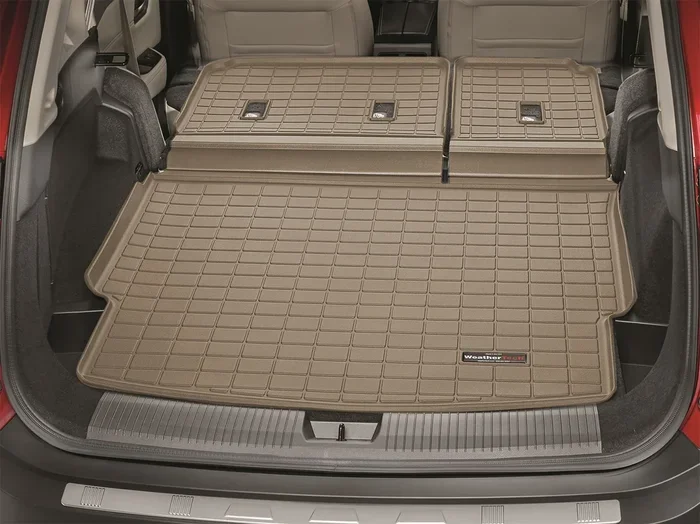
A cargo liner is a protective mat or cover that fits inside your trunk, cargo area, or truck bed. It acts as a barrier between your vehicle’s original interior and whatever you haul around. Think of it as a shield for your car’s floors and walls.
These liners come in many shapes, sizes, and materials. Some are made of rubber. Others use carpet or a hybrid of both. The goal is simple: keep your car clean and protect its value. A trunk liner or automotive cargo mat can handle everything from muddy shoes to heavy tools.
Why does this matter so much? Because interior damage can be expensive to fix. Stains set in. Odors build up. And when it comes time to sell or trade in your car, a worn-out trunk tells a bad story. A cargo liner helps you avoid all of that.
Who Benefits Most from a Cargo Liner?
Almost anyone who uses their car regularly can benefit. But certain drivers get even more value out of a cargo mat:
- Pet owners dealing with shedding, drool, and muddy paws after walks.
- Families with young kids who deal with spills, crumbs, and messy car seats.
- Outdoor enthusiasts who haul bikes, camping gear, fishing equipment, or dirt-covered shoes.
- DIYers and contractors who transport tools, building materials, or hardware.
- Daily commuters who want to keep their car looking showroom-fresh for years.
If any of these sound like you, a cargo liner is worth serious consideration.
Types of Cargo Liners: Which One Is Right for You?
Not all cargo liners are the same. The material you choose affects durability, appearance, and how easy it is to clean. Let us break down the main options.
Rubber Cargo Liners
Rubber liners are the heavy-duty choice. They are waterproof, tough, and incredibly easy to clean. You can just hose them off or wipe them with a damp cloth. These are perfect for people who haul messy items like soil, wet gear, or pet supplies.
Many custom fit cargo liner brands use thermoplastic rubber (TPR) or heavy-duty PVC. These materials are flexible enough to conform to your trunk shape but strong enough to handle heavy loads. The downside? They can look a bit industrial and may slide around if they do not have a non-slip backing.
Carpet Cargo Liners
If you want a more polished look, a carpet cargo liner might be your best bet. These liners mimic the factory carpet in your car. They look clean and elegant while still offering solid protection against spills and dust.
Carpet liners work great for everyday use. They are ideal for people who carry groceries, office supplies, or light cargo. The downside is that they are not as waterproof as rubber. Liquids can soak through if you do not clean them up quickly.
Hybrid Cargo Liners
Hybrid liners combine the best of both worlds. They have a rubber base for waterproof protection and a carpet top layer for a refined appearance. This design gives you durability without sacrificing style. A hybrid cargo liner is a great middle-ground option for families who want both function and aesthetics.
Universal vs. Custom Fit Liners
When shopping for a cargo liner, you will see two main categories:
- Universal fit: These liners come in standard sizes and work with many vehicle models. They are usually more affordable and widely available. However, they may not fit perfectly and could shift around while driving.
- Custom fit: These liners are designed specifically for your car make and model. They snap into place or lay flat with no gaps. A custom fit cargo liner looks professional and stays put. The trade-off is a higher price point.
For the best protection and cleanest look, many experts recommend going with a custom fit OEM cargo liner from your vehicle manufacturer or a trusted aftermarket brand.
Do I Really Need a Cargo Liner? Here Is What the Experts Say
The short answer is: it depends on how you use your car. But let us look at the real-world benefits so you can decide for yourself.
Protection Against Spills and Stains
One of the biggest reasons people buy a cargo liner is spill protection. Coffee, soda, juice, and sauces can all stain your trunk carpet permanently. A waterproof cargo liner catches these liquids and keeps them from reaching your car’s original upholstery.
Think about how often you or your passengers carry drinks in the back seat or trunk. Even a small spill can lead to mold or mildew if it soaks into the carpet. A liner prevents this entirely.
Preserving Your Vehicle’s Resale Value
Your car is probably one of the biggest investments you will ever make. A worn, stained trunk can significantly reduce its resale value. Buyers notice interior condition more than most people realize.
A cargo liner keeps your trunk looking like new, even after years of daily use. This simple accessory can help you get a better trade-in offer or a higher resale price when the time comes.
Easier Cleaning and Maintenance
Without a liner, cleaning your trunk means pulling everything out, vacuuming, and maybe even shampooing the carpet. With a cargo liner, you simply remove the mat, shake it out, hose it down, or toss it in the washing machine. The time and effort you save adds up quickly.
Many cargo mat owners say they clean their car interior half as often since installing a liner. That alone makes the investment worthwhile for busy families.
Odor Prevention
Mud, food crumbs, pet accidents, and moisture can all cause bad smells in your car. A cargo liner contains these messes in one easy-to-clean layer. It stops odors from sinking deep into your car’s carpet and ventilation system.
This is especially important for pet owners. A rubber or hybrid cargo liner makes it simple to wash away pet hair and accidents before they start smelling up your vehicle.
Common Mistakes People Make When Choosing a Cargo Liner
Buying a cargo liner seems simple, but many people make mistakes that lead to frustration. Here are the most common ones to avoid.
Choosing the Wrong Size
One of the biggest errors is buying a liner that does not fit properly. A universal cargo liner that is too small will shift around. One that is too big can bunch up and become a safety hazard if it slides under your brake pedal or pedals.
Always measure your trunk or cargo area before purchasing. Better yet, choose a custom fit liner designed for your specific vehicle model and year.
Ignoring Material Quality
Not all cargo liners are created equal. Cheap rubber liners may crack or tear after a few months. Low-quality carpet liners may shed fibers and trap moisture. Always check reviews and look for liners made from durable, high-grade materials.
Brands that use OEM-grade materials tend to offer the best longevity and fit. Spending a little more upfront saves you money on replacements later.
Forgetting About Edge Height
A cargo liner with low or no raised edges will not contain spills effectively. Look for liners with raised lips or walls that keep liquids and debris inside the mat. This small detail makes a huge difference in real-world protection.
Skipping the Non-Slip Backing
Your liner should stay flat and secure while you drive. A cargo mat without a non-slip backing can slide around, especially on smooth trunk floors. Look for liners with built-in nubs or a textured underside that grips the carpet firmly.
How to Choose the Best Cargo Liner for Your Vehicle
With so many options on the market, choosing the right cargo liner can feel overwhelming. Use this simple guide to narrow down your choices.
Step 1: Identify Your Primary Use
Ask yourself what you will mainly use the liner for. Is it for daily grocery runs? Pet transport? Construction work? Weekend camping trips? Your answer determines the material and style you need.
- Light daily use: A carpet or hybrid cargo liner works well.
- Heavy-duty hauling: Go with a thick rubber or thermoplastic liner.
- Pet owners: Choose a waterproof rubber liner with raised edges.
- Families: A hybrid liner offers protection and a clean appearance.
Step 2: Check Compatibility
Make sure the liner fits your specific vehicle. Look up your car make, model, year, and trim level. Many manufacturers list compatible vehicles on their product pages. A custom fit cargo liner will always give you the best results.
Step 3: Read Reviews
Before buying, spend a few minutes reading customer reviews. Look for feedback on fit, durability, and ease of cleaning. Real-world experiences from other cargo liner users can help you avoid a bad purchase.
Step 4: Consider Your Budget
Cargo liners range from affordable universal options to premium custom-fit versions. Set a budget before shopping and try to find the best quality within that range. Remember, a higher-quality liner will usually last longer and perform better.
Cargo Liner vs. Trunk Organizer: What Is the Difference?
People often confuse a cargo liner with a trunk organizer, but they serve very different purposes.
A cargo liner protects your trunk floor and walls from damage, spills, and dirt. It is a flat mat that covers the surface. A trunk organizer, on the other hand, is a container or bin that sits inside your trunk to hold items neatly in place.
Many car owners use both together. A cargo liner provides the base layer of protection, while a trunk organizer keeps smaller items from shifting around. Together, they create a clean, organized, and protected cargo area.
| Feature | Cargo Liner | Trunk Organizer |
|---|---|---|
| Primary Purpose | Protects trunk surfaces | Organizes and stores items |
| Material | Rubber, carpet, or hybrid | Fabric, plastic, or mesh |
| Coverage | Covers trunk floor and walls | Sits on trunk floor only |
| Spill Protection | Yes, especially rubber | No |
| Ease of Cleaning | Very easy | Moderate |
| Best For | Messy cargo, pets, heavy loads | Small items, groceries, tools |
For maximum protection and organization, many experts recommend using a cargo liner as your foundation and adding an organizer on top for daily items.
Quick Tips for Getting the Most Out of Your Cargo Liner
Once you have your cargo liner installed, follow these simple tips to get the longest life and best performance:
- Clean it regularly. A quick rinse or wipe-down after each use prevents buildup and keeps it looking fresh.
- Let it dry completely. If you wash your liner, make sure it dries fully before putting it back in your car. Moisture trapped under the liner can cause mold.
- Check the fit periodically. Over time, liners can shift or wear. Make sure it still sits flat and snug in your trunk.
- Use a liner even for short trips. Spills happen in an instant. Even a quick drive to the store can result in a mess that damages your interior.
- Store it properly when not in use. Keep your cargo liner in a cool, dry place to prevent cracking or warping.
Expert Insights: What Auto Professionals Recommend
Many automotive detailers and mechanics agree that a cargo liner is one of the most underrated car accessories available. Here is what the professionals have to say:
“I see so many cars with ruined trunk carpets that could have been prevented with a simple liner. It is one of the cheapest ways to protect your investment.” Marcus D., Certified Auto Detailer
“For families, a cargo liner is almost a must-have. Between juice boxes, sports bags, and muddy shoes, the back of your car takes a beating every single day.” Sarah L., Family Vehicle Specialist
“If you haul anything wet, dirty, or heavy, a rubber cargo liner is non-negotiable. It saves you from expensive interior repairs down the road.” Jake T., Heavy-Duty Vehicle Mechanic
These expert opinions reinforce what many car owners already know: a cargo liner is a small investment that pays big dividends in protection and convenience.
Frequently Asked Questions
Can I use a cargo liner in a sedan or is it only for SUVs and trucks?
Absolutely. A cargo liner works in any vehicle with a trunk or cargo area. Sedans, hatchbacks, coupes, SUVs, and trucks all benefit from trunk protection. You can find custom fit liners for almost any car model on the market today.
How do I clean a rubber cargo liner?
Cleaning a rubber cargo liner is very easy. Simply remove it from your car, hose it down with water, and scrub it with mild soap if needed. Let it dry completely before putting it back in. Most rubber liners can be cleaned in under five minutes.
Will a cargo liner affect my car’s warranty?
Generally, no. A cargo liner is an aftermarket accessory and does not void your vehicle warranty. However, if a liner causes damage to your interior (such as trapping moisture and causing mold), that could become a warranty issue. Always choose a liner that fits properly and allows your trunk to breathe.
How much does a good cargo liner cost?
Prices vary widely depending on material, brand, and fit. Universal cargo liners can cost as little as $20 to $40. Custom-fit liners from premium brands typically range from $80 to $200 or more. An OEM cargo liner from your vehicle manufacturer may cost more but offers the best fit and finish.
Can I use a cargo liner in the winter to keep salt and snow out of my trunk?
Yes! A waterproof cargo liner is excellent for winter use. It traps salt, snow, ice melt, and wet boots so they do not stain or damage your trunk carpet. This is one of the most popular uses for cargo liners in cold climates.
What is the difference between a cargo liner and a trunk mat?
The terms are often used interchangeably, but there can be a slight difference. A trunk mat typically refers to a thinner, carpet-like cover that sits on the trunk floor. A cargo liner usually refers to a thicker, more protective mat that covers more of the trunk area, including the walls in some designs. However, many brands use these terms to mean the same thing.
Final Thoughts: Do You Need a Cargo Liner?
After reading through all of this, you might still be asking yourself, do I need a cargo liner? The answer comes down to how much you value your car’s interior and how you use your vehicle.
If you regularly haul groceries, pet supplies, sports equipment, tools, or anything else that could dirty or damage your trunk, a cargo liner is a smart investment. It protects your interior, preserves resale value, saves you cleaning time, and keeps your car smelling fresh.
Even if you do not think you need one yet, consider this: a single spill or a season of muddy paw prints can cause damage that costs hundreds of dollars to repair. A cargo liner prevents all of that with minimal effort and a one-time purchase.
Choose the right material, get the correct fit for your vehicle, and enjoy the peace of mind that comes from knowing your car’s interior is protected. A cargo liner is one of those rare car accessories that genuinely pays for itself over time.