A Car of Mass 1000kg Negotiates Curves and Corners Safely
A car of mass 1000kg negotiates curves and corners safely when drivers understand the physics behind turning, friction, and speed control. This guide covers centripetal force, tire grip, road banking, and vehicle dynamics in simple terms. You will learn practical tips to stay safe on every bend and turn.
Every driver faces curves and corners on the road. Whether you are driving through a city or cruising on a highway, turns are unavoidable. But have you ever wondered how a car of mass 1000kg negotiates a curve without sliding off the road? It is not magic. It is physics.
Understanding how your vehicle handles turns can make you a better driver. When a car of mass 1000kg negotiates curves, several forces work together. Friction between the tires and the road plays a big role. So does the speed of the vehicle. The turning radius and the banking angle of the road also matter a lot.
This guide breaks it all down in simple terms. You do not need to be a physicist to understand it. By the end, you will know exactly what happens when your vehicle takes a turn. You will also learn practical tips to stay safe on every road.
Key Takeaways
- Physics matters: A car of mass 1000kg negotiates curves based on friction, speed, and turning radius.
- Speed control is key: Slowing down before a curve reduces the risk of skidding.
- Road banking helps: Banked roads use gravity to keep vehicles on track during turns.
- Tire condition counts: Proper tire pressure and tread depth improve cornering grip significantly.
- Avoid common mistakes: Braking mid-turn and oversteering are leading causes of cornering accidents.
- Suspension plays a role: A good suspension system manages weight transfer during turns.
- Practice makes perfect: Understanding these concepts helps you become a safer, more confident driver.
📑 Table of Contents
How a Car of Mass 1000kg Negotiates Curves and Corners
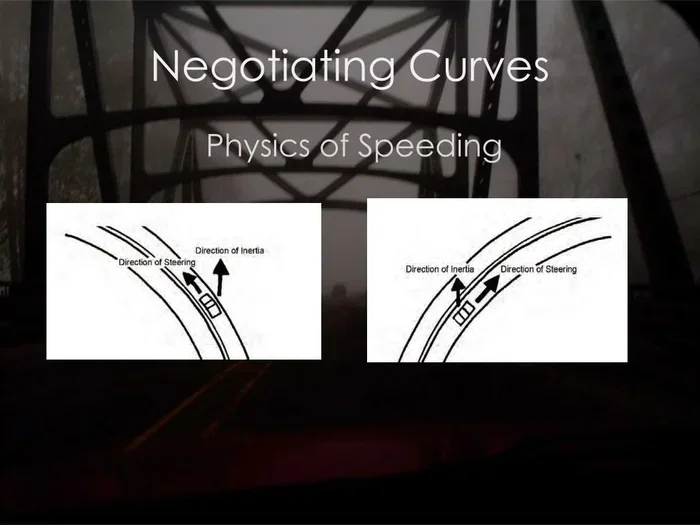
When a vehicle moves in a straight line, it wants to keep going straight. That is Newton’s first law of motion. But when you turn the steering wheel, things change. The vehicle must now follow a curved path. This change in direction requires a force. That force is called centripetal force.
Centripetal force pulls the car toward the center of the curve. Without it, the car would fly off in a straight line. For a car of mass 1000kg negotiates a curve, this force comes from the tires gripping the road surface. The friction between the tires and the asphalt provides the necessary centripetal force.
The formula for centripetal force is simple:
Force = (mass x velocity squared) / radius
This means that the heavier the vehicle or the faster it goes, the more force is needed. A car of mass 1000kg negotiates a tight curve at high speed needs a lot of friction. If the friction is not enough, the tires will lose grip. This is called skidding or oversteer.
Why Speed Matters So Much
Speed has a huge impact on cornering. Doubling your speed quadruples the force needed to turn. That is why speeding through curves is so dangerous. A car of mass 1000kg negotiates a gentle curve at 30 mph very differently than it does at 60 mph. At higher speeds, the tires may not generate enough friction to hold the turn.
Here is a quick look at how speed affects cornering force:
- 20 mph: Low force needed. Most tires handle this easily.
- 40 mph: Force increases significantly. Tire grip becomes critical.
- 60 mph: Very high force required. Risk of losing control rises sharply.
- 80 mph: Extremely dangerous in most normal turns.
The key takeaway is simple. Slow down before the curve, not during it. This gives the tires time to grip the road and keeps the vehicle dynamics stable.
The Role of Friction in Cornering
Friction is the unsung hero of safe driving. Without friction, no car could turn. Every time you navigate a curve, your tires rely on the friction coefficient between the rubber and the road. This coefficient determines how much grip the tires can generate.
On a dry road, the friction coefficient is usually around 0.7 to 0.8. On a wet road, it drops to about 0.4 to 0.5. On ice, it can fall below 0.1. This means a car of mass 1000kg negotiates the same curve much more slowly on ice than on dry pavement.
What Is the Friction Coefficient?
The friction coefficient is a number that measures how much grip two surfaces have against each other. Higher numbers mean more grip. Lower numbers mean less grip. Here are some common examples:
- Dry asphalt: 0.7 to 0.8 (good grip)
- Wet asphalt: 0.4 to 0.5 (moderate grip)
- Gravel road: 0.5 to 0.6 (unpredictable grip)
- Ice: 0.05 to 0.15 (very low grip)
- Snow: 0.1 to 0.3 (poor grip)
When a car of mass 1000kg negotiates a curve, the tires need enough friction to counteract the centrifugal force pushing the car outward. If the friction is too low, the car slides. This is why road conditions matter so much when cornering.
How Tire Condition Affects Grip
Your tires are the only part of the car that touches the road. Their condition directly affects cornering safety. Worn-out tires have less tread depth, which means less grip. Under-inflated or over-inflated tires also reduce the contact patch with the road.
Here are some quick tips to maintain good tire grip:
- Check tire pressure at least once a month.
- Replace tires when tread depth falls below 3mm.
- Rotate tires every 5,000 to 8,000 miles.
- Choose tires rated for the road conditions you drive on most.
Good tire grip makes a huge difference. A car of mass 1000kg negotiates corners much more safely with fresh, properly inflated tires than with worn ones.
Banking of Roads and Why It Matters
Have you ever noticed that some curves are tilted inward? This is called banking. Banked roads are designed to help vehicles turn safely. The tilt uses gravity to push the car toward the center of the curve, reducing the reliance on friction alone.
On a flat road, all the centripetal force must come from tire grip. On a banked road, gravity helps too. This makes cornering much safer, especially at higher speeds. Highway curves and racetracks use banking extensively.
How Banking Angle Works
The banking angle is the tilt of the road surface. A steeper angle means more help from gravity. Engineers calculate the ideal banking angle based on the expected speed and the radius of the curve. The formula takes into account the mass of the vehicle, the speed, and the curve radius.
For a car of mass 1000kg negotiates a banked curve, the forces work together beautifully. Gravity pulls the car down the slope, which creates a component of force pointing toward the center of the curve. This supplements the friction from the tires.
Here are some benefits of banked roads:
- Safer cornering at higher speeds.
- Reduced wear on tires.
- Better performance in wet conditions.
- Less dependence on tire friction alone.
Not all roads have banking, though. Rural roads and residential streets often have flat curves. This is why you need to slow down more on those roads. Understanding road banking helps you adjust your driving style accordingly.
Tire Grip and Vehicle Dynamics Explained
Vehicle dynamics is the study of how a car moves in response to driver inputs and road conditions. When a car of mass 1000kg negotiates a turn, several dynamic forces come into play. These include lateral acceleration, weight transfer, and the behavior of the suspension system.
Lateral Acceleration in Turns
When you turn a corner, your body feels pushed to the side. That feeling is lateral acceleration. It is the force that pushes the car and its occupants outward from the center of the turn. The faster you go and the tighter the curve, the greater the lateral acceleration.
Most passenger cars can handle about 0.7 to 0.9 g of lateral acceleration before the tires start to lose grip. A car of mass 1000kg negotiates a curve within this limit when driven at a safe speed. Exceeding it leads to understeer or oversteer.
Weight Transfer During Cornering
When a car turns, weight shifts to the outside wheels. The inside wheels lift slightly. This is called weight transfer. It affects how much grip each tire has. The outside tires carry more load and grip more. The inside tires have less grip.
This is why taking a turn too fast can cause the inside rear wheel to lose contact with the road. The suspension system plays a key role in managing this weight transfer. A well-tuned suspension keeps the car stable and balanced during cornering.
Understeer vs Oversteer
Two common problems occur when a car loses grip in a turn. The first is understeer. This happens when the front tires lose grip. The car pushes wide and does not follow the intended path. It is more common in front-wheel-drive vehicles.
The second is oversteer. This happens when the rear tires lose grip. The back end swings outward. It is more common in rear-wheel-drive vehicles. Both understeer and oversteer are dangerous. A car of mass 1000kg negotiates curves best when it stays balanced and neither understeers nor oversteers.
Here are some tips to avoid these problems:
- Enter curves at a controlled speed.
- Avoid sudden steering inputs.
- Do not brake while in the middle of a turn.
- Accelerate gently as you exit the curve.
Common Mistakes When Taking Corners
Even experienced drivers make mistakes when cornering. Some habits put you and others at risk. Knowing what to avoid is just as important as knowing what to do.
Braking Mid-Turn
One of the most dangerous habits is braking while the car is turning. When you brake, weight shifts forward to the front wheels. This reduces the grip available at the rear. The car becomes unstable and may spin. Always brake before the curve, not during it.
Taking Corners Too Fast
Speed is the number one cause of cornering accidents. A car of mass 1000kg negotiates curves safely at moderate speeds. Pushing the limits on unfamiliar roads is a recipe for disaster. Always approach curves at a speed you feel comfortable with.
Ignoring Road Conditions
Wet leaves, gravel, oil patches, and potholes all affect cornering grip. A road that is safe in dry weather can become treacherous in the rain. Always adjust your speed and driving style based on current road conditions.
Overcorrecting After a Slide
If the car starts to slide, many drivers panic and jerk the steering wheel. This makes things worse. The correct response is to ease off the accelerator and steer gently in the direction you want to go. Smooth inputs keep the car stable.
Expert Tips for Safer Cornering
Professional drivers and driving instructors agree on a few key principles. These tips can help any driver corner more safely and confidently.
Follow the Racing Line
The racing line is the smoothest path through a curve. It involves entering wide, hitting the apex (the innermost point of the curve), and exiting wide. Following this line reduces the turning radius and allows for a smoother, safer cornering experience.
A car of mass 1000kg negotiates a curve more easily when it follows the right path. The racing line minimizes the lateral force on the tires and keeps the vehicle balanced.
Maintain Proper Tire Pressure
Tire pressure affects the size of the contact patch. Under-inflated tires have a larger contact area but heat up faster. Over-inflated tires have a smaller contact area and less grip. Check your owner’s manual for the recommended pressure and stick to it.
Keep a Safe Following Distance
Cornering requires space. If the car ahead of you brakes suddenly in a curve, you need room to react. A safe following distance gives you time to assess the situation and adjust your speed. This is especially important on winding roads.
Know Your Vehicle
Every car handles differently. A heavy SUV corners differently than a lightweight sedan. A car of mass 1000kg negotiates curves with a specific set of forces. Get to know how your car feels in turns. Pay attention to how it responds to steering and braking. This awareness makes you a much safer driver.
Use Gradual Inputs
Smooth is fast and safe. Jerky steering, sudden braking, and aggressive acceleration all upset the car’s balance. Make all your inputs gradual and deliberate. This keeps the tires working within their grip limits and the vehicle dynamics stable.
Conclusion
Understanding how a car of mass 1000kg negotiates curves and corners is one of the most valuable skills a driver can have. It is not about being a racing driver. It is about staying safe on every road, in every condition. From friction and centripetal force to banking and tire grip, each factor plays a role in how your vehicle handles turns.
Slow down before curves. Maintain your tires. Respect road conditions. Follow the racing line. These simple habits can prevent accidents and save lives. The next time you approach a bend, think about the physics at work. A car of mass 1000kg negotiates every curve based on the forces acting on it. Your job as a driver is to make sure those forces stay in balance.
Drive safely. Stay aware. And remember, the best driver is the one who arrives home every time.
Frequently Asked Questions
Why does a car of mass 1000kg negotiate curves differently than a lighter car?
A heavier car needs more centripetal force to turn. This means it relies more on tire friction and road banking. A 1000kg vehicle requires careful speed management on curves, especially on wet or icy roads where friction is reduced.
What happens if a car takes a curve too fast?
If a car exceeds the friction limit, the tires lose grip. This causes understeer or oversteer. The car may slide outward or spin. Always slow down before entering a curve to maintain control.
Does road banking really help a car of mass 1000kg negotiate corners?
Yes. Banked roads use gravity to help push the car toward the center of the curve. This reduces the burden on tire friction and allows for safer cornering at higher speeds.
How does tire pressure affect cornering safety?
Proper tire pressure ensures the right contact patch size. Under-inflated or over-inflated tires reduce grip. This makes a car of mass 1000kg more likely to skid or lose control during a turn.
What is the best way to brake when approaching a curve?
Brake gently before the curve, not during it. This keeps the weight balanced and the tires gripping. Braking mid-turn shifts weight forward and reduces rear tire grip, increasing the risk of a slide.
Can a car of mass 1000kg negotiate icy curves safely?
It is very difficult. Ice reduces the friction coefficient dramatically. A car of mass 1000kg needs much lower speeds on icy curves. The safest choice is to avoid driving on icy roads if possible.