Wireless GPS Tracker for Car to Protect Your Vehicle
A wireless GPS tracker for car helps you monitor your vehicle’s location in real time and boost security. These compact devices use satellite signals and cellular networks to send live updates to your phone or dashboard. Whether you want to prevent theft, track driving habits, or locate a parked car, a wireless GPS tracker for car gives you peace of mind. In this guide, we cover how they work, top features, types, and tips to choose the best one for your needs.
A wireless GPS tracker for car is one of the smartest investments you can make for your vehicle. Whether your car sits in a driveway or a parking lot all day, knowing its exact location at all times brings a level of comfort that is hard to match. Car theft remains a real concern for millions of drivers, and even a parked vehicle can become a target in seconds.
But a wireless GPS tracker for car does much more than fight theft. It helps you monitor driving habits, keep an eye on teen drivers, manage a fleet of vehicles, or simply find your car in a crowded lot. The technology has become affordable, compact, and incredibly reliable. In this guide, we will walk you through everything you need to know about choosing, installing, and using a wireless GPS tracker for car effectively.
By the end of this article, you will understand how these devices work, what features matter most, and how to pick the right one for your situation. Let us dive in.
Key Takeaways
- Real-Time Location Tracking: A wireless GPS tracker for car lets you see your vehicle’s exact position anytime from your phone.
- Anti-Theft Protection: GPS tracking helps recover stolen vehicles quickly and alerts you when unauthorized movement is detected.
- Easy Installation: Most wireless trackers are plug-and-play or magnetic-mount devices that require no wiring or professional help.
- Geofencing Alerts: Set virtual boundaries and receive instant notifications when your car leaves or enters a designated zone.
- Driving Behavior Insights: Track speed, harsh braking, and idle time to improve driving habits and reduce fuel costs.
- Multiple Tracker Types: Choose from OBD plug-in, magnetic, hardwired, or battery-powered trackers based on your needs and budget.
- Long-Term Savings: Reducing fuel waste and insurance premiums through monitoring can offset the cost of your tracker quickly.
📑 Table of Contents
- What Is a Wireless GPS Tracker for Car?
- Why You Need a Wireless GPS Tracker for Car
- How Does a Wireless GPS Tracker for Car Work?
- Types of Wireless GPS Trackers for Cars
- Key Features to Look For in a Wireless GPS Tracker for Car
- How to Choose the Best Wireless GPS Tracker for Car
- How to Install and Use Your Wireless GPS Tracker for Car
- Common Mistakes to Avoid When Using a Wireless GPS Tracker for Car
- Final Thoughts
What Is a Wireless GPS Tracker for Car?
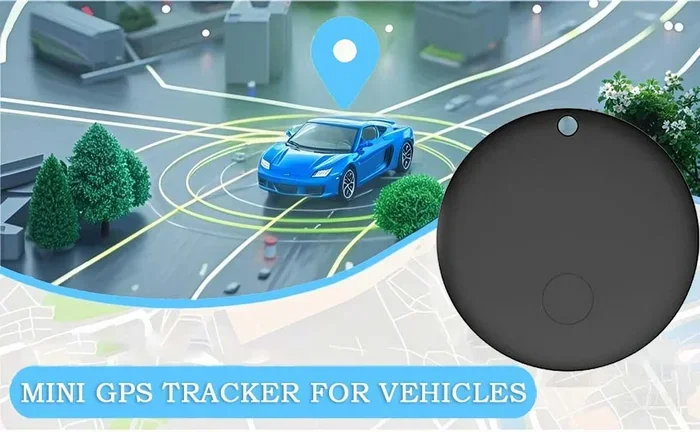
A wireless GPS tracker for car is a small device that uses Global Positioning System satellites to pinpoint your vehicle’s location. It connects to cellular networks to send that location data to an app, dashboard, or web portal in real time. Unlike older tracking systems that required professional installation, modern wireless trackers are designed for everyday drivers.
These devices come in many shapes and sizes. Some are as small as a deck of cards. Others plug directly into your car’s OBD-II port. Many use magnetic mounts so you can hide them under a seat or inside the wheel well. The key difference between a wireless GPS tracker for car and a wired system is the lack of permanent installation. You place it, turn it on, and it starts working immediately.
Most trackers pair with a mobile app or online platform. This gives you access to live maps, location history, speed reports, and alert notifications. The entire system runs on a combination of GPS satellite signals, cellular data networks, and sometimes Wi-Fi for indoor positioning. It is a powerful combination that keeps you connected to your vehicle no matter where it is.
Why You Need a Wireless GPS Tracker for Car
You might wonder if a wireless GPS tracker for car is really necessary. The answer depends on your situation, but for most car owners, the benefits are clear and compelling. Let us look at the main reasons people invest in vehicle tracking.
1. Theft Prevention and Recovery
Car theft is still a major problem. According to recent data, hundreds of thousands of vehicles are stolen every year in the United States alone. A wireless GPS tracker for car dramatically increases your chances of recovering a stolen vehicle. Law enforcement agencies often work faster when they have real-time location data. Some trackers even send instant alerts when your car moves without authorization, giving you a head start in reporting a theft.
2. Peace of Mind for Parents
If you have a teenage driver in the family, a wireless GPS tracker for car can ease your worries. You can see where they are, how fast they are driving, and whether they have arrived safely at their destination. Many trackers include speed alerts and geofencing features that notify you if your teen leaves a safe zone. It is not about spying. It is about keeping your family safe.
3. Fleet Management for Businesses
For business owners who manage multiple vehicles, a wireless GPS tracker for car is an essential tool. Fleet tracking helps you monitor routes, reduce fuel costs, and ensure drivers stay on schedule. Real-time location data allows dispatchers to assign jobs more efficiently. Over time, the savings in fuel and labor can easily justify the cost of the tracking devices.
4. Finding Your Car in Crowded Places
Ever parked in a massive lot and forgotten exactly where you left your car? A wireless GPS tracker for car solves this problem instantly. Open your app, and the map shows you the exact spot. This is especially helpful at airports, stadiums, and shopping centers where parking can feel like a maze.
5. Insurance Discounts
Some insurance companies offer discounts to drivers who use GPS tracking devices. The reasoning is simple: monitored vehicles are less likely to be stolen, and safer driving habits lead to fewer claims. Check with your insurance provider to see if they reward vehicle monitoring with lower premiums.
How Does a Wireless GPS Tracker for Car Work?
Understanding how a wireless GPS tracker for car works helps you appreciate its value. The process is simpler than most people think, and it relies on three core technologies working together seamlessly.
GPS Satellite Signals
The tracker receives signals from a network of GPS satellites orbiting the Earth. By calculating the time it takes for signals to travel from multiple satellites, the device determines your vehicle’s exact location. This process, called trilateration, works in any weather condition and in most environments. The accuracy is typically within a few meters.
Cellular Network Transmission
Once the tracker knows your car’s location, it sends that data over a cellular network, just like your smartphone does. The device uses a built-in SIM card or eSIM to connect to 4G or LTE networks. This is what allows the location data to reach your phone or computer instantly. Some advanced trackers also use Wi-Fi and Bluetooth for additional positioning accuracy in urban areas.
Mobile App and Web Dashboard
The data travels from the tracker to a cloud server and then to your device through a dedicated app or web portal. You can view live maps, check location history, set up alerts, and review driving reports. Most apps are free to download and work on both iOS and Android. The entire process happens in seconds, giving you near-instant updates on your vehicle’s status.
The Role of Geofencing
Many modern trackers include a feature called geofencing. You draw a virtual boundary on a map around a specific area, such as your home or office. The wireless GPS tracker for car monitors this boundary and sends you an alert if the vehicle crosses it. This is incredibly useful for theft detection and for keeping track of young drivers.
Types of Wireless GPS Trackers for Cars
Not all trackers are the same. Different types serve different needs, and choosing the right one depends on what you want to accomplish. Let us break down the most common options available today.
OBD-II Plug-In Trackers
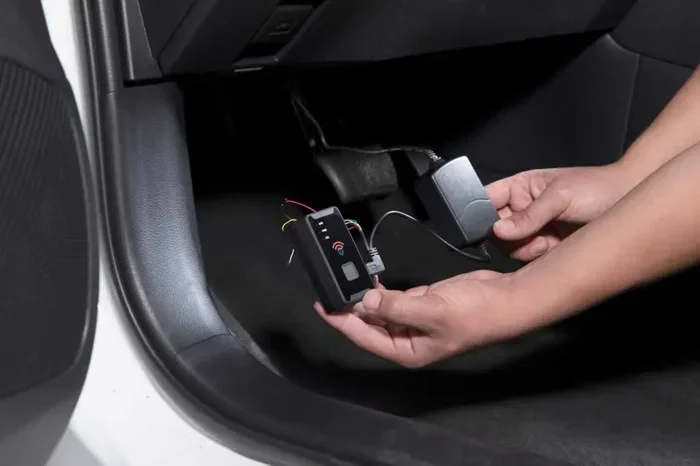
These trackers plug directly into your car’s OBD-II diagnostic port, which is usually located under the steering column. They are easy to install and draw power from the car’s electrical system, so they never need charging. OBD-II trackers often provide rich data, including engine diagnostics and driving behavior monitoring. Popular brands in this category include Vyncs, Bouncie, and Lime Box.
Magnetic-Mount Trackers
Magnetic trackers are small, flat devices with a strong magnet on the back. You can attach them to the underside of your car, inside the wheel well, or under a seat. Their small size makes them easy to hide, which is ideal for anti-theft tracking. Most magnetic trackers are battery-powered, so you will need to recharge them periodically. Examples include the LandAirSea Overdrive and the Spy Tec STI GL300.
Hardwired Trackers
Hardwired trackers are installed directly into your vehicle’s electrical system. They are hidden from view and connected to the car’s battery. This type is common in commercial fleet vehicles where permanent, tamper-proof tracking is essential. Hardwired systems often include advanced features like fuel monitoring and ignition detection. However, they require professional installation and are not ideal for casual users.
Battery-Powered Portable Trackers
These standalone devices run on rechargeable or replaceable batteries. They are completely wireless and can be placed anywhere in or on your vehicle. The trade-off is that battery life varies, typically lasting between one week and three months depending on usage. Battery-powered trackers are great for temporary tracking needs or for vehicles that are not driven daily.
Built-In Factory Trackers
Some newer vehicles come with factory-installed GPS tracking as part of the infotainment system or safety package. Brands like OnStar, BMW ConnectedDrive, and Tesla offer built-in tracking features. While convenient, these systems are tied to the specific vehicle and may not offer the same flexibility as a standalone wireless GPS tracker for car.
Key Features to Look For in a Wireless GPS Tracker for Car
When shopping for a wireless GPS tracker for car, not all features are created equal. Here are the most important ones to consider before making a purchase.
Real-Time Location Updates
The most basic and essential feature is real-time tracking. Your tracker should send location updates every few seconds to a few minutes, depending on your settings. Faster updates mean more precise tracking, but they also use more battery and data. Look for a device that offers adjustable update intervals so you can balance accuracy with efficiency.
Geofencing Alerts
As mentioned earlier, geofencing lets you set virtual boundaries around your home, office, or any other area. When your vehicle enters or exits that zone, the tracker sends a push notification or text alert. This feature is invaluable for theft detection and for monitoring young or inexperienced drivers.
Historical Route Playback
A good tracker stores location history so you can review where your car has been. Most apps allow you to replay routes for the past day, week, or month. This feature is helpful for verifying that a driver took the expected route or for providing evidence to police after a theft.
Speed and Harsh Driving Alerts
Many trackers monitor speed, harsh braking, rapid acceleration, and sharp turns. These alerts help you identify risky driving behavior and coach safer habits. For fleet managers, this data is essential for reducing accidents and lowering insurance costs.
Battery and Voltage Monitoring
Some advanced trackers monitor your car’s battery voltage and alert you when the charge drops too low. This is a great feature for vehicles that sit unused for long periods, as it can warn you of a dead battery before it becomes a problem.
Mobile App Quality
The tracker is only as good as the app that controls it. Look for an intuitive interface, fast load times, and reliable push notifications. The best apps also offer multi-vehicle support, so you can track several cars from one account. Read user reviews to gauge app quality before buying.
Subscription vs. No Subscription
Some wireless GPS tracker for car devices work without a monthly fee, while others require a subscription plan for data and cloud services. Free devices may have limited features or slower updates. Subscription plans typically cost between $10 and $30 per month and unlock full functionality. Consider your budget and needs when comparing options.
How to Choose the Best Wireless GPS Tracker for Car
With so many options on the market, picking the right wireless GPS tracker for car can feel overwhelming. Here is a simple guide to help you make a confident decision.
Define Your Primary Need
Ask yourself what you want the tracker to do most. Is it theft recovery? Teen driver monitoring? Fleet management? Personal convenience? Your primary goal will narrow down your choices significantly. A tracker designed for fleet management may be overkill for someone who just wants to find their car in a parking lot.
Consider Installation and Placement
Think about where you will place the tracker and how easy it is to set up. Plug-in trackers are the simplest. Magnetic trackers offer the most flexibility for hiding. Hardwired trackers require professional help. Choose a style that fits your comfort level and your vehicle’s setup.
Check Cellular Coverage
Your tracker relies on cellular networks to transmit data. Make sure the device supports the network available in your area. Most modern trackers use 4G LTE, which has broad coverage across the United States. Some also include 2G fallback for areas with weaker signals. Check the tracker’s compatibility with your local carrier before buying.
Evaluate Battery Life
If you choose a battery-powered tracker, battery life is a critical factor. Devices that update frequently will drain the battery faster. Look for a tracker that offers at least one to two weeks of runtime on a single charge. Some models also include low-battery alerts so you never run out of power unexpectedly.
Read Reviews and Compare Brands
Before making a final decision, read honest user reviews and compare at least three brands. Look for feedback on accuracy, app usability, customer support, and long-term reliability. Trusted brands in the vehicle monitoring space include Vyncs, Bouncie, LandAirSea, Spy Tec, and Tracki.
How to Install and Use Your Wireless GPS Tracker for Car
Installing a wireless GPS tracker for car is one of the easiest parts of the entire process. Most modern devices are designed for quick, hassle-free setup. Here is a general guide that applies to most plug-in and magnetic trackers.
Start by choosing a good hiding spot. For magnetic trackers, the underside of the dashboard or behind a seat works well. For OBD-II plug-in trackers, the port under the steering column is the standard location. Make sure the tracker has a clear view of the sky for the best GPS signal reception. Avoid placing it inside a metal box or deep within the trunk.
Once you have placed the tracker, download the companion app on your phone. Create an account and follow the on-screen instructions to pair the device. Most apps will guide you through the process step by step. After pairing, test the tracker by moving the car and checking if the location updates appear on your app in real time.
Set up your alerts and preferences next. Configure geofencing zones, speed limits, and notification settings based on your needs. Take some time to explore the app’s features, including route history and driving reports. The more you use the tracker, the more value you will get out of it.
Quick Tips for Best Results
- Place the tracker where it has a clear view of the sky for accurate GPS signals.
- Keep the tracker charged or connected to your car’s power source for continuous operation.
- Update the tracker’s firmware regularly to get the latest features and improvements.
- Use a strong, unique password for your tracking account to protect your privacy.
- Test your tracker periodically to make sure it is working correctly.
- Share access with trusted family members or co-drivers for added convenience.
Common Mistakes to Avoid When Using a Wireless GPS Tracker for Car
Even with a great device, mistakes can reduce its effectiveness. Here are some common pitfalls and how to avoid them.
Choosing the wrong tracker type: Not all trackers suit all needs. A fleet manager needs different features than a parent tracking a teen’s car. Match the tracker to your specific use case.
Ignoring subscription costs: Some trackers look affordable upfront but require expensive monthly plans. Always factor in the total cost of ownership before buying.
Hiding the tracker poorly: If you are using a tracker for theft prevention, hiding it in plain sight defeats the purpose. Place it where a thief is unlikely to find or remove it.
Neglecting battery maintenance: Battery-powered trackers need regular charging. Set a reminder to recharge them before the battery dies completely.
Not updating the firmware: Manufacturers release firmware updates to fix bugs and improve performance. Keep your tracker’s software up to date for the best experience.
Relying solely on GPS: GPS signals can be blocked in tunnels, underground parking, or dense urban areas. Choose a tracker that uses multiple positioning technologies for better accuracy.
Final Thoughts
A wireless GPS tracker for car is more than a gadget. It is a tool that protects your vehicle, your family, and your peace of mind. Whether you are worried about theft, want to monitor a new driver, or manage a fleet of vehicles, the right tracker makes a real difference.
The technology is mature, affordable, and easy to use. You do not need technical skills to set up most devices. Within minutes of unboxing, you can be tracking your car from your phone. The features available today, from real-time updates to geofencing alerts, were once reserved for expensive commercial systems.
Take the time to evaluate your needs, compare options, and choose a tracker that fits your lifestyle. Once you start using a wireless GPS tracker for car, you will wonder how you ever managed without it. The safety and convenience it provides are well worth the investment.
Protect your vehicle today. Explore the available options, read user reviews, and find the wireless GPS tracker for car that works best for you. Your car and your family deserve that extra layer of security.
Frequently Asked Questions
How accurate is a wireless GPS tracker for car?
Most wireless GPS trackers for cars are accurate within 3 to 5 meters under open sky conditions. Accuracy may decrease in dense urban areas, underground parking, or tunnels where satellite signals are blocked. Devices that use multiple positioning technologies, such as GPS, Wi-Fi, and cellular triangulation, tend to maintain better accuracy in challenging environments.
Do I need a subscription for a wireless GPS tracker for car?
It depends on the device. Some trackers work without a monthly subscription and store data locally or use free basic plans. However, most modern trackers require a subscription plan for real-time tracking, cloud storage, and app access. Subscription costs typically range from $10 to $30 per month. Always check the total cost before purchasing.
Can a wireless GPS tracker for car be hidden easily?
Yes, most wireless trackers are designed to be small and easy to hide. Magnetic trackers can be placed under the car body, behind bumpers, or inside wheel wells. Plug-in OBD-II trackers fit neatly under the steering column. The key is to choose a spot that has a clear view of the sky for GPS signal reception while remaining out of sight.
How long does the battery last on a wireless GPS tracker for car?
Battery life varies depending on the tracker type and usage. Hardwired and OBD-II plug-in trackers draw power from the car and never need charging. Battery-powered portable trackers typically last between one week and three months on a single charge. Devices with less frequent update intervals tend to have longer battery life.
Is it legal to use a wireless GPS tracker for car?
In most cases, yes. Tracking your own vehicle or a vehicle you own is legal in the United States. However, tracking someone else’s car without their consent may violate privacy laws. Always check your local regulations before installing a tracker. Using a wireless GPS tracker for car for personal vehicle security and family safety is widely accepted and encouraged.
Can I track multiple cars with one wireless GPS tracker system?
Many tracker brands offer multi-vehicle support through their apps and online platforms. You can add multiple devices to a single account and monitor all of them from one dashboard. This is especially useful for families with several cars or businesses managing fleets. Check the app’s multi-vehicle features before choosing your tracker system.