How Many KM Do Toyota Cars Last Before They Break Down
Toyota cars are built to last, with many models comfortably reaching 300,000 to 400,000 km or more with proper care. The Toyota lifespan depends on factors like maintenance habits, driving conditions, and model type. Regular vehicle maintenance and using quality parts can significantly extend your Toyota’s life.
Toyota has earned a reputation as one of the most reliable car brands in the world. People buy Toyotas knowing they want a vehicle that will keep running for years. But the real question most owners ask is simple: how many kilometers do Toyota cars last before they break down?
The answer might surprise you. A well-maintained Toyota can easily surpass 300,000 km. Some owners push their vehicles past 400,000 km without major issues. This kind of durability is not accidental. It comes from smart engineering, proven build quality, and a brand that prioritizes reliability above flashiness.
In this article, we will explore everything you need to know about Toyota car longevity. We will look at average lifespans by model, the factors that affect durability, and practical tips to help your Toyota last as long as possible. Whether you own a brand-new Toyota or are shopping for a used one, this guide has valuable insights for you.
Key Takeaways
- Toyota cars regularly last 300,000+ km when properly maintained, making them some of the most durable vehicles on the road.
- Regular oil changes and scheduled servicing are the single biggest factors in extending a Toyota’s lifespan.
- Driving habits and conditions play a major role — highway driving is easier on a car than stop-and-go city traffic.
- Certain Toyota models like the Camry, Hilux, and Land Cruiser are famous for exceptional longevity.
- High mileage Toyotas hold their value better than most competitors, making them smart used car buys.
- Common Toyota problems are manageable and inexpensive when caught early through routine inspections.
- Knowing your car’s maintenance schedule helps you avoid costly repairs and unexpected breakdowns.
📑 Table of Contents
- How Many Kilometers Do Toyota Cars Typically Last?
- Factors That Affect How Long a Toyota Lasts
- Toyota Models Known for Extreme Longevity
- How to Maximize Your Toyota’s Lifespan
- Toyota Reliability vs. Other Brands
- Common Toyota Problems to Watch For
- When Should You Consider Replacing Your Toyota?
- The Bottom Line on Toyota Longevity
How Many Kilometers Do Toyota Cars Typically Last?
The average Toyota lifespan depends on several things. But generally, most Toyota vehicles are designed to last between 250,000 and 400,000 km. With excellent care, some Toyotas go even beyond that range.
Here is a quick look at what you can expect from popular Toyota models:
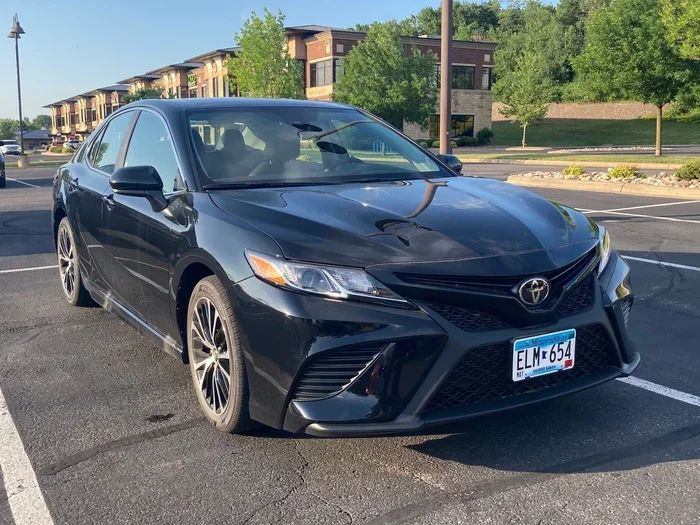
- Toyota Camry: 300,000 to 400,000 km with regular servicing
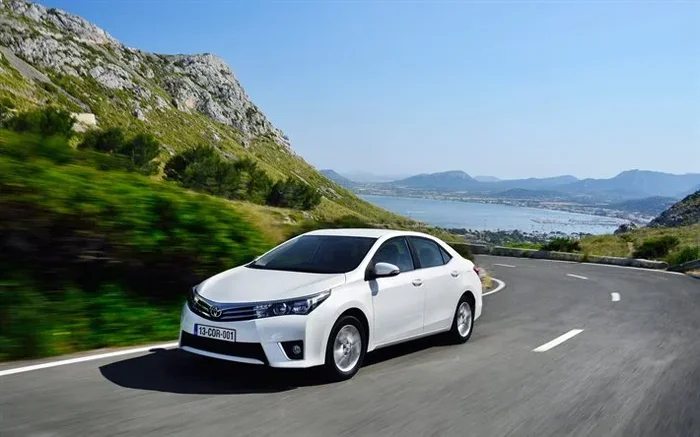
- Toyota Corolla: 250,000 to 350,000 km
- Toyota Hilux: 350,000 to 500,000 km
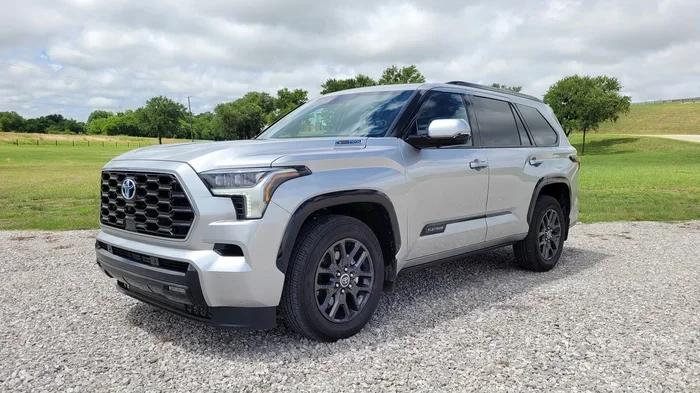
- Toyota Land Cruiser: 400,000+ km
- Toyota RAV4: 250,000 to 350,000 km
- Toyota Prado: 300,000 to 450,000 km
These numbers are not just marketing claims. They come from real-world data collected by owners and automotive researchers. Toyota vehicles consistently rank at the top of reliability surveys worldwide. Brands like Toyota Camrys have been specifically praised for their long-lasting performance and low repair costs over time.
It is important to understand that these figures assume normal driving conditions. If you use your Toyota in extreme conditions, the numbers may be lower. But even then, Toyotas tend to outperform most competitors.
What Does “High Mileage” Mean for a Toyota?
In the car world, “high mileage” means different things depending on the vehicle type. For a Toyota sedan, 200,000 km is considered high. For a Toyota Hilux or Land Cruiser, high mileage might mean 350,000 km or more.
The key difference is the engine design. Toyota builds engines with robust components that handle heavy use. The Toyota engine life is genuinely impressive. Many Toyota engines use durable materials like cast iron blocks and aluminum heads that resist wear over time. This is why you see so many Toyotas on the road with massive odometer readings.
If you are shopping for a used Toyota, do not be scared off by high numbers. A Toyota with 250,000 km that has been well-maintained can easily last another 150,000 km or more. That is a car with a total lifespan of 400,000 km or beyond.
Factors That Affect How Long a Toyota Lasts
Not every Toyota reaches 300,000 km. Some break down at 150,000 km. Why? Because several critical factors determine your car’s actual lifespan. Let us break them down.
1. Maintenance Habits
This is the biggest factor. Regular vehicle maintenance is the single most important thing you can do to extend your Toyota’s life. Oil changes, filter replacements, brake inspections, and fluid top-ups all play a role.
Toyota recommends a car maintenance schedule based on distance intervals. Following this schedule ensures that small problems get fixed before they become big ones. Skipping services might save money short-term, but it costs far more in the long run.
2. Driving Conditions
Where and how you drive matters a lot. Highway driving at steady speeds is much easier on a car than constant stop-and-go city traffic. Stop-and-go driving creates more wear on brakes, clutch, and engine components.
If you drive in dusty or extremely hot conditions, you need to service your car more frequently. Harsh environments put extra stress on every system in the vehicle.
3. Driving Style
How you drive directly impacts car longevity. Aggressive driving — rapid acceleration, hard braking, and speeding — wears out parts faster. Smooth, gentle driving reduces stress on the engine, transmission, and suspension.
Simple habits like warming up the engine gently and avoiding over-revving can add tens of thousands of kilometers to your Toyota’s life.
4. Quality of Parts and Fluids
Using genuine Toyota parts or high-quality aftermarket alternatives matters. Cheap parts might seem like a bargain, but they often fail faster and cause damage to other components. The same goes for engine oil and coolant. Using the right specification fluids protects your engine and keeps it running smoothly.
5. Previous Ownership and Service History
If you buy a used Toyota, the service history tells you a lot. A car that has been serviced regularly by a trusted mechanic is almost always better than a car with no records. A mileage tracker and full service log give you confidence that the previous owner took care of the vehicle.
Toyota Models Known for Extreme Longevity
Some Toyota models have legendary status when it comes to durability. These cars have proven themselves in real-world conditions across every continent.
Toyota Land Cruiser
The Land Cruiser is the king of Toyota longevity. It is not uncommon to find Land Cruisers with 500,000 km or more on the odometer. This SUV was built for extreme conditions, and its engine and drivetrain are designed to handle heavy loads and rough terrain for decades.
Many owners report that their Land Cruisers need only routine maintenance even after 300,000 km. Major mechanical failures are rare. This is why the Land Cruiser holds its value so well in the used car market.
Toyota Hilux
The Hilux is a workhorse. It is used by farmers, construction companies, and adventurers around the world. Its durability is unmatched in the pickup truck segment.
With proper care, a Hilux can easily reach 400,000 to 500,000 km. The diesel engines in particular are known for their incredible longevity. Many Hilux owners never experience major engine or transmission problems.
Toyota Camry
The Camry is one of the best-selling sedans in the world, and for good reason. It is comfortable, efficient, and remarkably reliable. Toyota Camrys regularly appear on lists of the most reliable cars ever made.
A Camry with 300,000 km is considered a well-loved vehicle, not an old one. The engine and transmission are designed for long life, and maintenance costs remain low even as the car ages.
Toyota Corolla
The Corolla is the best-selling car nameplate in history. It is not the most exciting car, but it is dependable. Millions of Corollas have crossed the 300,000 km mark without major issues.
The Corolla’s simplicity works in its favor. Fewer complex systems mean fewer things that can go wrong. This makes it an excellent choice for anyone who wants a low-maintenance daily driver.
How to Maximize Your Toyota’s Lifespan
Want your Toyota to last as long as possible? Follow these proven strategies. They are simple but effective.
Follow the Manufacturer’s Service Schedule
Toyota provides a detailed service schedule for every model. It lists exactly what needs to be done and when. Sticking to this schedule is the foundation of long car life. Do not skip services, even if the car seems fine. Many problems develop silently and are caught during routine inspections.
Change the Oil Regularly
Oil is the lifeblood of your engine. Dirty oil causes friction, heat, and wear. Changing your oil every 5,000 to 10,000 km (depending on the type of oil and your driving conditions) keeps the engine clean and protected.
Use the oil grade recommended by Toyota. Do not assume any oil will do. The right oil formulation protects engine components and helps prevent premature wear.
Address Small Problems Immediately
A small noise, a slight vibration, or a warning light — these are your car’s way of telling you something needs attention. Ignoring them almost always makes things worse. A small repair today can prevent a major breakdown tomorrow.
For example, a worn brake pad is a cheap fix. A damaged rotor caused by ignoring the pad is an expensive fix. The difference is often just a few hundred dollars and a quick visit to the mechanic.
Keep the Car Clean
This might sound unrelated, but cleanliness matters. Road salt, dirt, and debris accelerate rust and corrosion. Washing your car regularly and applying wax protects the bodywork. Cleaning the interior prevents wear on seats and upholstery.
Undercarriage cleaning is especially important if you drive on salted roads or through mud. Rust on the frame or exhaust can lead to expensive repairs and structural weakness.
Drive Gently and Avoid Overloading
Every Toyota has a maximum load rating. Exceeding it puts extra stress on the engine, suspension, brakes, and tires. Overloading also increases fuel consumption and wear.
Driving smoothly — accelerating gently, braking early, and maintaining steady speeds — reduces wear on all components. Your engine, transmission, and brakes will thank you with many extra kilometers of service.
Store the Car Properly When Not in Use
If you have a Toyota that sits for long periods, take precautions. Battery drain, flat spots on tires, and dried-out seals are common problems with parked cars. If possible, drive the car at least once a week to keep all systems lubricated and functioning.
Toyota Reliability vs. Other Brands
How does Toyota compare to other brands when it comes to longevity? The data is clear. Toyota consistently ranks at or near the top of reliability studies conducted by organizations like J.D. Power and Consumer Reports.
Many competing brands have cars that start strong but develop problems after 150,000 km. Toyota vehicles tend to maintain their performance and low repair costs well beyond that point. This is the difference between a car that is built to last and one that is built to look good for a few years.
When you factor in Toyota repair costs and Toyota resale value, the advantage becomes even clearer. Toyotas depreciate more slowly than most brands. A 10-year-old Toyota in good condition still commands a strong price in the used car market. This makes Toyota one of the smartest long-term investments for car buyers.
Of course, no car lasts forever without any attention. Even Toyotas need care. But the effort required to keep a Toyota running for 300,000+ km is remarkably low compared to other vehicles. This is the core reason Toyota dominates reliability rankings year after year.
Common Toyota Problems to Watch For
Even the most reliable cars develop issues over time. Knowing what to look for helps you catch problems early and keep your Toyota on the road.
- Oil consumption: Some older Toyota engines use more oil than expected. Check levels regularly and top up as needed.
- Rust on older models: Cars from the 1990s and early 2000s may develop rust, especially in salty or humid climates.
- Suspension wear: Shocks, struts, and bushings wear out over time. Symptoms include a bumpy ride or pulling to one side.
- Timing belt issues: Some Toyota models require timing belt replacement at specific intervals. Missing this service can cause serious engine damage.
- Battery degradation: Batteries typically last 3 to 5 years. Hot climates shorten battery life significantly.
None of these problems are deal-breakers. They are normal wear items that any car will eventually face. The key is catching them early through regular inspections and addressing them promptly.
When Should You Consider Replacing Your Toyota?
Even the best Toyota will eventually reach a point where continued ownership no longer makes sense. How do you know when that point is?
Consider replacing your Toyota when repair costs start exceeding the car’s value. If you are spending more on fixes than the vehicle is worth, it is time to move on. This is especially true for older models where parts become harder to find or more expensive.
Safety is another important factor. Older Toyotas may lack modern safety features like collision avoidance, blind-spot monitoring, and improved airbags. If your Toyota no longer meets your safety needs, upgrading makes sense.
Also consider your changing needs. A family grows, a commute changes, or lifestyle needs shift. A Toyota that worked perfectly five years ago might not be the right fit anymore. In these cases, upgrading your vehicle is a smart and practical decision.
If you do decide to replace your Toyota, remember that well-maintained Toyotas hold value. You can often get a good trade-in price or a strong resale price. This offsets the cost of your next vehicle and makes the upgrade more affordable.
The Bottom Line on Toyota Longevity
So, how many kilometers do Toyota cars last? The honest answer is: with proper care, most Toyotas will go well beyond 300,000 km, and many will reach 400,000 km or more. The Toyota durability is real and backed by decades of real-world evidence.
Your role as an owner is to provide the care your Toyota needs. Follow the maintenance schedule, use quality parts, drive gently, and address small issues before they grow. Do these things, and your Toyota will reward you with years of reliable service.
Whether you are buying a new Toyota, considering a used one, or already have one in your garage, understanding what affects car longevity puts you in control. You can make informed decisions about maintenance, repairs, and when it is time to move on.
Toyota has built its entire brand around reliability. That reputation is not earned by accident. It comes from careful engineering, rigorous testing, and a commitment to building cars that people can count on. When you own a Toyota, you own a piece of that legacy.
Take care of your Toyota, and it will take care of you for hundreds of thousands of kilometers. That is a promise Toyota has kept for decades, and it shows no signs of stopping.
Frequently Asked Questions
What is the average lifespan of a Toyota car in kilometers?
Most Toyota cars last between 250,000 and 400,000 km with regular maintenance. Some models like the Hilux and Land Cruiser can exceed 500,000 km. The exact lifespan depends on maintenance, driving conditions, and the specific model you own.
Is 200,000 km a lot for a Toyota?
200,000 km is considered moderate for a Toyota. Many Toyotas are still in excellent condition at this mileage. With proper care, a Toyota at 200,000 km can easily last another 150,000 to 200,000 km or more.
Do Toyotas need more maintenance as they get older?
Toyotas generally need consistent maintenance throughout their life, but older models may require attention to aging components like suspension parts, seals, and electrical systems. Staying on top of scheduled services helps prevent major issues in older vehicles.
What Toyota model lasts the longest?
The Toyota Land Cruiser and Hilux are widely regarded as the longest-lasting Toyota models. Both are built with heavy-duty components designed for extreme conditions and heavy use. With proper care, both regularly exceed 400,000 km.
Can a Toyota last 500,000 km?
Yes, many Toyotas have been documented reaching 500,000 km or more. This is most common in models like the Hilux and Land Cruiser, but even sedans like the Camry and Corolla can reach this milestone with diligent maintenance and gentle driving habits.
Are used Toyotas worth buying for their longevity?
Absolutely. Used Toyotas are among the best values in the car market. A well-maintained used Toyota with 150,000 to 200,000 km still has most of its lifespan ahead. The low repair costs and strong resale value make them a smart purchase for budget-conscious buyers.