How Long Will a Toyota RAV4 Last Before Needing Replacement
The Toyota RAV4 is built to last between 200,000 and 300,000 miles with proper care. Most owners can expect 10 to 15 years of reliable service before needing a replacement. Regular maintenance, smart driving habits, and timely repairs play a huge role in maximizing your Toyota RAV4 lifespan.
The Toyota RAV4 has been one of the best-selling compact SUVs for decades. People love it for a reason. It is reliable, practical, and surprisingly long-lasting. But exactly how long will a Toyota RAV4 last before needing replacement? That is the question every RAV4 owner or buyer wants answered.
The truth is, a Toyota RAV4 can easily surpass 200,000 miles with the right care. Some owners push their RAV4s well past 300,000 miles. But the Toyota RAV4 lifespan depends on several factors. Your driving habits, maintenance routine, and even the weather you live in all play a role. In this guide, we will break down everything you need to know about how long your RAV4 will last and what you can do to squeeze every mile out of it.
Whether you just bought a used RAV4 or you are planning to keep your current one for years, this article has you covered. We will look at what affects RAV4 longevity, the most common problems, and when it makes sense to replace the vehicle instead of repairing it. Let us dive in.
Key Takeaways
- Long Lifespan: A well-maintained Toyota RAV4 can last 200,000 to 300,000 miles or more.
- Maintenance Matters: Following the recommended service schedule is the single biggest factor in extending RAV4 longevity.
- Hybrid Advantage: RAV4 Hybrid models may last longer due to reduced engine wear and regenerative braking.
- Common Issues: Watch for transmission problems, rust, and coolant leaks as the RAV4 ages.
- Replacement Signs: Major repair costs exceeding the vehicle’s value signal it is time for a replacement.
- Resale Value: Toyota RAV4s hold their value well, making replacement easier to justify financially.
📑 Table of Contents
- Understanding the Toyota RAV4 Lifespan
- What Affects How Long a Toyota RAV4 Lasts
- Common RAV4 Problems That Affect Longevity
- Maintenance Tips to Extend Your RAV4’s Life
- RAV4 Hybrid vs Gas: Which Lasts Longer?
- When Should You Consider Replacing Your RAV4?
- How to Maximize Your RAV4’s Value Before Selling
- Final Thoughts on Toyota RAV4 Longevity
Understanding the Toyota RAV4 Lifespan
When we talk about how long a Toyota RAV4 lasts, we are really talking about two things. One is the mileage it can handle. The other is the number of years it stays on the road. Most Toyota RAV4s last between 10 and 15 years. Some go even longer with diligent care.
Toyota builds the RAV4 with a reputation for durability. The engines are simple and proven. The drivetrain is straightforward. That is why the RAV4 longevity is so impressive compared to many competitors in the compact SUV class.
Average Mileage Expectancy
Here is a quick breakdown of what you can expect from a Toyota RAV4 over time:
- 0 to 100,000 miles: This is the sweet spot. The RAV4 runs strong with minimal issues.
- 100,000 to 200,000 miles: Minor repairs start appearing. Regular maintenance becomes critical.
- 200,000 to 300,000 miles: The RAV4 is a survivor. Only major components need attention now.
- 300,000+ miles: Rare but achievable. These RAV4s have had excellent care throughout their lives.
The Toyota RAV4 mileage expectancy is one of the best in its class. That is a big reason why so many people choose the RAV4.
Average Years on the Road
In terms of years, a RAV4 typically lasts 10 to 15 years. Some owners keep their RAV4 for 20 years or more. The key is staying on top of RAV4 maintenance. A car that sits in a garage and rarely gets driven can develop its own set of problems too.
What Affects How Long a Toyota RAV4 Lasts
Not all RAV4s age the same way. Several factors determine whether your RAV4 will hit 200,000 miles or fall apart at 80,000. Understanding these factors helps you take control of your vehicle’s future.
Driving Habits
How you drive matters more than you might think. Aggressive acceleration and hard braking wear out components faster. Short trips where the engine never fully warms up can cause moisture buildup in the oil. On the other hand, steady highway driving is much gentler on the engine and transmission.
If you want your RAV4 lifespan to be on the longer side, try to:
- Avoid rapid acceleration whenever possible.
- Let the engine warm up before pushing it hard.
- Drive at steady speeds on the highway when you can.
- Avoid overloading the vehicle beyond its rated capacity.
Climate and Environment
Where you live has a surprising impact on your RAV4’s durability. Cars in cold, snowy climates face more rust and wear. Cars in hot, dry climates deal with overheating risks and UV damage to interior components.
Salt on roads is a RAV4’s worst enemy for longevity. It causes undercarriage rust that can compromise structural integrity over time. If you live in a snowy area, washing the undercarriage regularly is a smart move.
Maintenance History
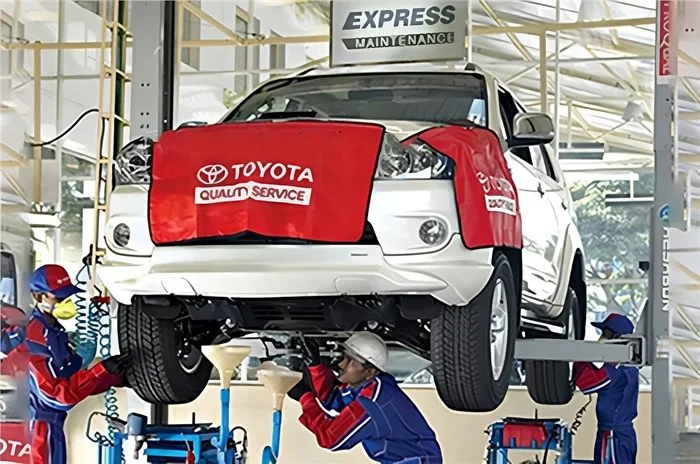
This is the biggest factor. A RAV4 that gets regular oil changes, tire rotations, and brake inspections will outlast one that does not. Toyota recommends specific RAV4 service intervals that owners should follow closely. Skipping even one oil change can lead to engine buildup and premature wear.
Many owners also rely on their 000 mile service on a Toyota Rav4 as a baseline for understanding what a well-maintained RAV4 looks like. Staying consistent with factory-recommended services is the best investment you can make.
Common RAV4 Problems That Affect Longevity
Even the best Toyota RAV4s are not immune to problems. Knowing what can go wrong helps you catch issues early before they become expensive repairs. Here are the most common problems that affect RAV4 longevity.
Transmission Issues
Some RAV4 owners report transmission problems, especially in older models with higher mileage. You might notice rough shifting, slipping gears, or hesitation when accelerating. Transmission repairs can be costly, often ranging from $1,500 to $4,000 depending on the severity.
The good news is that regular fluid changes can prevent many transmission issues. Toyota recommends checking the transmission fluid every 30,000 to 60,000 miles. Staying on top of this simple task can add years to your RAV4’s life.
Coolant Leaks
Coolant leaks are a common complaint among older RAV4 owners. The leak often comes from the water pump or radiator hoses. If you notice a green or orange puddle under your car, get it checked right away.
Ignoring a coolant leak can lead to engine overheating. Overheating can cause catastrophic engine damage. That is why catching small leaks early is so important for RAV4 engine life.
Rust and Corrosion
Rust is a silent killer of vehicle longevity. It starts small, often on the undercarriage or wheel wells. Over time, it spreads and weakens the body panels. In severe cases, rust can make a vehicle unsafe to drive.
To prevent rust on your RAV4:
- Wash the undercarriage regularly, especially in winter.
- Apply a rust inhibitor or undercoating.
- Fix any paint chips or scratches promptly.
- Keep the interior dry to prevent floor rust.
Electrical Gremlins
Older RAV4s sometimes develop electrical issues. These can range from flickering dashboard lights to a failing power window motor. While not typically dangerous, electrical problems can be frustrating and expensive to diagnose.
Many of these issues are simply age-related wear. A full car diagnostic can help identify electrical problems early and save you from bigger headaches down the road.
Maintenance Tips to Extend Your RAV4’s Life
The best way to ensure your Toyota RAV4 lasts a long time is to take care of it. Follow these practical maintenance tips to maximize your Toyota RAV4 lifespan.
Stick to the Service Schedule
Toyota provides a detailed maintenance schedule for every RAV4 model. This schedule covers oil changes, tire rotations, brake inspections, and more. Following it to the letter is the single best thing you can do for your vehicle.
Do not skip scheduled services just because the car seems fine. Many RAV4 problems start small and grow silently. Regular checkups catch these issues before they escalate.
Use Quality Parts and Fluids
Cheap fluids and aftermarket parts might save money upfront. But they can cause problems that cost much more in the long run. Use OEM Toyota parts and manufacturer-recommended fluids whenever possible.
For example, using the wrong grade of oil can affect engine performance and longevity. Always check your owner’s manual for the correct specifications.
Keep Records of All Repairs
Keeping a log of every repair and service visit helps you track your RAV4’s health over time. It also adds value if you ever decide to sell. Buyers love seeing a well-documented service history.
Address Problems Immediately
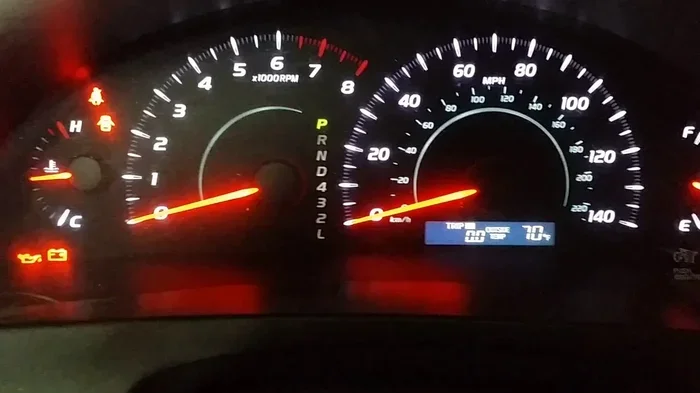
Do not ignore warning lights or unusual sounds. A small noise today can become a major repair next month. If something feels off, get it checked. Early intervention is always cheaper than late-stage repair.
Protect the Interior and Exterior
Physical care matters too. Use a sunshade to protect the dashboard from UV damage. Wash the car regularly to prevent paint oxidation. Clean the interior to avoid wear on seats and flooring. These small habits add up over the years.
RAV4 Hybrid vs Gas: Which Lasts Longer?
The Toyota RAV4 comes in both gas and hybrid versions. Many buyers wonder which one will last longer. The answer is not as simple as you might think.
Hybrid Advantages for Longevity
The RAV4 Hybrid uses a combination of a gas engine and an electric motor. This means the gas engine works less hard overall. Less engine work means less wear and tear over time. The regenerative braking system also reduces strain on traditional brake components.
However, the hybrid battery adds complexity. Hybrid batteries typically last 8 to 10 years or 100,000 to 150,000 miles. After that, the battery may need replacement, which can be expensive. That said, many RAV4 Hybrid owners report that their batteries last well beyond the expected lifespan.
Gas Engine Advantages
The gas-only RAV4 is simpler mechanically. Fewer complex parts means fewer things that can go wrong. The engine and transmission are proven designs that have been refined over many years. Gas RAV4 owners often report fewer surprises as the vehicle ages.
If you are concerned about long-term durability, a well-maintained gas RAV4 is a solid choice. It has fewer systems to worry about and lower repair complexity.
Can You Jump Start a Toyota Hybrid?
One common concern for hybrid owners is what happens if the battery dies. The good news is that you can jump start a Toyota hybrid car just like a regular vehicle. The hybrid battery and the 12-volt battery serve different purposes, so a dead 12-volt battery does not mean your RAV4 Hybrid is a goner.
However, if the hybrid battery itself fails, the situation is more complex. You will need professional assistance. Always consult a Toyota dealer or certified mechanic for hybrid-specific issues.
When Should You Consider Replacing Your RAV4?
Knowing when to replace your RAV4 is just as important as knowing how to maintain it. Sometimes repair costs make more sense than replacement. Other times, the opposite is true. Here is how to decide.
Major Repair Costs Exceeding Vehicle Value
A general rule of thumb is that if a major repair costs more than half the vehicle’s current value, replacement might be the better option. For example, if your RAV4 is worth $5,000 and a transmission repair costs $4,000, it is time to start shopping for a replacement.
Frequent and Expensive Repairs
If your RAV4 needs constant repairs, the cumulative cost adds up fast. Even if no single repair is catastrophic, the ongoing expense can drain your budget. In this case, a newer vehicle with a warranty might save you money in the long run.
Safety Concerns
Safety should always come first. If your RAV4 has structural damage, failed safety systems, or other issues that compromise your safety, do not hesitate to replace it. No vehicle is worth risking your well-being.
Changed Needs
Sometimes the reason to replace a RAV4 has nothing to do with mechanical failure. Your family might have grown. You might need more cargo space or better fuel economy. These lifestyle changes are perfectly valid reasons to upgrade.
How to Maximize Your RAV4’s Value Before Selling
When the time does come to replace your RAV4, you want to get the best possible value for it. Here are a few tips to maximize your RAV4 resale value.
- Keep the interior clean and well-maintained.
- Address all body damage and rust spots before selling.
- Provide a complete service history to the buyer.
- Get a pre-sale inspection to fix any known issues.
- Time your sale when demand for used RAV4s is high.
A well-cared-for RAV4 holds its value remarkably well. Toyota vehicles are known for strong RAV4 resale value, which makes the transition to a replacement vehicle smoother and more affordable.
Final Thoughts on Toyota RAV4 Longevity
The Toyota RAV4 is one of the most durable compact SUVs on the road today. With proper care and regular maintenance, it can easily last 200,000 miles or more. The Toyota RAV4 lifespan is a testament to Toyota’s engineering and build quality.
Your role as an owner is simple but important. Follow the maintenance schedule, address problems early, and treat the vehicle with care. Do these things, and your RAV4 will reward you with years of reliable service. When the time eventually comes to replace it, you will have gotten every last mile out of your trusty RAV4.
Remember, the goal is not just to make the RAV4 last. It is to make it last safely and efficiently. A well-maintained RAV4 is not just a long-lasting vehicle. It is a dependable companion for every road trip, every commute, and every adventure in between.
Frequently Asked Questions
How many miles can a Toyota RAV4 last before needing replacement?
Most Toyota RAV4s can last between 200,000 and 300,000 miles with proper maintenance. Some well-cared-for RAV4s even exceed 300,000 miles. The key is staying consistent with oil changes, fluid checks, and timely repairs.
Is the Toyota RAV4 considered a long-lasting vehicle?
Yes, the Toyota RAV4 is widely regarded as one of the longest-lasting compact SUVs available. Toyota’s reputation for reliability and the RAV4’s simple, proven drivetrain contribute to its impressive longevity and RAV4 durability over the years.
What is the most common reason a RAV4 needs replacement?
The most common reason is the cost of major repairs exceeding the vehicle’s value. Transmission failure, severe rust, and engine damage are the top culprits. Regular maintenance can help prevent or delay these issues significantly.
Does the RAV4 Hybrid last longer than the gas version?
The RAV4 Hybrid can last longer because the electric motor reduces wear on the gas engine. However, the hybrid battery may need replacement after 8 to 10 years. Overall, both versions can achieve excellent mileage with proper care.
How often should I service my RAV4 to maximize its lifespan?
Follow Toyota’s recommended service schedule, which typically includes oil changes every 5,000 to 7,500 miles and a full inspection every 15,000 miles. Staying on top of these intervals is the best way to ensure your RAV4 reaches its full Toyota RAV4 lifespan potential.
Can a RAV4 last 20 years or more?
Yes, it is possible for a RAV4 to last 20 years or more. This usually happens when the owner follows a strict maintenance routine, drives gently, and addresses small problems before they become big ones. A 20-year-old RAV4 with 250,000+ miles is not uncommon.