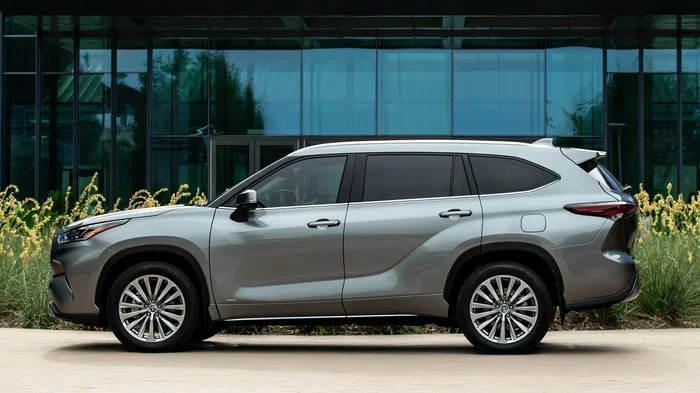
Does the Toyota Highlander Qualify for Section 179 Write Off
The Toyota Highlander may qualify for a Section 179 write-off if you use it primarily for business purposes. This tax deduction lets you deduct the full purchase price of a qualifying vehicle in the year you buy it, rather than depreciating it over several years. Understanding the rules around gross vehicle weight, business use percentage, and IRS guidelines is essential to claiming this valuable deduction.
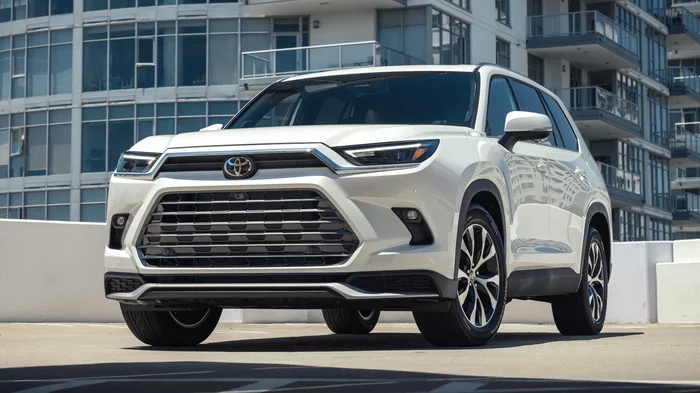
The Toyota Highlander is one of the most popular three-row SUVs on the market. Families love it. Commuters love it. But here is a question that surprises a lot of business owners: does the Toyota Highlander qualify for Section 179 write-off? The short answer is yes, under the right conditions. But the details matter a lot. Let us walk through everything you need to know about claiming this tax deduction on your Toyota Highlander.
Section 179 is a powerful tax tool. It allows businesses to deduct the full cost of qualifying equipment and vehicles in the year of purchase. This is a big deal. Instead of spreading the deduction over five or seven years through depreciation, you can take it all at once. That means a business vehicle tax write-off that can save you thousands of dollars. But not every vehicle qualifies, and the rules can be tricky. This guide breaks it all down in plain language.
Key Takeaways
- The Toyota Highlander can qualify for Section 179: If used more than 50% for business, it may be eligible for a full or partial deduction.
- Gross vehicle weight matters: Vehicles over 6,000 lbs GVWR qualify for higher deduction limits under Section 179.
- Business use percentage is critical: You can only deduct the portion of the vehicle used for business purposes.
- Documentation is key: Keep a detailed mileage log and maintain records of all business-related vehicle use.
- Maximum deduction limits apply: Section 179 has annual caps that change each tax year, so stay updated.
- Consult a tax professional: Tax laws are complex, and a CPA can help you maximize your savings safely.
📑 Table of Contents
- What Is Section 179 and Why Does It Matter?
- Does the Toyota Highlander Meet Section 179 Requirements?
- How Much Can You Deduct for a Toyota Highlander?
- Toyota Highlander Features That Support Business Use
- Common Mistakes Business Owners Make With Section 179
- How to Claim the Section 179 Deduction for Your Toyota Highlander
- Final Thoughts on the Toyota Highlander and Section 179
What Is Section 179 and Why Does It Matter?
Section 179 is a section of the U.S. Internal Revenue Code. It allows business owners to deduct the full purchase price of qualifying assets in the year they are placed in service. This includes vehicles, equipment, and furniture. The goal is simple: encourage businesses to invest by reducing their tax bill upfront.
For vehicle purchases, this is especially valuable. A new Toyota Highlander can cost anywhere from $38,000 to $50,000 depending on the trim and options. Being able to deduct that entire amount in one year is a massive tax savings opportunity. But here is the catch. The IRS has specific rules about which vehicles qualify and how much you can deduct.
How Does Section 179 Work for Vehicles?
Not all vehicles are treated the same under Section 179. The IRS classifies vehicles into categories. Passenger cars, SUVs, trucks, and vans each have different rules. For passenger cars, the deduction is limited. For heavier vehicles, the limits are much higher.
The key factor is the gross vehicle weight rating (GVWR). If the vehicle weighs over 6,000 pounds, it falls into a different category. This is where things get interesting for the Toyota Highlander. Let us look at the numbers.
Does the Toyota Highlander Meet Section 179 Requirements?
The Toyota Highlander is a midsize SUV. Most model years have a GVWR under 6,000 pounds. This means it is classified as a passenger car by the IRS. And passenger cars have stricter deduction limits under Section 179.
However, there is a silver lining. Even though the Highlander is classified as a passenger car, it can still qualify for a deduction. You just need to understand the limits and rules. Here is what you need to know.
Gross Vehicle Weight and the 6,000-Pound Threshold
The IRS sets a 6,000-pound threshold for vehicles. If your vehicle weighs more than 6,000 pounds GVWR, you can deduct up to the full Section 179 limit for that year. For vehicles under 6,000 pounds, the deduction is capped at a lower amount.
The Toyota Highlander typically weighs between 4,500 and 4,900 pounds. So it falls below the 6,000-pound threshold. This means the standard passenger car limits apply. But that does not mean you cannot claim a deduction. It just means the amount is smaller.
Business Use Percentage: The Most Important Factor
The single most important factor in determining your Section 179 deduction is business use percentage. The IRS requires that you use the vehicle more than 50% for business purposes. If you use your Toyota Highlander for both personal and business reasons, you can only deduct the business portion.
For example, if you use your Highlander 60% for business and 40% for personal use, you can deduct 60% of the purchase price. This is where keeping a business mileage log becomes essential. The IRS loves documentation. If you cannot prove your business use, you may lose the deduction entirely.
Here are some common business uses for the Toyota Highlander that can help you stay above the 50% threshold:
- Driving to client meetings and business appointments
- Transporting tools, equipment, or supplies for work
- Making deliveries for a small business
- Traveling between job sites or business locations
- Using the vehicle for ride-sharing or delivery services
How Much Can You Deduct for a Toyota Highlander?
The maximum Section 179 deduction changes every year. For the 2024 tax year, the limit is $1,220,000. However, this is the total limit for all qualifying property, not just vehicles. The vehicle-specific limit for passenger cars is much lower.
For passenger cars placed in service in 2024, the Section 179 deduction limit is $20,200 for the first year. This is after accounting for the luxury vehicle caps that the IRS imposes. If your Highlander costs more than this amount, the rest must be depreciated over time.
Here is a quick comparison of how the deduction works for different scenarios:
- Business use at 100%: You can deduct up to $20,200 in the first year under Section 179.
- Business use at 75%: You can deduct 75% of $20,200, which is $15,150.
- Business use at 50%: You can deduct 50% of $20,200, which is $10,100.
- Business use below 50%: You cannot claim the Section 179 deduction at all.
Keep in mind that these numbers are for the 2024 tax year. The limits change annually, so always check the current year’s IRS guidelines. Also, these limits apply to the vehicle purchase deduction under Section 179. You may also be able to claim bonus depreciation on top of Section 179, which can significantly increase your total deduction.
Bonus Depreciation: An Additional Tax Break
Bonus depreciation is a separate tax provision that works alongside Section 179. It allows you to deduct a large percentage of the vehicle’s cost in the first year. For 2024, bonus depreciation is 60%. This means you can deduct 60% of the remaining cost after your Section 179 deduction.
Let us say you buy a Toyota Highlander for $45,000 and use it 100% for business. You take the $20,200 Section 179 deduction first. That leaves $24,800. Then you apply 60% bonus depreciation, which is $14,880. Your total first-year deduction would be $35,080. That is a significant tax savings right out of the gate.
Toyota Highlander Features That Support Business Use
The Toyota Highlander is more than just a family SUV. It has features that make it a solid choice for business owners. These features can also support your claim that the vehicle is primarily used for business purposes.
Fuel Efficiency and Eco Mode
Fuel costs add up fast for business vehicles. The Toyota Highlander offers an Eco Mode feature that helps improve fuel economy. If you are running lots of business errands or driving to multiple meetings, better fuel efficiency means lower operating costs. In fact, using Eco Mode can help you save on gas mileage over time, which is another business expense you can track.
Keeping your operating costs low is important for any business vehicle. The Highlander’s fuel economy makes it a practical choice for daily business use. And lower fuel costs mean more money in your pocket at tax time.
Towing and Cargo Capacity
The Toyota Highlander has a respectable towing capacity for an SUV. This makes it useful for business owners who need to haul equipment or supplies. If you use your Highlander to tow a trailer for work, that strengthens your case for business use.
The cargo space behind the third row is also impressive. You can fit boxes, tools, and equipment easily. For small business owners, this versatility is a real advantage. The more you use the vehicle for work-related tasks, the stronger your business vehicle tax write-off claim becomes.
Maintenance and Long-Term Reliability
Regular maintenance keeps your vehicle running smoothly and can also affect your tax deductions. Things like cabin air filters and engine air filters need to be replaced periodically. While these are small costs, they add up. Maintaining your Highlander properly ensures it remains a reliable business vehicle for years to come.
One thing to keep in mind: certain maintenance items can actually affect your vehicle’s fuel economy. For instance, a dirty cabin air filter can reduce airflow and slightly impact gas mileage. Staying on top of maintenance helps you maximize every mile you drive for business purposes.
Common Mistakes Business Owners Make With Section 179
Claiming a Section 179 deduction is not as simple as just checking a box on your tax return. Many business owners make mistakes that can trigger an IRS audit or result in a denied deduction. Here are the most common errors to avoid.
Failing to Track Business Use
This is the number one mistake. If you cannot prove that your Toyota Highlander is used more than 50% for business, you will not get the deduction. The IRS requires detailed records. A simple spreadsheet or a mileage tracking app can make this much easier.
You should record the following for every trip:
- The date of the trip
- The starting and ending odometer readings
- The purpose of the trip
- The miles driven
Confusing Section 179 with Bonus Depreciation
These are two different tax provisions. Section 179 lets you deduct the full cost in year one. Bonus depreciation lets you deduct a percentage of the remaining cost. You can use both, but you need to understand how they work together. Taking bonus depreciation before Section 179 can reduce your Section 179 deduction, so plan carefully.
Ignoring the Luxury Vehicle Caps
The IRS imposes luxury vehicle limits on passenger cars. These caps limit how much you can deduct in the first year, regardless of the vehicle’s actual cost. For 2024, the first-year Section 179 cap for passenger cars is $20,200. If your Highlander costs more, the excess amount must be depreciated over the standard recovery period.
Not Consulting a Tax Professional
Tax laws change every year. The rules for Section 179 are complex and full of exceptions. A qualified CPA or tax advisor can help you navigate these rules and make sure you are not leaving money on the table. This is especially true for vehicle deductions, where the stakes are high.
How to Claim the Section 179 Deduction for Your Toyota Highlander
If you have decided that the Toyota Highlander is right for your business and you want to claim the Section 179 deduction, here is how the process works.
- Purchase the vehicle: Buy the Toyota Highlander and place it in service during the tax year.
- Determine business use percentage: Track your mileage carefully and calculate the percentage of business use.
- Complete IRS Form 4562: This form is used to claim Section 179 deductions and depreciation.
- Attach supporting documentation: Keep your purchase receipt, mileage log, and business use records.
- File your tax return: Include the deduction on your business tax return for the year of purchase.
Make sure you file by the tax deadline. If you miss the deadline, you may lose the opportunity to claim the deduction for that tax year. Extensions give you more time to file, but not more time to claim deductions that were available in the original year.
The Toyota Highlander is a versatile and reliable SUV that can serve both your family and your business needs. With the right documentation and a clear understanding of the rules, you can take advantage of the Section 179 write-off and enjoy meaningful tax savings. Remember to keep your business mileage log, stay above the 50% business use threshold, and consult a tax professional if you have any doubts. This deduction can make a real difference in your bottom line.
Final Thoughts on the Toyota Highlander and Section 179
The question of whether the Toyota Highlander qualifies for a Section 179 write-off comes down to a few key factors. Business use percentage, gross vehicle weight, and IRS limits all play a role. The Highlander is a great vehicle for business owners who need space, reliability, and fuel efficiency. And with the right approach, you can turn that vehicle purchase into a valuable tax deduction.
Do not let the complexity of tax law stop you from claiming what you deserve. The Section 179 deduction was designed to help business owners invest in the tools they need. Your Toyota Highlander may very well be one of those tools. Take the time to understand the rules, keep your records in order, and work with a tax professional to maximize your savings.
Whether you are a small business owner, a freelancer, or a sole proprietor, the Toyota Highlander can be more than just a ride. It can be a smart business investment that pays dividends on your tax return. Start tracking your business mileage today, and you will be ready when tax season rolls around.
Frequently Asked Questions
Can I claim Section 179 on a used Toyota Highlander?
Yes, you can claim Section 179 on a used vehicle as long as you place it in service during the tax year and use it more than 50% for business. The deduction is based on the purchase price or fair market value, whichever is lower. Make sure you have documentation of the purchase and your business use records.
What happens if I use my Highlander for less than 50% business use?
If your business use drops below 50%, you cannot claim the Section 179 deduction for that vehicle. You would need to switch to the standard depreciation method instead. This is why tracking your business mileage carefully is so important throughout the year.
Does the Toyota Highlander’s towing capacity affect Section 179 eligibility?
Towing capacity does not directly affect Section 179 eligibility. However, if you use your Highlander to tow equipment for business purposes, it strengthens your case for high business use percentage. The IRS cares more about how you use the vehicle than what it can tow.
Is the Section 179 deduction the same every year?
No, the Section 179 limits change every year. Congress often adjusts the limits in the annual tax code updates. For example, the 2024 limit is $1,220,000 for total qualifying property. Always check the current year’s IRS publication for the most up-to-date numbers.
Can I combine Section 179 with bonus depreciation for my Highlander?
Yes, you can combine Section 179 with bonus depreciation. First apply the Section 179 deduction, then apply bonus depreciation to the remaining cost. This strategy can significantly increase your first-year tax deduction and maximize your savings.
Do I need a special type of Toyota Highlander to qualify for Section 179?
No, you do not need a special trim or configuration. Any Toyota Highlander used more than 50% for business purposes can qualify. The key factors are business use percentage, proper documentation, and staying within the IRS deduction limits for the tax year.