Does a 2007 Corolla Have TPMS Here Is What You Need to Know
The 2007 Toyota Corolla does not come factory-installed with a TPMS (Tire Pressure Monitoring System). TPMS became mandatory in the United States for all new vehicles starting in 2008 under the TREAD Act. However, you can easily add an aftermarket TPMS to your 2007 Corolla for improved safety and tire health.
Key Takeaways
- No Factory TPMS: The 2007 Corolla was produced before the 2008 federal mandate requiring TPMS on all new vehicles.
- Aftermarket Options Exist: You can install an aftermarket TPMS for under $100 to get tire pressure alerts.
- Two Types of TPMS: Direct and indirect systems work differently, and both can be installed on older cars.
- Manual Checks Are Key: Without TPMS, you need to check your tire pressure regularly with a gauge.
- Low Pressure Is Dangerous: Driving on underinflated tires reduces fuel economy and increases blowout risk.
- Dashboard Lights Help: The maintenance light and other indicators can alert you to tire issues even without TPMS.
📑 Table of Contents
- Does A 2007 Corolla Have TPMS? The Short Answer
- What Is TPMS And Why Does It Matter?
- Why The 2007 Corolla Does Not Have Factory TPMS
- How To Tell If Your 2007 Corolla Tires Are Low
- Adding TPMS To A 2007 Corolla
- Benefits Of Adding TPMS To Your 2007 Corolla
- Common Mistakes To Avoid With Tire Pressure
- How TPMS Relates To Other Car Maintenance
- Final Thoughts
Does A 2007 Corolla Have TPMS? The Short Answer
If you own or are thinking about buying a 2007 Toyota Corolla, you might be wondering about tire pressure monitoring. The short answer is no. The 2007 Corolla does not come with a factory TPMS (Tire Pressure Monitoring System).
This might surprise you if you are used to newer cars that beep and flash when your tires are low. But there is a clear reason behind it. Let us break down exactly what TPMS is, why the 2007 model does not have it, and what you can do about it.
Understanding your tire pressure setup is important. It affects your safety, fuel economy, and how long your tires last. Whether you drive a daily commuter or a weekend cruiser, knowing your tire status keeps you ahead of problems.
The good news is that adding a TPMS to a 2007 Corolla is straightforward and affordable. You do not need to be a mechanic to get this done. In this guide, we will walk you through everything step by step.
What Is TPMS And Why Does It Matter?
A Tire Pressure Monitoring System is a safety feature that tracks the air pressure inside your tires. When pressure drops below a safe level, the system sends a warning to your dashboard. Most cars display a horseshoe-shaped light with an exclamation point in the center.
Proper tire pressure is more important than most people realize. Here is why it matters:
- Safety: Underinflated tires are a leading cause of blowouts and accidents.
- Fuel Economy: Tires with low pressure create more rolling resistance, which wastes gas.
- Tire Life: Correct pressure helps your tires wear evenly and last longer.
- Handling: Properly inflated tires give you better control and braking performance.
Without a TPMS sensor, you lose the automatic alert system. You have to rely on manual checks to know your tire health. For many drivers, this is manageable. But for others, a TPMS adds peace of mind.
How TPMS Works
There are two main types of tire pressure systems. Understanding both helps you choose the right option for your 2007 Corolla.
Direct TPMS uses a small sensor inside each tire, usually mounted on the valve stem. This sensor measures the actual air pressure and sends a wireless signal to your car’s computer. When pressure drops by about 25 percent below the recommended level, the dashboard light comes on.
Indirect TPMS works differently. It uses the wheel speed sensors that are already part of your anti-lock braking system. When a tire is underinflated, it has a smaller rolling radius. This causes it to spin faster than the other tires. The system detects this difference and triggers the warning light.
Direct systems are more accurate. Indirect systems are simpler and cheaper because they reuse existing sensors. Both types can be installed on older vehicles like the 2007 Corolla.
Why The 2007 Corolla Does Not Have Factory TPMS
The reason comes down to federal regulations. The TREAD Act was passed by Congress in 2000. It required all new vehicles sold in the United States to include TPMS starting with the 2008 model year. This law came after a series of tire-related accidents and recalls in the early 2000s.
Since the 2007 Corolla was manufactured before this mandate, Toyota did not include a factory tire pressure monitoring system. The 2008 and later Corolla models all came with TPMS as standard equipment.
Here is a quick comparison:
- 2006 and earlier Corolla models: No factory TPMS
- 2007 Corolla: No factory TPMS
- 2008 and newer Corolla models: TPMS included as standard
This means if you drive a 2007 Corolla, you are driving a model year that falls just before the requirement took effect. It is not a design oversight. It is simply a matter of timing.
How To Tell If Your 2007 Corolla Tires Are Low
Without a TPMS light, you need other ways to monitor your tire pressure. Here are the most reliable methods.
Use A Tire Pressure Gauge
A tire pressure gauge is a cheap and essential tool. You can buy one at any auto parts store for under $15. Here is how to use it:
- Check your tire pressure when the tires are cold (drive less than one mile).
- Remove the valve cap from the tire.
- Press the gauge firmly onto the valve stem.
- Read the number on the gauge.
- Compare it to the recommended pressure listed on the driver’s side door jamb.
The recommended pressure for a 2007 Corolla is typically between 30 and 35 PSI. You should check all four tires at least once a month. Also check before any long road trips.
Visual Inspection
Sometimes you can spot a low tire just by looking at it. An underinflated tire will appear visibly flatter on the sides. However, this method is not always reliable. A tire can lose a significant amount of pressure without looking obviously low.
Listen For Hissing Sounds
If you hear a faint hissing noise near your wheels, that could be a slow leak. Get your tire checked right away. Small leaks can turn into flat tires quickly if ignored.
Watch For Handling Changes
If your car pulls to one side or feels sluggish in steering, low tire pressure could be the cause. Tire health directly impacts how your car drives. Any sudden change in handling is worth investigating.
Adding TPMS To A 2007 Corolla
The great news is that you can add a TPMS to a 2007 Corolla even though it did not come with one. Aftermarket systems are widely available and easy to install.
Aftermarket Direct TPMS Kits
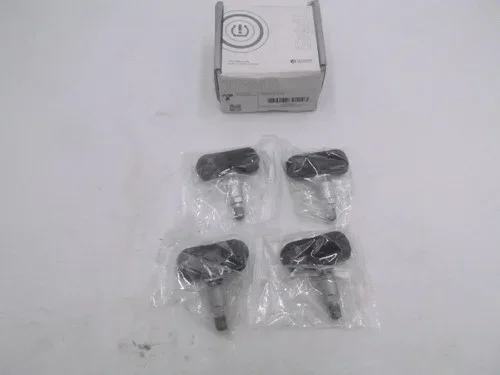
These kits include four external sensors that replace your valve stem caps. They communicate wirelessly with a display unit that you mount inside your car. Popular brands include TireMinder, AE, and Accutire.
Most aftermarket direct TPMS kits cost between $50 and $150. Installation is simple. You screw the sensors onto your existing valve stems and pair them with the display. No special tools or mechanic skills are required.
Here is what you get with a typical kit:
- Four external TPMS sensors
- A wireless display monitor
- Installation instructions
- Battery replacements for the sensors
Aftermarket Indirect TPMS
Some kits work with your existing wheel speed sensors. These are less common for older vehicles and may require professional installation. They are generally more expensive than direct sensor kits.
OEM-Style TPMS Retrofit
If you want a more integrated look, you can visit a tire shop and have them install OEM-style TPMS sensors inside your wheels. This requires removing the tires from the rims and installing internal sensors. It costs more but gives you a cleaner look and better accuracy.
Many tire shops offer this service for around $100 to $200 for all four tires. It is a worthwhile investment if you want your 2007 Corolla to feel more like a modern car.
Benefits Of Adding TPMS To Your 2007 Corolla
Adding a tire pressure monitoring system to your older Corolla offers several real advantages.
- Safety First: You get instant alerts when pressure drops, reducing the risk of blowouts.
- Better Fuel Economy: Properly inflated tires can improve your gas mileage by up to 3 percent.
- Longer Tire Life: Even pressure distribution prevents uneven wear and extends tire life.
- Peace of Mind: You always know your tire status without pulling out a gauge.
- Higher Resale Value: Buyers prefer cars with modern safety features, even if they are aftermarket.
If you are already checking your tire pressure manually, a TPMS simply automates the process. It takes the guesswork out of tire maintenance. For busy drivers, this convenience alone is worth the investment.
Common Mistakes To Avoid With Tire Pressure
Even with or without TPMS, drivers make mistakes that hurt their tires. Here are the most common ones to avoid.
Checking Pressure When Tires Are Hot
Driving heats up your tires, which increases the pressure reading. Always check when the car has been sitting for at least three hours or driven less than a mile. Hot readings give false high numbers.
Ignoring The Spare Tire
Your spare tire can lose pressure too. Many people forget about it until they need it. Give your spare a quick check every few months.
Overinflating Tires
More pressure is not always better. Overinflated tires wear out the center of the tread faster. They also give a harsher ride. Stick to the recommended pressure on your door jamb.
Relying Only On Visual Checks
A tire can lose half its pressure and still look normal. A gauge is the only reliable way to know your true pressure. Make it a habit to check every month.
How TPMS Relates To Other Car Maintenance
Your tire pressure system connects to your overall car care routine. Regular maintenance keeps your 2007 Corolla running smoothly.
For example, did you know that your maintenance light can sometimes relate to tire issues? While the maintenance light is not directly tied to TPMS, staying on top of service intervals helps catch problems early. If your maintenance light stays on, it is worth getting the codes read to rule out tire-related issues.
Also, keeping your tires properly inflated supports better fuel efficiency. Underinflated tires make your engine work harder, which burns more gas. If you are looking for ways to save at the pump, tire pressure is a simple starting point.
And when it comes time for an oil change, many drivers also have their tire pressure checked as part of a routine service. Some shops will top off your tires for free if they are low. It is a small courtesy that goes a long way.
Final Thoughts
The 2007 Toyota Corolla is a reliable and practical car. It does not come with factory TPMS, but that does not mean you are stuck without tire pressure monitoring. Adding an aftermarket system is affordable, easy, and well worth the effort.
Whether you choose a simple external sensor kit or a full OEM-style retrofit, you gain the same benefits that newer cars enjoy. Better safety, improved fuel economy, and longer-lasting tires. Your 2007 Corolla will thank you for it.
Start by picking up a tire pressure gauge today. Check your tires regularly. And if you want the ultimate convenience, invest in an aftermarket TPMS. Your tires, your wallet, and your safety will all benefit from the extra attention.
Taking care of the basics like tire pressure sets you up for years of reliable driving. The 2007 Corolla was built to last. With the right maintenance routine, it will keep going strong for many more miles ahead.
Frequently Asked Questions
Can I add TPMS to my 2007 Corolla myself?
Yes, most aftermarket direct TPMS kits are designed for DIY installation. You simply screw the sensors onto your valve stems and pair them with the display unit. No special tools are needed, and the process usually takes about 15 minutes.
How much does it cost to add TPMS to a 2007 Corolla?
Aftermarket external TPMS kits range from $50 to $150. If you prefer a professional OEM-style retrofit with internal sensors, expect to pay between $100 and $200 at a tire shop. Both options are affordable and worthwhile.
Is it legal to drive a 2007 Corolla without TPMS?
Yes, it is perfectly legal. The TREAD Act that required TPMS only applied to new vehicles starting with the 2008 model year. Your 2007 Corolla was manufactured before this requirement took effect, so no law requires you to have it.
How often should I check my tire pressure on a 2007 Corolla?
You should check your tire pressure at least once a month and before any long road trips. Tires naturally lose about one PSI per month, so regular checks keep you safe and save fuel.
What does the TPMS light look like?
The TPMS warning light looks like a horseshoe shape with an exclamation point in the center. If this light flashes on your 2007 Corolla, it could mean you have an aftermarket TPMS installed or there is a separate tire pressure issue.
Can low tire pressure trigger my check engine light?
In most cases, low tire pressure will not trigger the check engine light on a 2007 Corolla since it lacks factory TPMS. However, if you have an aftermarket TPMS, it may have its own dedicated display. Always get your codes read if a warning light appears.