Do You Check Oil Hot or Cold on Your Toyota Corolla
You should check your Toyota Corolla oil when the engine is warm but not running, typically after driving for a few minutes and letting it sit for 5-10 minutes. This gives you the most accurate dipstick reading and helps protect your engine from wear.
Every Toyota Corolla owner should know one simple thing: checking your oil the right way matters more than you think. A lot of drivers pop the hood, pull the dipstick, and guess what the numbers mean. But doing it wrong can give you a false reading and put your engine at risk. So do you check oil hot or cold on a Toyota Corolla? The answer might surprise you.
This guide breaks down everything you need to know about checking oil on a Toyota Corolla. You will learn the best time to check, the step-by-step process, common mistakes, and how to keep your engine healthy for years. Whether you are a new Corolla owner or have been driving one for a decade, this article has practical tips that actually work.
Checking your oil regularly is one of the easiest ways to avoid costly repairs. A few minutes once a month can save you thousands in engine work down the road. Let us get into it.
Key Takeaways
- Warm engine, not hot: The best time to check oil is after the car has been driven and sat for a few minutes.
- Never check on a cold start: Cold oil sits unevenly and gives a false reading on the dipstick.
- Follow the Toyota manual: Your Corolla owner guide has specific oil type and level recommendations.
- Check monthly: Regular oil checks prevent engine damage and extend your Corolla’s lifespan.
- Know the warning signs: Dark, gritty oil or low levels mean it is time for a change.
- Reset your oil change reminder: After an oil change, reset the maintenance light to stay on track.
📑 Table of Contents
- Why Checking Oil Correctly Matters for Your Toyota Corolla
- Do You Check Oil Hot or Cold on a Toyota Corolla?
- Step-by-Step: How to Check Oil on a Toyota Corolla
- Best Time of Day to Check Your Toyota Corolla Oil
- Common Mistakes People Make When Checking Oil
- How to Know When It Is Time for an Oil Change
- Expert Tips for Keeping Your Toyota Corolla Engine Healthy
- Quick Tips for Accurate Oil Checks
- Conclusion
Why Checking Oil Correctly Matters for Your Toyota Corolla
Your Toyota Corolla engine has many moving parts that rely on oil to stay lubricated. Without enough oil or with dirty oil, those parts grind against each other. Over time, this causes wear, overheating, and eventually engine failure. Checking oil correctly helps you catch problems before they become serious.
The temperature of the oil changes how it flows. Hot oil is thinner and spreads evenly across the engine. Cold oil is thicker and clings to surfaces differently. This is why the timing of your oil check matters so much. A reading taken at the wrong temperature can make it look like you have enough oil when you do not, or vice versa.
What Happens When You Check Oil at the Wrong Temperature
Checking oil on a fully cold engine straight from a cold start gives you a lower reading. The oil has not circulated yet, so it sits in the oil pan. This can trick you into thinking you need to add oil when you do not. On the flip side, checking oil when the engine is scorching hot can give you a higher reading because the oil is thin and has not fully drained back down.
The sweet spot is a warm engine that has been turned off for a few minutes. This lets the oil settle back into the pan while still being fluid enough to give an accurate reading.
Do You Check Oil Hot or Cold on a Toyota Corolla?
The short answer is neither extreme. You want to check your Toyota Corolla oil when the engine is warm. Here is what that means in practice.
The Ideal Method: Warm Engine Check
Drive your Corolla for about 5 to 10 minutes. This gets the oil warm and circulating. Then turn off the engine and wait 5 to 10 minutes. This gives the oil time to drain back into the oil pan. Now you are ready to check.
This method works because:
- The oil is fluid enough to flow evenly on the dipstick.
- The engine is off, so the oil is not being pumped through the system.
- The temperature is moderate, giving you a true level reading.
Why Not Check on a Cold Engine
Some people say you should check oil first thing in the morning before starting the car. This was common advice for older vehicles. But modern Toyotas like the Corolla work better with a warm check. Cold oil does not coat the engine parts properly, and the dipstick reading will be off.
If you must check on a cold engine, wait at least 10 to 15 minutes after starting and running the car briefly. But the warm method is always more accurate.
Why Not Check Immediately After Driving
Do not pull the dipstick right after a long highway drive. The oil will be too hot and too thin. It has not had time to settle. Wait at least 5 to 10 minutes after turning off the engine. Patience here pays off with a much more accurate reading.
Step-by-Step: How to Check Oil on a Toyota Corolla
Now that you know when to check, let us walk through the actual process. It is simpler than most people think.
Step 1: Park on a Level Surface
Find a flat, level parking spot. If the car is on a slope, the oil will pool to one side and give you a wrong reading. Turn off the engine and engage the parking brake.
Step 2: Open the Hood and Locate the Dipstick
Pull the hood release lever inside the car. The dipstick on a Toyota Corolla usually has a bright yellow or orange handle. It is easy to spot near the front of the engine bay.
Step 3: Pull the Dipstick and Wipe It
Pull the dipstick all the way out. Use a clean rag or paper towel to wipe the oil off the stick completely. This removes any residual oil so you get a fresh reading.
Step 4: Reinsert and Pull Again
Slide the dipstick all the way back in. Then pull it out again. Look at both sides of the stick. You will see two marks or holes that indicate the minimum and maximum oil levels.
Step 5: Read the Oil Level
The oil line should fall between the minimum and maximum marks. If it is close to or below the minimum, you need to add oil. If it is near the maximum, you are in good shape.
Step 6: Check the Oil Color and Texture
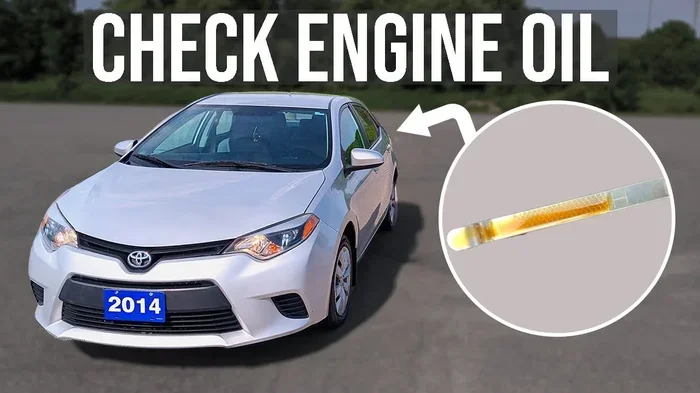
While you have the dipstick out, look at the oil itself. Fresh oil is amber or light brown. Dark brown or black oil means it is time for a change. Gritty or gritty-feeling oil is a red flag. Clean oil keeps your Corolla engine running smoothly.
Best Time of Day to Check Your Toyota Corolla Oil
Many owners wonder if the time of day matters. The answer is not really about morning versus evening. It is about the engine temperature and how long the car has been sitting.
Morning vs Evening Checks
Checking oil in the morning can work if you did the warm engine method the night before and the car has been sitting for 10 to 15 minutes. Checking in the evening after a short drive also works well. The key is the warm-then-wait approach, not the clock.
How Often Should You Check?
Make it a habit to check your Toyota Corolla oil at least once a month. You should also check before any long road trip. Regular oil checks are one of the simplest forms of preventive maintenance you can do.
Common Mistakes People Make When Checking Oil
Even careful drivers sometimes make mistakes when checking oil. Here are the most common ones and how to avoid them.
Checking Oil While the Engine Is Running
Never pull the dipstick while the engine is running. The moving parts can be dangerous, and the oil is actively circulating, so the reading will be inaccurate.
Overfilling the Oil
Adding too much oil can be just as bad as too little. Excess oil can cause foaming, which reduces lubrication. It can also damage the catalytic converter. Always add oil in small amounts and recheck the level.
Ignoring the Oil Change Light
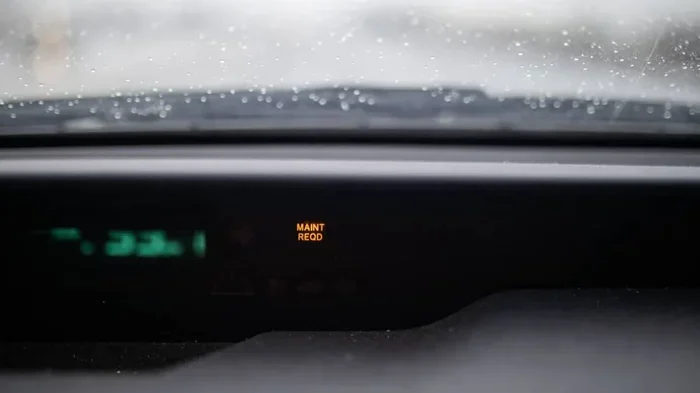
If your Corolla has a maintenance required light, do not ignore it. This light is based on mileage and driving conditions. Reset it after every oil change to keep track. If you are unsure how, you can follow a guide on resetting after an oil change.
Using the Wrong Oil Type
Not all oils are the same. Your Toyota Corolla needs a specific viscosity, usually 0W-20 or 5W-20 depending on the model year. Using the wrong oil can reduce engine performance and fuel efficiency. Always check your owner manual or consult a trusted mechanic.
How to Know When It Is Time for an Oil Change
Checking oil regularly helps you spot when a change is coming. Here are the signs to watch for.
- Dark or black oil: Fresh oil is light amber. Dark oil means it has collected debris and lost its effectiveness.
- Gritty texture: Rub a bit of oil between your fingers. If it feels gritty, it is time to change it.
- Burning smell: A burnt odor from the engine bay can indicate old or overheating oil.
- Increased engine noise: Oil that has lost its lubricity can cause louder engine sounds, especially at idle.
- Oil change reminder light: Your Corolla will often display a maintenance light when it is time for a change.
For more information on oil change intervals and schedules, check your Toyota Corolla owner manual. Most modern Corollas need an oil change every 5,000 to 7,500 miles with conventional oil or every 10,000 miles with synthetic oil.
If you want to handle the oil change yourself, you can learn how to change your Corolla S oil yourself with basic tools and a little patience.
Expert Tips for Keeping Your Toyota Corolla Engine Healthy
Beyond just checking oil, there are a few extra steps that make a big difference for your Corolla’s longevity.
Use Synthetic Oil for Better Protection
Synthetic oil flows better in cold weather and handles high temperatures better than conventional oil. It also lasts longer between changes. While it costs a bit more upfront, it can save you money on repairs in the long run.
Replace the Oil Filter Regularly
Every time you change the oil, replace the oil filter too. A clogged filter can restrict oil flow and starve the engine. This is a simple step that many people skip.
Monitor Oil Consumption
Some Toyota Corolla models burn a small amount of oil between changes. This is normal for many modern engines. But if you are adding a quart or more every 1,000 miles, have a mechanic take a look. Excessive oil consumption can signal underlying problems.
Keep Records of Your Oil Changes
Maintain a log of every oil change, including the date, mileage, and oil type used. This helps you stay on top of maintenance and can increase the resale value of your car. If you ever want to find out the fair market value of your car, a well-documented maintenance history is a big plus.
Quick Tips for Accurate Oil Checks
- Always check oil on a level surface.
- Wait 5 to 10 minutes after turning off the engine.
- Use a clean cloth or paper towel for the dipstick.
- Check oil at least once a month.
- Use the oil type recommended by Toyota for your specific Corolla year.
- Never overfill. Add oil gradually and recheck.
- Inspect the oil color and texture every time you check.
Conclusion
Checking oil hot or cold on your Toyota Corolla comes down to one simple rule: check it warm, not hot and not cold. Drive the car for a few minutes, turn it off, wait 5 to 10 minutes, and then pull the dipstick. This method gives you the most accurate reading and helps you keep your engine in great shape.
Make oil checks a regular habit. It takes just a few minutes and can prevent major engine problems. Your Toyota Corolla will reward you with years of reliable performance when you take care of it the right way.
Stay on top of your maintenance schedule, use the right oil, and never ignore warning signs. A little effort today saves you from big headaches tomorrow.
Frequently Asked Questions
Should I check my Toyota Corolla oil when the engine is cold?
Checking oil on a fully cold engine is not recommended. Cold oil has not circulated properly and will give you an inaccurate reading. The best approach is to drive the car for a few minutes, turn it off, wait 5 to 10 minutes, and then check. This warm engine method gives you the most accurate dipstick reading.
How often should I check the oil on my Toyota Corolla?
You should check your Toyota Corolla oil at least once a month. It is also a good idea to check before any long road trips. Regular checks help you catch low oil levels early and prevent engine damage.
What type of oil does a Toyota Corolla need?
Most Toyota Corolla models use 0W-20 or 5W-20 oil, but the exact type depends on your model year. Always check your owner manual for the recommended oil viscosity and specifications. Using the correct oil ensures proper engine protection and fuel efficiency.
Can I check my oil right after driving?
No, you should not check oil immediately after driving. The oil will be too hot and too thin, and it has not had time to settle back into the oil pan. Wait at least 5 to 10 minutes after turning off the engine for the most accurate reading.
What does it mean if my oil is black?
Black oil usually means it is dirty and has collected contaminants from the engine. It is a sign that an oil change is due. Fresh oil is typically amber or light brown. If your oil is dark and gritty, it is time to change it and the oil filter.
Do I need to reset the oil change light after an oil change?
Yes, you should reset the maintenance required light after every oil change. This keeps your service schedule accurate and helps you stay on track with your Toyota Corolla’s maintenance intervals. If you are not sure how to reset it, you can find step-by-step guidance online.