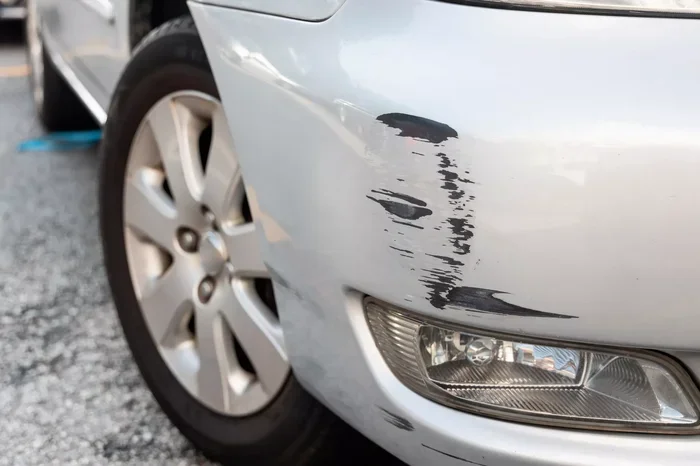
Does Car Insurance Cover Scratches and Dents on Your Vehicle
Car insurance may cover scratches and dents, but only under specific conditions like collision or comprehensive coverage. Filing a claim makes sense for major damage, but minor issues often cost more in premium hikes than they pay out. Understanding your policy details helps you make smarter repair decisions.
This is a comprehensive guide about Does Car Insurance Cover Scratches and Dents?.
Key Takeaways
- Collision coverage typically pays for dents and scratches caused by accidents.
- Comprehensive coverage covers damage from non-collision events like hail or vandalism.
- Filing a small claim may raise your insurance rates more than the repair cost.
- Your deductible applies before your insurer pays anything toward repairs.
- Paintless dent repair is a cost-effective option for minor dents that may not warrant a claim.
- Always check your policy before assuming coverage for any type of vehicle damage.
- Documenting damage with photos and police reports strengthens your claim significantly.
[FEATURED_IMAGE_PLACEHOLDER]
Does Car Insurance Cover Scratches and Dents on Your Vehicle?
Car owners face this question every day. You come out to your vehicle and find a fresh scratch or a stubborn dent. Your first thought? Will my insurance pay for this? The answer is not a simple yes or no. Does car insurance cover scratches and dents depends on several factors. Your policy type, the cause of damage, and your coverage limits all play a role. This guide breaks it all down in plain language. You will learn exactly what to expect and how to make the best decision for your wallet.
Most drivers assume their auto insurance policy handles all types of damage. That is not always true. Some policies cover scratches and dents. Others do not. Understanding the difference saves you money and frustration. Let us walk through everything you need to know about car insurance claims for vehicle damage.
Car insurance is not one-size-fits-all. Your coverage depends on the type of policy you bought. A basic liability plan won’t touch scratches or dents. But full coverage with collision and comprehensive may. The key is knowing what you have before you need it. This article gives you that knowledge.
Types of Car Insurance Coverage That May Apply
Not all car insurance covers scratches and dents. The coverage that applies depends on how the damage happened. Here are the main types that may help.
Collision Coverage
Collision coverage pays for damage from accidents. This includes hitting another vehicle, a guardrail, or a parking pole. If you backed into a pole and dented your bumper, collision coverage likely applies. It also covers single-car accidents like rolling your vehicle.
However, collision coverage comes with a deductible. This is the amount you pay out of pocket before your insurer steps in. Deductibles typically range from $250 to $1,000. If your repair costs are below your deductible, the claim does not make financial sense.
Comprehensive Coverage
Comprehensive coverage handles damage from non-accident events. This includes vandalism, theft, hail, falling tree branches, and animal strikes. If someone keyed your car in a parking lot, comprehensive coverage pays for the scratch repair. If a baseball cracked your windshield, this coverage applies too.
Like collision, comprehensive also has a deductible. But it generally covers a wider range of damage scenarios. Many drivers pair comprehensive with collision for full protection. This combination is often called “full coverage” car insurance.
Liability Coverage
Liability coverage does not cover your own vehicle damage. It pays for injuries and property damage you cause to others. If you hit someone else’s car and dent it, your liability coverage pays for their repairs. But your own scratches or dents are not included. This is a common point of confusion for many drivers.
Uninsured Motorist Coverage
Uninsured motorist coverage protects you when the other driver has no insurance. If someone hits your car and drives off, this coverage can pay for dents and scratches. It works like collision coverage but applies specifically to hit-and-run or uninsured driver situations.
When Does Insurance Cover Scratches and Dents?
Understanding when your policy kicks in makes all the difference. Here are common scenarios and how insurance typically handles them.
Covered Scenarios
- Accident damage: You hit a curb and bend your wheel well. Collision coverage applies.
- Vandalism: Someone scratches your car door with a key. Comprehensive coverage pays.
- Weather damage: Hail dents your hood and roof. Comprehensive coverage steps in.
- Falling objects: A tree branch crashes onto your car. Comprehensive covers the dents.
- Animal damage: A deer hits your front bumper. Comprehensive coverage applies.
- Hit-and-run: Someone dents your car in a parking lot and leaves. Uninsured motorist or collision coverage may apply.
Not Covered Scenarios
- Normal wear and tear: Small scratches from daily use are not covered.
- Intentional damage: If you damage your own car on purpose, insurance will not pay.
- Racing or off-road use: Damage from illegal racing or unauthorized off-roading is excluded.
- Wear-related issues: Paint fading or rust from age is not a covered claim.
Should You File a Claim for Minor Damage?
This is the question every car owner faces. A small dent or shallow scratch can cost anywhere from $50 to $500 to fix. But filing a claim may raise your insurance premium for three to five years. The math does not always favor filing.
Here is a simple rule of thumb. If the repair cost is less than your deductible plus one year of premium increase, skip the claim. For example, if your deductible is $500 and a claim raises your rate by $300 per year, you would need repair costs above $800 to break even over one year.
Minor scratches and small dents often fall below this threshold. In these cases, paying out of pocket makes more sense. But major damage from a serious accident? That is when you file. Let us look at the numbers more closely.
| Damage Type | Typical Repair Cost | Claim Worth It? |
|---|---|---|
| Small scratch (surface level) | $50 – $150 | No |
| Deep scratch (exposed metal) | $150 – $400 | Maybe |
| Small dent (door ding) | $100 – $300 | No |
| Medium dent (bumper dent) | $300 – $800 | Yes, if over deductible |
| Large dent (panel damage) | $800 – $2,000 | Yes |
| Multiple scratches or dents | $1,000 – $3,000 | Yes |
Paintless dent repair is a great option for minor dents. It costs less and does not require repainting. Many car body repair shops offer this service. It preserves your original paint and keeps your vehicle value intact.
How Filing a Claim Affects Your Insurance Rates
Filing a claim is not free. Your insurer may increase your rates after a claim. This is called a surcharge. The amount depends on your insurer, your state, and your claim history.
On average, a single at-fault accident claim raises rates by 20% to 40%. That adds up fast over the life of your policy. A comprehensive claim for vandalism or hail usually has a smaller rate impact. Some insurers do not increase rates for comprehensive claims at all.
Claim-free discounts are another reason to think twice. Many insurers offer discounts for drivers with no claims. Filing one claim can cost you that discount for several years. Always ask your insurer about the rate impact before you file.
Quick Tips Before Filing a Claim
- Get a repair estimate first. Know the exact cost before you decide.
- Call your insurer and ask about rate impact before filing.
- Check if your deductible is worth paying for the repair amount.
- Consider car scratch repair cost options outside of insurance.
- Keep all documentation, including photos and police reports.
The Claims Process for Scratch and Dent Damage
If you decide to file a claim, the process is straightforward. Here is what to expect step by step.
Step 1: Document the Damage
Take clear photos of every scratch and dent. Capture multiple angles. Include close-ups of any paint damage. If the damage happened in a parking lot, check for security cameras. A police report strengthens your claim, especially for vandalism or hit-and-run incidents.
Step 2: Contact Your Insurer
Call your insurance company or use their app. Report the incident and provide your photos. They will assign a claim number and guide you through the next steps. Be honest and accurate in your description.
Step 3: Get an Estimate
Your insurer may require an estimate from a licensed repair shop. Some companies have direct repair programs. Others let you choose your own shop. Get at least two estimates if possible. This ensures you get a fair repair cost.
Step 4: Pay Your Deductible
Once the claim is approved, you pay your deductible. The insurer pays the rest up to your coverage limit. If repairs cost less than your deductible, you pay the full amount yourself.
Step 5: Get Your Car Repaired
After payment, take your car to the approved shop. The repair timeline varies. Simple scratch repairs may take a day. Dent repairs or panel replacements could take a week or more. Keep all receipts and communication records.
Common Mistakes People Make with Scratch and Dent Claims
Avoid these common pitfalls to protect your wallet and your policy.
Filing Too Many Small Claims
Small claims add up fast. Each claim stays on your record for three to five years. Multiple claims signal high risk to insurers. This leads to bigger rate increases over time. Paying for minor repairs out of pocket is almost always the smarter move.
Not Reading Your Policy
Many drivers never read their full policy. They assume everything is covered. But exclusions exist in every policy. Read your documents carefully. Know what is covered and what is not. If something is unclear, call your agent and ask.
Delaying the Claim
Time matters with insurance claims. Most policies require you to report damage promptly. Waiting too long can result in a denied claim. File as soon as possible after the incident. Even if you are not sure you want to proceed, open the claim. You can always withdraw it later.
Choosing the Cheapest Repair Shop
Low-cost repair shops may use inferior parts or shortcuts. This can hurt your vehicle value long-term. Choose a reputable shop with good reviews. Your insurer may recommend shops, but you have the final choice.
How to Prevent Scratches and Dents on Your Vehicle
Prevention is always better than repair. Here are practical steps to reduce your risk of vehicle damage.
- Park in garages or covered areas whenever possible.
- Avoid tight parking spots where other cars may clip your doors.
- Use car covers during hailstorms or in areas with falling debris.
- Keep distance from large trucks that can throw rocks.
- Install paint protection film on high-impact areas like the front bumper.
- Train drivers in your household to check mirrors before opening doors.
These simple habits reduce your chances of needing a claim. They also keep your car looking great for years.
Expert Insights on Scratch and Dent Claims
Insurance experts agree on one thing: read your policy. Every policy is different. What covers scratches and dents for one driver may not apply to another. Coverage limits, deductibles, and exclusions vary widely.
Experts also recommend getting multiple repair estimates. This gives you leverage during the claim process. It also helps you decide whether filing is worth it. If the estimate is close to your deductible, paying out of pocket often makes more sense.
One insurance agent shared this insight: “Many drivers file claims for damage that costs less than their deductible plus the premium increase. They end up paying more in the long run. We encourage customers to weigh the real cost before filing.”
How Car Insurance Rates Are Affected by Claims
Claims history is one of the biggest factors in your insurance premium. Insurers use claim data to assess risk. More claims mean higher rates. Here is how different types of claims typically affect rates.
- At-fault collision claim: 20% to 40% rate increase
- Comprehensive claim (vandalism, hail): 5% to 15% rate increase, or none
- Hit-and-run claim: Usually no rate increase if uninsured motorist coverage applies
- Multiple claims in one year: Significant rate hike or non-renewal risk
Keep in mind that rate increases vary by state and insurer. Some states regulate how much insurers can raise rates after a claim. Others allow more flexibility. Always check with your specific provider for accurate numbers.
If you are comparing insurance options, consider how claims history affects pricing. A clean claim record keeps your rates lower. This is especially important when shopping for new auto insurance policy options.
Key Takeaways
- Collision coverage and comprehensive coverage are the two types that cover scratches and dents.
- Liability coverage alone does not pay for your own vehicle damage.
- Filing a claim for minor damage often costs more in premium increases than it pays.
- Your deductible must be subtracted from any claim payout.
- Document everything with photos and reports before filing.
- Paintless dent repair is a cost-effective alternative for minor dents.
- Prevention through smart parking and protective measures reduces risk.
Conclusion
Does car insurance cover scratches and dents? The short answer is: it depends. Your coverage type, the cause of damage, and your policy details all matter. Collision coverage handles accident-related dents and scratches. Comprehensive coverage covers vandalism, weather, and other non-collision damage. But filing a claim is not always the best move. For minor damage, paying out of pocket often saves you money. For major damage, your insurance is there to help.
Take the time to understand your policy. Know your deductible, your coverage limits, and your claim history. This knowledge puts you in control. You make informed decisions instead of guessing. When in doubt, call your insurance agent and ask questions. They are there to help you navigate the process.
Your vehicle is a big investment. Protecting it makes sense. But protecting your wallet matters too. Use the tips in this guide to decide the best path forward for every scratch and dent that comes your way.
Can You Get Temporary Car Insurance to Cover Accidental Damage?
If you are in a situation where you need short-term protection, temporary car insurance might be an option. Some providers offer short-term policies that include collision and comprehensive coverage. However, these policies often have limited coverage amounts and higher premiums. Always read the fine print before purchasing any short-term plan.
Will Filing a Scratch Claim Raise My Insurance Rates?
It depends on the type of claim and your insurer. Comprehensive claims for vandalism or weather damage often have minimal rate impact. At-fault collision claims typically raise rates more significantly. The best approach is to ask your insurer directly about the potential rate increase before you file.
Does Car Insurance Cover Scratches From a Parking Lot Incident?
If another driver hit your car and left, uninsured motorist coverage or collision coverage may apply. If the damage is from vandalism like keying, comprehensive coverage pays. If you caused the damage yourself, it depends on your specific policy and coverage type.
Is Paintless Dent Repair Covered by Insurance?
Yes, if the damage is covered under your policy and you file a claim. Paintless dent repair is a recognized repair method by most insurers. It is often cheaper than traditional body work, which may work in your favor during the claim process.
How Long Does a Car Insurance Claim Take to Process?
Most claims are resolved within a few weeks. Simple scratch and dent claims may be faster. Complex claims involving multiple panels or frame damage take longer. Your insurer can give you a timeline estimate once the claim is filed.
Can I Choose Any Repair Shop for My Insurance Claim?
In most cases, yes. Some insurers have preferred repair networks, but you are usually free to choose your own shop. Just make sure the shop is licensed and reputable. Your insurer may require an estimate before approving repairs at a specific location.
Frequently Asked Questions
What is Does Car Insurance Cover Scratches and Dents??
Does Car Insurance Cover Scratches and Dents? is an important topic with many practical applications.