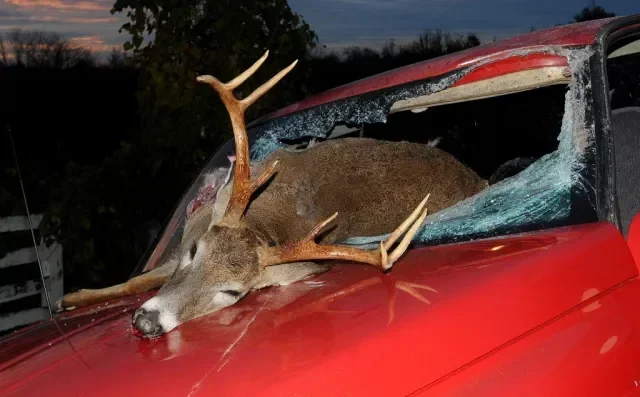
Does Car Insurance Cover Hitting a Deer and What to Do
Yes, car insurance can cover hitting a deer, but only if you have comprehensive coverage. This type of policy helps pay for vehicle damage caused by wildlife collisions, including deer strikes. Without comprehensive coverage, you will likely pay for repairs out of your own pocket.
Hitting a deer is a terrifying experience. One moment you are driving along, and the next there is a loud thud, and your vehicle is damaged. Every year, millions of drivers face this exact situation. The question on everyone’s mind is simple: does car insurance cover hitting a deer?
The answer depends on your policy type and the coverage you selected. Many drivers assume their basic plan will handle the cost. But that is not always true. Understanding your car insurance policy before an accident happens can save you a lot of stress and money.
In this guide, we will break down exactly what auto insurance covers when you hit a deer. We will look at the types of coverage that apply, how to file a claim, and what steps to take right after a deer collision. By the end, you will know exactly what to do and what to expect.
Key Takeaways
- Comprehensive coverage is essential: It is the only coverage type that typically covers deer collisions and animal strikes.
- Collision coverage does not apply: This covers accidents with vehicles or objects, not wildlife encounters.
- Filing a claim is straightforward: Document the damage, contact your insurer, and get a professional assessment.
- Rates may or may not increase: It depends on your insurer and your overall driving record.
- Safety comes first: Always prioritize your well-being after a deer strike before handling paperwork.
- Preventive measures help: Using high beams and staying alert in deer zones can reduce your risk.
📑 Table of Contents
- Does Car Insurance Cover Hitting a Deer?
- Understanding Your Deductible and Coverage Limits
- What to Do Right After Hitting a Deer
- How to File a Deer Collision Claim
- Will Your Insurance Rates Go Up After a Deer Claim?
- Tips to Prevent Deer Collisions
- When a Deer Accident Involves More Than Vehicle Damage
- Conclusion
Does Car Insurance Cover Hitting a Deer?
The short answer is yes, but only with the right coverage. Not all insurance policies are the same. Some basic plans will not pay for wildlife damage at all. This is why it is so important to understand what your policy includes.
When you hit a deer, the damage is classified as an animal collision. This is different from a fender bender or a crash with another vehicle. Because it involves a living animal and not another driver, the type of coverage that applies is specific.
What Type of Coverage Applies?
There are two main types of car insurance coverage that matter here: comprehensive and collision. Let us look at how each one works when you strike a deer.
Comprehensive coverage is the type of policy that pays for deer damage. It covers events that are not caused by a collision with another vehicle. This includes theft, vandalism, weather damage, and animal strikes. If you have comprehensive car insurance, your insurer should cover the cost of repairing your vehicle after a deer hit, minus your deductible.
Collision coverage, on the other hand, covers damage from crashes with other vehicles or objects like fences and guardrails. It does not cover animal collisions. So if you only have collision coverage and no comprehensive, you will likely pay for the repairs yourself.
This works much like how car insurance covers tire damage only when the right policy type is in place. The coverage type determines everything.
What Does Comprehensive Coverage Pay For?
Comprehensive coverage pays for a range of non-collision events. Here is what it typically includes:
- Animal strikes: Deer, elk, moose, and other wildlife collisions
- Theft and vandalism: Damage from break-ins or malicious acts
- Weather events: Hail, flooding, falling trees, and lightning strikes
- Fire damage: Engine fires or damage from external sources
- Falling objects: Branch drops, debris, or other items that land on your vehicle
So when you ask, does auto insurance cover hitting a deer, the answer is clear: comprehensive coverage does. But you need to make sure this coverage is part of your car insurance policy.
Understanding Your Deductible and Coverage Limits
Having comprehensive coverage is only part of the picture. You also need to understand your deductible and coverage limits. These two factors determine how much money you will pay out of pocket.
What Is a Deductible?
Your insurance deductible is the amount you pay before your insurer covers the rest. For example, if your deductible is $500 and the repair costs $3,000, you pay $500 and your insurer pays $2,500. Deductibles for comprehensive coverage are usually between $250 and $1,000.
When you file a comprehensive claim for a deer strike, the deductible is subtracted from the payout. Choose a deductible you can afford in an emergency. A lower deductible means a higher monthly premium, so find the balance that works for your budget.
What Are Coverage Limits?
Your policy coverage limit is the maximum amount your insurer will pay. For comprehensive coverage, this is usually based on the actual cash value of your vehicle. If your car is totaled after a wildlife accident, your insurer pays out the current market value, not what you originally paid.
Make sure your coverage limit is enough to cover a serious repair or a total loss. Check your policy documents or call your agent to confirm your limits. This is one of the most overlooked parts of car ownership.
What to Do Right After Hitting a Deer
Knowing what to do immediately after a deer strike can make a big difference. Your actions in the first few minutes affect your safety and your claim. Here is a clear step-by-step guide.
Step 1: Pull Over and Stay Safe
Turn on your hazard lights and pull over to a safe spot. Do not try to move the deer. An injured animal can be dangerous. Stay in your vehicle if you are on a busy road. Your safety always comes first.
Step 2: Check for Injuries
Check yourself and any passengers for injuries. Even if you feel fine, some injuries do not show up right away. If anyone is hurt, call 911 immediately. Do not skip this step, even for minor accidents.
Step 3: Document the Scene
Take photos of your vehicle damage from multiple angles. Capture the road conditions, any deer debris, and the surrounding area. These photos are crucial evidence for your car insurance claim. The more documentation you have, the smoother the process will be.
Step 4: Contact Your Insurance Company
Call your insurance provider as soon as possible. Report the accident and start the filing a claim process. Most companies have 24-hour claim hotlines. The sooner you report, the better. Note the claim number and the name of the adjuster assigned to your case.
Step 5: Get a Professional Assessment
Do not attempt to drive a seriously damaged vehicle. Wait for an adjuster or take your car to a trusted repair shop. Your insurer may require an official assessment before approving repairs. This is where they determine if the vehicle is repairable or a total loss.
Common Mistakes to Avoid
Avoiding these mistakes can save you time, money, and stress:
- Not reporting the accident: Even if the damage seems minor, always report it to your insurer.
- Delaying the claim: Filing late can lead to denial or reduced payout. Report as soon as possible.
- Skipping photos: Without photos, your claim may be harder to prove. Always document the scene.
- Ignoring hidden damage: Deer strikes can cause hidden issues like misaligned frames or damaged sensors. Get a thorough inspection.
- Admitting fault: You are not at fault for hitting a deer. Do not say you were speeding or negligent unless it is true.
How to File a Deer Collision Claim
Filing a claim after a deer collision is not as complicated as many people think. The process is similar to other types of comprehensive claims. Here is what you need to know.
Gather Your Information
Before you call your insurer, gather the following:
- Your policy number
- The date and time of the accident
- The location where the collision occurred
- Photos of the damage
- Police report number (if applicable)
- Contact information for any witnesses
Having all this ready speeds up the process. Your insurer will ask for details, and being prepared saves time.
The Claims Process Step by Step
- Report the claim: Call your insurer or use their app to file online.
- Adjuster assignment: Your insurer assigns an adjuster to evaluate the damage.
- Vehicle inspection: The adjuster reviews photos or inspects the vehicle in person.
- Repair estimate: A certified shop provides a cost estimate for the repairs.
- Approval or denial: Your insurer approves the claim and schedules repairs, or denies it with an explanation.
- Repair or payout: You choose a repair shop, and your insurer pays the approved amount minus your deductible.
Think of this process like how insurance covers engine replacement under comprehensive policies. The key is having the right coverage and following the proper steps.
How Long Does a Claim Take?
Most deer collision claims are resolved within two to four weeks. Simple repairs may be approved faster. If the vehicle is totaled, the payout process can take a bit longer. Your insurer will give you a timeline once the claim is filed. Stay in touch with your adjuster and respond to requests quickly.
Will Your Insurance Rates Go Up After a Deer Claim?
This is one of the most common concerns drivers have. The short answer is: it depends. Several factors determine whether your insurance premium will increase after a deer claim.
Factors That Affect Rate Changes
Here are the key factors that insurers consider:
- Your driving record: A clean record with no prior claims makes a big difference.
- Your claim history: This is your first claim, or have you filed multiple claims recently?
- Your state laws: Some states regulate how much insurers can raise rates after a comprehensive claim.
- Your insurer’s policies: Each company has its own rules about rate increases after animal collisions.
Many insurers treat comprehensive claims for deer strikes as non-fault incidents. This means they are less likely to raise your rates compared to at-fault accidents. However, this is not guaranteed. To understand more about how claims affect your costs, check out our article on whether car insurance rates are going up.
How to Minimize Rate Increases
If you are worried about rate hikes, here are some tips:
- Ask your insurer if a deer claim counts as a fault incident
- Consider raising your deductible to reduce the frequency of small claims
- Bundle your policies for discounts that can offset any increase
- Shop around for better rates if your current insurer raises your premium significantly
In some cases, the rate increase is minimal or zero. But it never hurts to ask your agent directly. Being proactive about your car insurance policy gives you peace of mind.
Tips to Prevent Deer Collisions
Prevention is always better than dealing with the aftermath. Deer collisions are more common than most people think, especially during certain seasons. Here are practical tips to help you avoid a deer strike.
Know When Deer Are Most Active
Deer are most active at dawn and dusk. They also move more during the fall mating season, which runs from October to December. If you drive during these times, stay extra alert.
Use High Beams When Possible
High beams illuminate the road better and give you more time to react. Use them on dark, unlit roads when there is no oncoming traffic. This simple habit can make a real difference.
Watch for Deer Crossing Signs
Deer crossing signs are placed in areas with high wildlife activity. Slow down when you see these signs and stay focused on the road. Deer often travel in groups, so if you see one, there may be more nearby.
Do Not Swerve Suddenly
It might be tempting to swerve to avoid a deer. But sudden swerving can cause you to lose control or hit oncoming traffic. Brake firmly and stay in your lane. Often, the damage from a controlled stop is less than the damage from a swerve gone wrong.
Maintain Your Vehicle
Keep your brakes in good condition and ensure your headlights are working properly. A well-maintained vehicle gives you the best chance of reacting quickly. Just as regular car maintenance extends the life of your vehicle, staying on top of safety systems keeps you protected on the road. If you ever find yourself needing short-term protection while sorting out your coverage, you might explore temporary car insurance options.
When a Deer Accident Involves More Than Vehicle Damage
Sometimes a deer collision involves more than just car damage. Let us look at a few situations that go beyond a simple repair.
What If the Deer Is Injured or Killed?
If you hit a deer and it is injured or killed, do not approach it. An injured deer can kick or charge, causing serious harm. Contact local law enforcement and let them handle the situation. They can also provide a report, which is helpful for your insurance claim.
Can You Claim Damages if You Do Not Have Comprehensive Coverage?
If your policy does not include comprehensive coverage, you are on your own for deer damage. Without the right protection, you would need to pay for all repairs out of pocket. This is one of the strongest reasons to add comprehensive coverage to your policy before an accident happens.
What About Personal Injury Protection?
If you or your passengers are injured in a deer collision, personal injury protection (PIP) can help cover medical bills. PIP is required in some states and optional in others. Check your policy to see if you have this coverage. It is separate from vehicle damage coverage and focuses on injuries.
Conclusion
So, does car insurance cover hitting a deer? The answer is yes, as long as you have comprehensive coverage on your policy. Without it, you will likely bear the full cost of repairs or replacement. This is exactly why understanding your auto insurance policy before an accident is so important.
Hitting a deer is stressful, but knowing what to do makes a huge difference. Document everything, contact your insurer promptly, and get a professional assessment. Take steps to prevent future deer strikes by staying alert during high-risk times and driving defensively.
Review your policy today. Make sure your comprehensive coverage is active and your deductible is affordable. A few minutes of preparation now can save you thousands of dollars and a lot of headaches later. Being informed is your best protection on the road.
Frequently Asked Questions
Does full coverage car insurance cover hitting a deer?
Full coverage typically includes both comprehensive and collision coverage. Since deer strikes fall under comprehensive, yes, full coverage will cover the damage. However, you will still need to pay your deductible before the insurer pays the rest.
Will my insurance go up if I hit a deer?
Not necessarily. Many insurers treat deer collisions as non-fault comprehensive claims, which often do not trigger rate increases. However, this varies by company and state. Contact your agent to confirm how a deer claim affects your specific policy.
What should I do immediately after hitting a deer?
Pull over safely, turn on your hazard lights, and check for injuries. Do not approach the deer. Take photos of the damage and the scene, then contact your insurance company to start the claims process.
Does liability insurance cover deer damage?
No. Liability insurance only covers damage you cause to other people or their property. It does not cover damage to your own vehicle from a deer strike. You need comprehensive coverage for that.
How much does it cost to repair deer damage on a car?
Repair costs vary widely depending on the severity of the damage. Minor repairs like a cracked bumper may cost a few hundred dollars. Major damage such as a bent frame or damaged radiator can cost several thousand dollars. Getting a professional estimate is the best way to know your exact costs.
Can I hit a deer and still get a payout if I do not have comprehensive coverage?
Unfortunately, no. Without comprehensive coverage, your insurer will not pay for deer-related damage. You would need to pay for all repairs out of pocket. This is one of the strongest reasons to add comprehensive coverage to your policy.