Is It OK to Drive With Overfilled Oil Learn the Risks
Driving with overfilled oil can cause serious engine damage, including oil leaks, increased pressure, and even engine seizure. Overfilled oil happens when the oil level exceeds the maximum mark on the dipstick, leading to foaming, poor lubrication, and potential costly repairs. This guide covers the risks, symptoms, causes, and fixes so you can protect your engine.
Key Takeaways
- Overfilled oil creates excess pressure: Too much oil causes foaming and increased crankcase pressure, which can damage engine seals and gaskets.
- Driving with overfilled oil is risky: Symptoms include blue smoke, oil leaks, and reduced engine performance. Continuing to drive can lead to expensive repairs.
- Common causes are simple mistakes: Overfilling often happens during DIY oil changes or when too much oil is added at a service center.
- Fix it early to avoid damage: Draining excess oil promptly can prevent long-term engine problems and keep your vehicle running smoothly.
- Prevention is easy: Always check the dipstick after adding oil, follow your owner’s manual, and trust a trusted mechanic for oil changes.
- Don’t ignore the symptoms: If you notice white smoke, oil leaks, or unusual engine sounds, check your oil level immediately.
📑 Table of Contents
What Happens When You Overfill Your Engine Oil?
You just got your oil changed. Or maybe you did it yourself. You feel good about keeping your car maintained. But then you notice something off. The engine sounds different. There’s a slight leak underneath. Or maybe you see blue-tinted smoke coming from the exhaust.
These could all be signs that you have overfilled oil in your engine. And it’s a bigger deal than most people think.
Engine oil is the lifeblood of your vehicle. It lubricates moving parts, reduces friction, and keeps everything running cool. But like anything else, more isn’t always better. When the oil level goes above the maximum mark on the dipstick, you enter dangerous territory. The engine isn’t designed to handle excess oil, and the consequences can be serious.
So is it OK to drive with overfilled oil? The short answer is no. The longer answer involves understanding exactly what happens inside your engine when oil levels are too high. Let’s break it down.
The Science Behind Oil Overfill
Your engine’s crankcase holds a specific amount of oil. This amount is carefully calculated by engineers to ensure proper lubrication without creating excess pressure. When you add too much oil, the crankshaft starts spinning in the extra oil. This creates a churning effect, similar to a blender mixing ingredients.
This churning causes several problems:
- Oil foaming: The oil traps air and turns into a frothy mixture. Foam can’t lubricate properly, which means metal parts start grinding against each other.
- Increased crankcase pressure: Excess oil creates pressure inside the crankcase. This pressure can push past seals and gaskets, causing leaks.
- Oil entering the combustion chamber: When foamy oil gets pushed up through the crankcase ventilation system, it can enter the cylinders. This leads to burning oil and blue exhaust smoke.
Over time, these issues compound. What starts as a minor annoyance can turn into a major engine problem.
Common Causes of Oil Overfill
Understanding why overfilled oil happens can help you prevent it. Most causes come down to simple human error or a lack of attention to detail. Here are the most common reasons people end up with too much oil in their engine.
Adding Too Much Oil During a DIY Oil Change
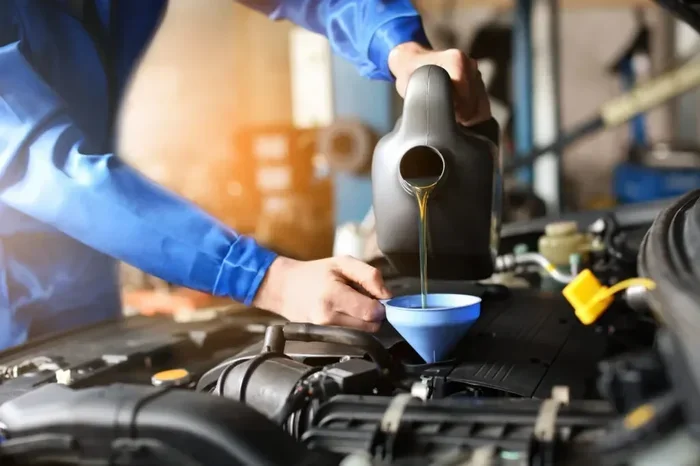
Many car owners prefer to change their own oil. It saves money and gives you control over the process. But pouring oil from a jug into a fill hole isn’t an exact science. It’s easy to overpour, especially if you’re not paying close attention to the dipstick readings between additions.
If you’re doing a DIY oil change, always add oil in small increments. Pour a little, wait a minute for the oil to settle, then check the dipstick. Repeat until you reach the full mark. Never just pour a whole quart and assume it’s enough.
Service Center Mistakes
Even professional mechanics can make mistakes. In a busy shop, it’s easy to miscalculate or forget to check the dipstick after adding oil. Some quick-lube places rush through oil changes, and accuracy sometimes falls by the wayside.
If you’re concerned about the quality of service, consider asking the mechanic to show you the dipstick reading before you leave. A reputable shop won’t mind this at all. You can also check your oil level at home a day or two after any service to make sure everything is correct.
Wrong Oil Capacity Assumptions
Every engine has a specific oil capacity. This number is listed in your owner’s manual. But not everyone checks this before adding oil. If you’re using a universal oil capacity chart or guessing based on a similar vehicle, you might add more oil than your engine actually needs.
Always refer to your specific vehicle’s manual. A Toyota Camry might need a different amount than a Toyota RAV4, even though they’re from the same manufacturer. Know your vehicle’s exact oil capacity before you start pouring.
Multiple Oil Top-Offs Without Checking
Sometimes people add oil in stages. They add a half quart, drive for a few days, then add more. This approach can easily lead to overfilling because the oil hasn’t had time to fully settle and coat all the engine components. Each time you check the dipstick, the reading might be slightly different, leading to overcorrection.
If you need to top off your oil, do it gradually and check the level each time. Patience is key here.
Symptoms of Too Much Oil in Your Car
How do you know if your oil is overfilled? Your car will usually tell you, but you need to pay attention. Here are the most common symptoms of too much oil in your engine.
Blue or White Smoke from the Exhaust
This is one of the most noticeable signs. When excess oil enters the combustion chamber, it burns along with the fuel. This creates blue or white smoke from your tailpipe. A small amount of smoke might not seem alarming, but persistent blue smoke is a clear warning sign.
If you see this, don’t ignore it. Check your oil level right away. Driving with burning oil can damage your catalytic converter and other expensive components.
Oil Leaks Around Seals and Gaskets
Excess oil creates pressure inside the crankcase. This pressure pushes outward on every seal and gasket it can find. Over time, this leads to oil leaks. You might notice oil spots on your driveway or garage floor.
Common leak points include:
- Valve cover gaskets
- Oil pan gasket
- Front and rear crankshaft seals
- Oil filter housing
These leaks can start small but worsen quickly if the overfill issue isn’t addressed.
Unusual Engine Sounds
Foamy oil doesn’t lubricate as well as clean oil. When your engine lacks proper lubrication, metal parts start making contact. You might hear knocking, ticking, or rattling sounds coming from the engine bay.
These sounds are never normal. If you hear anything unusual after an oil change or oil top-off, pull over safely and check your oil level.
Oil Pressure Warning Light
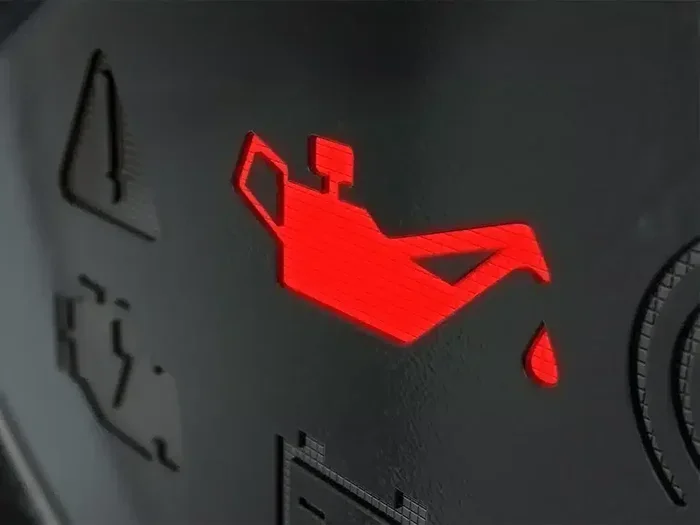
Some vehicles have an oil pressure warning light on the dashboard. When excess oil causes irregular oil flow, this light may illuminate. While this light can come on for various reasons, it’s always worth checking your oil level when it appears.
Reduced Engine Performance
Foamy oil can’t maintain consistent oil pressure. This means some engine components might not get the lubrication they need. The result? Reduced performance, rough idling, or a general feeling that your car isn’t running as smoothly as it should.
If you’ve recently added oil and notice your engine isn’t performing the way it usually does, check the oil level before assuming something else is wrong.
Can You Drive With Overfilled Oil? The Real Risks
This is the question most car owners want answered. Can you actually drive with overfilled oil, or should you address the problem immediately? The honest answer depends on how far over the maximum level you’ve gone.
Slightly Overfilled: Minor Risk
If your oil level is just slightly above the maximum mark on the dipstick, the risk is relatively low in the short term. You might not notice any immediate symptoms. However, even a slight overfill can cause oil foaming over time, especially at higher engine speeds.
If you discover a slight overfill, the best course of action is to drain the excess oil. This is a simple fix that a mechanic can handle quickly, or you can do it yourself if you’re comfortable underneath your car.
Significantly Overfilled: Serious Risk
If the oil level is well above the maximum mark, the risks increase significantly. Here’s what can happen if you continue driving with significantly overfilled oil:
- Engine seal failure: Excess pressure can blow out oil seals, leading to major oil leaks.
- Catalytic converter damage: Burning excess oil can clog or damage your catalytic converter, which is an expensive repair.
- Engine misfires: Oil in the combustion chamber can interfere with spark plugs and cause misfires.
- Hydrolock: In extreme cases, too much oil can enter the cylinders and prevent the pistons from moving. This is called hydrolock and can cause catastrophic engine damage.
Driving with significantly overfilled oil is not something to take lightly. If you’ve overfilled by more than half a quart, have the excess oil removed before driving the car any significant distance.
Some people wonder if driving with overfilled oil is similar to other questionable driving practices, like driving with a maintenance required light on or pushing through a check engine light. The truth is, overfilled oil is a mechanical problem that will only get worse with time and mileage.
What About Short Drives?
You might think, “It’s just a short drive to the grocery store.” While a very short trip with slightly overfilled oil is unlikely to cause immediate catastrophe, it’s still not worth the risk. Every mile you drive with overfilled oil increases the chance of damage. Why take the chance when the fix is usually quick and affordable?
Comparison: Slightly Overfilled vs. Significantly Overfilled
| Factor | Slightly Overfilled | Significantly Overfilled |
|---|---|---|
| Oil Level Above Max | Less than 0.2 inches | More than 0.2 inches |
| Immediate Risk | Low | High |
| Symptoms | Usually none | Smoke, leaks, unusual sounds |
| Recommended Action | Drain excess oil soon | Drain excess oil immediately |
| Potential for Damage | Minimal if corrected quickly | Significant if driven regularly |
| Repair Cost | Low ($50-$150 for drain) | High ($500+ for seal or engine damage) |
How to Fix an Overfilled Oil Situation
If you’ve discovered that your oil is overfilled, don’t panic. This is a fixable problem, especially when caught early. Here’s what you need to do.
Step 1: Stop Driving the Vehicle
The first and most important step is to stop driving. Every minute you spend driving with overfilled oil increases the risk of damage. Park the car and let the oil settle for at least 10 minutes before taking any action.
Step 2: Check the Oil Level with a Dipstick
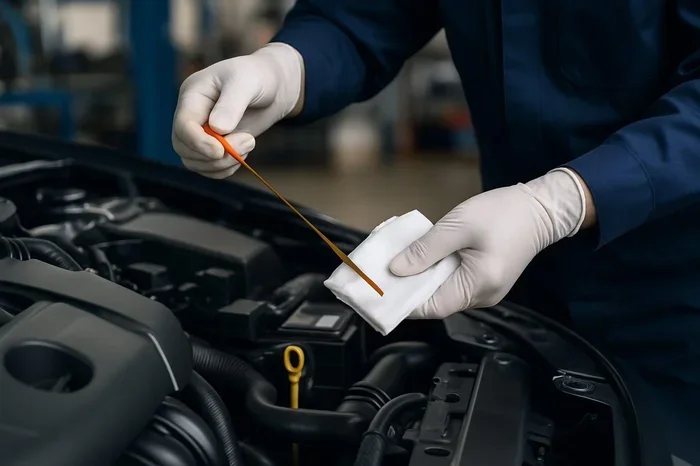
Pull the dipstick, wipe it clean, reinsert it, and pull it out again. Confirm the oil level is above the maximum mark. Knowing exactly how much excess oil you have will help you determine the best removal method.
Step 3: Drain the Excess Oil
There are two main ways to remove excess oil:
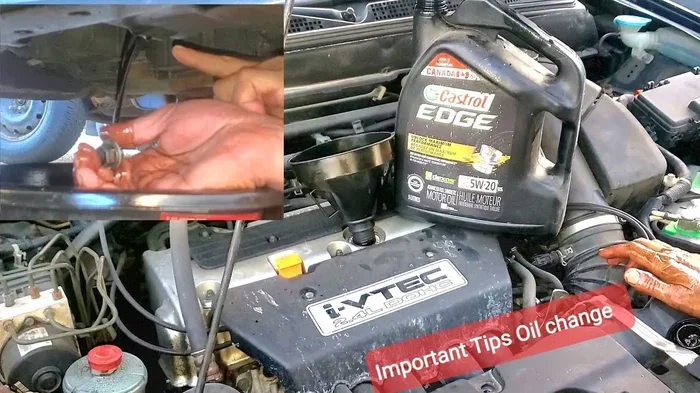
Method A: Drain Plug If you’re comfortable working under your car, you can remove the oil drain plug and let a small amount of oil out. This method requires a drain pan and some patience. Replace the drain plug securely once you’ve removed enough oil.
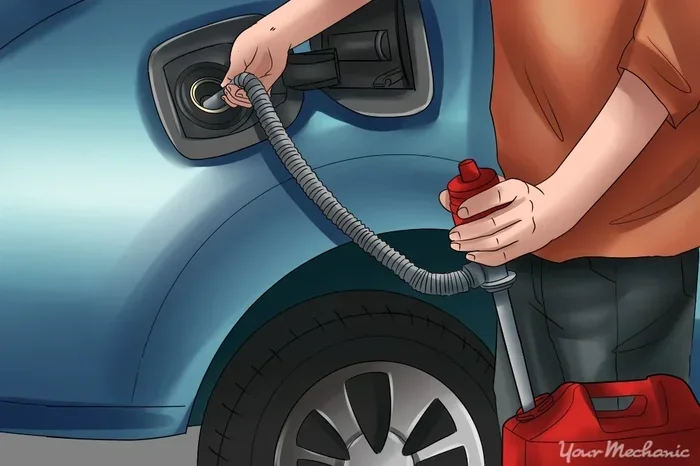
Method B: Suction Pump A suction pump can extract oil through the dipstick tube without needing to get under the car. These pumps are inexpensive and available at most auto parts stores. They’re a great option if you don’t want to get dirty.
After removing excess oil, recheck the dipstick to confirm the level is within the safe range between the minimum and maximum marks.
Step 4: Monitor Your Oil Level
For the next few days after fixing the overfill, check your oil level daily. Make sure it stays within the normal range. If you notice the oil level dropping rapidly, you might have a leak caused by the excess pressure. In that case, inspect the engine for oil leaks and address them promptly.
When to See a Professional
If you’re not comfortable draining oil yourself, take your car to a mechanic. Most shops can drain excess oil quickly and affordably. If you’ve been driving with overfilled oil for a while and notice symptoms like smoke or leaks, it’s worth having a professional inspect your engine for potential damage.
You can also visit a Toyota dealership for service if you drive a Toyota. They have the expertise and equipment to handle oil-related issues properly. The same applies if you drive a Lexus — you can get your Lexus oil change at Toyota and address any overfill concerns at the same time.
Quick Tips for Safe Oil Removal
- Always use a drain pan large enough to catch the excess oil.
- Dispose of the excess oil properly at a recycling center or auto parts store.
- Never siphon oil by mouth — use a proper pump or extraction tool.
- Wear gloves and safety glasses when working with oil.
- Keep the area clean to prevent oil spills on your driveway or garage floor.
Preventing Oil Overfill in the Future
The best way to deal with overfilled oil is to prevent it from happening in the first place. Here are some practical steps to keep your oil level exactly where it should be.
Follow Your Owner’s Manual
Your owner’s manual contains all the information you need about oil capacity, oil type, and change intervals. Before adding oil, look up the exact capacity for your engine. This simple step can prevent overfilling before it even starts.
Add Oil in Small Amounts
Never pour a full quart of oil without checking the dipstick first. Add oil in small increments — a quarter quart at a time is ideal. After each addition, wait a minute for the oil to settle, then check the level.
Use the Right Tools
A clean funnel helps direct oil into the fill hole without spills. A quality dipstick with clear markings makes it easy to read the oil level accurately. These small investments can save you from costly mistakes.
Get Regular Oil Changes
Sticking to a regular oil change schedule reduces the need for frequent top-offs. When you get your oil changed regularly, the oil level starts fresh each time, reducing the chance of overfilling. Most vehicles need an oil change every 5,000 to 7,500 miles for conventional oil, or every 7,500 to 10,000 miles for synthetic oil.
After an oil change, always ask the technician to confirm the oil level before you drive away. And don’t forget to reset your oil change reminder so you know when the next one is due.
Check Oil Levels Regularly
Make it a habit to check your oil level at least once a month. This simple routine takes just a few minutes and can catch problems early. Park on a level surface, wait for the engine to cool, and pull the dipstick. If the level is near the maximum mark, you’re good to go. If it’s approaching the maximum, don’t add more.
Common Mistakes to Avoid
- Guessing the oil capacity: Always look up the exact number for your specific engine and model year.
- Forgetting to check after topping off: Always recheck the dipstick after adding oil.
- Ignoring the maximum mark: The max mark isn’t a suggestion — it’s a hard limit for safe operation.
- Adding oil while the engine is hot: Hot oil expands and can give a false reading. Let the engine cool before checking.
By following these simple habits, you’ll keep your engine properly lubricated without the risks of overfilling.
Final Thoughts
So, is it OK to drive with overfilled oil? The answer is clear: it’s not worth the risk. Overfilled oil creates foam, increases crankcase pressure, and can lead to serious engine damage over time. Whether the overfill is slight or significant, the best approach is to correct it as soon as possible.
The good news is that fixing an overfilled oil situation is usually straightforward. Drain the excess oil, check for any resulting leaks or damage, and you’re back to normal. The key is catching the problem early and not ignoring the symptoms.
Your engine is one of the most expensive components of your vehicle. Taking care of it starts with something as simple as maintaining the correct oil level. Pay attention to your dipstick, follow your owner’s manual, and don’t be afraid to ask questions when you get your oil changed.
Remember, prevention is always easier and cheaper than repair. A few minutes of attention to your oil level today can save you thousands of dollars in engine repairs tomorrow. Keep your oil at the right level, and your engine will thank you for miles to come.
Frequently Asked Questions
Can overfilled oil cause engine damage?
Yes, overfilled oil can cause serious engine damage. Excess oil creates foam, increases crankcase pressure, and can lead to oil leaks, blown seals, and even hydrolock in extreme cases. The longer you drive with overfilled oil, the higher the risk of costly repairs.
How do I know if I put too much oil in my car?
The most reliable way to check is by using the dipstick. Pull it out, wipe it clean, reinsert it, and check the level. If it’s above the maximum mark, you’ve overfilled. Other symptoms include blue exhaust smoke, oil leaks, unusual engine sounds, and reduced performance.
What should I do if I accidentally overfill my oil?
Stop driving the vehicle immediately. Check the oil level with the dipstick to confirm the overfill. You can drain the excess oil through the drain plug or use a suction pump through the dipstick tube. If you’re unsure, take your car to a mechanic for safe removal.
Is slightly overfilled oil dangerous?
Slightly overfilled oil poses a lower risk than significantly overfilled oil, but it’s still not ideal. Even a small overfill can cause oil foaming at higher engine speeds, which reduces lubrication quality. It’s best to drain the excess oil as soon as you discover the overfill.
How much overfill is too much?
Any amount above the maximum mark on the dipstick is considered overfill. However, overfilling by more than half a quart significantly increases the risk of engine damage. Even a quarter quart above the max mark should be corrected to prevent long-term problems.
Can overfilled oil cause a check engine light?
Yes, overfilled oil can trigger a check engine light in some vehicles. When excess oil enters the combustion chamber, it can affect oxygen sensors, spark plugs, and the catalytic converter. These issues can all generate fault codes that illuminate the check engine light. If you see this light after an oil change, check your oil level first.