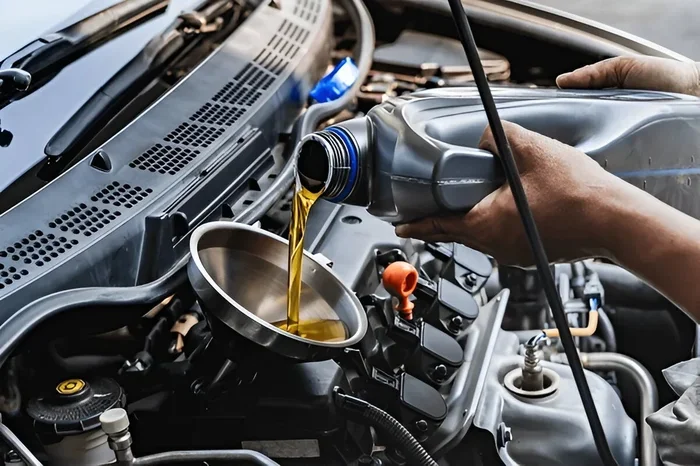
How to Properly Check Engine Oil and Keep Your Car Running
Knowing how to properly check engine oil is one of the easiest and most important things you can do for your car. This guide walks you through every step, from locating the dipstick to reading the oil level and quality. You will also learn how often to check your oil, what the right level looks like, and simple tips to prevent expensive engine damage.
Your car’s engine is like its heart. And just like your heart needs blood to work, your engine needs oil to run properly. Without enough clean oil, your engine can overheat, wear out fast, or even seize up completely. The good news is that checking your engine oil is one of the simplest things you can do. It takes only a few minutes, costs almost nothing, and can save you hundreds or even thousands of dollars in repairs.
Whether you are a brand new car owner or someone who has been driving for years, this guide will show you exactly how to properly check engine oil the right way. We will cover everything from finding the dipstick to reading the oil level, understanding what healthy oil looks like, and knowing when it is time for a change. By the end, you will feel confident doing this yourself at home.
Key Takeaways
- Check your engine oil regularly: Aim to inspect your oil at least once a month and before any long road trips to keep your engine running smoothly.
- Use the right oil type: Always match your engine oil to your vehicle’s recommended viscosity and specifications found in the owner’s manual.
- Know the warning signs: Low oil, dark color, or a burning smell can signal serious engine problems that need immediate attention.
- Reset your oil life indicator after changes: Follow the proper steps to reset after an oil change so your system stays accurate.
- Do not ignore low oil warnings: If you suspect your car is low, learn how to tell if your car is low on oil and address it quickly.
- Add oil safely when needed: If your level is low, you can add oil to your car if it’s low following the correct procedure.
- Track your oil change intervals: Monitor your oil life percentage and change oil before it reaches critical levels.
📑 Table of Contents
- Why Checking Your Engine Oil Matters
- What You Need Before You Start
- Step-by-Step: How to Properly Check Engine Oil
- Understanding Oil Levels: What Is Too Low and What Is Too High
- How Often Should You Check and Change Your Oil?
- Common Mistakes People Make When Checking Engine Oil
- Quick Tips for Keeping Your Engine Oil in Great Shape
- When to Seek Professional Help
- Final Thoughts on Checking Your Engine Oil
Why Checking Your Engine Oil Matters
Engine oil does several critical jobs at the same time. It lubricates all the moving parts inside your engine. It reduces friction and heat. It carries away dirt and metal particles. And it helps seal the combustion chambers so your engine runs efficiently. When your oil level drops or the oil gets old and dirty, none of these jobs get done properly.
Running your engine with low oil can cause serious damage. The metal parts inside your engine start grinding against each other without proper lubrication. This creates heat, friction, and wear. Over time, this can lead to engine failure. And engine repairs are some of the most expensive car repairs you can face. A simple oil check can prevent all of that.
Many drivers ignore their oil until something goes wrong. They might notice a check engine light or hear strange noises from under the hood. By then, the damage may already be done. Regular oil checks help you catch problems early, before they turn into big expenses. Think of it as a quick health check for your car.
What You Need Before You Start
Checking your engine oil is super easy. You do not need any special tools or training. But you do need a few things ready before you begin. Here is what you should have on hand:
- Your vehicle owner’s manual: This book has all the details about your specific car, including where the dipstick is located and what type of oil your engine uses.
- A clean rag or paper towel: You will use this to wipe the dipstick clean before rechecking the oil level.
- The correct engine oil: If you need to top off, make sure you use the oil type recommended in your owner’s manual. Using the wrong oil viscosity can harm your engine.
- A flat, level surface: Always check your oil when the car is parked on flat ground. This ensures you get an accurate reading.
Pick the Right Time to Check
Timing matters when checking your engine oil. The best time is when the engine is cool or has been off for at least 5 to 10 minutes. This lets the oil settle back into the oil pan so you get a true reading. Some people prefer to check their oil first thing in the morning before starting the car for the day. Others check it after a short drive when the oil is warm and flows more easily. Both methods work, but checking on a cool engine is generally more accurate for the oil level.
Never check your oil while the engine is running. The moving parts inside the engine can be dangerous, and the oil is circulating, which gives you an inaccurate reading. Turn off the engine, wait a few minutes, and then start your check.
Step-by-Step: How to Properly Check Engine Oil
Now let us get into the actual process. This is the core of everything. Follow these steps carefully, and you will check your engine oil like a pro.
Step 1: Park on a Flat Surface and Turn Off the Engine
First, pull your car onto a flat, level surface. A garage floor or a driveway works great. Make sure the car is parked and the engine is turned off. Engage the parking brake for safety. You want the car completely still while you work under the hood. This is also a good time to make sure your engine is cool enough to touch so you do not burn yourself.
Step 2: Open the Hood and Locate the Dipstick
Pop the hood release lever, which is usually inside the car near the driver’s side footwell. Pull the hood latch, and then lift the hood. Secure it with the prop rod so it stays open. Now look for the dipstick. It usually has a brightly colored handle, often yellow or orange, making it easy to spot. The dipstick slides into the engine block and measures the oil level. If you are not sure where it is, your owner’s manual will show you exactly where to look.
Step 3: Pull Out the Dipstick and Wipe It Clean
Grip the dipstick handle and pull it straight out. You will see oil on the end of the stick. Use your clean rag or paper towel to wipe the dipstick completely clean. This is important because you need a clear baseline to measure the oil level accurately. Hold the rag underneath so the oil does not drip all over your engine bay.
Step 4: Reinsert the Dipstick and Pull It Out Again
Slide the dipstick back into the tube all the way down. Do not rush this step. Make sure it is seated properly. Then pull it out again slowly. Now look at the oil markings on the end of the dipstick. Most dipsticks have two marks, which can be two small holes, two lines, or a crosshatched area. The oil level should fall between these two marks.
Step 5: Read the Oil Level
Look at where the oil reaches on the dipstick. If the oil streak falls between the two marks or within the crosshatched area, your oil level is good. If the oil level is below the lower mark, your engine is low on oil and you need to add more. If the oil is above the upper mark, that is also a problem. Too much oil can cause foaming and pressure issues inside the engine.
Step 6: Check the Oil Color and Condition
The oil level is only half the story. You also need to look at the oil itself. Fresh, healthy oil is usually amber or golden brown in color. As oil ages, it darkens. Dark brown or black oil is normal and simply means it has been doing its job. However, if the oil looks milky or frothy, that could mean coolant has mixed with the oil, which is a serious problem. If the oil feels gritty or has visible metal particles, it is way past due for a change. Trust your senses here. If something looks or smells off, pay attention.
Understanding Oil Levels: What Is Too Low and What Is Too High
Getting the oil level right is crucial. Both too low and too much oil can damage your engine. Here is how to understand what the readings mean.
What Happens When Oil Is Too Low
Low oil means your engine does not have enough lubrication. The moving parts inside the engine start to grind against each other. This creates excess heat and wear. Common signs of low oil include:
- A burning oil smell coming from the engine bay
- Unusual engine noises, such as knocking or ticking
- Reduced engine performance or sluggishness
- The oil pressure warning light on your dashboard
- Overheating, especially during normal driving conditions
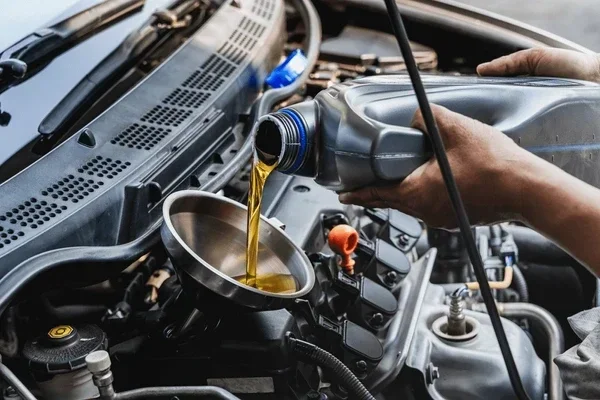
If you notice any of these symptoms, check your oil level right away. If you find that your car is low, you can safely add oil to your car if it is low using the type recommended in your owner’s manual. Always add oil in small amounts and recheck the level to avoid overfilling.
What Happens When Oil Is Too High
Overfilling your engine with oil might seem harmless, but it can actually cause real problems. When there is too much oil, the crankshaft can spin through the excess oil, creating foam. Foamy oil does not lubricate properly. It can also cause increased oil pressure, which may damage seals and gaskets. If you accidentally overfill, you will need to drain the excess oil or have a mechanic do it for you.
How Often Should You Check and Change Your Oil?
How often you check and change your oil depends on several factors, including your vehicle type, driving habits, and the type of oil you use. Here are some general guidelines to follow:
- Check your oil level: At least once a month, and always before a long trip.
- Traditional oil change intervals: Every 3,000 to 5,000 miles for conventional oil.
- Synthetic oil change intervals: Every 7,500 to 10,000 miles, depending on your vehicle and the specific product.
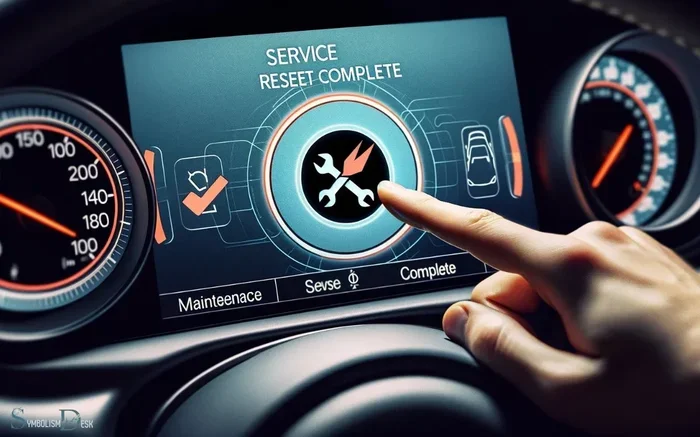
- Oil life monitoring systems: Many modern cars have an oil life indicator that tracks your driving conditions and tells you when it is time for a change. Keep an eye on this system and change your oil at the recommended percentage to protect your engine.
Driving in extreme conditions, such as very hot weather, very cold weather, stop-and-go traffic, or towing heavy loads, can shorten your oil’s life. If you drive in these conditions often, you may need to change your oil more frequently. Check your owner’s manual for the manufacturer’s specific recommendations for your driving situation.
Common Mistakes People Make When Checking Engine Oil
Even though checking oil is simple, people still make mistakes. Here are some common errors to avoid:
- Checking oil with the engine running: This is dangerous and gives inaccurate readings. Always turn off the engine and wait a few minutes first.
- Not parking on a level surface: If your car is on a slope, the oil will shift to one side, and your reading will be wrong.
- Using the wrong oil type: Every engine is designed for a specific oil viscosity and formulation. Using the wrong oil can reduce performance and cause damage over time.
- Overfilling the oil: More oil is not better. Stick to the recommended level and always recheck after adding oil.
- Skipping oil changes: Even if your oil level is fine, old oil loses its ability to lubricate and protect your engine. Do not skip scheduled oil changes.
- Ignoring warning signs: If your dashboard shows an oil pressure warning or the check engine light comes on, do not ignore it. Address it immediately.
Quick Tips for Keeping Your Engine Oil in Great Shape
Here are some simple, practical tips to help you maintain your engine oil and keep your car running strong for years to come:
- Set a monthly reminder on your phone to check your oil level. It only takes five minutes.
- Keep a small supply of the correct oil in your garage so you can top off quickly if needed.
- Always use the oil filter recommended by your manufacturer. A good oil filter keeps contaminants out of your oil and extends its life.
- Track your mileage and log your oil changes in a notebook or phone app. This helps you stay on schedule.
- Watch for oil leaks. If you see oil spots under your parked car, have a mechanic inspect your vehicle as soon as possible.
- Do not ignore changes in oil color or smell. Fresh oil should be amber. Dark, gritty, or burning-smelling oil needs to be changed.
- When in doubt, consult your owner’s manual or speak with a trusted mechanic. They can give you guidance specific to your vehicle.
When to Seek Professional Help
While checking and topping off your engine oil is something you can easily do at home, there are times when you should see a professional. If you notice that your oil level drops frequently, that could indicate an oil leak or an internal engine problem. If your oil looks milky or has a sweet smell, coolant may have entered the oil system, which requires immediate professional diagnosis. Similarly, if you hear persistent knocking or ticking sounds from the engine even after checking the oil level, a mechanic should inspect your vehicle.
Regular professional oil changes are also important. A trained technician can spot issues that a quick home check might miss. They can inspect the oil filter, check for leaks, and ensure your engine is in good overall health. If you are unsure about any aspect of your car’s maintenance, it is always better to be safe and consult a professional.
Final Thoughts on Checking Your Engine Oil
Taking care of your engine oil is one of the simplest and most impactful things you can do as a car owner. A few minutes of attention each month can prevent major engine problems, save you money on repairs, and extend the life of your vehicle. Remember to check your oil level regularly, use the right type of oil, and never ignore warning signs. Your engine works hard for you every day. A little routine maintenance goes a long way in keeping it running strong.
Now that you know exactly how to properly check engine oil, there is no reason to put it off. Grab your rag, pop the hood, and give your engine the care it deserves. Your car will thank you with years of reliable performance.
Frequently Asked Questions
How often should I check my engine oil?
You should check your engine oil at least once a month. It is also a good idea to check it before any long road trips. Regular checks help you catch low oil levels early and prevent engine damage.
What does it mean if my engine oil is black?
Black engine oil is usually normal and simply means the oil has been doing its job. Oil darkens over time as it collects dirt and particles from the engine. However, if the oil is very black and gritty, it is probably time for an oil change.
Can I mix different brands of engine oil?
In an emergency, mixing different brands of the same oil type is generally fine. However, you should always try to use the same brand and type for best results. Mixing different viscosities or oil types regularly can reduce performance.
What is the difference between synthetic and conventional oil?
Synthetic oil is engineered in a lab to provide superior protection and performance. It lasts longer and handles extreme temperatures better than conventional oil. Conventional oil is more affordable but needs to be changed more frequently. Check your owner’s manual to see which type your car needs.
How do I know if my car is burning too much oil?
Signs of excessive oil burning include blue or gray exhaust smoke, a burning oil smell, and frequent drops in oil level between changes. If you notice any of these symptoms, have a mechanic inspect your vehicle promptly.
Is it safe to drive with the oil light on?
No, it is not safe to drive with the oil pressure warning light on. This light means your engine may not have enough oil pressure, which can cause serious and immediate damage. Pull over safely and check your oil level right away.