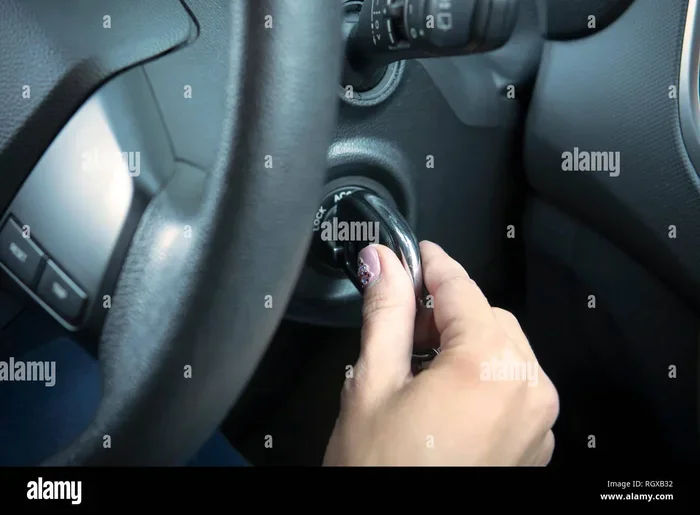
How to Cycle an Ignition Key and Get Your Car Running
Knowing how to cycle an ignition key is one of the simplest yet most overlooked car maintenance skills. This guide walks you through the full process of cycling your ignition key, explains why it matters, and helps you troubleshoot common issues. Whether your car won’t start or you just want to keep things running smoothly, you will find everything you need right here.
You turn the key, but nothing happens. The dashboard stays dark. The engine refuses to wake up. It is one of the most frustrating moments in any car owner’s day. But before you panic, there is a good chance the problem is simple. Cycling your ignition key the right way can often solve the issue in seconds.
Ignition cycling is the process of turning your key through the ignition switch positions to power up your car’s systems. It is something most people do every single day without thinking about it. But there is a right way and a wrong way to do it. And when things go wrong, knowing the proper steps can save you time, money, and a lot of stress.
This guide covers everything you need to know. We will walk you through the full cycle, explain what happens inside your car, and help you troubleshoot the most common problems. By the end, you will feel confident every time you put your key in the ignition.
If you have ever wondered why your car does not start or what happens when you hold the key in different positions, you are in the right place. Let us get into it.
Key Takeaways
- What Ignition Cycling Is: Understand the basic mechanics of turning your key and why it matters for your car’s health.
- Step-by-Step Process: Follow clear, easy instructions to cycle your ignition key correctly every time.
- Common Problems Solved: Learn why keys get stuck, fail to turn, or cause dashboard warning lights.
- Battery and Key Maintenance: Discover how key fob batteries and ignition health connect to starting problems.
- When to Seek Help: Know the signs that mean it is time to visit a professional mechanic or dealership.
- Preventive Tips: Simple habits that extend the life of your ignition system and key.
📑 Table of Contents
- What Does It Mean to Cycle an Ignition Key?
- How to Cycle an Ignition Key: Step-by-Step Guide
- Common Ignition Key Problems and How to Fix Them
- The Role of the Key Fob Battery in Ignition Cycling
- When to Seek Professional Help
- Preventive Tips to Keep Your Ignition System Healthy
- Key Takeaways
- Conclusion
What Does It Mean to Cycle an Ignition Key?
Cycling an ignition key means moving the key through all the standard positions in your ignition switch. Each position powers up a different part of your car’s electrical system. When you do it correctly, you allow the car to go through its normal startup sequence.
Most cars have four main positions:
- Lock: The key cannot turn. The steering wheel is locked. This is the position when you remove the key.
- Accessory: The radio, lights, and other accessories turn on. The engine stays off.
- On/Run: All the car’s systems power up. Dashboard lights illuminate. The engine control module activates.
- Start: The starter motor engages. The engine cranks and fires up.
A full ignition cycle means moving from Lock to Accessory, then to On, and finally to Start. Then releasing the key back to On. This sequence tells your car to prepare and then start the engine.
Many people skip the Accessory position or jab the key straight to Start. Both habits can cause problems over time. Taking the extra few seconds to do it properly can extend the life of your ignition switch and starter motor.
Why Cycling Matters for Your Car
Your car’s ignition system is the bridge between your key and the engine. When you cycle the key correctly, you allow the car to run its built-in diagnostic checks. These checks happen every single time you turn the key to the On position.
Skipping positions or rushing the process can:
- Put unnecessary wear on the starter motor.
- Prevent the fuel pump from priming properly.
- Skip important electrical self-checks.
- Cause the ignition switch to wear out faster.
- Lead to intermittent starting problems.
Think of it like warming up before exercise. A proper cycle prepares everything. It lets the fuel system pressurize, the computer systems boot up, and the electrical connections settle. It is a small habit that makes a big difference.
How to Cycle an Ignition Key: Step-by-Step Guide
Cycling your ignition key is simple once you know the steps. Follow this guide every time you start your car for the best results.
Step 1: Make Sure the Car Is in Park
Before you do anything, ensure your car is in Park (for automatics) or Neutral (for manuals). The ignition will not cycle properly if the transmission is in gear. This is a safety feature designed to prevent accidental movement.
Press the brake pedal firmly. This also helps the electrical system recognize that you are in a safe state to start.
Step 2: Insert the Key Fully
Push the key all the way into the ignition slot. Do not leave it half in. A key that is not fully inserted will not make proper contact with the ignition cylinder. This is one of the most common reasons people think their car will not start.
If the key feels loose or wobbly, the ignition cylinder may be wearing out. Consider having it inspected if this happens often.
Step 3: Turn to Accessory
Turn the key gently to the first position. This is the Accessory position. You will hear a click or see the dashboard lights come on. The radio, power windows, and other accessories should now work.
Hold the key here for about one to two seconds. This allows the car’s electrical systems to begin waking up.
Step 4: Turn to the On/Run Position
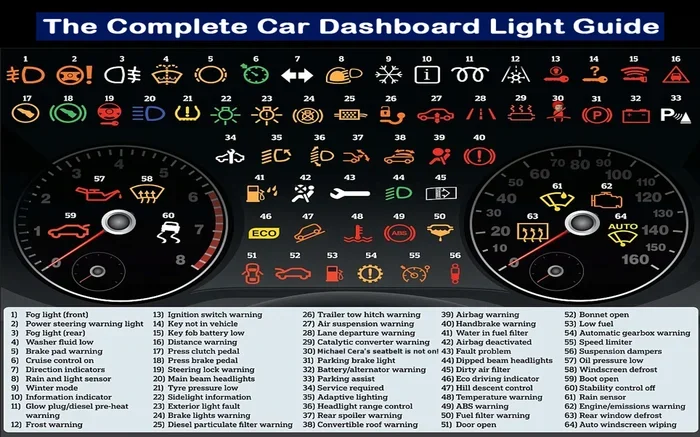
Now turn the key one more position to On. This is the run position. All the dashboard warning lights should illuminate briefly. The fuel pump starts to prime. The engine control unit runs its initial checks.
Hold the key here for two to three seconds. You may hear a faint hum from the fuel tank. That is the fuel pump building pressure. Do not rush past this step.
Step 5: Turn to Start
Now turn the key to the Start position. You will feel a slight resistance and then the engine should crank. The starter motor engages and turns the engine over.
Release the key as soon as the engine starts. The key will spring back to the On position automatically. Do not hold the key in Start for more than five to ten seconds. Holding it too long can overheat the starter motor.
Step 6: Let the Car Idle
Once the engine is running, let the car idle for a few moments. The dashboard lights should dim or turn off as the systems confirm everything is working. The oil pressure builds. The engine reaches its normal operating temperature faster.
Then you are good to go. Drive safely.
Common Ignition Key Problems and How to Fix Them
Even with the best habits, ignition problems happen. Here are the most common issues and what you can do about them.
The Key Will Not Turn
This is one of the most frequent complaints. The key feels stuck and will not rotate. There are a few common causes:
- Steering wheel lock: The steering column lock can engage and put pressure on the ignition cylinder. Gently wiggle the steering wheel left and right while turning the key. This usually releases it.
- Worn key: Over time, the teeth on your key wear down. A worn key will not engage the pins inside the ignition cylinder properly.
- Debris in the cylinder: Dust, dirt, or small particles can get inside the ignition lock. A little compressed air can sometimes clear it out.
- Damaged ignition cylinder: The internal pins and springs wear out. This requires professional replacement.
If the steering wheel lock is the issue, you can learn more about starting an ignition without a key in other situations where the system fails entirely.
The Car Clicks But Will Not Start
A clicking sound when you turn the key usually means the starter motor is engaging but the engine is not turning over. Common causes include:
- A dead or weak battery.
- A corroded battery terminal.
- A faulty starter motor.
- An empty fuel tank (yes, this happens more than you think).
Before assuming the worst, check the battery. A low key battery in your key fob can sometimes cause starting issues in push-button start vehicles, but in traditional key systems, the battery issue is usually in the car itself.
The Key Gets Stuck in the Ignition
If your key stays in the ignition and you cannot remove it, the problem is often the shift lock mechanism. Make sure the car is fully in Park. Some vehicles require you to press a small button near the shift lever to release the key.
If the key still will not come out, do not force it. Forcing the key can break it inside the cylinder. That creates a much bigger problem.
The Role of the Key Fob Battery in Ignition Cycling
Modern cars rely heavily on electronic systems. Even if you use a traditional key, the car’s computer needs to read the key’s transponder chip. This chip communicates with the car’s immobilizer system to confirm the key is authorized.
A weak key fob battery can interfere with this process. You might notice that the car starts sometimes but not others. Or the dashboard shows a warning light about the key not being recognized.
Replacing the key fob battery is one of the easiest maintenance tasks you can do. Most car key batteries are CR2032 coin cells. You can find them at any grocery store or pharmacy. The replacement process is usually as simple as popping open the key fob shell with a small flathead screwdriver.
You can replace a key fob battery yourself in just a few minutes. If you are unsure, check your owner’s manual for the exact battery type and replacement steps.
After replacing the battery, you may need to reset the car key to ensure the system recognizes it again. This is especially true if the old battery had been dead for a while. The car may not automatically re-sync, and you could find yourself unable to start the vehicle until you do.
Some people wonder if a dead key fob battery means they can still drive the car. In most modern vehicles, the answer is no, not without the key being recognized. But some cars have a backup mode. Check your vehicle-specific guide to understand how your system handles a dead key fob battery.
When to Seek Professional Help
Most ignition cycling issues are simple and fixable at home. But some problems need a professional touch. Here is when you should call a mechanic or visit your dealership.
Signs You Need Professional Help
- The key consistently gets stuck in the ignition.
- The ignition switch feels loose or wobbly.
- The car starts sometimes and not others with no clear pattern.
- Dashboard warning lights stay on after cycling the key.
- The starter motor grinds or makes unusual noises.
- The key physically breaks inside the ignition cylinder.
Ignition switch problems can sometimes be linked to broader electrical issues in your vehicle. A trained mechanic can run diagnostic tests to pinpoint the exact cause. They can also check whether your ignition cylinder needs replacement or if the problem is elsewhere in the starting system.
Dealership vs. Independent Mechanic
For most ignition issues, an independent mechanic can handle the repair. But if your car is still under warranty, check with the dealership first. Some people also wonder whether they can take their car to any dealership for service. In most cases, you can take your vehicle to any authorized service center, but specific warranty work may need to be done at the brand’s dealership.
If you own a Toyota, you might ask yourself whether you can take a Toyota to any dealer for service. The answer is generally yes, but there are exceptions depending on your warranty terms and the specific issue.
Preventive Tips to Keep Your Ignition System Healthy
A little prevention goes a long way. Here are simple habits that keep your ignition system in great shape for years to come.
1. Do Not Yank the Key
When removing the key, turn it gently back to the Lock position. Yanking or twisting too hard puts stress on the ignition cylinder. Over time, this wear can lead to a loose or sticky ignition.
2. Keep the Key Clean
Dirt and grime can build up on your key over time. Wipe it down regularly with a soft cloth. A clean key engages the ignition cylinder more smoothly and lasts longer.
3. Replace the Key Fob Battery Proactively
Do not wait for the battery to die completely. Most key fob batteries last one to two years. Replace them on a schedule to avoid being stranded. A key battery replacement takes five minutes and costs just a few dollars.
4. Avoid Heavy Keychains
Heavy keychains put extra weight and stress on the ignition cylinder. Over years, this can cause the ignition to wear out prematurely. Keep your keychain light and carry only what you need.
5. Address Small Problems Quickly
If you notice the key getting slightly harder to turn or the ignition feeling loose, get it checked. Small issues become big problems fast when ignored. A simple ignition cylinder replacement is far cheaper than replacing the entire ignition switch or dealing with a car that will not start.
6. Use the Right Key
Always use the key that came with your car. Duplicate keys from hardware stores may not cut precisely. A poorly cut key can damage the ignition cylinder over time. If you need a spare, consider getting it cut at a dealership or a specialized locksmith.
Key Takeaways
- Cycling your ignition key properly means moving through all positions in order: Lock, Accessory, On, Start, then back to On.
- Rushing or skipping steps can cause unnecessary wear on your starter motor and ignition switch.
- Common problems like a key that will not turn, gets stuck, or causes clicking are often fixable at home.
- The key fob battery plays a bigger role than many people realize. Replace it proactively to avoid starting issues.
- When in doubt, consult a professional mechanic or your dealership for help with persistent ignition problems.
- Preventive maintenance like keeping the key clean and using the right key can extend your ignition system’s life significantly.
Conclusion
Knowing how to cycle an ignition key properly is one of the simplest yet most valuable skills every car owner can have. It takes just a few seconds and can prevent a world of frustration. More importantly, it helps protect the ignition system and starter motor from unnecessary wear.
Follow the steps in this guide every time you start your car. Turn through each position. Let the car do its thing. And when something does not feel right, do not ignore it. Small problems grow into big ones fast.
Keep your key clean. Replace the battery on schedule. Treat your ignition system with care. It will reward you with years of reliable starts and worry-free driving. Your car works hard for you every day. A little attention to the ignition goes a long way.
And remember, if you ever find yourself stuck and unable to start the car, there are options. You can always explore what to do when starting an ignition without a key becomes necessary, or learn more about maintaining your car’s electrical health with regular checks and smart habits.
Frequently Asked Questions
What happens if I skip the Accessory position when cycling my ignition key?
Skipping the Accessory position means your car’s electrical systems do not get the gradual power-up they need. While it will not usually cause immediate damage, over time it can put extra strain on the ignition switch and starter motor. It is a small step that makes a difference.
How do I know if my ignition switch is going bad?
Signs of a failing ignition switch include the key getting stuck, the car starting intermittently, dashboard lights flickering, or the engine stalling after starting. If you notice any of these, have a mechanic inspect the ignition switch as soon as possible.
Can a dead key fob battery prevent my car from starting?
In most modern vehicles, yes. The car’s immobilizer system needs to read the key’s transponder chip to allow the engine to start. A dead or weak battery in the key fob can prevent this communication. Replacing the battery usually fixes the problem right away.
How often should I replace my key fob battery?
Most key fob batteries last between one and two years. If you notice the range of your key fob getting shorter or the car struggling to recognize the key, it is time for a replacement. It is a quick and inexpensive fix.
Is it normal for the key to feel stiff when turning the ignition?
A slight resistance is normal. But if the key feels very stiff, gritty, or hard to turn, something is wrong. It could be debris in the ignition cylinder, a worn key, or a failing ignition switch. Address it early to avoid getting stuck with a key that will not turn at all.
Can I drive my car with a low key battery?
In most cases, if the key battery is low but not dead, the car may still start. However, you might experience intermittent issues or warning lights on the dashboard. Replacing the battery promptly is the best course of action to avoid getting stranded.