How Long Will a Spare Tire Last If Not Used on Your Car
A spare tire that sits unused in your trunk can last between 7 and 10 years under ideal conditions, but rubber degradation starts the moment it leaves the factory. Temperature changes, UV exposure, and low tire pressure all shorten that timeline significantly. Knowing how to store and inspect your spare tire properly can mean the difference between a quick roadside fix and a dangerous breakdown.
Every driver assumes their spare tire will work when they need it most. But here is the uncomfortable truth. A tire sitting in your trunk for years is slowly dying, even if you never drive on it. Spare tire lifespan depends on several factors, and most people have no idea their emergency tire has already expired.
Whether you keep a full-size spare tire or a compact donut in your trunk, time is working against you. Rubber ages. Compounds break down. Sidewalls crack. And the moment you need that spare, you want it to be ready. This guide covers everything you need to know about spare tire shelf life, how to store it correctly, and the warning signs that your backup tire has gone bad.
Understanding tire degradation before you face a flat on the highway can save you from a stressful and potentially dangerous situation. Let us walk through the details.
Key Takeaways
- Spare tires degrade over time: Even if never used, rubber compounds break down naturally, typically within 7 to 10 years.
- Storage conditions matter greatly: Heat, sunlight, and moisture accelerate tire aging and dry rot.
- Compact spares have shorter lifespans: Donut spare tires are not built for long-term storage compared to full-size spares.
- Regular inspection is essential: Check your spare tire at least twice a year for cracks, pressure loss, and sidewall damage.
- Tire age trumps tread depth: A spare tire with deep tread can still be unsafe if it is over 10 years old.
- Proper inflation extends life: Keeping your spare at the recommended PSI prevents flat spots and structural damage.
📑 Table of Contents
- How Long Does a Spare Tire Last If Not Used?
- Factors That Affect Spare Tire Degradation
- Full-Size Spare Tire vs Compact Spare Tire Lifespan
- How to Store a Spare Tire Properly
- Signs Your Spare Tire Has Gone Bad
- When Should You Replace Your Spare Tire?
- Common Mistakes Drivers Make With Spare Tires
- Final Thoughts on Spare Tire Longevity
How Long Does a Spare Tire Last If Not Used?
The general answer is 7 to 10 years from the date of manufacture. But that range is broad, and many factors push that timeline shorter. A spare tire stored in a climate-controlled garage with stable pressure can easily reach the 10-year mark. The same tire stored in a hot attic or exposed to direct sunlight might only last 4 or 5 years.
Every tire has a DOT code stamped on the sidewall. This four-digit code tells you the week and year the tire was manufactured. For example, a code of 2419 means the tire was made in the 24th week of 2019. Checking this date is the single best way to know how old your spare actually is.
Most tire manufacturers recommend replacing any spare tire that is more than 10 years old, regardless of tread condition. Tire expiration dates are real, and ignoring them puts you at risk. Even if the tread looks deep and healthy, the rubber compounds inside the tire have weakened over time.
Why Time Matters Even When the Tire Sits Still
You might wonder why a tire that has never touched the road would go bad. The answer lies in rubber chemistry. Tires are made from organic materials that react with oxygen over time. This process is called oxidation, and it causes the rubber to harden and crack from the inside out.
Even in a sealed trunk, air molecules slowly penetrate the tire walls. The tire pressure drops gradually, and without regular inflation cycles, the tire develops flat spots. These flat spots can cause vibrations and poor handling if you ever need to use the spare.
UV radiation from sunlight is another silent killer. Even through a car window or trunk liner, UV rays break down the rubber polymers. This is why spare tires stored in the trunk of a car parked in direct sun degrade faster than those kept in a dark garage.
Factors That Affect Spare Tire Degradation
Not all spare tires age at the same rate. Several environmental and mechanical factors determine how quickly your backup tire deteriorates. Understanding these factors helps you take proactive steps to extend your spare tire lifespan.
Temperature and Climate
Heat is the number one enemy of stored tires. High temperatures accelerate the chemical breakdown of rubber compounds. If you live in a hot climate or store your car in an uninsulated garage that gets direct sun, your spare tire will age faster.
Cold temperatures are less damaging but still a factor. Extreme cold can cause the rubber to become brittle, making it more prone to cracking. Temperature fluctuations are actually worse than consistent temperatures because the expansion and contraction stresses the tire material.
Humidity and Moisture Exposure
Moisture accelerates tire degradation in two ways. First, it promotes oxidation from the inside out. Second, it can cause corrosion on the metal components of the tire, such as the belt edges and bead wires. If your car is stored in a damp basement or near a saltwater coast, your spare tire faces additional risk.
Tire dry rot is the common term for this type of moisture-related degradation. You will notice small cracks forming on the sidewalls and tread surface. These cracks grow over time and can eventually lead to tire failure when inflated.
Tire Pressure Maintenance
A spare tire that slowly loses pressure is under constant stress. The sidewalls flex unevenly, and the internal structure bears loads it was not designed to handle at low pressure. Checking your spare tire pressure at least every six months is one of the simplest things you can do to extend its life.
If you want to learn more about maintaining tire pressure and understanding your vehicle’s weight limits, check out how much weight your car can hold. This knowledge helps you understand the load your spare tire may need to support in an emergency.
Vehicle Storage Conditions
How and where you store your vehicle plays a huge role. A car parked in a covered driveway with moderate temperatures will preserve a spare tire better than one parked on a sunny street. Garages with stable indoor temperatures are ideal.
If you store your car for extended periods, consider placing the spare tire in a tire storage bag to reduce exposure to air and moisture. These bags are inexpensive and can add years to your spare tire’s life.
Full-Size Spare Tire vs Compact Spare Tire Lifespan
Not all spare tires are created equal. The type of spare you have significantly impacts how long it can sit unused before needing replacement. Let us compare the two most common types.
| Factor | Full-Size Spare Tire | Compact Donut Spare |
|---|---|---|
| Average Shelf Life | 10+ years with proper storage | 6 to 8 years with proper storage |
| Tread Wear During Storage | Minimal | Minimal |
| Pressure Retention | Better due to larger air volume | Loses pressure faster |
| Risk of Dry Rot | Lower | Higher due to thinner rubber |
| Replacement Frequency | Every 10 years | Every 6 to 8 years |
| Cost of Replacement | Higher | Lower |
A full-size spare tire is your best bet for long-term storage. Because it uses the same rubber compound and thickness as your regular tires, it tends to hold up better over time. Many drivers keep their full-size spare on a separate set of wheels and rotate it with their other tires, which keeps it in active use and extends its practical life.
A compact spare tire, often called a donut, is designed for temporary use only. These tires are smaller, lighter, and made with thinner rubber. They degrade faster in storage and are more sensitive to pressure loss. If you have a donut spare, you should be even more vigilant about checking its age and condition.
If you are curious about how long other vehicle components last, you might enjoy reading about how many miles a Chevy Tahoe lasts for broader vehicle longevity insights.
How to Store a Spare Tire Properly
Proper storage is the single most effective way to maximize your spare tire’s shelf life. You do not need expensive equipment, just a little awareness and routine care.
Step-by-Step Storage Best Practices
- Clean the tire thoroughly before storing it. Remove any dirt, grease, or road grime. Wash it with mild soap and water, and dry it completely.
- Check and inflate the tire to the manufacturer-recommended PSI. You will find this number on the tire sidewall or in your owner’s manual.
- Place the tire in a sealed storage bag to minimize exposure to air and moisture. Many tire retailers provide these bags for free or at a low cost.
- Store the tire in a cool, dark, and dry location. A climate-controlled garage is ideal. Avoid attics, sheds, and areas subject to temperature swings.
- Keep the tire away from direct sunlight and sources of heat such as water heaters or generators.
- Store the tire upright rather than stacked to prevent uneven pressure on the sidewalls.
Quick Tips for Spare Tire Storage
- Mark the manufacture date on the tire with a permanent marker so you always know its age.
- Set a calendar reminder every six months to check the tire pressure.
- If you remove the spare tire from the car entirely, store it away from ozone sources like electric motors, which can accelerate rubber degradation.
- Do not store spare tires near gasoline, solvents, or petroleum products. These chemicals break down rubber quickly.
For broader vehicle maintenance tips, manually clearing car codes is another simple task that keeps your car running smoothly and helps you stay on top of maintenance issues.
Signs Your Spare Tire Has Gone Bad
Even with the best storage practices, spare tires eventually fail. Knowing the warning signs helps you replace the tire before you need it in an emergency. Here are the most common indicators that your spare tire has exceeded its useful life.
Cracking on the Sidewalls
This is the most visible sign of tire aging. Small cracks, often called weather cracking or dry rot, appear on the sidewalls and sometimes on the tread surface. These cracks mean the rubber has lost its flexibility and structural integrity. A tire with cracked sidewalls can fail catastrophically under load.
Flat Spots or Deformation
If your spare tire has been sitting at low pressure for an extended period, it may develop flat spots. These are areas where the tire has permanently deformed from bearing the weight of the car without proper inflation. A flat-spotted spare will cause vibrations and poor handling if you drive on it.
Bubbles or Bulges
Bubbles in the sidewall indicate internal damage to the tire structure. Air has leaked between the rubber layers, creating weak spots. A tire with a bulge should never be used, even as a temporary spare.
Corrosion on the Rim or Bead
If you notice rust or corrosion where the tire meets the wheel, this is a sign of moisture exposure. Corroded beads can cause air leaks, and in severe cases, the tire may not seat properly on the wheel at all.
Exceeding the 10-Year Mark
Even if the tire looks fine, most manufacturers recommend replacing any spare tire after 10 years. The internal rubber compounds have likely degraded beyond safe limits, and you cannot always see the damage with the naked eye.
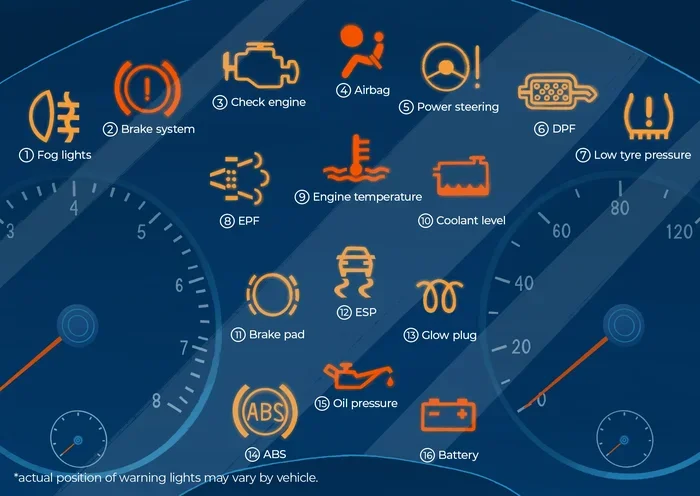
Regular tire inspection should be part of your vehicle maintenance routine. If you also pay attention to warning lights on your dashboard, understanding what they mean helps you stay ahead of problems. For instance, driving with a maintenance required light on can sometimes mask other underlying issues, including tire pressure monitoring alerts.
When Should You Replace Your Spare Tire?
Replacing a spare tire is not just about age. Several situations call for immediate replacement, even if the tire is relatively young.
If the tire has been used. Compact spare tires are designed for temporary use only. Most manufacturers recommend driving no more than 50 to 70 miles on a donut spare, and at speeds under 50 mph. Once used, the spare should be repaired or replaced as soon as possible.
If the tire has been recalled. Tire recalls do happen, and they can affect spare tires just as much as tires in active use. Check the NHTSA website periodically to see if your tire model has been recalled.
If you notice any structural damage. Bulges, deep cracks, punctures, or bent rim components all mean the tire is no longer safe. Do not take chances with a damaged spare.
If the tire pressure cannot be maintained. A spare tire that consistently loses air may have a slow leak or a damaged valve stem. Continuing to inflate it without addressing the root cause wastes your time and puts you at risk.
When replacing your spare, make sure the new tire matches the specifications of your original spare. Using the wrong size or type can cause handling problems and may not fit your vehicle’s spare tire compartment properly.
For those interested in broader vehicle upgrades and maintenance, learning how to upgrade your vehicle can be a great next step after ensuring your safety equipment like spare tires is in top shape.
Common Mistakes Drivers Make With Spare Tires
Avoiding these common mistakes can significantly extend the life of your spare tire and keep you safe when you need it most.
- Ignoring the age of the spare tire. Many drivers assume that because the tread looks good, the tire is fine. Age is just as important as tread depth.
- Never checking the pressure. A spare tire loses about 1 PSI per month naturally. Over a year, that is a 12 PSI drop, which can render the tire unusable.
- Storing the tire in a damp or hot environment. Garages with poor climate control are the worst places for long-term tire storage.
- Forgetting the spare exists. Many drivers go years without ever looking at their spare tire. Set a reminder to inspect it at least twice a year.
- Using the wrong tire for the spare. Aftermarket tires that do not match the original specifications can cause safety issues and fitment problems.
If you want to learn more about tire-related maintenance, understanding how to pump a car tire with a bike pump can be a handy skill, especially when you need to check or adjust your spare tire pressure on the go.
Final Thoughts on Spare Tire Longevity
Your spare tire is an essential safety component that often gets ignored until it is too late. A spare tire that has not been used can last between 7 and 10 years, but only if you store it properly and inspect it regularly. Rubber degradation does not wait for you to need the tire. It happens silently, day after day, whether the tire is on your car or sitting in a warehouse.
The best approach is simple. Know the age of your spare tire. Check its pressure every six months. Inspect it for cracks, bulges, and flat spots. And replace it when it reaches the 10-year mark or sooner if you notice any damage.
Taking a few minutes every six months to care for your spare tire can save you from a roadside emergency when you least expect it. Your backup tire works hard to keep you safe, even when it is not doing anything. Give it the attention it deserves, and it will be ready when you need it most.
Spare tire maintenance is not complicated, but it does require consistency. Make it part of your regular car care routine, and you will never have to worry about a dead spare when a flat tire strikes.
Frequently Asked Questions
How do I find the manufacture date of my spare tire?
Look for the DOT code on the tire sidewall. The last four digits tell you the week and year of manufacture. For example, 1522 means the tire was made in the 15th week of 2022. This code is the easiest way to determine your spare tire’s age.
Can I use a spare tire that has been sitting for over 10 years?
Most tire manufacturers strongly advise against using any spare tire over 10 years old, even if it looks fine. The internal rubber compounds weaken over time, and the risk of sudden failure increases significantly. When in doubt, replace the tire.
How often should I check my spare tire pressure?
Check your spare tire pressure at least every six months. A tire naturally loses about 1 PSI per month, so regular checks ensure the tire stays at the proper inflation level. Use a reliable tire gauge and compare the reading to the recommended PSI listed on the tire sidewall or in your owner’s manual.
Does a spare tire expire even if it has never been driven on?
Yes, spare tires expire even without use. Rubber compounds degrade through oxidation, UV exposure, and natural aging processes. The tire does not need to be driven on to lose its structural integrity. This is why most manufacturers recommend replacing spares every 7 to 10 years regardless of usage.
What is the difference between a full-size spare and a compact spare?
A full-size spare tire is the same size as your regular tires and can be used indefinitely. A compact spare, or donut, is smaller and lighter but designed for temporary use only, typically limited to 50 to 70 miles at speeds under 50 mph. Compact spares also degrade faster in storage due to thinner rubber construction.
Can weather conditions damage a spare tire in the trunk?
Yes, weather conditions can significantly damage a spare tire stored in the trunk. Heat accelerates rubber breakdown, moisture promotes oxidation and dry rot, and UV radiation degrades the rubber even through trunk liners. Storing your vehicle in a temperature-controlled environment helps protect the spare tire from weather-related damage.