How Hot Does a Car Engine Get and What You Should Know
A car engine can reach temperatures between 195°F and 220°F during normal operation, and extreme conditions can push it well beyond 250°F. Understanding your engine’s heat range helps you spot problems early and avoid costly repairs. This guide covers normal temperatures, warning signs, cooling system basics, and practical tips to prevent overheating.
Have you ever touched your car hood after a long drive and wondered just how hot a car engine gets? The answer might surprise you. Under normal conditions, your engine operates between 195°F and 220°F. But under stress, extreme heat, or when something goes wrong, temperatures can spike well above 250°F. Understanding how hot your engine gets is one of the best ways to protect your vehicle from serious damage.
Engine heat is a natural byproduct of combustion. Every time your engine fires, it generates enormous amounts of thermal energy. Most of that energy powers your car, but a significant portion becomes waste heat. Your cooling system handles the job of keeping things in check. When that system fails or when you push your car too hard, temperatures climb fast. This article breaks down everything you need to know about engine temperature, what causes overheating, and how to keep your engine running smoothly.
Key Takeaways
- Normal engine temperature ranges from 195°F to 220°F under typical driving conditions.
- Overheating can cause severe damage including warped heads, blown gaskets, and cracked blocks.
- The cooling system plays a vital role in regulating engine heat through coolant, radiator, and fans.
- Warning signs include a rising temperature gauge, steam from the hood, and strange smells.
- Regular maintenance keeps your engine cool and extends the life of your vehicle.
- Hot weather and heavy loads increase engine heat, so extra precautions help during summer driving.
📑 Table of Contents
- What Is Normal Engine Temperature?
- How Hot Does a Car Engine Get During Extreme Conditions?
- What Happens When an Engine Overheats?
- How Does the Cooling System Work?
- Common Causes of Engine Overheating
- How to Prevent Engine Overheating
- How Hot Does a Car Engine Get Compared to Other Vehicles?
- Expert Tips for Keeping Your Engine Cool
- Conclusion
What Is Normal Engine Temperature?
Most car engines operate within a specific temperature window. This window is carefully engineered by manufacturers to balance performance, efficiency, and longevity. When your engine runs too cool, it wastes fuel and produces more emissions. When it runs too hot, components can warp, crack, or fail entirely.
The Ideal Range
The normal operating temperature for most vehicles falls between 195°F and 220°F. Your temperature gauge on the dashboard should sit comfortably in the middle of the scale. If you notice the needle creeping toward the hot side, that is a signal to pay attention. Modern cars are designed with thermal management systems that adjust cooling based on driving conditions.
Several factors influence where your engine sits within that range:
- Ambient temperature — Hot summer days push engine temps higher.
- Traffic conditions — Stop-and-go driving reduces airflow through the radiator.
- Engine load — Towing or carrying heavy cargo generates more heat.
- Engine size and type — Diesel engines and turbocharged engines run hotter than standard gasoline engines.
How Hot Does a Car Engine Get During Extreme Conditions?
Under extreme conditions, engine temperatures can rise well above the normal range. Understanding these scenarios helps you prepare and respond appropriately.
Highway Driving in Summer Heat
During summer highway driving, engine temperatures can climb to 230°F or higher. The combination of high ambient heat, extended idling in traffic, and sustained engine load creates a perfect storm. Your cooling system works overtime to keep up. If any component is weak or failing, overheating becomes a real risk.
Towing and Heavy Loads
Towing a trailer or carrying heavy cargo puts tremendous strain on your engine. The additional weight demands more power, which means more combustion and more heat. Engine temperatures during heavy towing can exceed 240°F. This is why many truck and SUV owners install upgraded cooling systems or transmission coolers.
Track Driving and Racing
If you have ever been to a track day, you know engines get incredibly hot during sustained high-performance driving. Race engines can reach 250°F to 300°F or more. These vehicles use specialized cooling systems, oil coolers, and thermal barriers to survive the extreme heat. For regular street cars, track driving without proper upgrades is a fast track to engine failure.
What Happens When an Engine Overheats?
Engine overheating is not something to ignore. When temperatures climb beyond what the cooling system can handle, damage starts accumulating quickly. The longer an engine runs hot, the worse the consequences become.
Common Overheating Symptoms
Watch for these warning signs that your engine is running too hot:
- Temperature gauge rising into the red zone on your dashboard.
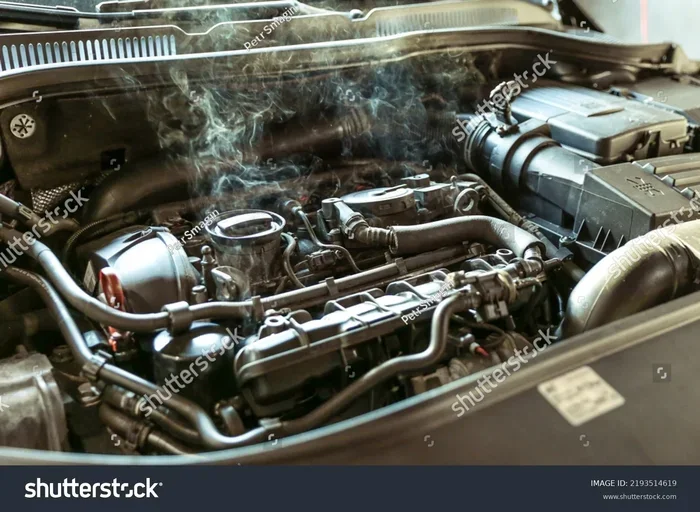
- Steam or smoke coming from under the hood.
- A sweet smell from coolant leaking onto hot engine parts.
- Strange knocking or pinging sounds from the engine bay.
- Reduced power or sluggish acceleration.
Potential Engine Damage
When an engine overheats, several serious problems can occur. The head gasket can blow, causing coolant to mix with oil. The engine block can crack from thermal expansion. Cylinder heads can warp, leading to poor compression and misfires. In severe cases, the entire engine may need replacement. If your check engine light turns off on its own after an overheating event, do not assume the problem is resolved. Internal damage may already be done.
How Does the Cooling System Work?
Your car’s cooling system is a complex network of components designed to manage engine heat. Each part plays a specific role in keeping temperatures within the safe range. Understanding how the system works helps you appreciate why regular maintenance matters so much.
The Role of Coolant
Coolant, also called antifreeze, is the lifeblood of your cooling system. It flows through the engine block and absorbs heat. Then it travels to the radiator, where the heat dissipates into the air. A 50/50 mix of coolant and water is standard for most vehicles. This mixture raises the boiling point of the liquid, allowing it to absorb more heat before turning to steam.
The Radiator and Cooling Fans
The radiator acts as a heat exchanger. Hot coolant flows through narrow tubes, and air passes over fins to cool the liquid down. When you are sitting in traffic or driving slowly, the cooling fans kick in to force air through the radiator. Without these fans, your engine would overheat during low-speed driving.
The Thermostat
The thermostat is a valve that regulates coolant flow. When the engine is cold, the thermostat stays closed to help the engine warm up quickly. Once it reaches operating temperature, the thermostat opens and allows coolant to circulate. A stuck thermostat is one of the most common causes of overheating. If it gets stuck closed, coolant cannot flow to the radiator. If it gets stuck open, the engine takes too long to warm up.
The Water Pump
The water pump circulates coolant through the engine and radiator. It is driven by a belt or electric motor and works continuously while the engine runs. A failing water pump can lead to uneven cooling and hot spots within the engine block. If you notice coolant leaks near the front of the engine, a worn water pump may be the culprit.
Common Causes of Engine Overheating
Engine overheating does not happen without a reason. Several common issues can cause your engine temperature to spike unexpectedly. Knowing these causes helps you diagnose problems early.
Low Coolant Levels
This is the most common cause of overheating. Coolant can leak from hoses, the radiator, the water pump, or the heater core. Even a small leak reduces the system’s ability to absorb and dissipate heat. Check your coolant reservoir regularly and top it off as needed. If you find yourself constantly refilling coolant, there is likely a leak somewhere in the system.
Faulty Thermostat
A stuck thermostat prevents coolant from circulating properly. This is a simple and inexpensive fix, but ignoring it can lead to serious engine damage. If your temperature gauge fluctuates erratically, the thermostat may be failing.
Broken Cooling Fan
When the cooling fan fails, your engine cannot release heat effectively during low-speed driving or idling. You may notice overheating in traffic but normal temperatures on the highway. Fan motors, fan relays, and temperature sensors can all fail over time.
Clogged Radiator
Over time, rust, sediment, and debris can build up inside the radiator. This restricts coolant flow and reduces heat transfer. A clogged radiator may still work at highway speeds but fail during stop-and-go traffic. Regular radiator flushes help prevent this buildup.
Head Gasket Failure
A blown head gasket is a serious and expensive repair. It occurs when the seal between the engine block and cylinder head fails. Hot combustion gases can leak into the cooling system, causing overheating. Signs include white smoke from the exhaust, coolant loss without visible leaks, and bubbling in the radiator. If you suspect a head gasket issue, manually clearing your car codes and monitoring for recurring error messages can help confirm the diagnosis.
How to Prevent Engine Overheating
Prevention is always better than repair when it comes to engine heat. A few simple habits can keep your engine cool and extend its lifespan significantly.
Regular Maintenance Checks
Stick to a routine maintenance schedule. Check your coolant level monthly, inspect hoses for cracks or leaks, and ensure your radiator cap seals properly. Most manufacturers recommend a coolant flush every 30,000 to 50,000 miles. Following the maintenance schedule in your owner’s manual goes a long way toward preventing overheating.
Watch Your Temperature Gauge
Make it a habit to glance at your temperature gauge while driving. It should stay in the middle of the range. If you notice it creeping upward, pull over safely and let the engine cool down. Continuing to drive an overheating engine can turn a minor repair into a major one.
Prepare for Hot Weather
Summer heat puts extra stress on your cooling system. Before the hottest months arrive, have your coolant checked, fans tested, and hoses inspected. Consider carrying extra coolant in your trunk for long road trips. If you are driving in extreme heat and notice any overheating symptoms, turn off the air conditioning and turn the heater to full blast. This redirects heat away from the engine and can buy you time to pull over safely.
Avoid Overloading Your Vehicle
Every vehicle has a weight limit for a reason. Exceeding that limit forces the engine to work harder and generate more heat. Check your owner’s manual for the maximum towing capacity and payload limit. If you regularly haul heavy loads, consider upgrading your cooling system with an aftermarket radiator or oil cooler.
Address Warning Signs Immediately
Do not ignore warning signs. A rising temperature gauge, a puddle of coolant under your car, or a burning smell all demand immediate attention. The faster you address the problem, the less damage occurs. If you notice persistent issues, a professional diagnostic check can identify hidden problems before they escalate.
How Hot Does a Car Engine Get Compared to Other Vehicles?
Different types of engines run at different temperatures. Understanding these differences helps you set realistic expectations for your vehicle.
| Engine Type | Normal Temp Range | Max Safe Temp |
|---|---|---|
| Standard Gasoline | 195°F – 220°F | 230°F |
| Diesel | 200°F – 230°F | 250°F |
| Turbocharged | 200°F – 235°F | 260°F |
| Hybrid | 190°F – 215°F | 225°F |
| Electric (Motor) | 140°F – 180°F | 200°F |
As you can see, different engine types have different heat profiles. Diesel and turbocharged engines run hotter because of higher compression ratios and increased combustion pressure. Hybrid engines tend to run slightly cooler because the electric motor assists with power demands. Electric vehicle motors run the coolest because they do not rely on combustion to generate power.
For those interested in specific vehicle types, if you are curious about how engine heat relates to fuel efficiency, check out our guide on how many miles per gallon a Dodge Challenger gets. Engine temperature directly affects fuel efficiency, and understanding this relationship helps you get the most out of your vehicle.
Expert Tips for Keeping Your Engine Cool
Experienced mechanics and automotive engineers share a few insider tips that can make a real difference in managing engine heat:
- Use the right coolant. Not all coolants are the same. Check your owner’s manual for the recommended type and brand.
- Replace coolant on schedule. Old coolant loses its effectiveness over time. Fresh coolant has better heat transfer properties.
- Inspect hoses and clamps regularly. A small crack in a hose can lead to a slow leak that goes unnoticed until overheating occurs.
- Keep your radiator clean. Bugs, dirt, and debris on the front of the radiator block airflow. A gentle hose-down during car washes helps.
- Monitor your oil level. Engine oil also helps manage heat by reducing friction between moving parts. Low oil means more heat.
- Consider an oil cooler. If you tow frequently or drive in hot climates, an aftermarket oil cooler can significantly reduce engine temperatures.
Conclusion
So, how hot does a car engine get? Under normal conditions, your engine runs between 195°F and 220°F. Under stress, extreme heat, or heavy loads, temperatures can climb well above 250°F. Understanding your engine’s temperature range and how the cooling system works empowers you to take better care of your vehicle. Regular maintenance, attentive driving, and quick responses to warning signs are your best defenses against overheating. Keep your coolant fresh, your hoses intact, and your eyes on the temperature gauge. Your engine will thank you with years of reliable performance.
Remember, an overheating engine is not something to take lightly. If you notice persistent high temperatures or recurring issues, have a professional inspect your vehicle. Catching problems early saves money and keeps you safe on the road. Stay cool out there, and drive smart.
Frequently Asked Questions
What temperature is too hot for a car engine?
Any temperature consistently above 230°F is considered too hot for most car engines. If your temperature gauge enters the red zone, pull over immediately. Continuing to drive at extreme temperatures can cause permanent engine damage, including warped heads and blown gaskets.
Can I drive my car if the engine is overheating?
No, you should not drive an overheating vehicle. Pull over safely, turn off the engine, and let it cool for at least 15 to 30 minutes. Driving while overheating can cause catastrophic engine failure. Once cooled, check your coolant level and look for visible leaks before attempting to drive again.
How often should I check my coolant level?
You should check your coolant level at least once a month and before any long road trips. Always check the coolant when the engine is cool to avoid burns. If you find yourself needing to add coolant frequently, have a mechanic inspect your system for leaks.
Does hot weather cause engines to overheat more easily?
Yes, hot weather puts extra stress on your cooling system. High ambient temperatures reduce the temperature difference between the engine and the surrounding air, making it harder for the radiator to release heat. This is why summer months see more overheating incidents than cooler months.
What should I do if I see steam coming from my hood?
If you see steam, pull over safely and turn off the engine immediately. Do not open the hood until the steam stops, as you could be burned by hot coolant or steam. Let the engine cool completely, then check your coolant level and look for leaks. If you are unsure, call for roadside assistance rather than continuing to drive.
Can low oil cause an engine to overheat?
Yes, low oil can contribute to overheating. Engine oil reduces friction between moving parts, and less friction means less heat. When oil levels are low, metal components rub together more aggressively, generating excess heat. Always keep your oil at the proper level and change it on schedule to help manage engine temperature.