How Do You Know When Your Engine Oil Is Running Low
Knowing how to recognize low engine oil early can save your engine from costly repairs. This guide covers the top warning signs, how to check your oil with a dipstick, and what causes oil levels to drop. You will also learn simple prevention tips to keep your engine running smoothly and safely.
Your car’s engine is like a heart. It needs oil to keep everything moving smoothly. Without enough oil, metal parts grind against each other. This causes wear, heat, and eventually serious damage. Many drivers ignore the early signs of low engine oil until it is too late. This guide helps you spot the problem early.
Whether you are a new car owner or have been driving for years, understanding your oil level is essential. We will walk you through every sign, every tool, and every step you need to know. You will also learn why oil drops and how to stop it from happening again. Let us keep your engine safe and strong.
Key Takeaways
- Dashboard Warning Lights: The oil pressure light and check engine light are your first alerts that oil may be low.
- Strange Engine Noises: Knocking, ticking, or grinding sounds often mean your engine is running without enough lubrication.
- Regular Dipstick Checks: Pulling out the dipstick is the most reliable way to confirm your oil level is low.
- Burning Oil Smell: A distinct smell inside or outside the car signals oil may be leaking or burning.
- Prevention Is Simple: Regular oil checks and timely oil changes keep your engine healthy and extend its life.
📑 Table of Contents
- Why Engine Oil Matters
- Warning Signs Your Engine Oil Is Low
- How To Check Your Engine Oil Level
- What Causes Low Engine Oil
- What Happens When You Ignore Low Oil
- How To Prevent Low Engine Oil
- Quick Tips for Maintaining Healthy Oil Levels
- Common Mistakes Drivers Make With Engine Oil
- Expert Insight: When To See a Mechanic
- Conclusion
Why Engine Oil Matters
Engine oil does more than just lubricate. It cools moving parts, cleans away dirt, and prevents rust inside your engine. Think of it as the lifeblood of your vehicle. When the engine oil level drops, all of these jobs suffer. Your engine starts working harder with less protection.
Most cars need between four and six quarts of oil, depending on the engine size. Over time, oil naturally burns off during normal driving. This is normal in small amounts. But if the oil level low warning keeps showing up, something more may be going on. Let us look at the signs that tell you your oil is running low.
Warning Signs Your Engine Oil Is Low
The Oil Pressure Warning Light
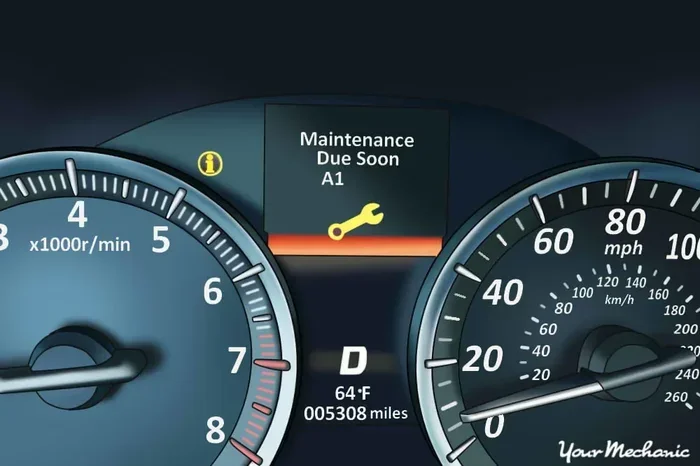
The most obvious sign is the oil pressure warning light on your dashboard. It usually looks like an old oil can shape. When this light turns on, your car is telling you something is wrong with the oil system. Do not ignore it. Pull over safely and check your oil level right away.
Some cars have a digital oil gauge instead of a warning light. If your gauge shows a drop in oil pressure, treat it seriously. A sudden drop can mean your oil is dangerously low.
Unusual Engine Noises
Engine oil cushions the metal parts inside your motor. When oil runs low, those parts start touching. You might hear a ticking or tapping sound when the engine is idling. Some drivers describe it as a light tapping noise that gets faster as you press the gas.
A louder knocking sound is even more serious. This means the oil has dropped so low that parts are grinding. If you hear knocking, stop driving and check your oil immediately. Continuing to drive can cause engine damage from low oil that costs thousands to fix.
Burning Oil Smell
Do you smell something hot or burnt inside your car? A burning oil smell is a clear sign that oil may be leaking onto hot engine parts. You might also notice a smell outside the car after parking. This is not something to brush off.
The smell often comes from oil dripping onto the exhaust manifold. Even a small leak can create a strong odor. If you notice this smell, check your oil reservoir and look for any visible leaks underneath the car.
Decreased Engine Performance
Low oil affects how your engine runs. You might notice your car feels sluggish or less responsive. The engine may struggle to accelerate. In some cases, the check engine light also turns on because the oil pressure sensor detects a problem.
Engine performance drops happen because the moving parts are not getting the lubrication they need. Friction increases, heat builds up, and efficiency drops. If your car feels different, checking the oil should be your first step.
Exhaust Smoke
Blue or gray smoke coming from your tailpipe can mean oil is burning inside the combustion chamber. This happens when oil leaks past worn seals and mixes with fuel. While some exhaust smoke is normal in cold weather, blue smoke that continues is a red flag.
Blue smoke combined with a low oil level means your engine is consuming oil faster than it should. This needs attention fast to prevent further problems.
How To Check Your Engine Oil Level
Checking your oil is one of the simplest things you can do. It takes about two minutes and requires no special tools. Here is exactly how to do it the right way.
Step-by-Step Dipstick Check
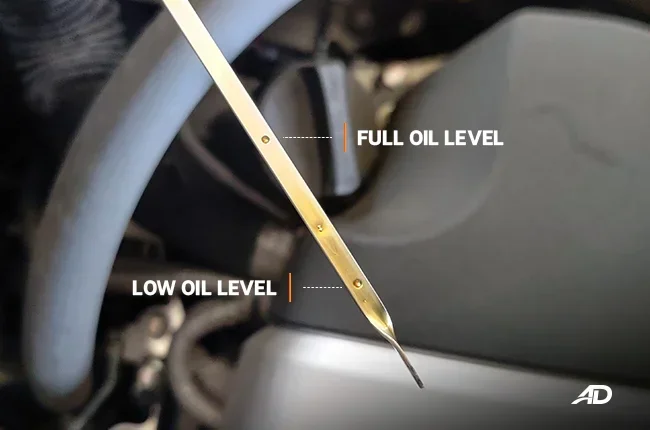
First, park your car on a flat surface. Turn off the engine and wait a few minutes. This lets the oil settle back into the oil pan. Then follow these steps:
- Open the hood and locate the dipstick. It usually has a brightly colored handle.
- Pull the dipstick out completely and wipe it clean with a rag or paper towel.
- Reinsert the dipstick all the way back in.
- Pull it out again and look at the oil level on both sides of the stick.
- Check where the oil reaches between the minimum and maximum marks.
If the oil level is near or below the minimum mark, you need to add oil. The oil on the dipstick should look amber or brown. If it looks dark black or gritty, it is time for an oil change. You can also check how to tell if your car is low on oil for more detailed guidance.
When To Check Your Oil
Make it a habit to check your oil at least once a month. The best time is when the engine is cold, before you start driving. Some experts also recommend checking after the engine has warmed up and been turned off for a few minutes. Both methods work, but checking on a cold engine gives you the most accurate reading.
Keep in mind that modern cars sometimes do not have a traditional dipstick. These vehicles use an electronic oil level sensor that you can check through the dashboard display. Refer to your owner’s manual for instructions specific to your car model.
What Causes Low Engine Oil
Understanding why oil levels drop helps you prevent the problem. There are several common reasons your oil might run low.
Normal Oil Consumption
All engines burn a small amount of oil over time. This is completely normal. Most manufacturers consider consuming one quart of oil every 1,000 to 3,000 miles as normal. If your car burns oil within this range, you just need to top it off regularly.
However, if your car burns through a full quart in less than 1,000 miles, that is excessive. You should have a mechanic inspect the engine for leaks or worn components.
Oil Leaks
Oil leaks are one of the biggest causes of low oil levels. Leaks can happen from worn gaskets, loose oil drain plugs, or damaged oil pans. You might notice oil spots on your driveway or garage floor. A puddle of dark liquid under your car after it has been parked is a telltale sign.
Leaks can also come from valve cover gaskets or the front and rear seals of the engine. These are harder to spot but can cause significant oil loss over time. Regularly checking under your car can help you catch leaks early.
Worn Piston Rings
Your engine’s piston rings seal the combustion chamber and control oil consumption. When these rings wear out, oil can leak into the combustion chamber and burn away. This is a more serious cause of low oil and usually comes with blue exhaust smoke.
Worn piston rings often happen in older vehicles or those with high mileage. If you suspect this issue, a mechanic can perform a compression test to confirm the diagnosis.
PCV Valve Problems
The Positive Crankcase Ventilation (PCV) valve helps regulate pressure inside the engine crankcase. When this valve gets stuck or clogged, it can push oil vapor through the intake system. This causes your engine to burn oil and lose level faster than normal.
Replacing a faulty PCV valve is usually inexpensive and straightforward. It is one of those small fixes that can prevent bigger problems down the road.
Oil Change Intervals
Skipping or delaying your oil change interval can lead to oil breakdown. Old oil loses its ability to lubricate properly and may not flow correctly through the engine. This can also cause the oil level to appear low because degraded oil evaporates faster.
Most cars need an oil change every 5,000 to 7,500 miles for conventional oil. Synthetic oil can go longer, sometimes up to 10,000 miles. Check your owner’s manual and stick to the recommended schedule. You can also read about what percent oil life should trigger an oil change to stay on track.
What Happens When You Ignore Low Oil
Running an engine on low oil is one of the fastest ways to destroy it. Here is what can happen if you keep driving with insufficient oil.
Increased Engine Wear
Without proper lubrication, metal parts grind against each other. This creates friction and heat. Over time, the bearings, cylinders, and camshafts wear down prematurely. This kind of damage is irreversible and extremely expensive to repair.
Engine Overheating
Oil helps carry heat away from the engine. When oil levels drop, heat builds up faster than the cooling system can handle. An overheating engine can warp metal parts, crack the head gasket, or even seize the engine entirely.
Total Engine Failure
In the worst case, a completely dry engine will seize. The pistons weld themselves to the crankshaft. At that point, the engine is destroyed and needs a full replacement. A new engine can cost anywhere from $4,000 to $8,000 or more depending on the vehicle.
All of these problems start small. A little low oil today can become a catastrophic engine failure tomorrow. This is why staying on top of your oil level is so important.
How To Prevent Low Engine Oil
The good news is preventing low oil is simple. A few habits can keep your engine healthy for years.
Check Oil Regularly
Make it part of your routine to check your oil at least once a month. This takes just a few minutes and can catch problems before they grow. Keep a rag or paper towel in your glove box so you are always ready.
Top Off Oil Between Changes
If your oil level drops between scheduled changes, top it off with the right type of oil. Check your owner’s manual for the recommended oil weight and specification. You can also learn more about whether you can add oil to your car if it is low for safe topping-off practices.
Follow Your Oil Change Schedule
Do not skip or delay oil changes. Fresh oil keeps your engine properly lubricated and clean. After each oil change, ask your mechanic to also check for leaks and inspect the oil filter. If you want to know more about what happens after an oil change, read about whether you need to reset after an oil change.
Watch for Warning Signs
Pay attention to your dashboard lights and any unusual sounds or smells. Early detection is the key to avoiding expensive repairs. If something feels off, check your oil right away.
Get Regular Vehicle Inspections
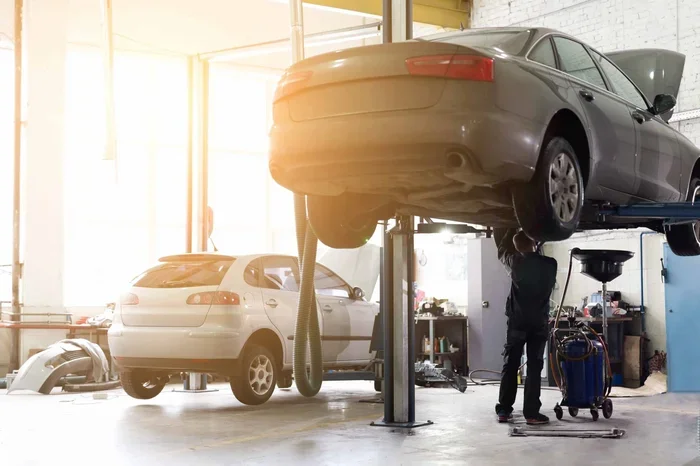
Have a trusted mechanic inspect your vehicle at least twice a year. They can spot oil leaks, worn seals, and other issues before they become serious problems. Regular maintenance keeps your car running its best and saves you money in the long run.
Quick Tips for Maintaining Healthy Oil Levels
- Use the right oil: Always use the oil type recommended by your car manufacturer.
- Keep a log: Track your oil levels and changes in a notebook or phone app.
- Check after long trips: Extended driving can use more oil than usual.
- Do not overfill: Too much oil can be just as harmful as too little.
- Replace the oil filter: A clogged filter restricts oil flow and can cause low pressure.
Common Mistakes Drivers Make With Engine Oil
Only Checking Oil When the Light Comes On
By the time the warning light comes on, your oil may already be dangerously low. Do not wait for the light. Make checking your oil a regular habit.
Using the Wrong Oil Type
Not all oils are the same. Using the wrong viscosity or specification can cause poor lubrication and increased oil consumption. Always follow your owner’s manual recommendations.
Ignoring Small Leaks
A small drip today can become a big problem tomorrow. Even minor leaks should be addressed promptly to prevent oil loss over time.
Assuming Synthetic Oil Never Needs Changing
Synthetic oil lasts longer than conventional oil, but it still degrades over time. It also loses its additives as it ages. Stick to the recommended change interval regardless of oil type.
Expert Insight: When To See a Mechanic
Some oil problems you can handle yourself, but others need professional help. If you notice any of the following, it is time to visit a mechanic:
- Your oil level drops rapidly even after topping off.
- You see visible oil leaks under your car.
- The oil pressure light stays on after adding oil.
- Your engine makes persistent knocking or grinding noises.
- Blue or black smoke from the exhaust does not go away.
A professional can run a full oil system diagnostic and identify hidden issues. Sometimes the problem is a faulty oil pump or a cracked engine block. These are serious repairs that require expert attention. If you are ever unsure, it is always better to get a professional opinion than to risk engine damage.
Conclusion
Knowing how to know engine oil is low is one of the most important skills every car owner should have. From warning lights and strange noises to burning smells and decreased performance, your car gives you plenty of clues before the problem becomes severe. Regular oil checks, timely oil changes, and prompt attention to warning signs keep your engine running strong for years.
Do not wait until it is too late. Make oil maintenance part of your routine and your car will thank you with reliable performance and a longer lifespan. Stay proactive, stay informed, and keep your engine properly lubricated.
Frequently Asked Questions
How do I know if my engine oil is low?
You can tell your engine oil is low by checking the dashboard warning lights, listening for unusual engine noises like ticking or knocking, smelling a burning oil odor, or using the dipstick to physically check the oil level. The oil pressure warning light is the most direct signal that your oil may be low.
What happens if I drive with low engine oil?
Driving with low engine oil causes increased friction, overheating, and accelerated wear on engine components. In severe cases, it can lead to engine seizure or total engine failure, which requires a very expensive repair or a full engine replacement.
How often should I check my engine oil level?
You should check your engine oil level at least once a month and before any long road trips. Checking it when the engine is cold gives the most accurate reading. Make it a simple habit, just like checking your tire pressure.
Can I just add oil instead of getting an oil change?
Adding oil is a good temporary fix if your level is low between changes. However, it does not replace the need for a full oil change. Old oil loses its protective properties and needs to be drained and replaced with fresh oil to keep your engine healthy.
Why does my car burn oil?
Cars burn oil for several reasons including worn piston rings, leaking valve seals, a faulty PCV valve, or oil leaks from gaskets. Some oil consumption is normal, but if your car is using more than one quart every 1,000 miles, you should have a mechanic inspect it.
What type of oil should I use for my car?
Always use the oil type and weight recommended by your car manufacturer. You can find this information in your owner’s manual. Using the wrong oil can lead to poor lubrication, increased oil consumption, and potential engine damage over time.