How Do I Fix My Traction Control Turned Off Warning
Your traction control turned off warning can feel alarming, but most causes are simple to fix. This guide walks you through the top reasons your traction control light is on, from dirty wheel speed sensors to a blown fuse. You will learn how to reset the system, when to DIY, and when to call a pro for help.
You are driving along, and suddenly a little light on your dashboard starts blinking. It says traction control off. Your first thought might be panic. But here is the good news. In most cases, this is a fix you can handle yourself. This article breaks down exactly what to do when your traction control turned off warning shows up. You will learn the common causes, the fixes, and how to prevent it from happening again.
Traction control is one of the most important safety features in your car. It helps your tires grip the road, especially on wet or icy surfaces. When this system shuts off, your car can lose stability more easily. That is why it is important to address the warning light quickly. Whether you are dealing with a simple sensor issue or something more complex, this guide has you covered.
We will walk through each possible cause step by step. You do not need to be a mechanic to follow along. Just a basic understanding of your car and a few tools. By the end of this article, you will know exactly how to diagnose and fix the problem. Let us get started.
Key Takeaways
- Dirty or damaged wheel speed sensors are the most common reason your traction control turns off.
- A simple reset often clears the warning light and restores normal function.
- Low battery voltage can trigger the traction control light and mimic bigger problems.
- Replacing a fuse is a cheap and easy fix that many car owners overlook.
- Knowing when to see a mechanic saves time and prevents costly damage down the road.
📑 Table of Contents
- What Does the Traction Control Off Warning Mean?
- Common Reasons Your Traction Control Turned Off
- How to Fix Your Traction Control Step by Step
- Can You Drive Safely with Traction Control Off?
- How to Prevent Traction Control Issues in the Future
- Quick Tips for Fixing Traction Control
- Common Mistakes People Make When Fixing Traction Control
- Expert Insight: When to Call a Professional
- Final Thoughts
What Does the Traction Control Off Warning Mean?
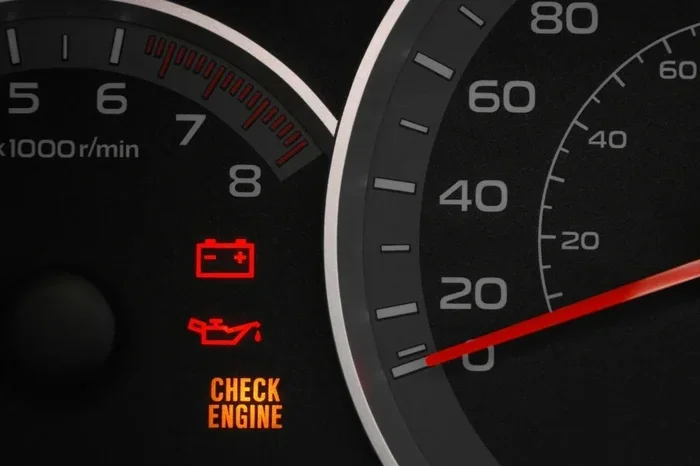
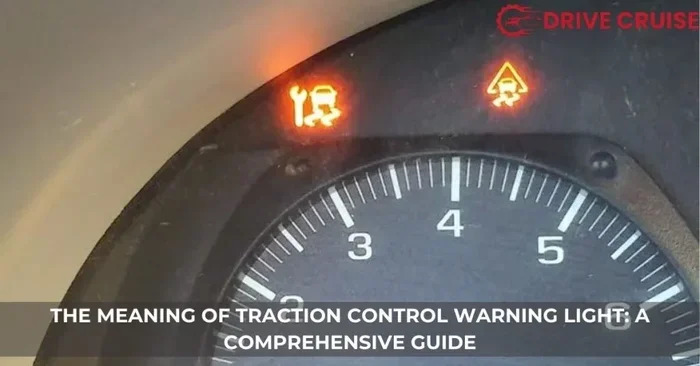
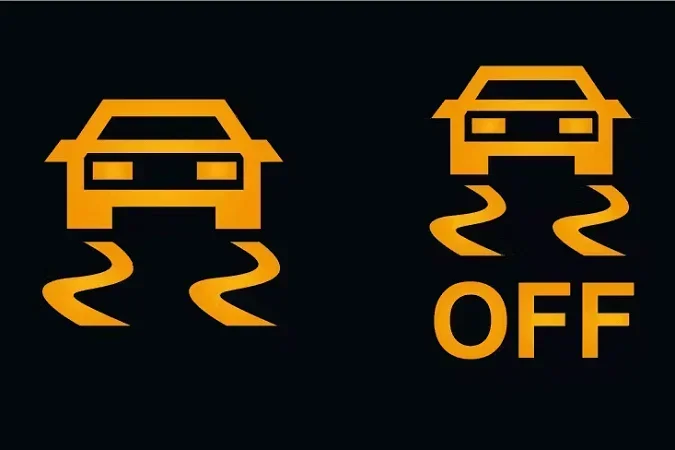
When you see the traction control warning light on your dashboard, it means the system has been deactivated. The light usually looks like a car with squiggly lines behind it. Sometimes it stays solid. Other times it flashes. Each behavior tells you something different about what is going on.
A steady light often means the system is manually turned off. A flashing light usually signals a malfunction. The car’s computer has detected a problem and has shut the system down to protect you. Either way, you should not ignore it. Driving without traction control on slippery roads can be dangerous.
How Traction Control Works
Your traction control system uses sensors on each wheel to monitor speed. If one wheel starts spinning faster than the others, the system steps in. It reduces engine power or applies the brakes to that wheel. This helps you maintain grip. The system works closely with your ABS (anti-lock braking system) and electronic stability control. When one of these systems has a problem, it can affect the others too.
Understanding this helps you see why the warning light matters. It is not just a minor annoyance. It is a signal that your car has lost a layer of protection. The sooner you address it, the safer you stay on the road.
Common Reasons Your Traction Control Turned Off
Several things can cause your traction control to shut off. Some are easy to fix. Others need a professional. Let us look at the most common culprits.
Dirty or Damaged Wheel Speed Sensors
The most frequent cause of a traction control warning is a dirty or faulty wheel speed sensor. These sensors sit near each wheel and measure how fast they are spinning. Over time, dirt, mud, and road grime can build up on them. This blocks their signal. When the car’s computer cannot read the sensor, it disables traction control.
In some cases, the sensor itself is damaged. A cracked housing or worn internal parts will cause the same problem. You may also notice your ABS light coming on at the same time, since both systems share these sensors.
Blown Traction Control Fuse
Every car has a fuse box. Inside it, there is a fuse dedicated to the traction control system. If this fuse blows, the system loses power and shuts off. This is one of the easiest fixes. You just need to locate the fuse, check it, and replace it if needed. Your owner manual will tell you exactly where the fuse box is and which fuse controls traction control.
Low Battery Voltage
Your car’s electrical system depends on a healthy battery. When voltage drops too low, sensors and modules start acting up. The traction control system is no exception. If your battery is weak or old, it may not provide enough power to keep the system running. This can trigger the warning light even if nothing else is wrong with the traction control itself.
If you have been dealing with other electrical issues too, like dim headlights or slow cranking, a low battery might be the root cause. Consider checking your battery health as part of your diagnosis.
Faulty Steering Angle Sensor
Your car uses a steering angle sensor to know which direction you are turning. This information helps the traction control system adjust power to each wheel. If the steering angle sensor malfunctions, the entire system can shut down. You might also notice your car pulling to one side or feeling unstable during turns.
Problems with the Traction Control Module
In rare cases, the traction control module itself fails. This is the computer that runs the system. Water damage, electrical shorts, or general wear and tear can cause it to stop working. A faulty module usually requires professional diagnosis and replacement. This is not a DIY fix for most car owners.
How to Fix Your Traction Control Step by Step
Now that you know the common causes, let us walk through the fixes. Start with the simplest solutions and work your way up.
Step 1: Check if the System Was Manually Turned Off
Before you assume something is broken, check if someone pressed the traction control off button. Most cars have this button on the steering column or center console. It usually has an icon that matches the warning light. If it was turned off accidentally, pressing it again will turn the system back on.
This sounds obvious, but it happens more often than you think. Someone in the car might have bumped the button, or you may have pressed it without realizing. Always check this first.
Step 2: Inspect and Clean the Wheel Speed Sensors
Pop open your owner manual and find the location of the wheel speed sensors. They are usually near the wheel hubs. Look for dirt, rust, or debris buildup. Use a clean cloth and some brake cleaner to gently wipe them down. Do not use anything abrasive. You just want to remove the grime that might be blocking the sensor.
After cleaning, start the car and see if the warning light goes away. If it does, you have found your fix. If not, move on to the next step.
Step 3: Check the Fuses
Locate your fuse box. Refer to your owner manual for the diagram. Find the fuse labeled traction control or ABS. Pull it out and inspect the metal strip inside. If it is broken or melted, replace it with a new fuse of the same amperage. This is a five-minute fix that costs just a few dollars.
Step 4: Reset the System
Sometimes the car’s computer just needs a reset. Turn off the engine and remove the key. Wait at least 30 seconds. Then restart the car. This clears temporary error codes and can restore normal function. If the light stays on after a reset, there is likely a deeper issue that needs attention.
You can also try disconnecting the battery for a few minutes. This resets the entire electrical system. Just be aware that you may lose some radio presets and clock settings. If you prefer, you can manually clear your car codes with an OBD2 scanner instead of disconnecting the battery.
Step 5: Replace the Wheel Speed Sensor
If cleaning the sensor did not work, it may need to be replaced. Wheel speed sensors are relatively affordable, usually between $20 and $100 each. The replacement process involves removing the old sensor, cleaning the mounting area, and installing the new one. Most car owners can do this with basic tools and a repair manual specific to their vehicle.
After installing a new sensor, clear the error code and take the car for a test drive. The traction control light should stay off if the sensor was the problem.
Step 6: Visit a Mechanic for Module or Electrical Issues
If none of the above steps work, it is time to see a professional. A mechanic can run a diagnostic scan to read the error codes stored in your car’s computer. This will pinpoint exactly which component has failed. Whether it is the traction control module, the steering angle sensor, or a wiring issue, a pro can handle it safely.
Can You Drive Safely with Traction Control Off?
This is one of the most common questions car owners ask. The short answer is: it depends on the road conditions. On dry, clear roads, driving with traction control off is generally safe. The system is designed mainly to help on slippery or uneven surfaces. If you are driving on a sunny day with good traction, you can likely get to your destination without issue.
However, you should avoid driving with traction control off in these situations:
- Rain or wet roads where your tires need extra grip.
- Snow or ice where traction is already limited.
- Gravel or loose dirt roads where wheels can spin easily.
- Mountain roads with steep inclines and sharp turns.
Without traction control, your wheels can spin unexpectedly. This can cause you to lose control. If you must drive with the system off, reduce your speed and increase your following distance. Drive cautiously and get the system repaired as soon as possible.
How to Prevent Traction Control Issues in the Future
The best way to deal with the traction control warning is to prevent it from happening in the first place. Here are some simple habits that keep your system working properly.
Keep Your Sensors Clean
Make it a habit to check your wheel speed sensors during regular car washes. A quick wipe-down removes dirt and grime before it causes problems. This is especially important if you frequently drive on muddy or dusty roads.
Check Your Fuses During Routine Maintenance
When you are already under the hood for an oil change or tire rotation, take a moment to inspect your fuses. A blown fuse caught early prevents the traction control from shutting off unexpectedly.
Maintain Your Battery
A healthy battery keeps all your car’s electronic systems running smoothly. Have your battery tested at least once a year, especially before winter. Replace it every three to five years, or sooner if you notice signs of weakness.
Address Warning Lights Promptly
Do not ignore dashboard warning lights, even if they seem minor. A small issue today can become a big problem tomorrow. If you see the traction control light, take action quickly. Early diagnosis saves money and keeps you safe.
Follow Your Manufacturer’s Maintenance Schedule
Your car’s owner manual includes a recommended maintenance schedule. Following it ensures all systems, including traction control, get the attention they need. Regular service keeps your car running at its best and catches small issues before they grow.
Quick Tips for Fixing Traction Control
- Always check the manual off button first. It is the simplest explanation and the easiest fix.
- Keep a basic OBD2 scanner in your glove box. It helps you read error codes without visiting a mechanic.
- Carry spare fuses. They cost almost nothing and can save you from a roadside inconvenience.
- Clean sensors during every car wash. Prevention is always easier than repair.
- Do not ignore paired warning lights. If the ABS light and traction control light are both on, the issue is likely shared between the two systems.
Common Mistakes People Make When Fixing Traction Control
Avoid these mistakes to save time and money:
- Assuming the light means the system is permanently broken. Most of the time, it is a simple sensor or fuse issue.
- Ignoring the warning light. Driving for weeks with the light on can lead to bigger problems and unsafe driving conditions.
- Replacing parts without diagnosing the real cause. Changing a sensor when the real issue is a blown fuse wastes money and time.
- Using the wrong fuse amperage. Always match the replacement fuse to the specifications in your owner manual.
- Trying to reset the system without fixing the underlying problem. A reset temporarily clears the light but does not fix the root cause.
Expert Insight: When to Call a Professional
While many traction control issues are DIY-friendly, some situations call for a professional. If you have checked the sensors, fuses, and battery, and the light is still on, you need expert help. A certified mechanic has access to advanced diagnostic tools that can read your car’s computer in detail.
Also, if you notice other symptoms alongside the traction control light, do not delay. Symptoms like steering wheel vibration, unusual braking behavior, or loss of power while accelerating point to more serious problems. These are not issues you want to troubleshoot on your own. A professional can diagnose and fix them safely and efficiently.
Additionally, if your car is still under warranty, contact your dealer before attempting any repairs. DIY fixes could void your warranty. Your dealer can handle the diagnosis and repair at no cost to you. Learn more about warranty service options if you are unsure about your coverage.
Final Thoughts
A traction control turned off warning does not have to be scary. Most of the time, the cause is simple and the fix is straightforward. Whether it is a dirty sensor, a blown fuse, or a simple reset, you have the power to solve this problem. Start with the basics, work through the steps, and you will likely have your traction control back up and running in no time.
Remember, your traction control system is there to protect you. It helps you stay safe on the road, especially in challenging conditions. Taking care of it is not just about fixing a light on your dashboard. It is about keeping yourself and your passengers safe. Do not ignore the warning. Take action today, and drive with confidence tomorrow.
Keep this guide handy for your next car troubleshooting session. Share it with a friend who might need it too. And if the problem persists after you have tried everything on this list, do not hesitate to visit a trusted mechanic. Your safety is always worth it.
Frequently Asked Questions
Why did my traction control turn off by itself?
The most common reason is a dirty or faulty wheel speed sensor. Other causes include a blown fuse, low battery voltage, or a problem with the steering angle sensor. Check these components first before assuming something serious.
Can I drive my car if the traction control light is on?
You can drive on dry roads, but it is not safe on wet, icy, or gravel surfaces. Traction control helps you maintain grip. Without it, your wheels are more likely to spin and lose control. Get the system checked as soon as possible.
How much does it cost to fix a traction control issue?
Costs vary widely. Cleaning a sensor costs nothing. Replacing a wheel speed sensor typically runs $20 to $100 for the part. A traction control module replacement can cost $200 to $600 or more depending on your vehicle. A fuse replacement costs just a few dollars.
Will resetting my car fix the traction control light?
A reset may temporarily clear the light if the issue was minor, like a temporary sensor glitch. However, if the underlying problem is not fixed, the light will come back on. Always diagnose the real cause before resetting the system.
How do I know if my wheel speed sensor needs replacing?
Symptoms include a traction control warning light, ABS light, or erratic speedometer readings. A mechanic can use a diagnostic scanner to confirm the sensor is faulty. You can also visually inspect the sensor for damage or heavy dirt buildup.
Can a low car battery cause the traction control light to come on?
Yes. A weak battery can cause voltage drops that affect your car’s sensors and electronic modules. This can trigger the traction control light even if the traction control system itself is working fine. Have your battery tested if you suspect this might be the cause.
=== CONCLUSION ===
Fixing your traction control turned off warning is easier than most car owners think. Start with the simple checks like the manual off button, clean sensors, and fuses. Work your way up to resets and replacements if needed. The key is to act quickly and not ignore the warning light. Your traction control system is a vital part of your car’s safety features. Taking care of it means taking care of yourself and everyone on the road with you.