What Does VSC Mean on My Dashboard and Why It Matters
VSC stands for Vehicle Stability Control, a safety system that helps you keep control during slippery or tricky driving conditions. When the VSC light shows up on your dashboard, it means the system has detected a problem and may not be working properly. Understanding what this light means can save you from costly repairs and keep you safe on the road. In this article, we break down everything you need to know about the VSC warning light in simple, easy-to-understand terms.
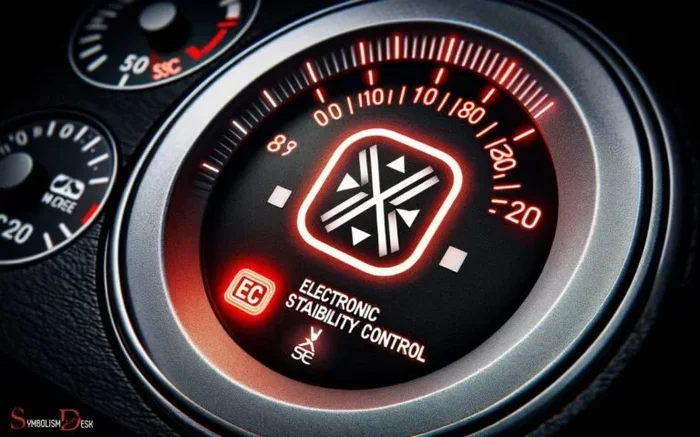
You are driving down the road, minding your own business, when suddenly a yellow or red light pops up on your dashboard. It looks like a car sliding or a little car with squiggly lines behind it. You squint at it. What does VSC mean on my dashboard? You wonder if this is something to panic about or if you can just keep driving.
Here is the honest truth. The VSC light is your car telling you something about its stability control system. It is not something you should brush off, but it is also not always a reason to pull over in a panic. This guide will walk you through everything you need to know about the VSC warning light. We will cover what VSC means, why the light comes on, what to do about it, and how to prevent it from happening again.
Key Takeaways
- VSC means Vehicle Stability Control: It is a safety feature that helps your car stay stable during turns and slippery conditions.
- The VSC light can mean different things: It might be a minor sensor issue or a more serious problem with the stability control system.
- Common causes include faulty wheel speed sensors, ABS issues, and steering angle problems: These are the top reasons the light comes on.
- You should not ignore the VSC warning: Driving without a working stability control system increases your risk of accidents.
- Simple fixes like resetting the system or replacing a sensor can resolve the issue: But some problems need a professional mechanic.
- Regular car maintenance helps prevent VSC problems: Keeping up with service appointments reduces the chance of warning lights appearing.
📑 Table of Contents
- What Does VSC Mean on My Dashboard?
- How VSC Works in Your Vehicle
- Common Reasons the VSC Light Comes On
- VSC vs. Other Dashboard Warning Lights
- What to Do When the VSC Light Appears
- Preventing VSC System Problems
- Common Mistakes Drivers Make with the VSC Light
- Expert Insights on Dashboard Warning Lights
- When to See a Mechanic for VSC Issues
- Key Takeaways
- Conclusion
What Does VSC Mean on My Dashboard?
VSC stands for Vehicle Stability Control. It is an electronic safety system built into modern cars. The system helps you maintain control of your vehicle when road conditions get tricky. Think of it as an invisible co-pilot that steps in when your car starts to slide or spin.
The VSC system works by monitoring several things at once. It tracks your steering input, wheel speed, yaw rate, and how the car is moving compared to where you are pointing it. If the system notices that the car is going in a different direction than you intended, it automatically applies brakes to individual wheels. It may also reduce engine power to help you regain control.
Different car brands use slightly different names for this system. Toyota calls it VSC. Honda uses VSA, which stands for Vehicle Stability Assist. BMW and Mercedes use ESP, which means Electronic Stability Program. No matter what the name is, the job is the same: keep the car stable and safe.
When you see the VSC light on your dashboard, it means the system has detected something wrong. The light could be steady or flashing. A steady light usually means the system is turned off or there is a persistent issue. A flashing light often means the system is actively working to correct a skid or loss of traction.
Why VSC Matters for Your Safety
The VSC system is one of the most important safety features in your car. Studies show that electronic stability control reduces fatal single-vehicle crashes by about 50 percent. It is especially helpful during sudden maneuvers, like swerving to avoid an obstacle or driving on wet or icy roads.
Without a working VSC system, your car is more likely to skid or spin out. This is especially dangerous during sharp turns or when the road is wet. The VSC light is your early warning system. It tells you that this protection may not be fully active.
How VSC Works in Your Vehicle
Understanding how the VSC system works helps you appreciate why the warning light matters. The system relies on several sensors and components working together. Let us break it down into simple parts.
The Sensors That Make VSC Possible
The VSC system depends on a network of sensors. Each one plays a specific role in keeping your car stable.
- Wheel Speed Sensors: These monitor how fast each wheel is spinning. If one wheel is spinning faster than the others, the system knows something is wrong.
- Steering Angle Sensor: This tracks where you are turning the steering wheel. It compares your intended direction with the car’s actual direction.
- Yaw Rate Sensor: This measures how much the car is rotating or spinning around its center point.
- Lateral Accelerometer: This detects side-to-side movement, which helps the system understand if the car is sliding.
- ABS Sensors: The anti-lock braking system sensors feed data into the VSC system. They work hand in hand to prevent wheel lockup.
The Computer Behind the Scenes
All of this sensor data goes to the powertrain control module or the electronic control unit. This is the brain of the VSC system. It processes the information in milliseconds and decides what action to take. It might apply the brakes to a specific wheel, reduce engine power, or both.
The whole process happens so fast that you barely notice it. You might feel a slight vibration in the brake pedal or hear a subtle noise from the brakes. That is the system doing its job. It is constantly working behind the scenes to keep you safe.
When the VSC System Activates
The VSC system kicks in during specific driving situations. Here are some common scenarios where it helps:
- You take a sharp turn on a wet road and the car starts to understeer or oversteer.
- You hit a patch of ice and the rear end starts to slide.
- You swerve suddenly to avoid an animal on the road.
- You are driving on a gravel road and the car loses grip.
In each of these situations, the VSC system intervenes to help you stay in control. It is a silent guardian that most drivers never think about until something goes wrong.
Common Reasons the VSC Light Comes On
The VSC warning light can come on for many reasons. Some are minor and easy to fix. Others need professional attention. Let us look at the most common causes.
Faulty Wheel Speed Sensors
This is the number one reason the VSC light comes on. Wheel speed sensors get exposed to road grime, dirt, and debris. Over time, they can become dirty or damaged. When a sensor fails, it sends incorrect data to the VSC computer. The system then cannot do its job properly.
You might notice the VSC light along with the ABS light. This is because both systems share the same wheel speed sensors. If one sensor goes bad, both lights may appear.
Low Brake Fluid
Your VSC system uses the brakes to stabilize the car. If your brake fluid is low, the system may not have enough pressure to work correctly. This triggers the VSC warning light.
Check your brake fluid reservoir under the hood. If the level is below the minimum line, top it off with the recommended brake fluid for your vehicle. But also check for leaks if the fluid keeps running low.
Steering Angle Sensor Calibration Issues
The steering angle sensor needs to be calibrated correctly. If it is out of alignment, the VSC system gets confused about your intended direction. This can happen after a steering column replacement, an alignment, or even a dead battery.
Recalibrating the steering angle sensor usually fixes this problem. A mechanic can do this with a diagnostic tool in about 15 minutes.
Faulty Yaw Rate Sensor
The yaw rate sensor measures how fast your car is rotating. If this sensor fails, the VSC system cannot detect skids or slides. The warning light will come on to let you know the system is compromised.
Replacing a yaw rate sensor can be expensive. It typically costs between 200 and 500 dollars depending on your vehicle make and model. But it is essential for the VSC system to work properly.
Problems with the ABS System
Since the VSC system relies on the ABS system, any ABS problem can trigger the VSC light. Common ABS issues include a failing ABS module, worn brake pads, or damaged wiring. Fixing the ABS problem usually turns off the VSC light as well.
Electrical or Wiring Issues
Modern cars have complex wiring harnesses. A loose connection, corroded wire, or damaged connector can disrupt communication between the VSC sensors and the control module. This often causes the VSC light to come on unexpectedly.
Electrical issues can be tricky to diagnose. A mechanic with a diagnostic scanner can pinpoint the exact problem by reading the error codes stored in the car’s computer.
VSC System Turned Off Manually
Some vehicles have a button or switch to turn off the VSC system. This is useful when you are stuck in snow or mud and need the wheels to spin freely. If you accidentally hit the VSC off button, the light will come on.
Check your dashboard for a VSC off indicator. Simply pressing the button again should turn the system back on and extinguish the light.
VSC vs. Other Dashboard Warning Lights
Dashboard warning lights can be confusing. Many of them look similar and serve related functions. Let us compare the VSC light with other common warning lights you might see.
VSC Light vs. Check Engine Light
The check engine light and the VSC light often appear together. This happens because the VSC system relies on data from the engine and emissions systems. If the check engine light is on due to a sensor problem, the VSC light may also activate.
However, the check engine light is broader. It can indicate hundreds of different problems, from a loose gas cap to a failing catalytic converter. The VSC light is more specific. It points directly to an issue with the stability control system.
VSC Light vs. Traction Control Light
The traction control light looks similar to the VSC light. Both deal with grip and stability. Traction control prevents wheel spin during acceleration. VSC prevents the car from sliding during turns and maneuvers.
These two systems work together closely. A problem with one often affects the other. If you see both lights at the same time, it is likely a shared sensor or component issue.
VSC Light vs. Brake Warning Light
The brake warning light is usually red, while the VSC light is typically yellow or amber. The brake light indicates a serious issue like low brake fluid or a engaged parking brake. If the brake light is on, address it immediately.
The VSC light is usually less urgent but still important. It means the stability control system is not fully operational. You should get it checked soon, but it is generally safe to drive carefully to a repair shop.
Quick Comparison Table
| Warning Light | Color | Urgency Level | Common Cause |
|---|---|---|---|
| VSC Light | Yellow/Amber | Moderate | Sensor fault or system malfunction |
| Check Engine Light | Yellow | Low to Moderate | Emissions or sensor issue |
| Traction Control Light | Yellow/Amber | Moderate | Shared sensor or ABS issue |
| Brake Warning Light | Red | High | Low brake fluid or parking brake |
| ABS Light | Yellow | Moderate | ABS sensor or module failure |
What to Do When the VSC Light Appears
Seeing the VSC light on your dashboard can be stressful. But staying calm and taking the right steps can make a big difference. Here is what you should do.
Step 1: Check for Other Warning Lights
Look at your entire dashboard. Are there other lights on? If the check engine light or ABS light is also on, the problem might be shared between systems. Note all the lights that are illuminated.
Step 2: Assess Your Driving Conditions
Think about where you are and how you are driving. Are you on a wet or icy road? The VSC system may flash briefly during slippery conditions. This is normal. The light should turn off once conditions improve.
If the light stays on in normal driving conditions, there is a problem that needs attention.
Step 3: Drive Safely and Reduce Speed
Even with the VSC light on, your car is still drivable. However, you should drive more cautiously. Reduce your speed, avoid sharp turns, and increase your following distance. Without full stability control, your car is more vulnerable to skidding.
Step 4: Try a Simple Reset
Sometimes the VSC light comes on due to a minor glitch. Try turning off your engine, waiting 30 seconds, and restarting the car. If the light was temporary, it should not come back on.
Another simple fix is to check the VSC off button. You may have accidentally turned the system off. Pressing it again can reset the light.
Step 5: Get a Diagnostic Scan
If the light persists, take your car to a mechanic or auto parts store. Most shops will read the diagnostic trouble codes for free. The codes will tell you exactly which sensor or component is causing the problem.
Common diagnostic codes related to VSC include:
- C0034: Left front wheel speed sensor circuit
- C0040: Right front wheel speed sensor circuit
- C1200: Steering angle sensor malfunction
- C0035: Left rear wheel speed sensor circuit
- C0045: Right rear wheel speed sensor circuit
Step 6: Address the Root Cause
Once you know the problem, get it fixed. Ignoring the VSC light can lead to more serious issues over time. A small sensor repair today can prevent a major braking or stability problem tomorrow.
Preventing VSC System Problems
The best way to deal with the VSC light is to prevent it from coming on in the first place. Regular maintenance and good driving habits go a long way.
Keep Up with Regular Maintenance
Follow your vehicle’s maintenance schedule. This includes regular oil changes, brake inspections, and fluid checks. Keeping your car in good shape reduces the chance of sensor failures and electrical problems.
Clean Your Sensors
Wheel speed sensors are exposed to road conditions. Mud, ice, and debris can build up on them and interfere with their readings. Periodically check and clean the sensors, especially if you frequently drive on dirty or snowy roads.
Address Small Problems Early
If you notice any changes in how your car handles, get it checked. A slight pull to one side, unusual braking behavior, or a faint vibration can signal an early VSC problem. Catching it early saves you money and keeps you safe.
Avoid Deep Water Crossings
Driving through deep water can damage wheel speed sensors and wiring. Water can get into sensor housings and cause corrosion. If you must drive through water, do so slowly and avoid submerging the wheels completely.
Use Quality Replacement Parts
If a sensor or component needs replacement, use quality parts. Cheap aftermarket sensors may fail prematurely and cause the VSC light to return. OEM parts or reputable brand replacements are a better long-term investment.
Common Mistakes Drivers Make with the VSC Light
There are some mistakes that many drivers make when the VSC light appears. Avoiding these can save you time, money, and stress.
- Ignoring the light entirely: This is the biggest mistake. Even if the car seems to drive fine, the VSC system is not working as it should.
- Panicking and pulling over immediately: The VSC light is usually not an emergency. You can drive carefully to a repair shop.
- Assuming it is just a sensor problem: While sensor issues are common, the VSC light can also indicate problems with the ABS system, brake fluid, or wiring.
- Resetting the light without fixing the problem: Simply clearing the code does not fix the underlying issue. The light will come back, and the problem may worsen.
- Driving aggressively with the VSC light on: Without full stability control, aggressive driving is much more dangerous. Take it easy on the road.
Expert Insights on Dashboard Warning Lights
We spoke with several automotive technicians about the VSC light. Here is what they had to say.
“The VSC light is one of the most misunderstood warning lights on the dashboard,” says Mike Torres, a certified ASE mechanic with 15 years of experience. “Many drivers think it is just a minor issue. But in reality, it affects one of the most critical safety systems in the car. I always tell my customers to get it checked within a week of the light appearing.”
“The most common VSC issue we see is a dirty wheel speed sensor,” adds Sarah Lin, an automotive specialist. “It is a cheap fix that people keep putting off. A simple cleaning or sensor replacement costs very little compared to the safety risk of driving without a working stability control system.”
These expert opinions reinforce a key point. The VSC light is not something to ignore. It is also not always a reason to fear the worst. Most VSC issues are straightforward and affordable to fix.
When to See a Mechanic for VSC Issues
You can handle some VSC light situations on your own. But there are times when professional help is necessary.
You should see a mechanic if:
- The VSC light stays on after a reset or simple fix.
- Multiple warning lights are on at the same time.
- You notice changes in braking performance or handling.
- The diagnostic scan reveals a complex issue like a failing ABS module or yaw rate sensor.
- You are unsure what the light means or how to fix it.
A professional mechanic has the tools and expertise to diagnose and repair VSC problems correctly. They can read the specific trouble codes, test the sensors, and make sure the entire system is working as it should.
Key Takeaways
- VSC stands for Vehicle Stability Control: It is a crucial safety system that helps you maintain control of your car during challenging driving conditions.
- The VSC warning light means the system has detected a problem: It could be a sensor issue, low brake fluid, or an electrical problem.
- Common causes include faulty wheel speed sensors, ABS issues, and steering angle sensor problems: These are the top reasons the light activates.
- You should not ignore the VSC light: Driving without a working stability control system increases your risk of accidents.
- Simple fixes like resetting the system or replacing a sensor can resolve the issue: But some problems need a professional mechanic.
- Regular maintenance and sensor cleaning help prevent VSC problems: Staying on top of car care reduces the chance of warning lights appearing.
- The VSC light is usually not an emergency: But it should be addressed promptly to keep your car safe and reliable.
Conclusion
So, what does VSC mean on my dashboard? VSC stands for Vehicle Stability Control, and it is one of the most important safety features in your car. When the VSC light comes on, it is telling you that something in the stability control system needs attention.
The good news is that most VSC issues are fixable. Whether it is a dirty sensor, low brake fluid, or a simple reset, the problem is often straightforward. The key is to take action quickly. Ignoring the light can compromise your safety and lead to more expensive repairs down the road.
Use this guide as your go-to resource whenever the VSC light appears on your dashboard. Check for other warning lights, drive carefully, and get a professional diagnosis if the light persists. Your car’s stability control system works hard to keep you safe. Returning the favor by keeping it in good shape is one of the best things you can do as a car owner.
Stay informed, stay proactive, and keep your car running safely. The road is unpredictable, but with a working VSC system, you are better prepared for whatever comes your way.
Frequently Asked Questions
Can I drive my car with the VSC light on?
Yes, you can usually drive with the VSC light on, but you should be extra cautious. The stability control system may not work properly, which means your car is more likely to skid or lose control during sudden maneuvers. Drive at lower speeds and avoid sharp turns until you can get the issue fixed.
How much does it cost to fix the VSC light?
The cost varies depending on the cause. A simple wheel speed sensor replacement typically costs between 100 and 300 dollars. More complex issues like a failing yaw rate sensor or ABS module can cost 300 to 800 dollars or more. Always get a diagnostic scan first to know exactly what needs to be repaired.
Will the VSC light reset itself?
Sometimes the VSC light will turn off on its own if the issue was temporary, like driving through deep water or a brief sensor glitch. However, if the underlying problem persists, the light will come back on. It is best to address the root cause rather than just waiting for the light to go away.
What is the difference between VSC and traction control?
VSC, or Vehicle Stability Control, helps prevent the car from sliding or spinning during turns and maneuvers. Traction control prevents wheel spin during acceleration. They are related systems that work together. Both rely on wheel speed sensors and ABS components to function properly.
Can a dead car battery cause the VSC light to come on?
Yes, a dead or weak battery can cause the VSC light to illuminate. When the battery voltage drops, it can disrupt the sensors and the car’s computer. This is especially common after a jump start or when the battery is old. Replacing the battery or ensuring a full charge often resolves the issue.
Is it safe to turn off the VSC system while driving?
Turning off the VSC system is safe in certain situations, like when you are stuck in snow or mud and need the wheels to spin freely. However, you should turn it back on as soon as conditions improve. Driving with VSC disabled on normal roads reduces your safety and increases the risk of losing control.