New Jersey Window Tint Law Everything You Need to Know
New Jersey window tint law sets strict rules on how dark you can tint your car windows. The state limits visible light transmission on front side windows to 70% VLT and has specific rules for rear and windshield tinting. Breaking these rules can lead to fines, so knowing the law keeps you safe and legal on the road.
Driving a car with tinted windows feels great. It keeps the sun out, makes the interior cooler, and adds a sleek look. But in New Jersey, window tinting is not as simple as picking any shade you like. The state has some of the strictest New Jersey window tint law rules in the country. If you own a car in NJ or are thinking about tinting your windows, you need to know the rules. Getting it wrong can lead to costly fines and even failed vehicle inspections. This guide breaks down everything you need to know about the NJ tint law in plain, simple terms.
Whether you are a first-time car owner or just looking to re-tint your windows, this article covers all the legal limits, exemptions, and penalties. We will walk you through each window on your car and explain what is allowed. You will also learn about medical exemptions, how to get a tint sticker, and what happens if you get pulled over for illegal tint. By the end, you will feel confident about staying on the right side of the law.
Key Takeaways
- Front side windows must allow at least 70% VLT in New Jersey.
- Rear windows and back side windows can be tinted darker.
- Reflective tint is not allowed on front or rear windows.
- Medical exemptions are available for darker tint needs.
- Violating NJ tint law can result in fines up to $1,000.
- Windshield tint is only allowed on the top five inches.
- Stickers proving legal tint must be displayed on the vehicle.
📑 Table of Contents
- Understanding New Jersey Window Tint Law Basics
- Legal Tint Limits for Each Window
- Reflective and Metallic Tint Rules
- Tint Stickers and Certification Requirements
- Medical Exemptions for Darker Tint
- Possible Penalties for Illegal Window Tint
- Common Mistakes People Make With Car Window Tint
- Tips for Choosing Legal Window Tint in New Jersey
- Frequently Asked Questions About NJ Window Tint Law
- Conclusion
Understanding New Jersey Window Tint Law Basics
Let us start with the basics. The New Jersey window tint law controls how dark or reflective your car windows can be. The state measures tint darkness using something called VLT, which stands for Visible Light Transmission. This is the percentage of light that can pass through your window film. The lower the VLT number, the darker the tint.
New Jersey is known for being strict about car window tinting. Unlike some states that allow very dark tint on all windows, NJ keeps things tighter. The main goal is safety. Officers need to see inside your car during traffic stops. Clear visibility also helps with driving safety in general.
What Is VLT and Why Does It Matter?
VLT stands for Visible Light Transmission. It tells you how much light gets through your window. A higher VLT means more light passes through. A lower VLT means less light gets in. For example, a window with 70% VLT lets in 70% of outside light. This is the standard for factory windows with no tint at all.
When you add aftermarket tint film, you lower the VLT. In New Jersey, the law says your front side windows must stay at or above 70% VLT. This is the most important rule to remember. If you go below 70% on your front windows, you are breaking the law. The state does not make exceptions for personal preference here.
How New Jersey Measures Tint Darkness
The state uses a device called a tint meter to measure VLT during traffic stops and vehicle inspections. This tool shines light through the glass and calculates the percentage. It gives an exact reading, so there is no guesswork. If your tint comes back below the legal limit, you will get a citation.
It is also worth noting that the law looks at the tint as it is installed. Even if your windows were tinted at the factory, they must meet the VLT standards. Some newer cars come with slightly tinted windows from the manufacturer. As long as they stay above 70% VLT on the front doors, you are fine.
Legal Tint Limits for Each Window
New Jersey has different rules for different windows on your vehicle. Let us break it down window by window so there is no confusion.
Front Side Windows
The front side windows on your car must allow at least 70% VLT. This means the tint cannot block more than 30% of outside light. These are the windows right next to the driver and front passenger seats. This rule applies to all passenger cars, SUVs, and vans registered in New Jersey.
Why is this limit so strict? The front side windows are closest to the driver. Officers need to see your face and what is happening inside the car. A dark tint on these windows can hide important details during a traffic stop. For this reason, NJ keeps the VLT requirement high for the front doors.
Rear Side Windows
Good news here. The rear side windows, which are the back doors on both sides, can be tinted darker. New Jersey does not set a minimum VLT for rear side windows. You can go as dark as you want on these windows. This applies to sedans, SUVs, and vans alike.
Many car owners love this flexibility. It lets you cool down the back seat and add privacy. Just make sure your rear windows have proper aftermarket tint installed. The film should be free of bubbles, peeling, or scratches. Even if the darkness is legal, damaged tint can still get you pulled over.
Rear Window
The rear window, which is the big window at the back of your car, also has no VLT limit in New Jersey. You can tint it as dark as you wish. This is great for people who want extra privacy or UV protection for passengers in the back seat.
However, there is one catch. If you heavily tint your rear window, your rearview mirror visibility can suffer. The state recommends keeping your mirror clean and unobstructed. Also, if your car has rear windshield wipers, make sure the tint does not interfere with their operation.
Windshield Tint
The windshield is the one window where tint is most restricted. In New Jersey, you can only tint the top five inches of the windshield. This strip is often called the sunshade band. Everything below that five-inch line must remain clear and untinted.
This rule exists for driver safety. You need a clear view of the road ahead, especially at intersections and when reading road signs. A tinted windshield can reduce visibility and create dangerous driving conditions. The five-inch strip is enough to cut glare from the sun without blocking your view.
Reflective and Metallic Tint Rules
New Jersey also has rules about the type of tint you use. Reflective tint is not allowed on any window in the state. This includes both the front and rear windows. Reflective tint makes your windows look like a mirror from the outside. It can blind other drivers and make it hard for officers to see inside your vehicle.
Metallic tints that contain shimmering particles are also restricted. The law prohibits any tint that creates a mirror-like effect. If your tint looks shiny or reflective, it is likely not street legal in NJ. Stick with matte or semi-gloss finishes that do not reflect light like a mirror.
Why Reflective Tint Is Banned in NJ
The state bans reflective tint for several reasons. First, it reduces visibility for other drivers, especially at night. Second, it can interfere with traffic cameras and red-light sensors. Third, it makes it harder for police to assess a situation during a traffic stop. All of these reasons point to public safety as the top concern.
If you want a tinted look without going reflective, there are plenty of options. Matte finish tint film comes in many shades and still looks great. You get the style and privacy benefits without breaking any laws.
Tint Stickers and Certification Requirements
New Jersey requires a sticker on your car that proves your tint is legal. This sticker must be placed on the driver side door jamb. It certifies that your window tinting meets state standards. If you get your tint done at a professional shop, they should handle this for you.
The sticker serves as proof during traffic stops and vehicle inspections. Without it, an officer may assume your tint is illegal, even if it meets the VLT requirements. Always ask your tint installer if they provide the required sticker. If they do not, contact the shop and request one.
What the Sticker Looks Like
The sticker is small and usually white or light-colored. It contains information about your tint compliance. It should be clearly visible and not placed under a door trim or in a hidden spot. Officers need to be able to find it quickly during a stop.
Keep the sticker in good condition. If it peels off or fades, you may need a replacement. Some tint shops will reissue stickers for free or a small fee. It is a small detail that can save you from a hassle during a traffic stop.
Medical Exemptions for Darker Tint
Not everyone can tolerate regular levels of sunlight. Some people have medical conditions that make them sensitive to UV light or bright sun. In these cases, New Jersey allows for a medical exemption for darker window tint.
To qualify, you need a signed letter from a licensed physician. The letter must explain your condition and why darker tint is medically necessary. Common conditions that qualify include lupus, photosensitivity disorders, and certain skin conditions. The exemption allows tint darker than 70% VLT on front side windows.
Even with a medical exemption, you must follow some rules. The exemption sticker must be displayed in your vehicle. You also need to renew the exemption periodically. Your doctor will specify how long the exemption is valid. Keep the documentation in your car at all times in case you get pulled over.
How to Apply for a Medical Exemption
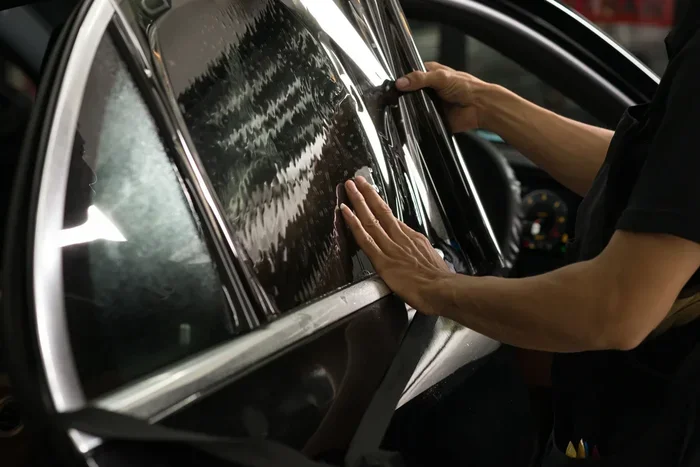
Start by visiting your doctor and discussing your condition. Ask them to write a detailed letter explaining your medical need for darker tint. Take this letter to your tint installer and have the tint applied according to the doctor’s recommendations.
Next, submit the letter and your vehicle registration to the New Jersey Motor Vehicle Commission. They will issue an exemption sticker. Place this sticker on your dashboard so it is visible to law enforcement. The process is straightforward, but it does take a few weeks for approval.
Possible Penalties for Illegal Window Tint
Breaking the New Jersey window tint law comes with real consequences. The state takes tint violations seriously, and the penalties can add up quickly. Here is what you need to know.
If you are caught driving with illegal tint, you will likely receive a citation. The fine for a first offense can range from $100 to $500. For repeat offenses, the fine can go up to $1,000 or more. These are not small amounts, and they can hit your wallet hard.
Beyond fines, illegal tint can cause other problems. Your car may fail its annual vehicle inspection. This means you cannot register your car legally until the tint is fixed or removed. You may also get points on your driving record in some cases.
What Happens During a Traffic Stop
If an officer pulls you over and notices illegal tint, they will likely issue a ticket on the spot. The officer may use a tint meter to measure your VLT. If the reading is below the legal limit, you will be cited. You may be given the option to remove the tint before your next inspection.
Some officers give a warning for slightly dark tint, especially if it is your first offense. But do not count on this. The safest approach is to make sure your tint is legal from the start. It saves you time, money, and stress.
How to Fix an Illegal Tint Violation
If you receive a tint violation, you have a few options. You can remove the tint entirely and go back to factory-clear windows. You can replace the tint with a lighter film that meets the 70% VLT requirement. Or, if you qualify, you can apply for a medical exemption.
Removing tint is the most common fix. A professional shop can strip the old film and apply new, legal tint in a single visit. The cost varies depending on the vehicle and the type of film used. Expect to pay between $150 and $400 for a full re-tint job.
Common Mistakes People Make With Car Window Tint
Many car owners run into trouble with tint because of simple mistakes. Knowing these pitfalls can save you time and money. Here are the most common errors people make.
- Buying tint online without checking NJ regulations. Online retailers do not always list state-specific rules. What is legal in Florida may be illegal in New Jersey.
- Ignoring the five-inch windshield limit. Some installers go beyond the allowed strip, especially on the driver side. Always double-check the coverage.
- Forgetting the sticker requirement. Even if your tint is legal, missing the sticker can lead to confusion during a stop.
- Choosing reflective or mirrored tint. This looks cool but is strictly prohibited in NJ.
- Assuming all windows follow the same rules. Front and rear windows have different limits. Make sure each window meets its specific requirement.
Avoiding these mistakes keeps you legal and your car looking great. Take the time to research before you tint, and always work with a reputable installer who knows the local laws.
Tips for Choosing Legal Window Tint in New Jersey
Now that you know the rules, here are some practical tips for choosing the right tint for your car in New Jersey.
- Ask the installer about VLT ratings before you commit. A good shop will explain the exact VLT of the film they use and confirm it meets NJ standards.
- Choose a reputable local shop. Shops that regularly serve NJ customers know the state laws well. They will steer you toward legal options.
- Consider ceramic or carbon tint films. These options offer great UV protection without the mirror-like reflection that gets you in trouble.
- Keep your documentation organized. Store your tint sticker, medical exemption letter, and receipt from the installer in one place.
- Get a tint meter reading after installation. Some shops can test your tint right after application to confirm it is legal.
Taking these steps gives you peace of mind. You will know your tint is both stylish and street legal. Plus, you avoid the stress of unexpected fines or inspection failures.
Frequently Asked Questions About NJ Window Tint Law
Can I tint my front windshield in New Jersey?
Yes, but only the top five inches of the windshield. This strip is often called the sunshade band. The rest of the windshield must remain clear and free of any tint film. This rule ensures the driver has a clear view of the road at all times.
What happens if I get caught with illegal tint in NJ?
You can receive a fine ranging from $100 to $1,000 depending on whether it is a first or repeat offense. Your car may also fail its annual inspection until the tint is brought into compliance. In some cases, you may be required to remove the tint before you can register your vehicle.
Is reflective tint allowed on any windows in New Jersey?
No. New Jersey law prohibits reflective or mirrored tint on all windows, including the front, rear, and side windows. The state considers reflective tint a safety hazard because it can blind other drivers and reduce visibility for law enforcement.
Do I need a sticker if my tint is legal?
Yes. New Jersey requires a compliance sticker on the driver side door jamb. This sticker proves your tint meets the state’s VLT requirements. Without it, an officer may assume your tint is illegal during a traffic stop, even if it is within the legal limits.
Can I get a darker tint if I have a medical condition?
Yes. New Jersey offers medical exemptions for people with conditions that make them sensitive to sunlight. You need a signed letter from a licensed physician explaining your condition and the need for darker tint. Once approved, you will receive an exemption sticker to display in your vehicle.
How much does it cost to fix an illegal tint in NJ?
The cost to remove or replace illegal tint typically ranges from $150 to $400 for a full vehicle. The exact price depends on the type of car, the number of windows, and the quality of the film you choose. It is a worthwhile investment to avoid repeated fines and inspection failures.
Conclusion
The New Jersey window tint law is clear once you understand the basics. Front side windows must stay at or above 70% VLT. Rear windows can be tinted darker with no specific limit. The windshield allows only a five-inch strip at the top. Reflective tint is banned across the board, and a compliance sticker must be displayed on your vehicle.
Medical exemptions give you flexibility if you have a qualifying condition. And while the penalties for violations can be steep, staying informed keeps you out of trouble. The best approach is simple. Know the rules, choose legal tint, and work with a trusted installer who understands New Jersey regulations.
Take the time to do your research before you tint your car. A little effort upfront saves you from headaches later. Your car will look great, stay legal, and keep you safe on the road. Follow the rules, enjoy your tint, and drive with confidence knowing you are doing things the right way.