How to Start a Car When Your Key Fob Is Not Working
How to Start a Car When Your Key Fob Is Not Working is easier than you think. A dead key fob battery, signal interference, or a faulty transmitter can leave you stranded, but you can still get behind the wheel. This guide shows you how to start your car with a push button or ignition using a hidden key blade, spare key, or direct battery connection. You’ll learn simple troubleshooting steps to get back on the road quickly.
You step out to your car on a busy morning. You press the start button. Nothing happens. The dashboard stays dark, and the engine refuses to turn over. Panic sets in. You think your car battery is dead, but the real issue might be simpler. Your key fob is not working. This happens to millions of drivers every year. The good news is that you can still start your car and get to work. You just need a few simple tricks and a calm mindset.
Many people assume a dead key fob means a dead car. That is not true. Modern vehicles have backup systems built in. They let you start the engine even when the key fob battery is completely dead. You might need to use a hidden mechanical key, place the fob directly against the start button, or switch to a spare fob. This guide walks you through every method. You will learn why your key fob fails, how to fix it quickly, and how to prevent the problem from returning. By the end, you will feel confident handling this situation on your own.
The steps here apply to most push-button-start cars and traditional ignition systems. We cover Toyota, Honda, Ford, Chevrolet, BMW, and many other brands. The principles are the same. You will save time and money by learning these simple techniques. Let us dive into the most common reasons your key fob stops working and the fastest ways to start your car when the key fob is not working.
Key Takeaways
- Check the key fob battery first: A dead coin-cell battery is the most common culprit.
- Use the hidden mechanical key: Most key fobs have a spare blade for manual ignition.
- Try the start procedure with the fob touching the start button: Some cars read the fob signal even when the battery is dead.
- Keep a spare key fob or mechanical key in your car: Always have a backup plan.
- Replace the battery annually: Prevent surprises by swapping the CR2032 battery every year.
- Know when to call a locksmith or dealer: If the fob is damaged or reprogramming is needed, seek professional help.
📑 Table of Contents
Why Your Key Fob Might Stop Working
A key fob is a small electronic device. It sends a radio signal to your car. The car’s computer reads the signal and unlocks the doors or allows the engine to start. When that signal breaks, the car does not respond. Several things can cause this. Understanding the root cause helps you pick the right fix.
Dead Battery in the Key Fob
The most common reason is a dead battery. Key fobs use small coin-cell batteries, usually CR2032. These batteries last about two to three years. Cold weather drains them faster. If you leave the fob in your pocket next to other keys, the battery can wear out quickly. A dead battery means the fob cannot send a strong signal. The car’s receiver does not detect it. You get the message that the key fob is not working.
Signal Interference
Sometimes the fob battery is fine, but the signal gets blocked. Metal objects, thick clothing, or electronic devices near the fob can cause interference. You might have your fob in a pocket with your phone or a set of keys. The metal in those items can block the radio frequency. The car does not hear the fob, and the push-button-start system refuses to work. Moving the fob to a different pocket often solves this instantly.
Damaged or Wet Key Fob
Key fobs are not waterproof. If you drop yours in a puddle or spill coffee on it, the internal circuitry can short out. A damaged fob may still unlock the doors sometimes but fail to start the car. Water damage is a common hidden cause. If your fob has been exposed to moisture, you might need a replacement or a new battery after drying it out.
Faulty Car Battery or Immobilizer Issue
In rare cases, the problem is not the key fob at all. A weak car battery can prevent the immobilizer system from reading the fob signal. The immobilizer is a security feature that stops the engine unless it sees the correct coded signal from the fob. If the car battery is low, the immobilizer may not power up properly. This can make it seem like your key fob is broken when it is actually the car battery that needs a jump.
Quick Fixes When Your Key Fob Fails
Before you call a locksmith or tow truck, try these simple fixes. Most key fob problems are easy to solve in under five minutes. These quick checks can save you a lot of hassle.
Replace the Key Fob Battery
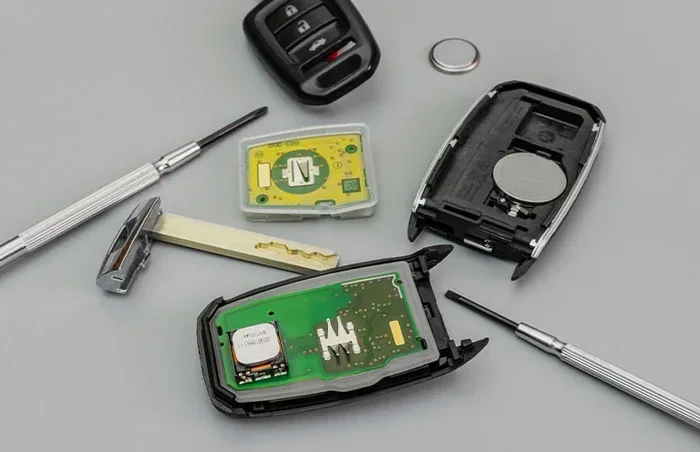
Open the key fob shell. Use a small flathead screwdriver or a coin to pop it open. Inside you will find a CR2032 battery. Remove it carefully and insert a new one. Make sure the positive side faces up. Snap the fob back together. This simple step fixes the problem more than 80% of the time. Keep a spare battery in your glove box so you can swap it instantly.
Reposition the Key Fob
Take the fob out of your pocket or bag. Hold it directly against the start button or the ignition cylinder. The closer the fob is to the car’s antenna, the stronger the signal. Some drivers place the fob on the center console or even hold it near the steering column. This trick works when the battery is weak but not completely dead. The car can still read the faint signal and allow the engine to start.
Use the Hidden Mechanical Key
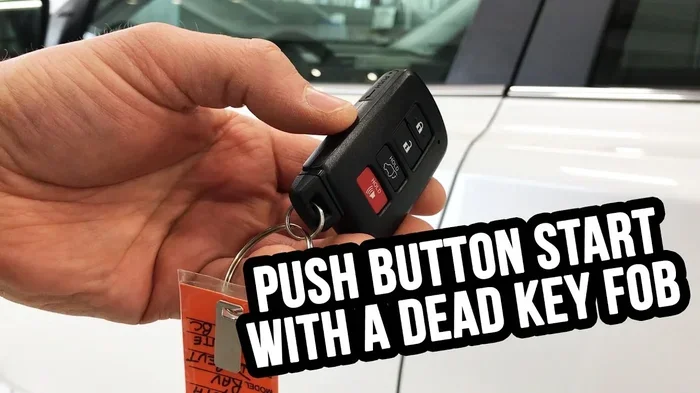
Every modern key fob has a hidden mechanical key blade. You will find a small release button or a sliding cover on the fob body. Push it to pop out a thin metal key. This is a traditional key that works in a manual ignition slot. If your car has a hidden ignition cylinder behind a plastic cover, you can insert this blade and turn it to start the engine. This is the oldest and most reliable backup method. Every driver should know where their mechanical key is stored.
How to Start a Car with a Dead Key Fob
When your key fob battery is completely dead and you do not have a replacement, you still have options. The exact steps depend on your car model, but the general methods are similar. Here is a detailed guide on how to start a car when your key fob is not working using a dead battery.
Method 1: Use the Hidden Key Blade for Manual Ignition
Locate the key fob release mechanism. It is usually a small button or a sliding latch on the side of the fob. Slide it to reveal the metal key blade. Find the steering column lock cover on your car. It is a small plastic cap near the ignition switch. Pry it off gently with the key blade or a flat tool. Insert the mechanical key into the ignition slot. Turn it to the “On” or “Start” position just like an old car key. The engine should crank and start. This method bypasses the electronic key fob system entirely.
Method 2: Place the Dead Fob Directly on the Start Button
Many push-button-start cars have a backup antenna ring around the start button. Even with a dead battery, the fob’s passive transponder chip can still be read if you place it very close. Hold the fob flat against the start button. Press the brake pedal firmly with your foot. Then press the start button. The car may recognize the fob’s internal chip through direct contact. This works on many Toyota, Honda, and Ford models. If the fob battery is dead, the signal will be weak, but touching it directly amplifies the reading chance.
Method 3: Use a Spare Key Fob
If you have a second key fob, this is the easiest solution. Bring the spare fob into the car. Place it on the start button or the designated backup antenna area. Press the brake and start the engine. Spare key fobs are life savers. They are especially useful if the original fob was left at home or got damaged. Always keep a spare fob in a safe place outside the car, like a drawer at home. Some drivers even keep a spare in the office.
Method 4: Jump-Start the Car Battery (If the Real Issue Is a Dead Car Battery)
Sometimes the key fob works fine, but the car battery is too weak to power the starter motor. You might hear a clicking sound but no engine crank. In this case, the key fob is not the problem. You need to jump-start the car. Use jumper cables and another vehicle or a portable jump starter. Connect the cables to the positive and negative terminals. Start the working vehicle first, then try starting your car. If the car starts, the key fob will work normally again because the electrical system now has enough power.
Comparison of Methods for Starting a Car with a Dead Key Fob
| Method | When to Use | Difficulty | Time Needed |
|---|---|---|---|
| Hidden Mechanical Key | Fob battery dead, no spare fob | Easy | 1-2 minutes |
| Fob Touching Start Button | Weak fob battery, push-button start | Very Easy | 30 seconds |
| Spare Key Fob | You have a second fob | Very Easy | 1 minute |
| Jump-Start Car Battery | Car battery is dead, fob works | Medium | 5-10 minutes |
Preventing Key Fob Problems
The best way to deal with a key fob that is not working is to stop it from happening in the first place. Simple preventive habits can keep your fob reliable for years. You will never get stranded by a dead fob battery again.
Replace the Key Fob Battery Annually
Do not wait for the fob to fail. Set a reminder on your phone to replace the CR2032 battery every 12 months. It costs only a few dollars and takes two minutes. Use a high-quality battery from a trusted brand. Cheap batteries may die within six months. A fresh battery gives you strong signal strength and reliable operation. This is the single most effective step in key fob troubleshooting.
Store the Fob Away from Metal and Electronics
Keep your key fob in a dedicated pocket or a small pouch. Avoid tossing it into a junk drawer with loose coins and metal keys. Metal objects can block the signal and drain the battery faster. Also, keep it away from strong electromagnetic sources like large speakers or microwave ovens. A safe storage spot is a clean, dry, fabric-lined compartment in your bag or jacket.
Avoid Extreme Temperatures
Key fob batteries hate extreme heat and cold. Leaving the fob on your car dashboard in direct summer sun can damage the electronics. In winter, the cold drains the battery quickly. Keep the fob in an interior pocket close to your body. Your body heat keeps the battery warm and maintains its charge longer. This is especially important during cold weather when you need the fob most.
Keep a Spare Key Fob and Mechanical Key
Always have a backup. A spare key fob stored at home or in the office gives you a second chance. Even better, hide a mechanical key somewhere safe outside your car. You can place it in a magnetic lock box under the chassis or give a copy to a trusted neighbor. If both fobs fail at once, you will still have a way to start the car. This is a pro tip that locksmiths recommend to every driver.
When to Seek Professional Help
Most key fob issues are simple and fixable at home. But some situations need a trained technician. Knowing when to call for help saves you from making the problem worse.
Immobilizer System Errors
If your car starts briefly and then shuts off, the immobilizer may not be recognizing the fob code. This is a security feature that prevents theft. A locksmith or dealer can reprogram the immobilizer and the key fob. You will need the vehicle identification number and proof of ownership. Do not try to bypass the immobilizer yourself. It can trigger a permanent lockout and require expensive dealer programming.
Damaged Key Fob Electronics
If the fob has been dropped, crushed, or water-damaged, the internal circuit board may be broken. Replacing the battery will not help. In this case, you need a new key fob or a repair service. Many locksmiths can rebuild or program replacement fobs on the spot. Dealers can also order a new fob and program it, but it usually costs more. A locksmith is often the faster and cheaper option.
Key Fob Programming Issues
Sometimes a key fob loses its programming after a battery change or a power surge. The fob still has power, but it no longer communicates with the car. This requires a re-sync procedure. The exact steps vary by car brand. You can find the programming sequence in the owner’s manual. If the manual process fails, a professional has the diagnostic tools to re-pair the fob with the car’s computer system.
Common Mistakes to Avoid
When you are in a hurry and your car will not start, it is easy to make mistakes. Avoid these common errors so you do not waste time or damage your vehicle.
Assuming the Car Battery Is Dead
Many drivers see a dead dashboard and immediately think the car battery is dead. They try to jump-start the car unnecessarily. If the lights and radio work but the engine will not crank, the car battery might be fine. The real issue could be the key fob signal or the immobilizer. Always check the key fob first before jumping the car battery.
Forcing the Mechanical Key
The hidden key blade is thin and designed for a specific ignition slot. Forcing it into the wrong slot can bend or break the blade. If it does not slide in smoothly, stop and check the location. Look for a small cover or trim piece that pops off. Use gentle pressure. If the key does not turn, the ignition lock may be jammed. Do not use pliers or excessive force.
Ignoring the Steering Wheel Lock
When you remove the key from the ignition, the steering wheel can lock. This is a theft deterrent. If the steering wheel is locked, the key will not turn. Gently wiggle the steering wheel left and right while turning the key. The lock will release, and the key will turn smoothly. This is a simple mechanical issue that mimics a key fob problem.
Knowing how to start a car when your key fob is not working gives you peace of mind. You will never be stranded by a simple dead battery or a signal glitch. Keep a spare battery in your glove box, store a mechanical key safely, and practice the push-button backup method. These small habits make a big difference. The next time your key fob fails, you will stay calm and get back on the road in minutes.
Frequently Asked Questions
Can I start my car if the key fob battery is completely dead?
Yes, you can. Most push-button-start cars have a backup antenna that reads the fob’s internal chip even without battery power. Place the dead fob directly against the start button, press the brake, and hit start. Alternatively, use the hidden mechanical key blade in the ignition slot.
How do I know if my key fob battery is dying?
You will notice reduced range. The fob may not unlock the doors from across the room. The push-button-start may require you to be very close to the car. Some cars show a warning message on the dashboard. Replace the battery as soon as you notice these signs.
What type of battery does a key fob use?
The vast majority of key fobs use a CR2032 coin-cell battery. It is a 3-volt lithium battery that is cheap and easy to find. You can buy one at any grocery store, pharmacy, or auto parts shop for under a dollar.
Is it safe to use the hidden mechanical key every day?
No, the mechanical key is a backup only. It does not have the electronic chip that communicates with the immobilizer. Using it regularly can wear out the ignition cylinder. Reserve it for emergencies when the key fob battery is dead.
Can cold weather kill a key fob battery?
Yes, extreme cold drains the battery faster. If you live in a cold climate, keep the fob close to your body in an interior pocket. Body heat helps maintain the battery charge. Consider replacing the battery before winter hits.
How much does it cost to replace a key fob?
A new key fob can cost between $50 and $300 depending on the car brand and model. Programming at a dealer may add $50 to $100. A locksmith can often provide a cheaper alternative and program the fob on the spot for a fraction of the dealer price.