Kawasaki W800 Common Problems Every Owner Should Know
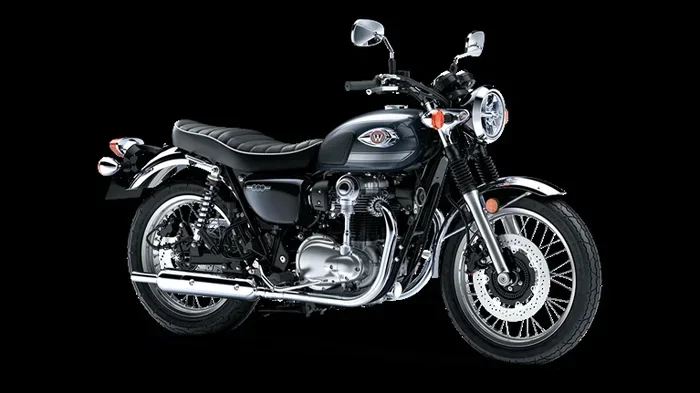
The Kawasaki W800 is a beautiful retro-style motorcycle, but it comes with its share of Kawasaki W800 common problems that every owner should understand before hitting the road. From hard starting and electrical gremlins to oil leaks and carburetor troubles, these issues are well-documented and manageable with the right knowledge. This guide covers every major problem area and gives you practical fixes to keep your W800 running strong.
Key Takeaways
- Starting and electrical issues are the most frequent complaints among W800 owners, often traced to the ignition coil, battery, or starter relay.
- Oil leaks and excessive oil consumption stem from worn gaskets, loose bolts, or aging seals that are simple to address.
- Clutch slipping and chattering are common on higher-mileage W800 models and usually require clutch plate replacement.
- Carburetor and fuel system clogs cause rough idling and poor throttle response, especially in bikes that sit for long periods.
- Regular maintenance is the single best way to prevent most Kawasaki W800 common problems from becoming serious.
- Overheating is rare but can happen, usually linked to cooling system blockages or low oil levels.
- Understanding these issues early saves money and keeps your retro ride enjoyable for years.
📑 Table of Contents
Introduction
The Kawasaki W800 turns heads everywhere it goes. With its classic design and thumping single-cylinder engine, it looks like a bike from the 1960s. But under that stylish exterior, the W800 is a modern machine with real reliability. Like any motorcycle, it has its quirks. And some of those quirks show up as Kawasaki W800 common problems.
If you own a W800 or are thinking about buying one, you need to know what can go wrong. Not every bike is perfect out of the crate. The W800 has earned a loyal fanbase, but owners have reported recurring issues over the years. The good news? Most of these problems are fixable. And many are preventable with regular care.
This article breaks down every major problem area. You will learn what goes wrong, why it happens, and how to fix it. Whether you are a first-time W800 owner or a seasoned rider, this guide has something for you. Let us dive in.
Starting Problems and Electrical Issues
Nothing is more frustrating than turning the key and hearing nothing. Starting problems top the list of Kawasaki W800 common problems. They can strike at any age, but older models are more prone. Let us look at the main culprits.
Hard Starting and Ignition Troubles
Many W800 owners report that their bike is hard to start, especially when cold. The bike cranks slowly or fires inconsistently. This usually points to the ignition coil or spark plug. Over time, the ignition coil weakens. It struggles to produce the spark needed for a clean start. Spark plugs also wear out. A fouled or worn plug means weak combustion.
The fix is straightforward. Replace the ignition coil every few years. Use the correct spark plug gap as specified in your owner manual. Many riders keep a spare spark plug kit on hand for quick fixes. If your W800 sits for weeks, the fuel can degrade and cause starting trouble too. A fuel stabilizer helps prevent this.
Battery and Electrical System Faults
The W800 uses a standard 12-volt battery. These batteries degrade over time, especially in humid or cold climates. A weak battery causes slow cranking and dim lights. Some owners also report a clicking sound when they turn the key. This usually means the battery has enough charge to engage the starter relay but not enough to turn the engine.
Check your battery terminals for corrosion. Clean them with a wire brush and baking soda solution. If your battery is more than two years old, consider replacing it proactively. A trickle charger is a great investment if you store your W800 for long periods. Also, inspect the wiring harness for frayed wires. Loose connections can cause intermittent electrical failures that are hard to diagnose.
Just like with any vehicle, electrical gremlins can be tricky. For broader context on common vehicle electrical issues, you might find our article on problems with the 2009 Toyota Corolla helpful for understanding how electrical faults manifest across different vehicles.
Engine and Oil Related Issues
The W800 runs on a 773cc air-cooled engine. It is simple by design, which makes it charming. But simplicity does not mean invincibility. Oil-related problems are among the most reported Kawasaki W800 common problems.
Oil Leaks and Excessive Oil Consumption
Oil leaks are a frequent complaint. They usually appear around the engine gaskets and bolt seals. The most common leak points are the crankcase gasket, the valve cover gasket, and the oil drain plug. Over time, these gaskets harden and lose their seal. Oil seeps out slowly, leaving dark spots on your garage floor.
Excessive oil consumption is another issue. Some W800 owners notice they need to top off the oil between changes. This can happen when piston rings wear or when valve seals degrade. Burning oil leads to blue exhaust smoke, especially on startup. If you notice this, do not ignore it. Check your oil level weekly and address leaks promptly. Replacing gaskets is inexpensive compared to engine damage from low oil.
Overheating Concerns
The W800 is air-cooled, which means it relies on airflow to stay at the right temperature. On hot days or in stop-and-go traffic, the engine can run warmer than normal. Most riders will notice the temperature gauge creeping up. Prolonged overheating can damage the engine internals.
To prevent overheating, keep your oil fresh. Old oil loses its cooling properties. Make sure the cooling fins on the engine are clean and free of debris. If you ride in heavy traffic on hot days, take breaks to let the engine cool down. Installing an aftermarket oil cooler is an option for riders who live in warm climates and put high miles on their W800.
Clutch and Transmission Problems
The W800 uses a wet clutch system, which means it operates in oil. This design is reliable but not immune to wear. Clutch problems become more common as the bike accumulates mileage.
Clutch Slipping
Clutch slipping is when the engine revs increase but the bike does not accelerate proportionally. This is a classic sign of worn clutch plates. The friction material on the plates wears down over time, especially if the rider often holds the clutch partially engaged or tows heavy loads.
Replacing the clutch plates is the standard fix. The job requires removing the engine case, which is doable at home with basic tools if you have some mechanical experience. Use quality replacement plates from Kawasaki or a trusted aftermarket brand. Break in the new clutch plates properly by avoiding aggressive acceleration for the first few hundred miles.
Clutch Chattering and Juddering
Some W800 owners report a chattering or juddering sensation when engaging the clutch at low speeds. This often happens when pulling away from a stop. The cause is usually contaminated clutch plates or uneven wear. Oil leaking onto the clutch plates from a damaged rear main seal is a common contributor.
Start by checking for oil leaks near the clutch area. If the plates are contaminated, a full clutch cleanup and replacement usually solves the problem. Also, check the clutch cable adjustment. A cable that is too tight or too loose can cause inconsistent clutch engagement. Adjust it to the factory specification for smooth operation.
Carburetor and Fuel System Issues
The W800 uses a carburetor to mix air and fuel. Carburetors are simple devices, but they are sensitive to fuel quality and storage conditions. Fuel system problems rank high among Kawasaki W800 common problems, especially for riders who store their bikes seasonally.
Rough Idle and Throttle Hesitation
A rough idle or hesitation when you twist the throttle often points to a clogged carburetor. Ethanol in modern gasoline attracts moisture and leaves behind varnish deposits. Over time, these deposits clog the tiny jets and passages inside the carburetor. The result is an inconsistent fuel mixture.
The fix is to remove the carburetor and clean it thoroughly. Use a carburetor cleaning solution and compressed air to blow out all passages. Replace any damaged gaskets or O-rings while you have it apart. Many riders find it helpful to rebuild the carburetor with a kit every few years as preventative maintenance. Always use fresh fuel and add a fuel stabilizer if the bike will sit for more than two weeks.
Fuel Pump and Line Problems
The W800 has an electric fuel pump that delivers fuel from the tank to the carburetor. Over time, the pump can weaken or fail entirely. Symptoms include difficulty starting, stalling under load, or a loss of power at higher RPMs. Inspect the fuel lines for cracks or leaks. Old rubber fuel lines can deteriorate and let air into the system, which disrupts fuel delivery.
Replace the fuel pump if you suspect it is failing. The part is affordable and the replacement is manageable for most home mechanics. Always use ethanol-resistant fuel lines and fittings to extend the life of your fuel system components.
Vibration and Chassis Concerns
The W800 is a single-cylinder bike, and single-cylinder engines naturally produce more vibration than twins or inline fours. Some vibration is normal and even part of the W800 character. But excessive vibration can signal underlying problems.
Engine Mount Wear
The engine mounts hold the engine in place and absorb vibration. Over time, these rubber mounts crack and harden. When they fail, the engine shifts slightly under acceleration, and you feel increased vibration through the frame and handlebars. Inspect the engine mounts visually. If they are cracked or collapsed, replace them. New mounts are inexpensive and make a noticeable difference in ride quality.
Frame and Wheel Alignment
Excessive vibration can also come from misaligned wheels or a bent front fork. Check your tire pressure regularly and inspect the wheels for damage. If you feel vibration at specific speeds, a wheel balance might be all you need. Have a mechanic check the frame alignment if you have been in any kind of drop or tip-over incident.
Maintenance Tips to Prevent Kawasaki W800 Common Problems
Prevention is always better than repair. A consistent maintenance schedule keeps your W800 healthy and reduces the chance of major issues. Here is what every W800 owner should do.
Follow the Service Schedule
Kawasaki provides a detailed service schedule in the owner manual. Follow it closely. Change the oil every 3,000 to 5,000 miles with the recommended grade. Replace the air filter at regular intervals. Check the valve clearance periodically, as the W800 uses shim-adjusted valves that can drift over time.
Store Your Bike Properly
If you store your W800 for extended periods, take precautions. Use a fuel stabilizer and run the engine for a few minutes to distribute it through the system. Remove the battery and store it on a trickle charger. Cover the bike to protect it from dust and moisture. These simple steps prevent a surprising number of Kawasaki W800 common problems before they start.
Use Quality Parts and Fluids
Cheap parts and low-quality fluids may save money upfront but cause problems later. Use OEM or premium aftermarket parts for repairs. Choose high-quality engine oil that meets the specifications in your manual. Good fuel from reputable stations helps keep the carburetor clean and the engine running smoothly.
Conclusion
The Kawasaki W800 is a fantastic motorcycle that combines classic style with modern reliability. But like any machine, it has its weak points. Kawasaki W800 common problems range from starting issues and electrical faults to oil leaks, clutch wear, and carburetor clogs. The good news is that most of these problems are well understood and easy to fix with basic tools and some mechanical knowledge.
Stay on top of your maintenance schedule. Address small issues before they grow into expensive repairs. Use quality parts and fuels. And remember that the W800 is a bike meant to be enjoyed. When you take care of it, it takes care of you. Ride safe and keep that classic engine humming.
Frequently Asked Questions
What are the most common Kawasaki W800 problems?
The most common issues include hard starting, electrical faults, oil leaks, clutch slipping, and carburetor clogs. Most of these problems are manageable with regular maintenance and affordable parts. Older models with higher mileage tend to experience these issues more frequently.
Why does my Kawasaki W800 hard start when cold?
Cold starting problems are usually caused by a weak ignition coil, worn spark plugs, or degraded fuel. The ignition coil may not produce a strong enough spark in cold conditions. Replacing the spark plugs and ignition coil at recommended intervals solves this issue in most cases.
How often should I change the oil on my W800?
Kawasaki recommends changing the oil every 3,000 to 5,000 miles, or at least once a year. If you ride in dusty or humid conditions, you may need to change it more frequently. Always use the oil grade specified in your owner manual for best engine protection.
Can I prevent carburetor problems on my W800?
Yes. Use fresh fuel and add a fuel stabilizer if the bike sits for more than two weeks. Clean the carburetor and replace the jets every few years as preventative maintenance. Avoid leaving old fuel in the tank, as ethanol-blended fuel degrades quickly and leaves varnish deposits.
Is clutch slipping normal on a Kawasaki W800?
Clutch slipping is not normal and indicates worn clutch plates. It is more common on higher-mileage bikes or bikes that are ridden hard. Replacing the clutch plates and properly breaking in the new clutch restores smooth operation.
Are Kawasaki W800 common problems expensive to fix?
Most W800 problems are affordable to fix. Ignition coils, spark plugs, gaskets, and carburetor cleaning are all low-cost repairs. Clutch replacement costs more but is still manageable. Regular maintenance keeps repair costs low and prevents minor issues from becoming major expenses.