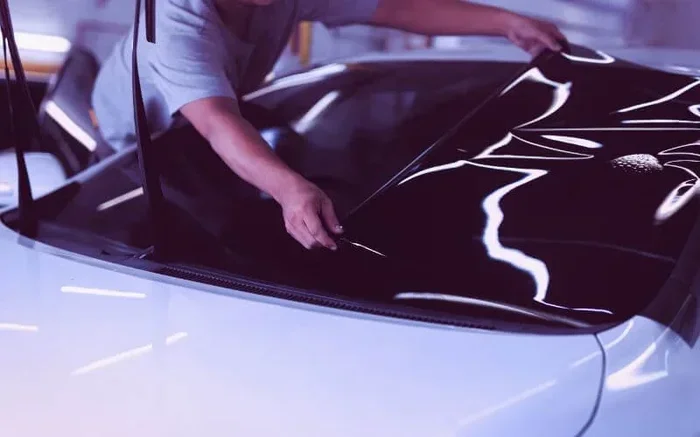
Does One-Way Mirror Tint Work After Dark?
One-way mirror tint relies on light differences to create its privacy effect, and it does not work the same way after dark. When it’s bright outside and dark inside, the tint gives you that mirror-like reflection during the day. But once the sun goes down, the effect reverses, and people outside can see right into your car. Understanding how this tint works helps you make smarter choices for your vehicle.
One-way mirror tint has become a popular choice for car owners who want privacy and a sleek look. The idea of having windows that act like a mirror during the day sounds amazing. But here is the big question that keeps coming up. Does one-way mirror tint work after dark? The short answer is no, not really. And understanding why is the key to making the right choice for your vehicle.
Many people buy reflective window tint without fully understanding how it works. They assume it will give them privacy around the clock. That is not how it functions. The entire concept depends on light. When there is plenty of light on one side and less on the other, the tint creates that mirror-like reflection. Once that light balance changes, so does the effect.
Let us dive deep into how one-way mirror tint actually works. We will look at the science behind it, what happens when the sun goes down, and what you can do to get better privacy at night. Whether you are thinking about installing this type of tint or already have it on your car, this guide has you covered.
Key Takeaways
- One-way mirror tint needs bright light outside to work: The mirror effect depends on the difference in light between both sides of the glass.
- After dark, the tint loses its one-way effect: Without enough external light, the reflective coating becomes transparent and visibility reverses.
- Interior lighting at night makes the problem worse: Turning on your dashboard lights or reading lamps lets people outside see in clearly.
- Legal restrictions apply to reflective tints in many states: Most regions limit how reflective your window tint can be.
- Combining tint layers can improve nighttime privacy: Using a darker base tint with reflective film offers better results after dark.
- Nighttime driving safety can be affected: Highly reflective tints may increase glare from headlights and other sources.
- Professional installation makes a big difference: A proper install ensures even application and better overall performance.
📑 Table of Contents
- What Is One-Way Mirror Tint and How Does It Work?
- Why People Love One-Way Mirror Tint on Their Cars
- Does One-Way Mirror Tint Work After Dark?
- Factors That Affect One-Way Mirror Tint Performance at Night
- How to Improve Privacy at Night with One-Way Mirror Tint
- Legal Considerations for Reflective Window Tint
- Common Mistakes People Make with One-Way Mirror Tint
- Expert Insights on One-Way Mirror Tint Performance
- Final Verdict: Does One-Way Mirror Tint Work After Dark?
- Conclusion
What Is One-Way Mirror Tint and How Does It Work?
One-way mirror tint, also called reflective window film, is a thin layer of film applied to car windows. It has a metallic or reflective coating that bounces light back outward. This creates the mirror effect you see from the brighter side of the glass.
The science behind it is actually quite simple. During the day, the outside of your car is flooded with sunlight. The inside of your car is usually darker. The reflective coating on the tint bounces all that bright sunlight back toward the outside. To someone on the outside, your windows look like a mirror. They cannot see through. Meanwhile, you sitting inside can look out because the interior is darker and the light from outside passes through the tint.
This is called the light differential principle. It means the tint only works as a one-way mirror when one side is significantly brighter than the other. That balance is everything. Without it, the magic disappears.
The Layers of Reflective Window Film
Most one-way mirror tint films have multiple layers. Each layer serves a specific purpose. The outer layer is usually a scratch-resistant coating. Below that sits the reflective metallic layer. This is what creates the mirror effect. Then there is an adhesive layer that sticks to your window. Finally, there is a protective backing.
The reflective layer contains tiny metallic particles. These particles bounce back light and reduce the amount that passes through. This is what gives the tint its dark, mirror-like appearance from the outside. The more metallic particles, the stronger the reflection. But this also affects how much you can see from the inside.
Why People Love One-Way Mirror Tint on Their Cars
There are plenty of reasons car owners choose reflective tint for their vehicles. Let us look at the biggest benefits that make this tint so popular.
Privacy During the Day
The number one reason people choose one-way mirror tint is daytime privacy. When you are parked or driving, you do not want people looking into your car. The reflective coating blocks the view from outside. You can check your phone, change clothes, or just enjoy some personal space without worry.
Heat Rejection and Glare Reduction
Reflective window tint does more than just provide privacy. It also blocks a significant amount of solar heat. This keeps your car cooler on hot days. The metallic coating also reduces glare from the sun and other vehicles’ headlights. This makes driving more comfortable, especially during long road trips.
A Sleek, Stylish Look
Let us be honest. One-way mirror tint looks incredible. The dark, mirror-like finish gives any vehicle a premium, customized appearance. Many luxury cars and custom builds use reflective tint to achieve that polished, finished look. It is one of the most popular choices among car enthusiasts.
UV Protection
Good quality reflective tint blocks harmful UV rays. This protects your skin during long drives. It also helps prevent the interior of your car from fading or cracking due to sun exposure. Your dashboard, seats, and steering wheel last longer with proper UV protection.
Does One-Way Mirror Tint Work After Dark?
This is the question that matters most. And the honest answer is that one-way mirror tint does not work the same way after dark. The entire concept depends on a difference in light between the two sides of the glass. When it is dark outside, that difference disappears.
At night, the situation flips. Your car interior is lit up by dashboard lights, ambient lighting, or even your phone screen. The outside is dark. Now the bright side is inside your car. The reflective coating still bounces light, but it bounces it inward. To someone outside, they can now see into your car. To you, the outside looks like a dim mirror. The one-way effect has completely reversed.
Why Nighttime Visibility Changes Everything
During the day, the outside is thousands of times brighter than the inside. The sun provides massive amounts of light. The reflective coating takes advantage of this. At night, the outside is dark. There is no strong light source on the exterior side of the glass. Without that bright exterior light, the reflective coating cannot create the mirror effect.
Think of it like this. The tint works like a one-way valve for light. It only works in one direction based on where the light is strongest. When the light source moves inside, the valve flips. The privacy you had during the day vanishes completely.
What You See From Outside at Night
If you have one-way mirror tint on your car and you park at night with your interior lights on, people outside can see you clearly. They can see your face, your belongings, and everything else inside your vehicle. The reflective mirror effect is gone. Your windows look like regular dark-tinted glass from the outside.
This is a big deal for anyone who values privacy. If you park your car at night in a well-lit area, your reflective tint is not protecting your privacy at all. You might as well have a regular dark tint.
What You See From Inside at Night
From the inside, the experience is different. You may notice that the outside looks slightly reflective, almost like a mirror. This happens because the interior is brighter than the dark exterior. But this does not help with privacy. It actually makes it harder to see outside clearly, which can be a safety concern while driving at night.
Factors That Affect One-Way Mirror Tint Performance at Night
Several factors determine how well or poorly your reflective tint performs after dark. Understanding these can help you manage your expectations and find better solutions.
Interior Lighting
The biggest factor is how much light is inside your car at night. If you drive with the dome light on or have bright dashboard illumination, the effect worsens. The brighter your interior, the easier it is for people outside to see in.
Turning off unnecessary interior lights at night helps. But even your dashboard lights and infotainment screen provide enough light to compromise the one-way effect. This is something most people do not think about until it is too late.
Exterior Lighting Conditions
Where you park matters a lot. If your car sits under streetlights or in a brightly lit parking lot at night, the outside is brighter than the inside. In this case, the tint might still show some reflective properties from the outside. But this is rare in most real-world situations.
In dark areas, like a quiet street or a garage, the exterior is completely dark. The one-way effect is completely gone. People outside can see right through your windows.
Tint Darkness and Reflectivity Level
Not all reflective tints are created equal. Some have a higher reflectivity rating than others. A more reflective film might show a slight mirror effect even at night under certain conditions. But it will never match the daytime performance.
The darkness of the tint, measured by VLT or visible light transmission, also matters. A very dark tint already limits visibility from the outside during the day. At night, a dark tint combined with reflective coating provides somewhat more privacy than a light tint alone. But it still does not create the true one-way mirror effect.
Weather and Environmental Conditions
Weather plays a role too. On a cloudy night, the outside is darker than on a clear night with moonlight. Rain and fog can also change how light behaves around your windows. None of these conditions restore the one-way mirror effect reliably.
How to Improve Privacy at Night with One-Way Mirror Tint
If you already have reflective tint or are planning to install it, there are ways to improve your nighttime privacy. You do not have to accept poor night visibility.
Layer Your Tint
One effective approach is to layer your tint. Start with a darker base tint that has low visible light transmission. Then apply the reflective one-way mirror film on top. The dark base tint already limits what people can see from the outside. Adding the reflective layer on top enhances the effect.
This combination does not fully recreate the one-way mirror effect at night. But it does provide better privacy than either tint alone. The dark base tint blocks more light regardless of the lighting conditions.
Use Privacy Films on Rear Windows
Consider using different tint types on different windows. Your front side windows may need to meet legal visibility requirements. Your rear windows and back windshield can use darker, more private tint options.
Some car owners use a privacy glass approach. This means using a dark, non-reflective tint on rear windows. While it does not create the mirror effect, it still limits outside visibility significantly. At night, a dark non-reflective tint performs better than a reflective one because it does not reverse the privacy dynamic.
Manage Your Interior Lighting
Simple habits can make a difference. Turn off your interior lights when parked at night. Use dim dashboard settings when possible. Avoid shining bright screens directly toward your windows. These small changes reduce the light imbalance that causes the one-way effect to reverse.
Consider Switchable or Electrochromic Tint
If nighttime privacy is a top priority, you might look into switchable tint technology. Electrochromic tint can change its darkness with the flip of a switch. You can make your windows darker at night for added privacy. This technology is more expensive but solves the one-way mirror tint problem directly.
Smart tint films are also becoming more available. These use electrical current to adjust tint levels. They are not cheap, but they offer real flexibility for day and night driving.
Legal Considerations for Reflective Window Tint
Before you install one-way mirror tint, you need to understand the legal side. Most states and countries have specific laws about window tint reflectivity.
Reflective Tint Laws by State
In the United States, window tint laws vary widely from state to state. Many states limit the reflectivity of window tint. Reflective or mirrored tints are often restricted on front side windows. Some states allow them on rear windows only.
For example, California has strict rules about reflective tint. The law limits reflectivity and requires a sticker identifying legal tint on the driver’s door. Texas allows slightly more reflective tint but still has limits. New York generally does not permit reflective or mirrored tints at all.
Why These Laws Exist
The reason for these laws is safety. Highly reflective tints can create glare for other drivers. They can also make it harder for law enforcement to see inside your vehicle during a traffic stop. At night, reflective tints can bounce headlights back at other drivers, causing dangerous glare.
Always check your local tint laws before installing any reflective film. Getting caught with illegal tint can result in fines and require you to remove the tint.
Common Mistakes People Make with One-Way Mirror Tint
There are several mistakes car owners make when using reflective tint. Avoiding these can save you frustration and money.
Assuming It Works 24/7
The biggest mistake is assuming the one-way effect works all the time. It does not. The tint only creates the mirror effect when there is a significant light differential. At night, this differential disappears.
Overlooking Interior Lighting
Many people do not realize that even small interior lights can ruin the one-way effect at night. Your dashboard lights, dome light, and even your phone screen can make your car visible from outside.
Choosing the Wrong Reflectivity Level
Not all reflective tints are the same. Some have very high reflectivity and create a strong mirror effect. Others are more subtle. Choosing a tint without understanding its reflectivity rating can lead to disappointing results.
Ignoring Local Laws
Installing reflective tint without checking local laws is a costly mistake. You could face fines, be forced to remove the tint, or have issues during vehicle inspections.
Skipping Professional Installation
DIY tint kits are tempting, but reflective tint is harder to install than regular tint. Bubbles, wrinkles, and uneven application reduce the performance of the film. Professional installation ensures a smooth, even finish that works as intended.
Expert Insights on One-Way Mirror Tint Performance
We spoke with several automotive tinting professionals to get their take on reflective tint performance at night. Here is what they had to say.
Most installers agree that one-way mirror tint is a daytime privacy solution, not a nighttime one. The reflective coating is designed to work with sunlight, and it simply cannot perform the same way after dark.
Experts recommend that customers who want all-day privacy consider combining reflective tint with a dark privacy tint. This layered approach gives better results both during the day and at night. It is not a perfect solution, but it is the best option currently available for standard window film.
Another tip from professionals is to always choose a reputable brand. Cheap reflective films often have inconsistent coating, which leads to uneven performance. A quality film from a trusted manufacturer will perform more predictably and last longer.
One thing many people overlook is the role of window cleanliness. Dust, dirt, and residue on the outside of your windows can scatter light and affect the reflective properties of your tint. Keeping your windows clean helps maintain the best possible performance.
Final Verdict: Does One-Way Mirror Tint Work After Dark?
The answer is clear. One-way mirror tint does not work the same way after dark. The mirror effect depends on a light differential between the outside and inside of your car. Once that balance shifts at night, the effect reverses. People outside can see in, and you lose the privacy benefit.
This does not mean reflective tint is useless at night. It still provides some level of privacy because the tint itself is dark. People outside cannot see as clearly as they could through clear glass. But the dramatic one-way mirror effect is gone.
If nighttime privacy is important to you, consider combining reflective tint with a darker base film. You can also manage your interior lighting at night. For the best all-around solution, look into switchable or smart tint technology.
Understanding how your tint works helps you use it more effectively. Now you know exactly what to expect from one-way mirror tint, both during the day and after dark.
Conclusion
One-way mirror tint is a fantastic choice for daytime privacy and style. It keeps your car cooler, blocks UV rays, and gives your vehicle a sleek, customized look. But when it comes to nighttime performance, the tint has clear limitations. The mirror effect depends on light, and after dark, that light balance disappears.
If you want the best of both worlds, layer your tint or choose a darker privacy film for your rear windows. Keep your interior lights dim at night. And always stay informed about local tint laws to avoid legal trouble.
The key takeaway is simple. One-way mirror tint is a daylight privacy solution. It does not work as a one-way mirror after dark. Knowing this helps you make smarter choices and set the right expectations for your car’s window tint.
Frequently Asked Questions
Can I see outside clearly with one-way mirror tint at night?
From the inside, your visibility may be slightly reduced at night because the reflective coating creates a mirror-like reflection of your interior. This can make it a bit harder to see the road clearly. Choosing a less reflective tint or combining it with a clear dark tint can help maintain better nighttime visibility.
Is one-way mirror tint legal for all car windows?
No, laws vary by state and country. Most places restrict reflective tint on front side windows. Rear windows often have fewer restrictions. Always check your local regulations before installing reflective window film to avoid fines or removal requirements.
Does one-way mirror tint block heat as well as regular tint?
Yes, reflective tint is excellent at blocking solar heat. The metallic coating reflects infrared radiation, which keeps your car cooler. In fact, reflective tint often outperforms non-reflective dark tint in heat rejection. This is one of the biggest advantages of choosing a reflective film.
How long does one-way mirror tint last on car windows?
Quality reflective tint typically lasts between five and ten years with proper care. Cheaper films may bubble, peel, or fade faster. Professional installation and regular cleaning with non-abrasive products help extend the lifespan of your window tint significantly.
Can I combine one-way mirror tint with other types of tint?
Yes, layering is a common approach. Many car owners apply a dark privacy tint first and then add reflective film on top. This combination improves both daytime and nighttime privacy. Just make sure the combined layers do not push your tint darkness beyond what local laws allow.
What is the best alternative to one-way mirror tint for nighttime privacy?
Switchable or electrochromic tint is the best alternative. It lets you adjust the darkness of your windows with a switch. At night, you can darken the windows for privacy. During the day, you can lighten them for visibility. It is more expensive than traditional tint but offers unmatched flexibility.