Why 35 Percent Window Tint: The Most Popular Choice
35 percent window tint is the go-to option for drivers who want a balance of style, comfort, and protection. This shade blocks harmful UV rays, reduces heat, and adds a sleek look to any vehicle. Most states allow it on all windows, making it one of the most practical tint choices available. Whether you drive daily or hit the road on weekends, this tint level delivers serious value.
Key Takeaways
- 35 percent window tint is the most popular shade: It offers the best balance between style, comfort, and legal compliance.
- UV protection is a major benefit: This tint level blocks a significant portion of harmful ultraviolet rays that damage skin and fade interiors.
- Heat rejection keeps your car cooler: A 35 percent tint shade reduces solar heat buildup, making your drive more comfortable.
- It is legal in most states: Unlike darker tints, 35 percent tint usually meets window tint laws across the country.
- Glare reduction improves safety: Less sun glare means better visibility and fewer distractions while driving.
- Privacy and style go hand in hand: This tint shade gives your car a polished, premium look without going too dark.
- Professional installation is recommended: A skilled installer ensures a bubble-free, long-lasting finish.
📑 Table of Contents
- Why 35 Percent Window Tint Is the Most Popular Choice
- The Top Benefits of Choosing 35 Percent Tint
- Understanding Tint Laws and Legal Limits
- Comparing 35 Percent Tint to Other Tint Shades
- How to Choose the Right Tint Film for Your Vehicle
- Tips for Getting the Best Results from Your Tint
- Common Mistakes to Avoid When Tinting Your Windows
- Expert Insights on Why 35 Percent Tint Remains the Top Pick
- Is 35 Percent Window Tint Right for You?
Why 35 Percent Window Tint Is the Most Popular Choice
If you have ever walked through a parking lot and noticed how many cars have that perfectly shaded look, you have seen 35 percent window tint in action. It is the shade that strikes the right chord between too light and too dark. People love it because it works. Whether you care about keeping your car cool, protecting your skin, or just making your ride look better, this tint level delivers on all fronts.
Car window tinting has grown into a massive industry. Every year, millions of vehicle owners choose to tint their windows for comfort, style, and protection. Among all the available shades, 35 percent window tint stands out as the most popular choice. But why exactly? In this guide, we will break down everything you need to know. From the benefits and legal limits to installation tips and common mistakes, we have you covered.
The popularity of this tint shade is not an accident. It hits a sweet spot that appeals to a wide range of drivers. New car owners, seasoned car enthusiasts, and everyday commuters all find real value in this level of tint. Let us dive into the reasons behind its widespread appeal.
What Exactly Is 35 Percent Window Tint?
Before we talk about why it is so popular, let us clarify what 35 percent window tint actually means. The percentage refers to the Visible Light Transmission (VLT) level. In simple terms, it tells you how much light the tint film allows to pass through your car windows.
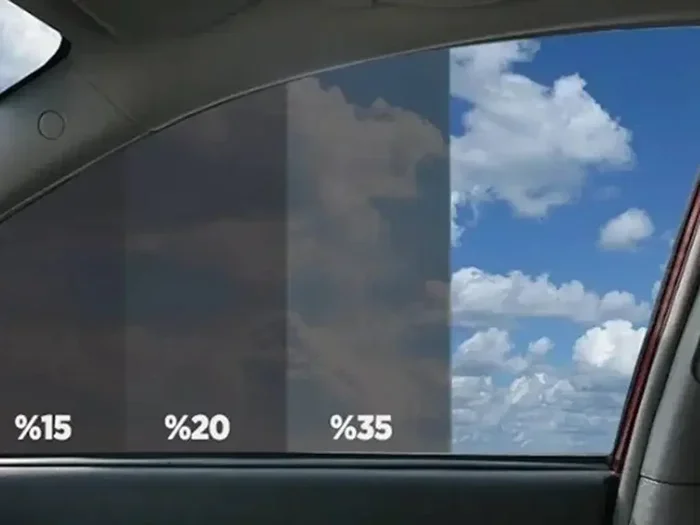
A 35 percent tint film lets 35 percent of visible light in and blocks the remaining 65 percent. This creates a noticeably darker look compared to lighter tints like 50 percent or 70 percent. However, it is still much lighter than very dark tints like 20 percent or 5 percent. That middle-ground position is exactly what makes it so appealing.
Most automotive tint films come in a range of VLT percentages. The most common options include 5 percent (very dark), 20 percent, 35 percent, 50 percent, and 70 percent (very light). Each shade serves a different purpose. The 35 percent window tint level sits right in the middle, offering a balanced mix of aesthetics and function.
The tint film itself is made from multiple layers. These layers include an adhesive backing, a polyester core, and a scratch-resistant coating. The dye or metal particles embedded in the film are what do the work of blocking light, heat, and UV rays. Higher-quality films use advanced ceramic or carbon technology for even better performance.
The Top Benefits of Choosing 35 Percent Tint
So what makes this tint level so special? There are plenty of reasons why drivers keep coming back to 35 percent window tint. Let us explore the biggest benefits.
UV Protection for Your Skin and Car Interior
One of the most important benefits of any automotive tint is UV protection. The sun emits harmful ultraviolet rays that can cause skin damage and premature aging. Over time, these rays also fade your car’s dashboard, seats, and trim. A quality 35 percent tint film blocks a significant amount of UV radiation, protecting both you and your vehicle’s interior.
Studies show that prolonged UV exposure through car windows can increase the risk of skin damage on the driver’s side. This is especially true for people who spend long hours commuting. Tinting your windows with a 35 percent shade adds a layer of defense that simple glass cannot provide.
Heat Rejection and Cabin Comfort
Nobody likes getting into a scorching hot car on a summer day. Solar heat builds up fast inside a vehicle, especially on dark-colored cars. A 35 percent tint shade significantly reduces the amount of heat that enters through your windows.
With less heat coming in, your cabin stays cooler. This means your air conditioning does not have to work as hard. The result? Better fuel efficiency and a more comfortable driving experience. Many drivers report that their car feels noticeably cooler even on the hottest days after applying a quality tint film.
Glare Reduction for Safer Driving
Sun glare is a serious safety hazard. It can temporarily blind you while driving, especially during sunrise and sunset. A 35 percent window tint reduces the amount of glare that enters your vehicle. This leads to better visibility and fewer distractions on the road.
Glare reduction also helps reduce eye strain during long drives. If you frequently travel on highways or open roads, you know how exhausting direct sunlight can be. This tint shade makes those journeys more comfortable and safer.
Privacy and Security
A 35 percent tint shade gives your car a polished, darkened look that enhances privacy. People on the outside cannot easily see into your vehicle. This is especially useful when you park in public areas or leave personal items in your car.
Added privacy also contributes to a sense of security. While no tint can make your car completely invisible, a 35 percent shade strikes a good balance between visibility from the inside and obscurity from the outside.
Style and Aesthetics
Let us be honest. A large part of why people tint their windows is simply for the look. A 35 percent tint gives any vehicle a sleek, finished appearance. It adds depth and contrast to the car’s body lines. Whether you drive a sedan, SUV, truck, or sports car, this shade enhances the overall aesthetic.
Many car owners consider window tinting a style upgrade that increases the perceived value of their vehicle. It is one of the most cost-effective modifications you can make. For a relatively small investment, you get a transformed look that turns heads.
Understanding Tint Laws and Legal Limits
Before you commit to any window tint shade, it is crucial to understand the legal requirements. Tint laws vary widely from state to state, and even from country to country. Driving with illegal tint can result in fines, failed inspections, and even having to remove the tint entirely.
How Tint Laws Work
Most states regulate window tinting based on VLT percentages. The law typically specifies how dark the tint can be on different windows. For example, some states allow darker tint on rear windows but require lighter tint on the front side windows and windshield.
The good news is that 35 percent window tint is legal in the majority of U.S. states for all windows. This is one of the main reasons it is so popular. You do not have to worry about running into legal issues or constantly explaining your tint to law enforcement.
However, you should always check your specific state and local regulations before getting your windows tinted. Some areas have medical exemptions that allow darker tints, while others have strict rules about reflectivity and tint color. A reputable tint shop will always be up to date on the latest laws and can guide you accordingly.
States Where 35 Percent Tint Is Fully Legal
Many states permit a 35 percent tint shade on all windows, including the front side windows. States like Arizona, California, Colorado, Florida, and Texas are generally friendly toward this tint level. However, always verify with your local Department of Motor Vehicles or transportation authority to confirm current regulations.
Comparing 35 Percent Tint to Other Tint Shades
To truly appreciate why 35 percent window tint is the most popular choice, it helps to compare it with other common tint levels. Each shade has its own strengths and weaknesses, and the right choice depends on your priorities.
Common Tint Shade Comparison
Here is a quick look at how different tint shades stack up against each other:
- 50 percent tint: Lets in more light, offers moderate heat rejection, and is very subtle in appearance. Great for those who want a barely noticeable tint.
- 35 percent tint: The sweet spot for most drivers. Offers excellent heat rejection, good UV protection, strong privacy, and a stylish look.
- 20 percent tint: Noticeably darker. Provides maximum privacy and heat rejection but may be too dark for some drivers and could be illegal on front windows in some states.
- 5 percent tint: The darkest option, often called “limo tint.” Offers maximum privacy but significantly reduces visibility, especially at night.
Why 35 Percent Wins the Popularity Contest
When you compare the options, 35 percent window tint comes out on top for most people. It is dark enough to look great and provide real benefits, but light enough to remain safe and legal. Lighter tints like 50 percent do not offer as much heat rejection or privacy. Darker tints like 20 percent or 5 percent can be too restrictive for everyday driving and may violate window tint laws in many areas.
The versatility of this shade is its biggest selling point. It works equally well on sedans, SUVs, trucks, and minivans. No matter what type of vehicle you drive, a 35 percent tint shade will enhance both the look and the function of your car.
How to Choose the Right Tint Film for Your Vehicle
Not all tint films are created equal. The market offers a wide range of options, and choosing the right one can feel overwhelming. Here is what you need to know to make an informed decision.
Types of Tint Film
There are several main types of automotive tint film available today. Each type has different properties, performance levels, and price points.
Dyed tint film is the most affordable option. It uses a layer of dye to absorb heat and block light. While it works well for basic tinting, dyed films tend to fade over time and offer less heat rejection than premium options.
Metalized tint film contains tiny metallic particles that reflect heat and add strength to the film. These tints are more durable and offer better heat rejection than dyed films. However, they can interfere with electronic signals, including GPS, cell phone reception, and radio frequency.
Carbon tint film is a step up in quality. It does not contain metal, so it will not interfere with electronics. Carbon films offer excellent heat rejection, a matte finish, and strong durability. They are a popular choice among car enthusiasts.
Ceramic tint film is the premium option. It uses nano-ceramic particles to block heat without affecting signal transmission. Ceramic films offer the best performance in terms of heat rejection, UV protection, and clarity. They are more expensive but deliver the longest-lasting and highest-quality results.
Matching Film Type to Your Needs
If you want the best performance from your 35 percent window tint, consider a carbon or ceramic film. These options provide superior heat rejection and durability. Dyed films are fine for budget-conscious drivers who want a basic level of tinting, but they may need replacement sooner.
Think about your priorities. Do you care most about heat reduction? Go with ceramic or carbon. Is budget your main concern? A dyed or metalized film might be the way to go. Do you use a lot of electronic devices in your car? Avoid metalized films and opt for carbon or ceramic instead.
Tips for Getting the Best Results from Your Tint
Once you decide on 35 percent window tint, the next step is installation. How you get your tint applied makes a big difference in the final result and how long it lasts.
Professional Installation vs. DIY Kits
Professional installation is almost always the better choice. A skilled technician has the tools, experience, and environment needed to apply tint film correctly. They can ensure a bubble-free, wrinkle-free finish that looks great and lasts for years.
DIY tint kits are available and can save you money upfront. However, they come with risks. Improper installation can lead to bubbles, peeling, creases, and uneven application. Fixing a bad DIY job often costs more than paying for professional installation in the first place.
What to Expect During Installation
A professional tint installation typically takes one to three hours, depending on the number of windows. The process involves thoroughly cleaning the windows, cutting the film to size, applying it with a special solution, and smoothing out any air pockets. After application, the tint needs time to cure and cure fully, usually 24 to 48 hours.
During the curing period, you may notice some haze or small bubbles. This is normal and should clear up as the film dries completely. Avoid rolling down your windows or wiping the interior of the tinted windows during this time.
Maintenance Tips for Long-Lasting Tint
Taking care of your 35 percent tint film helps it last longer and look better. Here are some simple maintenance tips:
- Wait at least 3 to 5 days before cleaning the tinted windows.
- Use a soft microfiber cloth and a gentle, ammonia-free cleaner.
- Avoid abrasive cleaners or rough sponges that can scratch the film.
- Roll down your windows gently, especially during the first few weeks.
- Park in shaded areas when possible to reduce exposure to direct sunlight.
Common Mistakes to Avoid When Tinting Your Windows
Even though 35 percent window tint is a popular and straightforward choice, mistakes can happen. Avoiding these common errors will help you get the best possible result.
Choosing the Wrong Shade
One of the biggest mistakes is picking a tint shade without understanding what it actually looks like on your specific vehicle. What looks perfect on one car might look too dark or too light on another. Always ask your tint professional to show you a sample before committing.
Ignoring Local Tint Laws
As mentioned earlier, tint laws vary by location. Some drivers assume that because 35 percent tint is legal in their state, it is legal everywhere. This is not always true. Local municipalities sometimes have stricter rules than state laws. Always do your research and confirm the regulations that apply to you.
Skimping on Film Quality
It can be tempting to go with the cheapest tint option available. However, low-quality films often fade, bubble, and peel within a year or two. Investing in a higher-quality tint film pays off in the long run. You get better performance, a better look, and a longer lifespan.
Not Considering the Purpose
Think about why you are tinting your windows in the first place. If heat reduction is your top priority, you need a film with strong thermal rejection. If privacy matters most, you might prefer a slightly darker shade. If UV protection is the goal, make sure the film you choose has a high UV blocking rating. Your purpose should guide your choice of film type and quality.
Expert Insights on Why 35 Percent Tint Remains the Top Pick
Industry professionals consistently rank 35 percent window tint as the most recommended shade for everyday drivers. Tint installers, car detailers, and automotive enthusiasts all agree on this point. The reasons are simple and practical.
Versatility is king in the world of automotive tinting. A 35 percent shade works for virtually any vehicle, any driver, and any climate. Whether you live in a hot, sunny state or a cooler northern region, this tint level delivers meaningful benefits.
Tint shops also love working with this shade because it is forgiving. It is not so dark that customers worry about visibility, and it is not so light that they feel disappointed with the look. The result is a high satisfaction rate and repeat business for installers.
From a resale perspective, many car buyers appreciate a vehicle with quality window tint. A 35 percent tint shade signals that the car has been well cared for. It adds perceived value without the drawbacks that come with extremely dark tints, such as reduced visibility or legal concerns.
Is 35 Percent Window Tint Right for You?
The answer is almost certainly yes. If you drive regularly, spend time in your car, or simply want your vehicle to look better, this tint level is a smart investment. It offers a rare combination of style, comfort, protection, and legal compliance that few other tint shades can match.
Think about your daily driving habits. Do you commute long hours? Do you park outdoors in direct sunlight? Do you care about the appearance of your car? If you answered yes to any of these questions, 35 percent window tint is a choice you will not regret.
The cost of tinting your windows is relatively low compared to the benefits you receive. Most professional installations for a full set of windows range from a few hundred to several hundred dollars, depending on your vehicle and the film quality you choose. When you consider the improved comfort, UV protection, and style upgrade, the return on investment is excellent.
Take the time to research reputable tint shops in your area. Look for reviews, ask for recommendations, and request quotes from multiple providers. A quality installer will walk you through your options, help you choose the best film for your needs, and ensure a flawless application.
In the end, the widespread popularity of 35 percent window tint is well deserved. It is the shade that does it all. It protects your skin, keeps your car cool, reduces glare, adds privacy, and makes your vehicle look fantastic. No other tint level combines all of these benefits as effectively and affordably.
If you have been on the fence about tinting your windows, now is the perfect time to take the leap. Choose 35 percent window tint and experience the difference for yourself. Your car, your skin, and your driving comfort will thank you.
Frequently Asked Questions
Is 35 percent window tint legal in all states?
35 percent window tint is legal in the majority of U.S. states for all windows, including the front side windows. However, tint laws vary by location, so always check your specific state and local regulations before getting your windows tinted. Some municipalities may have stricter rules than the state level.
How much does it cost to tint windows at 35 percent?
The cost of tinting your windows with a 35 percent shade typically ranges from $200 to $600 for a full set of windows, depending on your vehicle size, the type of tint film you choose, and the quality of the installation shop. Ceramic films will cost more than dyed or metalized options, but they also deliver superior performance and longevity.
Can I tint my windshield with 35 percent film?
Most states do not allow any tint on the windshield, or they only permit a narrow strip at the top. The 35 percent tint shade is typically applied to the side and rear windows. Always check your local tint laws to confirm what is permitted for your windshield specifically.
How long does 35 percent window tint last?
A quality tint film, when professionally installed and properly maintained, can last 5 to 10 years or even longer. The lifespan depends on the type of film used, the climate you live in, and how well you care for the tint. Ceramic and carbon films tend to last the longest, while dyed films may fade sooner.
Will 35 percent tint affect my nighttime visibility?
Compared to darker tints like 20 percent or 5 percent, a 35 percent shade has minimal impact on nighttime visibility. You can still see through the windows clearly, which is one of the main reasons this shade is so popular for daily driving. If you do a lot of nighttime driving, 35 percent is a safe and practical choice.
What is the difference between 35 percent and 50 percent window tint?
The main difference is the level of darkness and light transmission. A 35 percent tint lets in 35 percent of visible light and blocks 65 percent, while a 50 percent tint lets in 50 percent of light and blocks 50 percent. The 35 percent shade appears noticeably darker and offers better heat rejection and privacy, while the 50 percent shade is lighter and more subtle in appearance.
=== CONCLUSION ===
35 percent window tint has earned its place as the most popular choice for car owners across the country, and for good reason. It offers the ideal balance of style, comfort, protection, and legal compliance. From blocking harmful UV rays to reducing cabin heat and cutting down on glare, this tint shade delivers real, tangible benefits every time you get behind the wheel.
Whether you are tinting your car for the first time or replacing an old film, 35 percent window tint is a decision you can feel confident about. It works for daily commuters, road trip enthusiasts, and casual drivers alike. The versatility, affordability, and performance of this shade make it the go-to option that continues to win over new fans every year.
Take the time to choose a quality film, find a skilled installer, and enjoy the transformation. Your vehicle will look better, feel more comfortable, and provide better protection for years to come. Invest in 35 percent window tint today and experience the difference for yourself.