Harley V-Rod Problems: Common Issues Explained Here
Harley V-Rod Problems can affect performance, reliability, and rider enjoyment. This guide covers the most frequent issues owners face, including overheating, clutch wear, fuel injection faults, and electrical glitches. You will learn what causes each problem, how to spot early warning signs, and practical fixes that save time and money. Whether you own a 2002 or a 2017 model, these insights help you keep your V-Rod in top shape.
Key Takeaways
- Overheating is the #1 issue: The V-Rod’s tight engine layout and cooling system weaknesses cause frequent overheating, especially in traffic or hot weather.
- Clutch problems are common: Clutch disc wear, hydraulic fluid leaks, and grabby clutch behavior plague many V-Rod owners over time.
- Fuel injection faults trigger rough idling: Throttle body contamination and sensor malfunctions lead to idle surge and poor fuel economy.
- Electrical gremlins affect reliability: Loose connectors, failing sensors, and corroded grounds cause check engine lights and intermittent misfires.
- Regular maintenance prevents most issues: Oil changes, coolant flushes, clutch fluid checks, and throttle body cleaning go a long way.
- Know when to seek professional help: Some V-Rod repairs require specialized tools and Harley-certified technicians for proper diagnosis.
📑 Table of Contents
Understanding the Harley V-Rod Engine
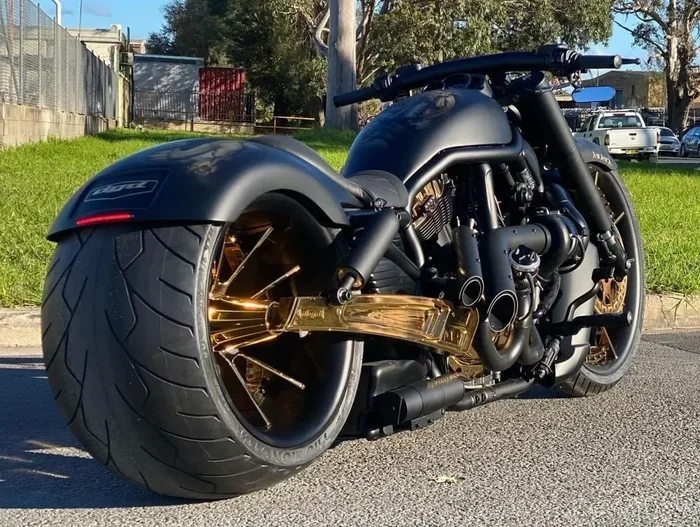
The Harley Davidson V-Rod turned heads when it debuted in 2002. It brought a liquid-cooled, 60-degree V-twin engine to the Harley lineup. This was a big departure from the air-cooled engines riders knew for decades. The Revolution engine was co-developed with Porsche. It delivered impressive power and torque. But with innovation came new challenges.
Many riders love the V-Rod for its muscle and speed. However, the unique engine design also creates specific vulnerabilities. Understanding how the engine works helps you spot problems early. The tight engine packaging leaves little room for heat dissipation. The cooling system works hard under load. And certain components wear faster than on traditional Harley models.
This article breaks down the most common Harley V-Rod Problems in detail. You will learn what causes each issue. You will also find practical solutions. Let us dive into what every V-Rod owner should know.
Common Harley V-Rod Problems and Their Symptoms
Engine Overheating
Engine overheating is the most reported issue among V-Rod owners. The Revolution engine runs hot by design. The compact cylinder layout traps heat. Stock cooling systems sometimes struggle in heavy traffic or summer riding. Riders often notice the temperature gauge climbing during long rides.
Common symptoms include:
- Temperature gauge reading higher than normal
- Steam or vapor rising from the engine area
- Reduced power or engine hesitation
- Warning lights on the dashboard
- Coolant leaking from hoses or the radiator
Overheating can damage head gaskets, warp cylinder heads, and ruin internal seals. Ignoring it leads to expensive repairs. The fix often involves upgrading the cooling system. Aftermarket radiators and high-flow water pumps make a big difference. Regular coolant flushes also help maintain proper temperatures.
Cam Chain Tensioner Failure
The V-Rod uses a hydraulic cam chain tensioner. Over time, this component can wear out. A failing tensioner causes a loud rattling noise on startup. This sound often goes away after the engine warms up. But it should never be ignored.
Cam chain tensioner failure leads to:
- Valve timing issues
- Poor engine performance
- Increased wear on camshafts and lifters
- Potential engine damage if left unaddressed
Replacing the tensioner early saves hundreds of dollars in collateral damage. Most mechanics recommend inspection every 15,000 miles. If you hear that rattle, get it checked immediately.
Piston Ring and Cylinder Wear
Some V-Rod owners report piston ring problems after high mileage. The rings can carbonize and lose their seal. This causes blue smoke from the exhaust and oil consumption spikes. The cylinder walls may also develop scoring over time.
Watch for these warning signs:
- Excessive blue or white exhaust smoke
- Oil consumption increasing between changes
- Reduced compression and power loss
- Engine running rough at idle
Using high-quality synthetic oil helps reduce carbon buildup. Regular oil changes at shorter intervals also protect the rings. If wear is severe, a cylinder hone or rebore may be necessary.
Cooling System and Overheating Issues
The V-Rod cooling system deserves special attention. The engine runs hotter than most Harley models. The stock radiator and thermostat were designed for average conditions. But real-world riding often pushes beyond those limits.
Why the V-Rod Runs Hot
Several factors contribute to overheating. First, the engine layout is compact. There is limited airflow around the cylinders. Second, the exhaust routing runs close to the cooling lines. Third, the stock thermostat may open too late for aggressive riding. These factors combine to create a heat management challenge.
Upgrades That Help
Many riders install aftermarket cooling upgrades. A high-performance radiator replaces the stock unit. It offers better heat dissipation. Electric cooling fans can be added for low-speed riding. These fans kick on before the engine reaches dangerous temperatures. Thermostat upgrades allow the system to open sooner. Each of these changes reduces overheating risk significantly.
Quick Tips:
- Check coolant levels before every long ride
- Flush the coolant system every two years
- Inspect hoses for cracks or soft spots
- Monitor the temperature gauge during stop-and-go traffic
- Consider an aftermarket fan kit for urban riding
Clutch and Transmission Troubles
Clutch Disc Wear
The V-Rod clutch is a wet, multi-disc design. Over time, the friction material wears down. Riders who haul heavy loads or ride aggressively wear clutches faster. A slipping clutch is the most obvious sign. You may notice the engine revving without a corresponding speed increase.
Common clutch problems include:
- Slipping under acceleration
- Grabbing or jerking when engaging
- Difficulty shifting gears
- Clutch lever feeling spongy or loose
- Fluid leaks near the clutch master cylinder
Replacing a worn clutch kit costs several hundred dollars. But the job is manageable for most experienced riders. Using the correct hydraulic fluid prevents internal corrosion. Bleeding the clutch system after service ensures smooth operation.
Transmission Gear Noise
Some V-Rod owners hear grinding or whining from the transmission. This often points to worn gear dogs or shafts. The issue becomes more noticeable at certain speeds. Cold weather can make the noise worse. Regular transmission oil changes keep everything lubricated. Use the factory-recommended oil weight for best results.
Electrical and Fuel System Problems
Fuel Injection and Throttle Body Issues
The V-Rod uses electronic fuel injection. While this system is reliable, it is not immune to problems. Throttle body bore buildup is a common culprit. Carbon deposits restrict airflow. This causes idle surge, rough starts, and poor throttle response.
Symptoms of fuel system problems include:
- Rough or unstable idle
- Hesitation during acceleration
- Check engine light illuminating
- Reduced fuel economy
- Difficulty starting when engine is hot
Cleaning the throttle bodies with a proper solvent restores smooth airflow. Fuel injectors should be inspected every 15,000 miles. Using quality fuel and adding a fuel system cleaner prevents buildup. Replacing the fuel filter on schedule keeps contaminants out of the system.
Electrical Gremlins and Sensor Failures
Electrical problems on the V-Rod can be frustrating. The bike relies on many sensors for engine management. A failing crank position sensor causes random stalling. A bad coolant temperature sensor leads to incorrect fuel mixture. Loose ground connections create intermittent issues that are hard to diagnose.
Common electrical complaints from V-Rod owners:
- Intermittent check engine light
- Misfires at certain RPM ranges
- Dashboard warning lights flickering
- Stalling at idle or under load
- Battery draining overnight
Using a Harley diagnostic scanner helps identify error codes quickly. Cleaning ground points with sandpaper restores good connections. Replacing corroded connectors prevents future failures. Always use OEM or high-quality aftermarket parts for electrical components.
Exhaust and Emission System Concerns
The V-Rod exhaust system handles hot gases under pressure. Over time, exhaust studs can corrode and break. The catalytic converter may clog, causing back pressure buildup. Riders sometimes notice a loss of top-end power or a rattling sound from the exhaust.
Regular inspection of the exhaust system prevents costly repairs. Replacing broken studs with stainless steel versions avoids future corrosion. If the catalytic converter fails, replacing it restores proper engine performance and emissions compliance.
Maintenance Tips to Prevent V-Rod Issues
Prevention is the best cure for Harley V-Rod Problems. A consistent maintenance schedule keeps the bike running strong. Many issues develop from neglected routine care. Here is a practical maintenance plan every V-Rod owner should follow.
Oil and Fluid Maintenance
Change the engine oil every 3,000 to 5,000 miles. Use high-quality synthetic oil designed for high-performance engines. Check the coolant level monthly during riding season. Replace the coolant every two years. Transmission oil should be changed every 10,000 miles. Clutch hydraulic fluid needs bleeding and replacement annually.
Air Filter and Intake Care
A clean air filter protects the engine from debris. Inspect the filter every 5,000 miles. Clean or replace it as needed. A clogged filter reduces airflow and hurts performance. Aftermarket filters can be washed and re-oiled for extended use. Always ensure the filter is properly seated before riding.
Belt and Chain Inspection
The V-Rod uses a belt drive system in most models. Inspect the belt for cracks, fraying, or glazing every 5,000 miles. Proper belt tension prevents slipping and premature wear. Chain-driven models need lubrication and tension checks every ride. Keeping the drive train in good shape prevents unexpected breakdowns.
Scheduled Service Intervals
Follow the factory service schedule closely. Key service milestones include:
- 5,000 miles: Oil change, filter replacement, general inspection
- 15,000 miles: Coolant flush, brake fluid check, throttle body cleaning
- 30,000 miles: Cam chain tensioner inspection, spark plug replacement
- 50,000 miles: Major service including clutch inspection and valve check
Sticking to these intervals catches small problems before they become big ones. It also preserves the resale value of the motorcycle.
Expert Insights and Final Thoughts
Harley V-Rod Problems are manageable with the right knowledge and proactive care. The V-Rod is a remarkable machine. It brought innovation to the Harley lineup. Its Revolution engine delivers thrilling performance. But it demands more attention than a traditional Harley.
Experienced mechanics agree that overheating and clutch wear top the list of concerns. Electrical gremlins and fuel system buildup are also common. The good news is that most of these issues are preventable. Regular maintenance, quality parts, and attentive riding habits go a long way.
If you notice any warning signs, do not ignore them. Early diagnosis saves money and prevents further damage. Find a mechanic who knows the V-Rod inside and out. A Harley-certified technician has the training and tools for proper diagnosis. Investing in quality repairs now avoids bigger headaches later.
The V-Rod community is active and supportive. Online forums and local rider groups share valuable troubleshooting tips. Do not hesitate to reach out to fellow owners. Their real-world experience can point you in the right direction. Many have faced the same challenges and found effective solutions.
Owning a Harley V-Rod is a rewarding experience. It offers power, style, and engineering that stands out. By staying on top of maintenance and addressing issues promptly, you keep your V-Rod running for years. The bike rewards riders who pay attention to its needs.
Remember, every motorcycle has quirks. The V-Rod is no exception. But with proper care, it delivers an unforgettable riding experience. Take the time to understand your bike. Learn its signals and respond quickly. Your V-Rod will thank you with many miles of reliable, thrilling rides ahead.
Frequently Asked Questions
What are the most common Harley V-Rod Problems riders face?
The most common issues include engine overheating, clutch wear, cam chain tensioner failure, throttle body carbon buildup, and electrical sensor malfunctions. Overheating is the top complaint because of the engine’s compact design and cooling system limitations. Regular maintenance and timely repairs help prevent most of these problems from becoming serious.
Why does my Harley V-Rod overheat so easily?
The V-Rod Revolution engine has a tight cylinder layout that traps heat. The stock cooling system was designed for average riding conditions, not sustained high-performance use. Traffic, hot weather, and heavy loads all increase overheating risk. Upgrading to a high-performance radiator and adding an electric fan significantly reduces this problem.
How often should I service my Harley V-Rod to avoid major problems?
Follow the factory service schedule. Change the oil every 3,000 to 5,000 miles. Flush the coolant every two years. Clean the throttle bodies at 15,000 miles. Inspect the cam chain tensioner at 30,000 miles. A major full service at 50,000 miles covers clutch, valve, and transmission inspections. Staying on schedule catches small issues before they escalate.
Can I fix Harley V-Rod Problems myself at home?
Basic maintenance like oil changes, coolant checks, and air filter replacements are easy DIY tasks. Throttle body cleaning is also manageable for most owners. However, electrical diagnostics, clutch replacements, and engine internal repairs require specialized tools and expertise. If you are unsure, consult a Harley-certified technician for complex repairs.
What is the average lifespan of a Harley V-Rod with proper maintenance?
With consistent care and timely repairs, a Harley V-Rod can easily reach 80,000 to 100,000 miles. Many owners report even higher mileages. The key is staying on top of oil changes, cooling system maintenance, and clutch inspections. A well-maintained V-Rod remains reliable and performs well for many years.
Are there any recalls or known factory defects on the Harley V-Rod?
Harley-Davidson issued some recalls over the years addressing specific V-Rod concerns. These included issues with the cam chain tensioner and certain electrical connectors. Check the NHTSA website or contact your local Harley dealer to see if your specific model year was affected. Even if a recall was completed, staying informed helps you monitor for related ongoing issues.
=== CONCLUSION ===
Harley V-Rod Problems are real, but they are manageable. The V-Rod is a powerful and unique motorcycle that rewards attentive ownership. Overheating, clutch wear, fuel system buildup, and electrical gremlins are the most frequent complaints. Each of these issues has clear causes and proven solutions.
Staying proactive with maintenance is the single best defense. Follow the service schedule. Use quality parts and fluids. Listen to your bike and address warning signs immediately. These habits keep your V-Rod performing at its best for thousands of miles.
Whether you are a seasoned V-Rod owner or considering your first purchase, understanding these common problems gives you an advantage. You will recognize issues early. You will know when to DIY and when to call a professional. And you will enjoy every ride with confidence.
Take what you learned here and apply it to your maintenance routine. Your Harley V-Rod deserves the best care you can give it. Ride smart, stay informed, and keep that Revolution engine humming.