Do Minivans Get Better Mileage Than SUVs Explained
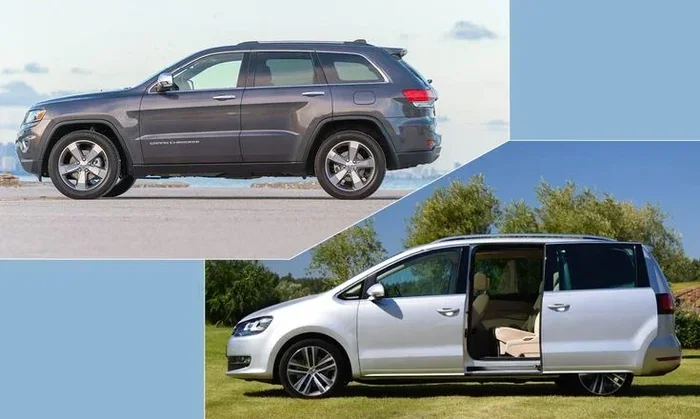
Do minivans get better mileage than SUVs? In most cases, yes. Minivans typically deliver better fuel efficiency thanks to their lighter weight, aerodynamic shape, and smaller engines. We break down the real-world MPG differences, key factors, and which vehicle type saves you more at the pump.
You are standing in a crowded parking lot, trying to decide between a sleek SUV and a practical minivan. The salesperson says both are great family vehicles. But your real question is simple: which one will save you money at the gas pump? Do minivans get better mileage than SUVs? The answer might surprise you. In most real-world situations, minivans deliver superior fuel efficiency. They are built with aerodynamics and lighter materials in mind. SUVs, especially larger ones, tend to drink more fuel. Yet, the gap is narrowing fast thanks to new technology.
Fuel efficiency matters a lot for families. You might drive your kids to school, commute to work, or take long road trips. Every gallon you save adds up over a year. The difference between a 20 mpg SUV and a 28 mpg minivan can mean hundreds of dollars back in your pocket. This guide breaks down the real numbers, the factors that affect mileage, and helps you choose the right vehicle for your life. We will look at gas mileage, hybrid options, and common mistakes people make when comparing these two types of vehicles.
We will not just give you dry statistics. We will walk you through everything you need to know in plain language. By the end, you will understand why minivans often win the fuel economy battle. You will also learn when an SUV might still be the smarter pick for your family. Let us dive into the details.
Key Takeaways
- Minivans usually win on fuel economy: Their aerodynamic design and lighter frames give them a clear MPG edge over most SUVs.
- SUVs have closed the gap: Modern compact SUVs and hybrid models now offer competitive gas mileage.
- Weight matters a lot: Heavier vehicles burn more fuel, and minivans are generally lighter than SUVs.
- Hybrid options change the game: Both minivans and SUVs now offer hybrid versions that boost fuel efficiency.
- Driving habits still count: Aggressive driving, extra cargo, and poor maintenance can erase any vehicle’s mileage advantage.
- Family needs come first: The best choice balances fuel savings with passenger space, cargo room, and lifestyle.
📑 Table of Contents
- Do Minivans Get Better Mileage Than SUVs? The Short Answer
- Why Minivans Often Win in Fuel Economy
- SUV Mileage: What to Expect
- Minivan vs SUV: Real-World MPG Comparison
- Factors That Affect Mileage in Both Vehicle Types
- Hybrid and Electric Options Changing the Game
- Which One Should You Choose for Your Family?
Do Minivans Get Better Mileage Than SUVs? The Short Answer
The short answer is yes, minivans generally get better mileage than SUVs. When you compare the average minivan mpg to the average SUV mpg, the minivan usually comes out ahead. A typical minivan returns about 22 to 28 miles per gallon combined. A typical SUV, especially a mid-size or full-size model, often delivers 16 to 22 miles per gallon combined. This difference comes down to basic physics. Minivans are lighter and have a more aerodynamic shape. They cut through the air with less resistance. SUVs have a boxier profile and sit higher off the ground, which creates more drag. More drag means the engine works harder, burning more fuel.
But the story does not end there. Not all minivans are the same, and not all SUVs are the same. A compact crossover SUV can be much lighter than a full-size minivan. A hybrid minivan can beat a non-hybrid SUV easily. The key is to compare specific models. You cannot just judge by the vehicle type alone. You need to look at the engine size, transmission, weight, and driving conditions. This guide will help you understand all of that.
Why Minivans Often Win in Fuel Economy
The Aerodynamic Advantage
Minivans are designed with family hauling in mind, but they also have a sleek profile. Their rooflines slope gently toward the rear. This shape lets air flow smoothly over the vehicle. Less turbulence means less energy wasted. SUVs, with their tall, boxy fronts and steep windshields, create more air resistance. Even modern SUVs that try to look sleek still have a higher frontal area than a minivan. That extra surface area catches the wind. The engine must push harder to maintain speed, especially on the highway. This is one of the biggest reasons minivans get better mileage than SUVs.
Lighter Weight Means Less Fuel Burned
Weight plays a huge role in fuel consumption. The heavier a vehicle, the more energy it takes to move it. Minivans are built on car platforms, which are lighter than truck-based SUV platforms. A typical minivan weighs around 4,300 to 4,600 pounds. A mid-size SUV often weighs 4,800 to 5,500 pounds. A full-size SUV can exceed 6,000 pounds. All that extra weight means the engine burns more gasoline. Even if two vehicles have the same engine, the lighter one will almost always get better gas mileage. This is a fundamental principle of fuel efficiency.
Engine Size and Transmission Trends
Minivans usually come with smaller, efficient engines. A 3.5-liter V6 is common, and many now use turbocharged 4-cylinder engines that punch above their weight. These engines are tuned for economy, not raw power. SUVs, especially those built for towing, often come with larger V6 or V8 engines. A bigger engine burns more fuel, even when you are not towing. Modern transmissions also help. Most minivans use 8-speed or 10-speed automatic transmissions that keep the engine in its sweet spot. Many SUVs now do the same, but the engine size difference still gives minivans an edge in minivan fuel economy discussions.
Quick Tips to Maximize Minivan Mileage
- Keep your tires properly inflated. Under-inflated tires create rolling resistance.
- Remove roof racks or cargo carriers when not in use. They add drag.
- Use cruise control on highway trips to maintain a steady speed.
- Avoid aggressive acceleration. Gentle starts save fuel.
SUV Mileage: What to Expect
Compact SUVs vs. Full-Size SUVs
Not all SUVs are gas guzzlers. The SUV gas mileage world is split into categories. Compact SUVs, like the Honda CR-V or Toyota RAV4, are much lighter than their bigger siblings. They often use efficient 4-cylinder engines. A compact SUV might return 28 to 30 mpg on the highway. Full-size SUVs, like the Chevrolet Tahoe or Ford Expedition, are heavy and powerful. They might manage only 15 to 18 mpg combined. So when people ask do minivans get better mileage than SUVs, they must specify which SUV. A compact SUV can actually beat a full-size minivan in highway fuel economy. But a minivan will still beat a full-size SUV easily.
Real-World SUV Fuel Economy
Real-world mileage often differs from EPA estimates. Your driving style, traffic, and terrain matter a lot. If you drive in stop-and-go city traffic, an SUV’s weight hurts you more. You will burn fuel accelerating that heavy mass over and over. On open highways, SUVs can be surprisingly efficient, especially if they have a small engine and an automatic transmission that locks the torque converter at cruising speed. Still, the minivan vs SUV mileage gap tends to be wider in city driving. If your daily commute involves heavy traffic, a minivan will likely save you more fuel.
Expert Insight
According to automotive engineers, the shape of the vehicle is the single biggest factor in aerodynamic drag. Minivans have a lower coefficient of drag than most SUVs. This means they slip through the air more easily. Even with the same engine, a minivan will often use less fuel simply because it does not fight the air as much.
Minivan vs SUV: Real-World MPG Comparison
Numbers help us see the picture clearly. The table below compares popular models from both categories. These are real-world averages from owner reports and professional tests. Keep in mind that individual results vary based on driving habits and conditions.
| Vehicle Type | Model Example | Avg. City MPG | Avg. Highway MPG | Avg. Combined MPG | Curb Weight (lbs) |
|---|---|---|---|---|---|
| Minivan | Honda Odyssey | 19 | 28 | 22 | 4,400 |
| Minivan | Toyota Sienna (Hybrid) | 36 | 36 | 36 | 4,700 |
| Compact SUV | Toyota RAV4 | 28 | 35 | 30 | 3,400 |
| Mid-Size SUV | Ford Explorer | 21 | 28 | 24 | 4,300 |
| Full-Size SUV | Chevrolet Tahoe | 16 | 23 | 19 | 5,600 |
Looking at the table, the minivan vs SUV mileage comparison is clear for most non-hybrid models. The Honda Odyssey gets 22 combined MPG. The Ford Explorer gets 24 combined MPG, which is slightly better in this example, but the Explorer is a mid-size SUV with a similar weight. The Toyota Sienna hybrid destroys both with 36 combined MPG. The compact RAV4 gets 30 combined MPG, beating the Odyssey. This shows that vehicle class is not the only factor. Engine technology and vehicle weight matter just as much. A lightweight compact SUV can beat a heavy minivan. But the average minivan still beats the average full-size SUV by a wide margin. When you shop for a family vehicle, always check the specific mpg ratings of the models you are considering.
Factors That Affect Mileage in Both Vehicle Types
Driving Habits and Conditions
Your foot is the biggest factor in fuel economy. Aggressive driving, speeding, and rapid acceleration waste gas. A minivan driven gently will return its rated mpg or better. An SUV driven aggressively will fall short of its estimates. Stop-and-go city driving hurts SUVs more because of their weight. Highway driving is where minivans shine. Their aerodynamic shape works best at steady speeds. If you mostly commute on the highway, a minivan will save you noticeably more fuel than an SUV. If you drive in the city, the difference is still there, but both vehicles will see lower gas mileage.
Vehicle Maintenance
A poorly maintained vehicle loses fuel economy. Dirty air filters, old spark plugs, and low tire pressure all hurt mileage. This applies to both minivans and SUVs. Regular oil changes and engine tune-ups keep your vehicle running efficiently. A well-maintained minivan will always outperform a neglected SUV in fuel economy. Simple habits like checking tire pressure once a month can improve your fuel efficiency by up to 3 percent.
Passenger and Cargo Load
Both vehicle types are used to carry families and gear. The more weight you carry, the more fuel you burn. A minivan with seven passengers and a full trunk of luggage will see its mileage drop. An SUV with the same load will see an even bigger drop because it is heavier to begin with. Roof racks and cargo boxes add drag. If you do not need them, remove them. This is a quick way to improve minivan mpg or SUV mpg. Keep your cargo inside the vehicle when possible.
Common Mistakes That Hurt Your Mileage
- Ignoring tire pressure: Under-inflated tires create extra rolling resistance.
- Carrying unnecessary weight: Heavy items in the trunk burn extra fuel.
- Using the wrong oil: Thicker oil than recommended makes the engine work harder.
- Idling too long: Turn off the engine if you are parked for more than a minute.
- Skipping maintenance: A dirty engine runs less efficiently.
Hybrid and Electric Options Changing the Game
The minivan vs SUV mileage debate is evolving fast. Hybrid technology has entered both segments. The Toyota Sienna is a hybrid minivan that achieves 36 mpg combined. That is extraordinary for a vehicle that seats eight. On the SUV side, the Toyota RAV4 Hybrid delivers 40 mpg combined. The Ford Escape Hybrid and Hyundai Tucson Hybrid also offer strong fuel economy. These hybrid models blur the lines between vehicle types. A hybrid SUV can now match or beat a traditional gasoline minivan in some cases.
Electric vehicles are also changing the landscape. The Hyundai Ioniq 5 and Kia EV6 are electric SUVs that use no gasoline at all. They do not have an mpg rating, but they cost much less to fuel per mile. Electric minivans are not yet common, but they are coming. If you want to eliminate fuel costs entirely, an electric SUV might be the best choice today. However, for most families who still use gasoline, hybrid minivans and hybrid SUVs offer the best blend of efficiency and range. When you ask do minivans get better mileage than SUVs, you must now consider hybrid and electric versions. They can flip the script entirely.
Which One Should You Choose for Your Family?
Choosing between a minivan and an SUV is about more than just mileage. It is about your lifestyle. If fuel efficiency is your top priority, a minivan is usually the smarter pick. You will save money on gas every month. If you need maximum cargo space and off-road capability, a large SUV might be worth the fuel penalty. If you want the best of both worlds, look at hybrid models in either category. A hybrid SUV can offer excellent mileage with the rugged feel of an SUV. A hybrid minivan offers the ultimate in family-friendly efficiency.
Consider your daily driving. Do you commute long distances on highways? A minivan will reward you with great mileage. Do you tow a boat or trailer? A truck-based SUV might be necessary, even if it drinks more fuel. Do you have a small family and want a nimble vehicle? A compact crossover SUV could be the perfect balance. The right vehicle is the one that fits your needs first, while still delivering the fuel efficiency you want. Test drive both types. Pay attention to how they feel on your regular routes. The numbers matter, but so does your comfort.
In the end, do minivans get better mileage than SUVs? For the average family driver, yes. Minivans are simply more efficient by design. They use less fuel to move the same number of passengers. But the gap is closing as SUVs adopt lighter materials and hybrid powertrains. Do your research, compare specific models, and choose the vehicle that makes your family happy and your wallet happy.
Frequently Asked Questions
Are minivans really more fuel-efficient than SUVs?
In most cases, yes. Minivans are built lighter and with a more aerodynamic shape, which helps them use less fuel. However, a compact hybrid SUV can sometimes match or beat a traditional gasoline minivan. The comparison depends on the specific models you are looking at.
What is the average MPG for a minivan?
A typical gasoline minivan gets between 22 and 28 miles per gallon combined. Hybrid minivans, like the Toyota Sienna, can reach 36 mpg combined or more. Your actual mileage will vary based on driving habits and conditions.
Do SUVs always get worse mileage than minivans?
Not always. Full-size SUVs get much worse mileage, but compact SUVs can be very efficient. A Toyota RAV4, for example, gets around 30 mpg combined, which is better than many minivans. The vehicle type alone does not tell the whole story.
How can I improve my vehicle’s fuel economy?
Keep your tires properly inflated, remove unnecessary weight from the vehicle, and avoid aggressive driving. Regular maintenance like oil changes and air filter replacements also helps. Using cruise control on the highway can improve your mileage by keeping your speed steady.
Is it worth paying more for a hybrid minivan or SUV?
If you drive a lot of miles, a hybrid can save you significant money on fuel over time. The Toyota Sienna hybrid, for example, returns 36 mpg, which is a huge jump from a gas-only minivan. The higher upfront cost often pays back through fuel savings within a few years.
What should I prioritize if I need both space and fuel efficiency?
Look at hybrid models in both categories. A hybrid SUV offers a good blend of cargo space and efficiency. A hybrid minivan offers the most passenger room and the best fuel economy. Test drive both to see which fits your family’s needs best.
=== CONCLUSION ===
Do minivans get better mileage than SUVs? The answer is a clear yes for most families. Minivans offer superior fuel efficiency because of their lighter weight, aerodynamic shape, and efficient engines. They save you money at the pump, especially on long highway commutes. SUVs have closed the gap with compact models and hybrid technology, but the average minivan still wins the fuel economy battle. When you are shopping for a new family vehicle, always check the specific MPG ratings and consider a hybrid if fuel savings matter to you. Choose the vehicle that fits your life, and you will enjoy the drive for years to come.