Defogging a Car Windshield Simple Steps to Clear Your View
Defogging a car windshield is one of the most important skills every driver should master. Fog on your glass can block your view in seconds and make driving dangerous. This guide covers fast defogging methods, the best products, seasonal tips, and prevention tricks to keep your windshield crystal clear year-round. You will learn exactly what to do when fog hits, whether it is summer humidity or a freezing winter morning.
There is nothing more frustrating than stepping into your car on a cold morning and finding the windshield completely covered in fog. You turn the key, start the engine, and within seconds your view of the road disappears behind a thick white layer. Defogging a car windshield might seem like a small thing, but it can make the difference between a safe drive and a dangerous one.
Foggy windshields are not just annoying. They are a serious safety hazard. According to traffic safety experts, reduced visibility is one of the leading causes of accidents during certain weather conditions. When you cannot see clearly, your reaction time drops, and your risk of a collision goes up. That is why learning how to clear your windshield quickly and effectively matters so much.
In this guide, we will walk you through every method, tip, and trick you need to defogging a car windshield like a pro. Whether you deal with fog in winter, summer, or year-round humidity, you will find practical solutions that work. We will also cover prevention strategies so you spend less time fighting fog and more time enjoying the drive.
Key Takeaways
- Know the cause: Fog forms when warm, moist air meets a cold windshield surface, creating condensation that blocks your view.
- Use your climate controls wisely: Turning on the air conditioning and setting the fan to high clears fog faster than any other method.
- Prevent fog before it starts: Anti-fog sprays, shaving cream, and proper ventilation can stop fog from forming in the first place.
- Seasonal strategies matter: Winter fog needs different treatment than summer fog, and knowing the difference keeps you safe.
- Keep tools ready: A microfiber cloth, defogger spray, and a functioning rear defroster are essential items every car should have.
- Safety comes first: Never drive with a fogged windshield. Pull over and clear it completely before continuing your trip.
📑 Table of Contents
- Why Your Windshield Fogs Up in the First Place
- How to Defogging a Car Windshield Fast
- Best Defogging Products and Tools
- Preventing Windshield Fog Before It Starts
- Seasonal Tips for Defogging Your Windshield
- When to Seek Professional Help
- Quick Tips for Everyday Fog Prevention
- Common Mistakes People Make When Dealing with Windshield Fog
- Final Thoughts
Why Your Windshield Fogs Up in the First Place
Understanding why fog forms is the first step to beating it. Fog on a windshield is not magic. It is science. When warm, moist air touches a cold glass surface, tiny water droplets form on the outside or inside of the windshield. This layer of droplets scatters light and creates that milky, opaque film that blocks your view.
The Science Behind Windshield Fog
Your car interior holds moisture from many sources. Your breath, wet clothes, damp shoes, and even the air itself carry water vapor. When the temperature outside drops, the windshield glass cools down fast. The warm, moist air inside the car hits that cold glass and condenses into tiny droplets. That is fog.
In summer, the opposite happens. The humid air outside meets the cold glass from your air conditioning. Condensation forms on the outside of the windshield. Both situations are annoying, but they require slightly different approaches to fix.
Common Causes of Windshield Fog
- Breath moisture: Passengers breathing inside a closed car adds a lot of humidity.
- Wet clothing and shoes: Rain-soaked jackets or boots release moisture into the cabin air.
- High humidity days: Rainy or humid weather increases the moisture content in the air.
- Temperature differences: A big gap between inside and outside temperatures creates ideal fog conditions.
- Leaking seals: Damaged door or window seals let moisture seep into the car interior.
- Spilled drinks: Liquid spills that are not cleaned up add hidden moisture to the cabin.
Once you understand these causes, you can take steps to reduce moisture before it ever reaches your windshield. Prevention is always easier than clearing fog after it forms.
How to Defogging a Car Windshield Fast
When fog hits while you are driving, speed matters. You need a clear view immediately. Here are the fastest and most effective methods to defogging a car windshield in any situation.
Method 1: Use Your Air Conditioning
This is the single fastest way to clear fog from your windshield. Turn on the air conditioning and set the temperature to hot. Aim the vents directly at the windshield. Set the fan speed to high. The A/C system pulls moisture out of the air, and the warm air helps evaporate the remaining droplets quickly.
Here is the step-by-step process:
- Start the engine and turn on the fan to maximum speed.
- Set the temperature control to hot.
- Engage the air conditioning compressor.
- Direct the airflow toward the windshield.
- Select the fresh air mode, not recirculation.
Within one to two minutes, your windshield should be clear. This method works in both summer and winter because the A/C removes moisture regardless of the temperature.
Method 2: Use the Defrost Setting
Most modern cars have a dedicated defrost button. This setting combines the A/C, hot air, and directed airflow to clear fog as fast as possible. Press the defrost button and let the system do the work.
The defrost setting is designed specifically for windshield fog and ice removal. It uses the front dashboard vents to blow warm, dry air upward across the entire glass surface. This covers more area than manual vent adjustment.
Method 3: Crack a Window
If you do not have functioning A/C or the defroster is not working well, crack open a window slightly. This lets the humid interior air escape and allows drier outside air to enter. The temperature difference between inside and outside decreases, which reduces condensation on the glass.
Even cracking the window just one inch can make a noticeable difference. This trick works especially well when you first notice fog starting to form.
Method 4: Wipe It Manually
When you need an immediate fix and the climate controls are not enough, grab a dry cloth. A microfiber towel works best because it absorbs moisture quickly without leaving streaks. Wipe the fogged surface firmly and evenly.
Keep a clean microfiber cloth in your car at all times. This is one of the simplest and most reliable tools for defogging a car windshield on the spot. Just make sure the cloth is dry before you use it.
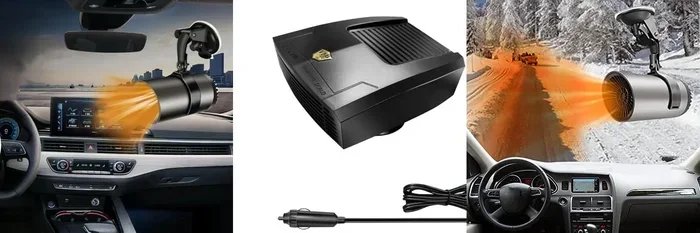
Method 5: Use a Hairdryer or Portable Fan
If you are parked and have access to a power source, a hairdryer can work wonders. Point it at the fogged windshield and use a medium heat setting. The warm, dry air rapidly evaporates the moisture on the glass surface.
This method is especially useful for clear visibility on cold mornings when you want to clear the windshield before starting your drive. A portable car fan works similarly and is a great backup tool to keep in your trunk.
Best Defogging Products and Tools
Beyond the built-in climate controls, several products can help you defogging a car windshield faster and prevent fog from returning. These tools are affordable and easy to use.
Anti-Fog Sprays
Anti-fog sprays create a thin, invisible coating on the glass surface that prevents water droplets from forming. You spray a small amount on the windshield, wipe it with a clean cloth, and the fog-resistant barrier lasts for days or even weeks.
Popular brands like Rain-X, Meguiar’s, and RaceGlaze offer high-quality anti-fog products. These sprays work on both the inside and outside of the glass. They are especially useful for drivers who face foggy conditions regularly.
Windshield Treatments
Hydrophobic windshield treatments do more than just repel water. They also reduce the surface tension that allows fog droplets to cling to the glass. A treated windshield sheds moisture much faster than an untreated one.
Apply a quality treatment at least once a month during fog-prone seasons. These products are easy to use and provide long-lasting protection against condensation on glass.
Moisture Absorbers
Small moisture-absorbing packets or hanging bags can be placed inside your car to reduce overall humidity. These products pull excess water vapor from the cabin air, which directly reduces the amount of fog that forms on the windshield.
You can find these at any auto parts store or online. They are especially helpful for cars that sit parked for long periods or in very humid climates.
Microfiber Cloths
A good microfiber cloth is the most basic and essential tool for defogging a car windshield. Unlike paper towels or regular rags, microfiber cloths do not leave lint or streaks. They absorb moisture efficiently and dry the glass quickly.
Keep at least two clean microfiber cloths in your car. One for the windshield and one for other glass surfaces. Replace them regularly to maintain their effectiveness.
Preventing Windshield Fog Before It Starts
Clearing fog is important, but preventing it is even better. With a few simple habits, you can reduce fog buildup significantly and spend less time dealing with a fogged windshield.
Keep the Interior Dry
Moisture is the enemy of clear glass. Keep your car interior as dry as possible. Shake out floor mats regularly. Remove wet shoes before entering the car. Use a small towel to dry off any wet clothing or gear before you sit down.
If you frequently transport damp items, consider placing them in a waterproof bag or container. Every bit of moisture you keep out of the cabin helps prevent windshield fog up situations.
Use the Recirculation Setting Wisely
Your car’s ventilation system has a recirculation mode that reuses the air inside the cabin. While this is great for cooling the car quickly, it can increase humidity over time. When you notice fog starting to form, switch to fresh air mode instead.
Fresh air mode brings in drier outside air, which helps balance the moisture levels inside the car. This simple change can prevent fog from forming in the first place.
Apply Anti-Fog Solutions Regularly
As mentioned earlier, anti-fog sprays and treatments create a protective barrier on the glass. Apply them regularly, especially before driving in humid or cold conditions. A thin, even coating makes a big difference in how quickly fog forms and how easy it is to clear.
Maintain Your Ventilation System
A well-functioning ventilation system is key to preventing fog. Make sure your car’s vents are clean and unblocked. Replace your cabin air filter regularly, as a clogged filter reduces airflow and can trap moisture inside the system.
If you notice weak airflow from your vents, have your ventilation system checked by a mechanic. Good airflow means better moisture control and fewer foggy windshield incidents.
Keep the Rear Windshield Clear Too
Fog does not only affect the front windshield. The rear window can fog up just as easily, especially in humid conditions. Your car’s rear defroster uses electrical heating elements embedded in the glass to clear fog and ice from the back window.
Make sure your rear defroster is working properly. If it is not clearing the rear glass effectively, have it inspected. Clear rear visibility is just as important as clear front visibility for safe driving.
Seasonal Tips for Defogging Your Windshield
Different seasons bring different fog challenges. Understanding how weather affects defogging a car windshield helps you prepare for each condition.
Winter Fog Defogging Tips
Winter mornings are the worst for windshield fog. The temperature difference between the warm cabin and the freezing glass creates heavy condensation. Here is what to do:
- Start the car and turn on the heat immediately.
- Engage the A/C along with the heat for faster moisture removal.
- Use the defrost setting with maximum fan speed.
- Keep a window cracked slightly while the system clears the fog.
- Never pour hot water on a frozen or fogged windshield, as sudden temperature changes can crack the glass.
In winter, your heater core plays a vital role in warming the cabin and drying the air. If your heater is not working properly, fog will be a constant problem. Have your heating system serviced before the cold season arrives.
Summer Fog Defogging Tips
Summer fog forms on the outside of the windshield when humid air meets the cold glass from your A/C. Here is how to handle it:
- Switch from A/C to fresh air mode when fog appears on the outside.
- Use the windshield wipers to clear external condensation quickly.
- Adjust the temperature slightly warmer to match the glass temperature.
- Apply a hydrophobic treatment to the outside of the windshield.
Summer driving safety depends on clear visibility, especially during rainy or humid days. Keeping your windshield clean and treated helps reduce both fog and water spotting.
Rainy Season Fog Tips
Rainy seasons bring high humidity and frequent temperature shifts. During these times, fog can appear multiple times during a single drive. Stay proactive by keeping anti-fog spray within reach and using the defrost setting at the first sign of fog.
Also, make sure your windshield wiper fluid is topped off. Clean glass surfaces resist fog better than dirty ones. A clean windshield provides a smoother surface that is less prone to condensation buildup.
When to Seek Professional Help
Most fogging issues can be solved with the methods described above. However, some situations indicate a deeper problem that needs professional attention.
Signs Your Defroster Needs Repair
- The defroster blows cold air even when the heater is on high.
- Fog does not clear after several minutes of using the defrost setting.
- You notice weak airflow from the dashboard vents.
- The rear defroster works only on certain sections of the glass.
- You hear unusual noises when the defroster is running.
These symptoms could point to a failing heater core, a broken blower motor, or a clogged ventilation system. A qualified mechanic can diagnose and repair these issues quickly.
When to Visit an Auto Shop
If you find yourself constantly fighting fog despite trying every method, it is time to see a professional. A thorough inspection of your car maintenance systems can reveal hidden problems. Sometimes a simple fix like replacing a cabin air filter or repairing a vent duct solves the entire fog issue.
Regular windshield repair and maintenance also help. Small chips or cracks in the glass can trap moisture and make fog worse. Addressing these issues promptly keeps your windshield in top condition and improves overall visibility.
Quick Tips for Everyday Fog Prevention
Here are some simple habits that make a big difference in keeping your windshield fog-free:
- Keep a microfiber cloth in the glove box. You never know when you will need a quick wipe.
- Store anti-fog spray in your car. A few sprays can prevent fog for hours.
- Dry your shoes before entering the car. Wet shoes are one of the biggest sources of interior moisture.
- Use the defroster for a few minutes after every trip. This clears any residual moisture before it has a chance to settle.
- Check your cabin air filter monthly. A clean filter improves airflow and reduces humidity inside the car.
- Avoid leaving wet items inside the car overnight. Towels, umbrellas, and gym bags all release moisture into the cabin.
Common Mistakes People Make When Dealing with Windshield Fog
Even experienced drivers make mistakes when dealing with fog. Here are some common errors to avoid:
- Using the recirculation setting too long: This traps humid air inside the cabin and makes fog worse.
- Ignoring the rear defroster: A fogged rear window limits your rear visibility and creates blind spots.
- Wiping fog with dirty cloths: This leaves streaks and residue that make the fog worse when it returns.
- Waiting too long to act: Fog builds up fast. Address it the moment you notice it forming.
- Driving with impaired visibility: Never continue driving if you cannot see clearly. Pull over safely and clear the windshield completely.
Avoiding these mistakes saves time and keeps you safer on the road. Prevention and quick action are the keys to clear visibility in any weather condition.
Final Thoughts
Defogging a car windshield is a simple yet essential skill for every driver. Whether you face fog in winter, summer, or during rainy seasons, the methods in this guide will help you clear your view quickly and safely. From using your A/C and defrost settings to applying anti-fog sprays and keeping your car interior dry, there are many ways to maintain clear visibility at all times.
Remember, your safety on the road depends on what you can see. A fogged windshield is not just an inconvenience. It is a real danger. Take the time to understand how fog forms, keep the right tools in your car, and act quickly when fog appears.
Make defogging a car windshield part of your regular driving routine. With the tips and strategies shared in this guide, you will spend less time fighting fog and more time enjoying a safe, clear drive. Stay prepared, stay safe, and keep your windshield crystal clear no matter what the weather brings.
Frequently Asked Questions
What is the fastest way to defog a car windshield?
The fastest way is to turn on the air conditioning, set the temperature to hot, direct the airflow at the windshield, and use the defrost setting at maximum fan speed. This combination removes moisture from the air and clears fog in under two minutes.
Why does my windshield fog up so quickly in winter?
In winter, the temperature difference between the warm, moist air inside your car and the cold windshield glass is very large. This causes condensation to form rapidly on the glass surface. Your breath, wet clothing, and high indoor humidity all contribute to this problem.
Can I use a homemade solution to prevent windshield fog?
Yes. A simple mixture of vinegar and water sprayed on the windshield and wiped with a clean cloth can create a temporary anti-fog barrier. Some drivers also use shaving cream applied lightly to the glass and wiped off for a similar effect.
Is it safe to drive with a slightly fogged windshield?
No. Even partial fog reduces your visibility and increases the risk of accidents. If your windshield starts to fog while driving, pull over safely and clear it completely before continuing. Driving safety should always come first.
How often should I apply anti-fog spray to my windshield?
Most anti-fog sprays last for several days to a few weeks depending on the product and weather conditions. Reapply when you notice fog forming more quickly than usual, or before trips in humid or cold conditions.
What should I do if my defroster is not working properly?
If your defroster is not clearing fog effectively, check your cabin air filter first, as a clogged filter reduces airflow. If the filter is clean, have a mechanic inspect your heater core, blower motor, and ventilation system for potential issues that need repair.
=== CONCLUSION ===
Defogging a car windshield does not have to be a frustrating part of driving. With the right knowledge and tools, you can clear fog fast and prevent it from forming in the first place. The methods covered in this article give you practical, actionable steps for every season and every weather condition.
Keep anti-fog spray, a clean microfiber cloth, and a functioning defroster in your car at all times. Pay attention to the humidity levels inside your cabin and take quick action at the first sign of fog. These small habits add up to safer, more enjoyable drives every single day.
Now that you know exactly how to defogging a car windshield like a pro, you are ready to face any weather with confidence. Stay clear, stay safe, and enjoy the road ahead.