Car Wont Start Then Starts Later Heres Why It Happens
A car that wont start then starts later is one of the most frustrating problems drivers face. This intermittent issue can point to a weak battery, faulty starter motor, fuel pump trouble, or even a bad ignition switch. Understanding the root cause helps you fix it faster and avoid costly repairs. This guide walks you through every common reason and gives you practical steps to diagnose and solve the problem yourself.
You turn the key or push the start button. Nothing happens. You wait a few minutes. Then, suddenly, the engine cranks right up like nothing ever happened. If this has happened to you, you are not alone. The problem of a car wont start then starts later is one of the most common complaints mechanics hear every single day.
This intermittent issue can be confusing. One minute your vehicle works fine. The next minute it refuses to cooperate. The good news is that there are clear reasons behind this behavior. And once you understand what is going on, you can take the right steps to fix it. Let us break down every possible cause and walk you through the solutions.
Key Takeaways
- Weak or aging battery: A dying battery often causes delayed starting, especially in cold weather.
- Starter motor wear: Worn starter components can fail intermittently before fully dying.
- Fuel pump issues: A failing fuel pump may not deliver enough pressure to start the engine right away.
- Ignition switch problems: A faulty ignition switch can cut power momentarily, causing a no-start condition.
- Corroded battery terminals: Dirty or loose connections interrupt the electrical flow needed to crank the engine.
- Heat-related failures: Some components fail when hot and work again once they cool down.
- Know when to call a pro: Persistent intermittent starting problems need professional diagnosis.
📑 Table of Contents
- Why Your Car Wont Start Then Starts Later
- Electrical Issues Behind Intermittent Starting
- Fuel System Problems Behind Delayed Starting
- Weather and Temperature Related Starting Issues
- When to See a Mechanic
- Prevention Tips to Avoid Starting Problems
- Comparison Table: Common Causes and Their Symptoms
- Final Thoughts
Why Your Car Wont Start Then Starts Later
The phrase car wont start then starts later covers a wide range of possible problems. Some are simple and cheap to fix. Others need professional attention. The key is understanding what your car is telling you. When an engine refuses to crank at first but works after a short wait, something in the electrical, fuel, or mechanical system is failing under specific conditions.
Here are the most common reasons this happens. Read through each one carefully. You might find the answer right away.
1. A Weak or Failing Battery
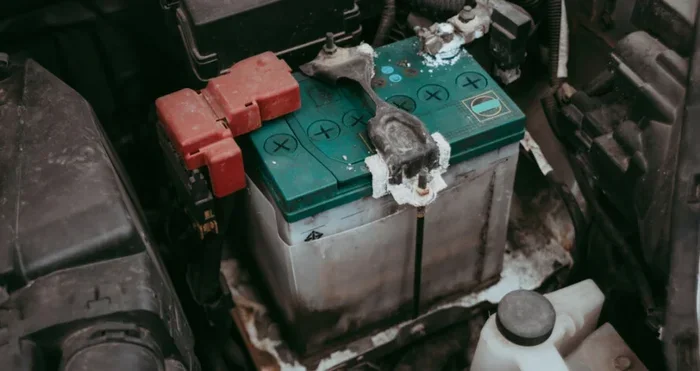
The battery is the most common culprit behind a car wont start then starts later problem. Your battery provides the electrical power needed to turn the engine over. When the battery is low or aging, it may not have enough juice to crank the engine right away. But after sitting for a few minutes, the battery can recover just enough charge to start the car.
Watch for these signs of a weak battery:
- The engine cranks slowly or sluggishly at first
- Dashboard lights dim when you turn the key
- The battery is more than three to five years old
- You have left lights or accessories on overnight
- The car starts fine after a jump but dies again soon
A battery tester is a cheap and handy tool. It tells you the voltage and health of your battery in seconds. Most auto parts stores will test your battery for free. If the voltage reads below 12.4 volts when the engine is off, your battery may be on its way out.
Quick Tip: Clean your battery terminals regularly. Corrosion on the terminals can block electrical current and mimic a dead battery. Use a wire brush and a baking soda solution to scrub away the white, powdery buildup.
2. Faulty Starter Motor
The starter motor is the electric motor that cranks your engine. When you turn the key, the starter engages and spins the engine until it fires up. Over time, the internal components of the starter wear out. A worn starter may work sometimes and fail at other times. This is why a car wont start then starts later is often linked to starter problems.
Common signs of a failing starter include:
- A single click or rapid clicking when you turn the key
- No sound at all when you try to start the car
- The starter works after waiting a few minutes
- Grinding noises when cranking the engine
Heat plays a big role in starter failure. When the starter gets hot, internal windings can short out temporarily. Once the starter cools down, it works again. This is called heat soak, and it is a classic sign of a dying starter motor.
Expert Insight: Mechanics often tell customers that a starter that works after sitting for 10 to 20 minutes is almost certainly failing. Do not ignore this pattern. Replacing a starter early saves you from being stranded later.
3. Bad Ignition Switch
The ignition switch is the part you activate when you turn your key or push the start button. It sends power from the battery to the starter and ignition system. When the ignition switch goes bad, it can interrupt that power flow intermittently.
Signs of a faulty ignition switch include:
- The car sometimes does not respond when you turn the key
- The dashboard lights flicker or go blank momentarily
- The key feels loose or wobbly in the ignition
- The engine stalls shortly after starting
A bad ignition switch is one of the sneaky causes of a car wont start then starts later situation. Because the switch works sometimes and fails other times, it can be hard to diagnose without a professional inspection.
4. Fuel Pump Problems
Your fuel pump moves gasoline from the tank to the engine. When you turn the key to the ON position (before cranking), the fuel pump should run for a few seconds to pressurize the system. If the fuel pump is failing, it may not build enough pressure to start the engine immediately.
Here is what happens with a weak fuel pump:
- You turn the key. The engine cranks but does not fire.
- You wait a few minutes.
- The fuel pump re-pressurizes the system.
- The engine starts normally.
This delay is a telltale sign of fuel pump trouble. Other symptoms include:
- Hesitation or surging when accelerating
- Loss of power when driving uphill or under load
- A whining noise coming from the rear of the car (near the fuel tank)
Common Mistake: Many drivers assume a no-start problem is always electrical. But fuel issues cause just as many starting problems. Always check the fuel system when diagnosing a car wont start then starts later issue.
5. Corroded or Loose Battery Connections
Sometimes the problem is not the battery itself but the connection between the battery and the rest of the car. Corroded or loose battery terminals can interrupt the flow of electricity. This causes the starter to receive inconsistent power, leading to intermittent starting failures.
Corrosion looks like a white or bluish powdery substance on the battery posts and cable ends. It forms naturally over time, especially in humid or salty conditions.
How to fix loose or corroded connections:
- Turn off the engine and remove the key.
- Disconnect the negative (black) cable first, then the positive (red) cable.
- Use a wire brush or battery terminal cleaner to remove corrosion.
- Reconnect the positive cable first, then the negative.
- Tighten the connections firmly.
This simple fix solves a surprising number of intermittent starting problems. It costs nothing and takes only a few minutes.
6. Faulty Relay or Fuse
Relays and fuses control the flow of electricity throughout your car. A failing starter relay or a blown fuse can cause the car wont start then starts later problem. Relays are electromagnetic switches that send power to the starter motor. When a relay wears out, it may stick or fail to close the circuit properly.
A relay that works when cool but fails when hot is a common cause of intermittent no-start conditions. The same goes for fuses that have tiny cracks in the filament. They may work most of the time but break under vibration or heat.
Quick Tip: Check your fuse box if your car has a starting problem. Look for a blown fuse in the starter or ignition circuit. Replacing a fuse is one of the cheapest repairs you can do.
Electrical Issues Behind Intermittent Starting
Electrical gremlins are the hardest starting problems to pin down. The system involves many components working together. If one part fails even slightly, the whole starting process can break down.
Parasitic Draw
A parasitic draw happens when something in your car continues to drain the battery after the engine is off. This slowly drains the battery over days or weeks. When the battery is very low, the car may not start immediately. But after sitting for a while, the battery recovers enough to crank the engine.
Common causes of parasitic draw include:
- Interior lights left on
- Aftermarket electronics like dash cams or phone chargers
- A faulty door switch that keeps the interior light on
- Wiring issues in the fuse box
Mechanics use a multimeter to measure parasitic draw. A healthy car should draw less than 50 milliamps. Anything above that means something is draining your battery when it should not be.
Neutral Safety Switch
The neutral safety switch prevents the car from starting when it is in gear. If this switch goes bad, your car may not start when it is in Park but will start in Neutral, or vice versa. This is a less common cause of a car wont start then starts later problem, but it does happen.
If your car sometimes starts and sometimes does not depending on where you have the gear shift, the neutral safety switch is a good place to look.
Engine Immobilizer Issues
Modern cars have an engine immobilizer system that prevents theft. The system uses a chip in your key fob or key to verify your identity. If the immobilizer does not recognize the key, the car will not start.
Sometimes the key fob battery dies or the antenna ring around the ignition fails to read the chip properly. This can cause a car wont start then starts later situation, especially if the key fob battery is very low.
Quick Tip: Try replacing the battery in your key fob. It is a CR2032 coin cell battery and costs just a few dollars. This simple step solves many immobilizer-related starting problems.
Fuel System Problems Behind Delayed Starting
The fuel system delivers gasoline to the engine under precise pressure. Any disruption in this system can delay or prevent starting.
Fuel Pressure Regulator
The fuel pressure regulator maintains consistent fuel pressure in the system. When it fails, fuel pressure can drop when the engine is off. This means the fuel pump has to work harder to rebuild pressure before the engine can start.
A failing fuel pressure regulator may also cause:
- Black smoke from the exhaust
- Reduced fuel economy
- A strong fuel smell near the engine
Clogged Fuel Filter
The fuel filter keeps debris and contaminants out of the fuel injectors. Over time, it can become clogged. A clogged filter restricts fuel flow and can cause a car wont start then starts later problem, especially when the engine is hot.
Most fuel filters should be replaced every 30,000 to 60,000 miles. Check your owner’s manual for the recommended service interval.
Vapor Lock (Older Vehicles)
Vapor lock is a problem most common in older cars with carburetors. It happens when fuel in the lines turns to vapor due to heat. The fuel pump cannot pump vapor, so the engine cannot start until the vapor clears.
Modern fuel-injected cars rarely experience vapor lock. But if you drive an older vehicle, this is worth considering.
Weather and Temperature Related Starting Issues
Weather plays a bigger role in starting problems than most people realize. Both extreme cold and extreme heat can cause a car wont start then starts later situation.
Cold Weather Starting Problems
Cold temperatures thicken engine oil and reduce battery performance. A battery that works fine in summer may struggle in winter. The oil becomes thicker, and the starter has to work harder to turn the engine.
Tips for cold weather starting:
- Keep your battery fully charged
- Use a battery blanket or heater in extremely cold climates
- Switch to a lower-viscosity oil for winter driving
- Park your car in a garage when possible
Heat-Related Starting Failures
Extreme heat can be just as problematic. As we discussed earlier, heat soak can cause the starter and fuel pump to fail temporarily. When the engine is hot and you turn it off, the components cool down unevenly. This can lead to a no-start condition that resolves after a few minutes.
Expert Insight: Heat-related starting problems are often misdiagnosed. Many drivers replace the battery or starter when the real issue is heat soak in the fuel system. Always consider temperature as a factor when diagnosing intermittent starting issues.
When to See a Mechanic
Some starting problems are easy to fix at home. A corroded terminal, a weak battery, or a blown fuse are things any driver can handle. But other causes of a car wont start then starts later situation need professional tools and expertise.
See a mechanic if you experience any of the following:
- The problem happens frequently and is getting worse
- You have replaced the battery and the issue persists
- The check engine light is on along with the starting problem
- You hear unusual noises when trying to start the car
- The car starts sometimes and not others with no clear pattern
A mechanic can perform a diagnostic scan to read error codes from your car’s computer. These codes can point directly to the problem. They can also test the fuel pump pressure, check the starter draw, and inspect the ignition system thoroughly.
Common Mistake: Do not keep replacing parts hoping to fix the problem. This wastes money and time. Get a proper diagnosis first. A good mechanic will identify the root cause and give you a clear estimate before doing any work.
Prevention Tips to Avoid Starting Problems
The best way to deal with a car wont start then starts later problem is to prevent it from happening in the first place. Here are some simple habits that keep your car starting reliably:
- Replace your battery every 3 to 5 years. Do not wait for it to die completely. Proactive replacement saves you from unexpected no-start situations.
- Check your battery terminals every few months. Clean off any corrosion and make sure the connections are tight.
- Keep your fuel tank at least a quarter full. This keeps the fuel pump cool and prevents it from overheating.
- Replace your fuel filter on schedule. A clean fuel filter ensures consistent fuel flow to the engine.
- Listen for warning signs. A slow crank, clicking sound, or dashboard warning light should never be ignored.
- Have your car inspected regularly. A routine maintenance check can catch small problems before they become big ones.
These simple steps add up. They keep your car reliable and save you from the stress of unexpected starting problems.
Comparison Table: Common Causes and Their Symptoms
| Cause | Key Symptom | Waiting Period | Repair Cost Range |
|---|---|---|---|
| Weak Battery | Slow cranking, dim lights | 5 to 15 minutes | $50 to $200 |
| Failing Starter Motor | Clicking or no sound | 10 to 30 minutes | $200 to $500 |
| Bad Ignition Switch | Intermittent power loss | 5 to 20 minutes | $100 to $300 |
| Weak Fuel Pump | Cranking but no start | 5 to 10 minutes | $200 to $800 |
| Corroded Battery Terminals | No response or slow crank | Immediate after cleaning | $0 to $20 |
| Faulty Relay or Fuse | No crank at all | Varies | $5 to $50 |
| Neutral Safety Switch | Starts in one gear only | Immediate after shifting | $100 to $250 |
This table gives you a quick reference guide. Use it alongside the detailed sections above to narrow down the possible cause of your car wont start then starts later problem.
Final Thoughts
A car wont start then starts later problem is almost always a sign that something is wearing out or failing. The good news is that most causes are well understood and can be fixed. Whether it is a simple battery terminal cleaning or a more complex fuel pump replacement, the sooner you address the issue, the better.
Do not ignore intermittent starting problems. They tend to get worse over time. What starts as a minor inconvenience can quickly become a car that will not start at all. Use the information in this guide to diagnose the problem early and take action.
Stay proactive with your car maintenance. Keep your battery healthy, your connections clean, and your fuel system in good shape. These habits go a long way toward making sure your car starts every single time you turn the key.
If you are ever in doubt, trust a professional mechanic. They have the tools, training, and experience to find the root cause quickly. And remember, the information in this article is meant to help you understand the problem better. It is not a replacement for professional diagnosis when the situation calls for it.
Frequently Asked Questions
Why does my car not start but then starts after a few minutes?
This usually happens because a component is failing under heat or stress and recovering once it cools down. The most common causes are a weak battery, a failing starter motor, or a weak fuel pump. The brief wait allows the component to regain enough function to start the engine.
Can a bad ignition switch cause a car to start intermittently?
Yes. A faulty ignition switch can send inconsistent power to the starter and ignition system. This leads to intermittent starting failures where the car sometimes starts and sometimes does not. If the problem seems random or tied to the position of the key, the ignition switch is a likely cause.
How do I know if my fuel pump is causing the starting delay?
A weak fuel pump often causes a delay of a few seconds to a few minutes before the engine starts. You may also hear a faint whine from the rear of the car, or notice a loss of power under heavy acceleration. A fuel pressure gauge test at a repair shop can confirm the diagnosis.
Is a corroded battery terminal a serious problem?
Corrosion is common and usually not serious if caught early. It restricts electrical flow and can mimic a dead battery. Cleaning the terminals with a wire brush and baking soda solution often solves the problem immediately. However, recurring corrosion may indicate a more serious charging system issue.
Should I replace my battery if my car starts after waiting?
Not necessarily, but you should get the battery tested. A battery that works after waiting may be on its way out. It has enough charge sometimes but not enough to start the engine immediately. Testing will tell you if the battery is holding a proper charge or needs replacement soon.
Can cold weather cause a car not to start and then start later?
Absolutely. Cold weather thickens engine oil and reduces battery output significantly. A battery that is marginal in summer may fail to start the car in cold temperatures. The engine may start after warming up for a few minutes or after the oil thins out enough for the starter to turn it over.
=== CONCLUSION ===
A car wont start then starts later is a frustrating but very fixable problem. The causes range from simple maintenance issues like corroded battery terminals to more complex repairs like a failing fuel pump or starter motor. By understanding the common reasons behind this intermittent behavior, you can take the right steps to diagnose and solve the problem.
Start with the simple checks. Clean your battery terminals. Test your battery voltage. Listen for unusual sounds when you turn the key. If the problem persists or gets worse, do not hesitate to visit a trusted mechanic. Early diagnosis saves money and keeps you safe on the road.
Use the tips and information in this guide to stay ahead of starting problems. Your car depends on you to keep it maintained. And you depend on your car to start every time you need it. Take action today, and you will avoid the stress of an unreliable start tomorrow.