Automatic Car Wash System In India Complete Setup Guide
An automatic car wash system in India offers a profitable business opportunity with growing demand across cities and towns. This complete setup guide covers everything from equipment selection and costs to daily operations and profitability. You will learn how to start, run, and scale a successful car wash business with practical steps and expert tips.
The Indian automotive market is booming. Millions of new cars hit the road every year, and owners want their vehicles clean and shiny. This growing demand has made the automatic car wash system in India one of the most attractive small business opportunities in the automotive sector.
If you have been thinking about entering the car wash industry, now is a great time. The market is expanding fast, and the right setup can bring solid returns. But where do you start? What equipment do you need? How much will it cost? This guide answers all those questions and more.
We will walk you through every step of setting up an automatic car wash system in India. From understanding the different types of systems to managing daily operations, you will find practical advice you can use right away. Let us dive in.
Key Takeaways
- Growing Market: India’s car ownership boom drives strong demand for automatic car wash services in both urban and semi-urban areas.
- Multiple System Types: Touchless, tunnel, conveyor, and self-service options give you flexibility based on your budget and location.
- Setup Costs Vary: Initial investment ranges from ₹10 lakh to ₹50 lakh+ depending on the system type and facility size.
- Water Recycling Is Key: Installing a water recycling system cuts operational costs and helps you comply with environmental regulations.
- Location Matters: A strategic location near highways, malls, or petrol stations dramatically boosts footfall and revenue.
- Automation Reduces Labor: Modern systems need fewer operators, lowering payroll costs and improving consistency.
- Start Small, Scale Later: Beginning with a basic setup lets you test the market before investing in larger, more advanced equipment.
📑 Table of Contents
- What Is an Automatic Car Wash System?
- Types of Automatic Car Wash Systems Available in India
- Complete Setup Process for an Automatic Car Wash
- Cost and Investment Breakdown
- Tips for Running a Successful Automatic Car Wash
- Common Mistakes to Avoid When Setting Up a Car Wash
- Expert Insights on the Automatic Car Wash Industry in India
- Conclusion
What Is an Automatic Car Wash System?
An automatic car wash system is a machine-driven setup that cleans vehicles with minimal human effort. Instead of hand washing, which takes time and labor, these systems use water jets, brushes, foam, and high-pressure sprays to clean cars quickly and thoroughly.
The automatic car wash system in India has evolved a lot over the past decade. Early models were basic, but today’s systems come with smart controls, water recycling, and even mobile app integration. You can find options that suit small neighborhoods and large commercial complexes alike.
Most automatic systems fall into a few clear categories. Touchless systems use high-pressure water and chemicals without any physical contact. Tunnel systems move the car along a conveyor through cleaning stations. Self-service bays let customers operate the equipment themselves. Each type has its own benefits and cost profile.
Understanding these basics helps you choose the right system for your business goals. A clear picture of what is available makes the next steps much easier.
Types of Automatic Car Wash Systems Available in India
Choosing the right type of system is one of the most important decisions you will make. Your choice affects everything from setup cost to daily throughput. Let us look at the most popular options for the Indian market.
Touchless Automatic Car Wash
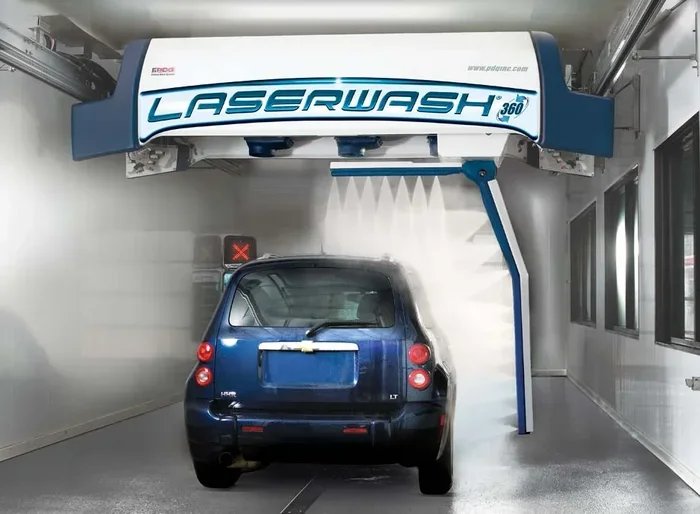
A touchless system relies on high-pressure water jets, chemicals, and air blowers. There are no brushes or physical contact with the vehicle. This makes it ideal for luxury cars and vehicles with delicate paintwork.
Many automatic car wash system in India operators prefer touchless setups because they reduce the risk of scratches. The cleaning is fast, usually taking about three to five minutes per vehicle. However, touchless systems use more water and detergent compared to brush-based systems.
Tunnel Car Wash System
A tunnel car wash moves vehicles along a conveyor track through a series of cleaning stations. Each station performs a specific task, such as pre-soaking, foaming, brushing, rinsing, and drying.
Tunnel systems are known for high throughput. A well-run tunnel can wash 20 to 40 cars per hour. This makes them popular at petrol stations, malls, and highway rest stops. The automatic car wash system in India market has seen a rise in tunnel installations near urban expressways.
Self-Service Car Wash Bays
Self-service bays give customers control. Users insert coins or use a mobile app to activate hoses, foam guns, and brushes. These bays require less space and lower upfront investment than full tunnel systems.
They work well in residential areas and smaller towns. A row of four to six self-service bays can generate steady income with relatively low staffing needs. Many entrepreneurs start with self-service bays as a low-risk entry point into the car wash business.
Roller Brush Automatic Wash
Roller brush systems use rotating brushes to physically clean the car’s surface. These systems provide a thorough clean and use less water than touchless models. The brushes are gentle on most vehicle finishes when properly maintained.
Roller systems are a common choice for car wash franchise models in India. They offer a balance between cleaning quality, water usage, and operational cost.
Complete Setup Process for an Automatic Car Wash
Setting up an automatic car wash requires careful planning. Skipping steps can lead to costly delays or operational problems. Here is a clear roadmap to follow.
Step 1: Market Research and Location Selection
Start by studying your local market. How many cars pass through your chosen area daily? Are there existing car wash businesses nearby? What is the average income level of car owners in the vicinity?
Location is everything in the car wash business. Ideal spots include:
- Near petrol pumps and fuel stations
- Adjacent to shopping malls and multiplexes
- Along highways and major arterial roads
- Near residential colonies with high car density
- Close to commercial office complexes
Visit potential locations at different times of the day. Observe traffic patterns and customer behavior. A great location can make or break your automatic car wash system in India business.
Step 2: Choose Your System Type
Based on your budget and location, select the system type that fits best. Consider these factors:
- Available space for the setup
- Expected daily car volume
- Your initial investment capacity
- Water and electricity availability
- Target customer segment (luxury, budget, family)
Talk to suppliers and get detailed quotes. Compare equipment quality, warranty terms, and after-sales service. Do not rush this decision because your system choice directly impacts your daily operations.
Step 3: Secure Permits and Licenses
Operating a car wash in India requires several legal clearances. The exact requirements vary by state and municipality. Common licenses include:
- Trade license from the local municipal corporation
- Environmental clearance for water usage and discharge
- Fire safety certificate
- GST registration
- Building and structural approvals
Contact your local district administration office early in the process. Getting permits in order before construction saves time and avoids legal complications later.
Step 4: Construction and Facility Setup
Your facility needs a proper floor plan. The wash bay should be level and well-drained. Concrete flooring with a slight slope toward drainage channels works best.
Key construction considerations include:
- Adequate drainage and water supply lines
- Electrical wiring for machines and lighting
- Proper ventilation for the drying area
- Waiting area and customer service counter
- Restroom facilities for staff
Hire experienced contractors who understand the unique requirements of a car wash facility. A well-built setup lasts longer and reduces maintenance headaches.
Step 5: Install Equipment and Test Operations
Once the facility is ready, install your chosen equipment. Most suppliers offer installation support and staff training. Make sure every machine is tested thoroughly before opening day.
Run test washes using different vehicle types. Check water pressure, chemical dosing, brush alignment, and drying performance. Fix any issues before you start serving real customers. A smooth launch builds trust and positive word-of-mouth.
Cost and Investment Breakdown
Understanding the cost structure is critical before you invest. The total setup cost for an automatic car wash system in India varies widely based on the system type and location.
Estimated Cost Ranges
Here is a general breakdown of what you can expect:
- Self-Service Bays (4-6 bays): ₹10 lakh to ₹25 lakh
- Touchless System (Single Bay): ₹15 lakh to ₹35 lakh
- Tunnel Car Wash System: ₹30 lakh to ₹1 crore
- Full-Featured Conveyor Wash: ₹50 lakh to ₹2 crore
These estimates include equipment, basic construction, plumbing, electrical work, and initial signage. They do not include land acquisition costs, which vary significantly by location.
Ongoing Operational Costs
Beyond setup, you will have recurring expenses to manage:
- Water and electricity bills
- Chemicals, detergents, and foaming agents
- Staff salaries and wages
- Equipment maintenance and spare parts
- Marketing and promotional activities
- Insurance premiums
A well-managed car wash business typically breaks even within 12 to 24 months. The exact timeline depends on your location, pricing, and daily volume. Keeping operational costs under control is the key to faster profitability.
Tips for Running a Successful Automatic Car Wash
Setting up the system is only half the battle. Running it successfully requires attention to daily operations, customer experience, and smart business decisions.
Invest in Water Recycling
Water is a precious resource, and regulations around usage are getting stricter. A water recycling system collects, filters, and reuses wash water. This cuts your water bill significantly and helps the environment.
Many modern automatic car wash system in India setups include built-in recycling units. The upfront cost is higher, but the savings pay for the system within one to two years.
Focus on Customer Experience
Clean cars are not enough anymore. Customers expect a smooth, hassle-free experience. Here are some practical tips:
- Keep waiting areas clean and comfortable
- Offer transparent pricing with no hidden charges
- Provide real-time updates through SMS or WhatsApp
- Train staff to be polite and responsive
- Collect feedback and act on it quickly
Happy customers return and bring friends. Word-of-mouth referrals are the most powerful marketing tool in the local car wash business.
Use Technology to Streamline Operations
Modern car wash software helps you manage bookings, payments, inventory, and customer data. Many cloud-based solutions work on smartphones and tablets, making them easy to use.
Automation features like digital queue management and automated billing reduce wait times and errors. Some systems even let customers book wash slots through a mobile app. Embracing technology gives you an edge over competitors who still rely on manual processes.
Market Your Business Effectively
A great car wash needs good marketing to attract customers. Start with a strong online presence:
- Create a Google My Business listing
- Build a simple website with your services and pricing
- Get listed on local directories and map services
- Use social media to share before-and-after photos
- Offer launch discounts and referral rewards
Partner with nearby businesses like petrol stations, car dealerships, and apartment complexes. Cross-promotions can bring in steady foot traffic without heavy advertising spend.
Maintain Your Equipment Regularly
Your equipment is the backbone of your automatic car wash system in India business. Neglecting maintenance leads to breakdowns, inconsistent cleaning quality, and costly repairs.
Follow the manufacturer’s maintenance schedule strictly. Keep spare parts in stock for critical components like pumps, nozzles, and brushes. Train at least one staff member to handle basic troubleshooting. Preventive maintenance always costs less than emergency repairs.
Common Mistakes to Avoid When Setting Up a Car Wash
Many new entrepreneurs make avoidable mistakes that hurt their business early on. Learning from others’ errors saves you time and money.
Underestimating Setup Costs
The biggest mistake is budgeting too low. Hidden costs like plumbing modifications, electrical upgrades, and permit fees can add up quickly. Always add a 15 to 20 percent buffer to your estimated budget.
Choosing the Wrong Location
A cheap rent does not mean a good location. If customers cannot find you or access the facility easily, you will struggle. Prioritize visibility, road access, and parking availability over low rent.
Skipping Water Treatment
Some operators skip water recycling to save on initial costs. This is a short-saving, long-term loss. Rising water costs and stricter environmental norms make recycling a necessity, not a luxury.
Ignoring Staff Training
Even with an automatic system, your staff plays a vital role. Untrained employees can damage equipment, provide poor customer service, and create safety hazards. Invest time in proper training before launch day.
Not Planning for Growth
Start with a system that allows room to expand. A rigid setup limits your ability to add bays, upgrade equipment, or introduce new services like interior cleaning or detailing.
Expert Insights on the Automatic Car Wash Industry in India
The automatic car wash system in India industry is at an exciting inflection point. Industry experts point to several trends shaping the future of this sector.
First, urbanization is accelerating car ownership across tier-2 and tier-3 cities. This means the demand for professional car wash services is spreading beyond metros. Entrepreneurs who set up operations in emerging markets now have a first-mover advantage.
Second, eco-consciousness is driving demand for water-efficient and chemical-free wash systems. Systems that use less water and biodegradable chemicals appeal to environmentally aware customers and align with government sustainability goals.
Third, automation and digitalization are reshaping the industry. Touchless systems, AI-powered quality checks, and app-based booking are becoming standard features. Businesses that adopt these technologies early will attract tech-savvy customers and operate more efficiently.
Finally, the car wash franchise model continues to gain popularity. For first-time entrepreneurs, joining an established brand reduces risk and provides proven systems, training, and marketing support. However, carefully review franchise terms and ongoing royalty costs before committing.
The key takeaway is clear. The Indian car wash market offers real opportunity for those who plan well, invest wisely, and focus on quality service.
Conclusion
The automatic car wash system in India presents a compelling business opportunity for entrepreneurs who are willing to put in the effort. From understanding the different system types to managing costs and delivering excellent customer service, this guide has covered the essentials you need to get started.
Remember that success in the car wash business comes down to three things. Choose the right location. Invest in quality equipment. And never stop focusing on the customer experience. These principles apply whether you are opening a single self-service bay or a full tunnel wash facility.
The Indian automotive market is only going to grow. Car owners will always need their vehicles cleaned, and automated systems deliver the speed and consistency that modern customers expect. Take the leap, plan carefully, and build a car wash business that stands the test of time.
Start with a solid plan, execute it well, and watch your automatic car wash system in India business grow. The road ahead is bright for those who are prepared.
Frequently Asked Questions
How much does it cost to set up an automatic car wash system in India?
Setup costs range from ₹10 lakh for basic self-service bays to ₹2 crore for full tunnel systems. Your exact cost depends on the system type, location, facility construction, and equipment brand. Always budget for permits, plumbing, electrical work, and a contingency fund.
Which type of automatic car wash is most profitable in India?
Tunnel car wash systems and touchless automatic washes tend to be the most profitable due to high throughput and lower labor costs. However, profitability also depends on your location, daily volume, and pricing strategy. Self-service bays offer lower risk for first-time entrepreneurs.
Do I need special licenses to open a car wash business in India?
Yes, you need a trade license from the local municipal corporation, environmental clearance for water usage, fire safety certification, GST registration, and building approvals. Requirements vary by state, so check with your local municipal office before starting construction.
How much water does an automatic car wash system use per vehicle?
Modern automatic car wash systems use between 30 to 60 liters of water per vehicle. Systems with water recycling can reduce fresh water consumption by up to 70 percent. This makes them both cost-effective and environmentally friendly.
Can I start a car wash business with no prior experience?
Yes, many successful car wash owners started without industry experience. The key is to learn the basics through research, choose the right system, and work with experienced equipment suppliers. Many franchise models also provide comprehensive training and ongoing support for beginners.
How long does it take to set up an automatic car wash in India?
A typical setup takes three to six months from land acquisition to opening day. The timeline includes market research, securing permits, construction, equipment installation, staff hiring, and pre-launch marketing. Simple self-service setups can be ready in as little as eight to ten weeks.