Essential Automatic Car Driving Tips for Beginners
Driving an automatic car is simpler than a manual, but you still need the right automatic car driving tips to stay safe and confident. This guide covers everything from basic controls to advanced highway driving techniques. Whether you are a brand-new driver or switching from a manual transmission, these tips will help you drive smoother and use less fuel.
Driving an automatic car feels easier than a manual, but there is still a lot to learn. Whether you just got your license or you are switching from a stick shift, automatic car driving tips will make a big difference. These tips help you stay safe, save fuel, and feel confident behind the wheel.
The good news is that automatic cars do most of the hard work for you. There is no clutch to manage and no gear stick to wrestle with. But that does not mean you can just sit back and relax. Bad habits can still creep in, and they can cost you money or even put you at risk. This guide walks you through everything you need to know, from the very first start to advanced highway driving.
We kept the language simple and the advice practical. You will find real-world examples, quick tips, and common mistakes to avoid. By the end, you will have a clear roadmap to becoming a smooth and confident automatic driver. Let us get started.
Key Takeaways
- Start with the basics: Learn the pedals, gear selector, and dashboard indicators before you drive.
- Use the right foot technique: Always keep your right foot on the brake or accelerator, never both at once.
- Smooth braking and acceleration: Gentle inputs make for a comfortable ride and better fuel efficiency.
- Practice parking: Master parallel parking, reverse parking, and hill parking in safe areas first.
- Maintain your car: Regular checks of transmission fluid and brake pads keep your automatic car running well.
- Avoid common mistakes: Do not coast downhill in neutral or forget to use the parking brake.
- Build confidence gradually: Start in quiet areas and slowly progress to busy roads and highways.
📑 Table of Contents
- Understanding Your Automatic Car Before You Drive
- Starting and Stopping Smoothly
- Driving in Different Conditions
- Parking Like a Pro
- Fuel Efficiency and Car Maintenance
- Common Mistakes Beginners Make and How to Avoid Them
- Building Confidence as a Beginner Driver
- Expert Insights on Automatic Car Driving
- Final Thoughts
Understanding Your Automatic Car Before You Drive
Before you turn the key, take a moment to get to know your car. Every automatic car has a few key parts that you need to understand. Knowing them ahead of time makes the actual driving much less stressful.
The Pedals: What They Do
An automatic car has two pedals on the floor. The left pedal is the brake. The right pedal is the accelerator. That is it. There is no clutch pedal like in a manual car.
Here is a simple rule to remember: always use your right foot for both the brake and the accelerator. Some new drivers try to use both feet, but this can lead to accidental pressing of both pedals at the same time. Keep your heel on the floor and pivot your foot between the pedals. This is called the right foot technique, and it is one of the most important automatic car driving tips for beginners.
The Gear Selector
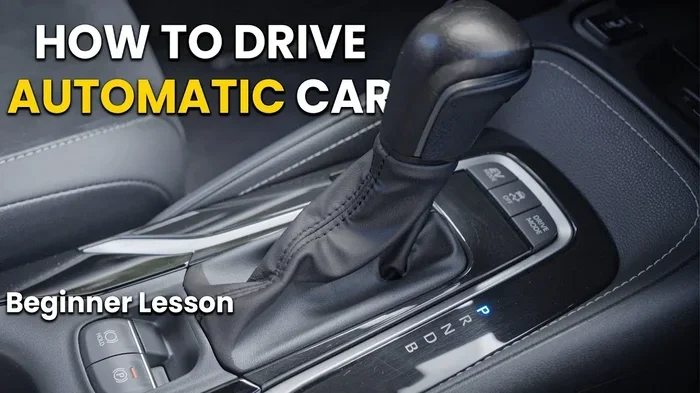
The gear selector, also called the shift lever, is usually located in the center console. It has several positions:
- P stands for Park. Use this when the car is stationary and you are not driving.
- R stands for Reverse. Use this to move backward.
- N stands for Neutral. Use this when you need to coast briefly, like at a long traffic light.
- D stands for Drive. This is the gear you use for normal forward driving.
- Some cars also have L (Low), S (Sport), or numbered gears (1, 2, 3) for manual-like control.
Always come to a complete stop before shifting from D to R or P. Shifting while the car is still moving can damage the automatic transmission over time.
Dashboard Indicators You Must Watch
Your dashboard tells you a lot about the car’s health. Keep an eye on these indicators:
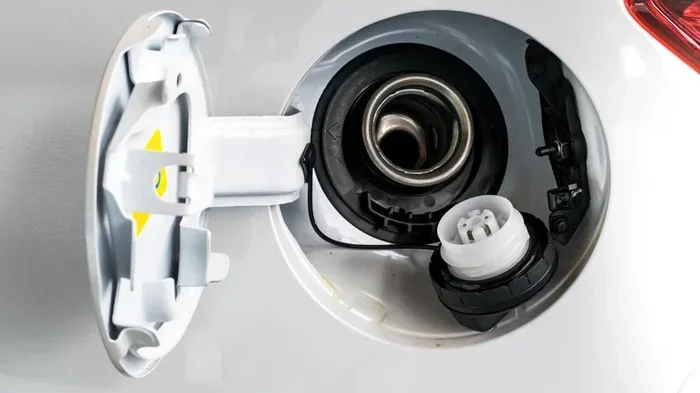
- Check Engine Light: This can signal many issues, from a loose gas cap to serious engine problems.
- Transmission Temperature Warning: If this lights up, pull over safely. Your transmission may be overheating.
- Fuel Gauge: Do not wait until the tank is almost empty. Keep it at least a quarter full.
- Seatbelt and Door Ajar Lights: These are safety reminders that should never be ignored.
Understanding these basics gives you a strong foundation. Now let us move on to actual driving techniques.
Starting and Stopping Smoothly
One of the first things you will notice about an automatic car is how it starts. There is no clutch to engage. But the way you start and stop your car affects your driving experience more than you might think.
How to Start the Car Correctly
Follow these steps every time you start your car:
- Press the brake pedal with your right foot.
- Make sure the gear selector is in P (Park).
- Press the start/stop button or turn the key.
- Wait for the engine to start and the dashboard lights to settle.
- Release the parking brake if your car has one.
- Check your mirrors and blind spots before moving.
This routine might feel slow at first, but it becomes second nature quickly. It also protects your automatic transmission from unnecessary wear.
Smooth Braking Techniques
Braking smoothly is an art that separates good drivers from great ones. Here are some automatic car driving tips for braking:
- Start braking early: Begin slowing down well before you need to stop. This gives you more control.
- Apply gentle pressure: Push the brake pedal gradually, not all at once.
- Feel the brake engagement: You will feel the car start to slow down. Adjust your pressure from there.
- Come to a complete stop: Always stop fully at red lights and stop signs before shifting gears.
Smooth braking does more than just keep your passengers comfortable. It also reduces wear on your brake pads and improves fuel efficiency. Over time, you will notice the difference.
Accelerating Without Jerking
When you press the accelerator, do it gradually. Slamming the gas pedal causes the car to lurch forward, which wastes fuel and can unsettle passengers. Instead, press down gently and increase pressure as the car picks up speed. This is a simple habit that makes a huge difference in your overall driving quality.
Driving in Different Conditions
Every driving situation is different. City streets, highways, and hills all require slightly different approaches. Learning to adapt is key to becoming a confident driver.
City Driving Tips
City driving means stop-and-go traffic, pedestrians, and lots of intersections. Here is how to handle it:
- Keep a safe following distance: Leave at least two to three seconds between you and the car ahead.
- Use cruise control wisely: Turn it off in heavy traffic where you need to stop frequently.
- Watch for pedestrians: Be ready to brake at crosswalks and intersections.
- Use the brake light early: Tap your brake gently to alert drivers behind you when you are slowing down.
City driving can be tiring, especially for a beginner driver. Take breaks if you need to, and never feel embarrassed to pull over if you feel overwhelmed.
Highway Driving Made Easy
Highways can feel intimidating at first, but they are actually easier to drive than city roads once you get the hang of it:
- Merge smoothly: Match your speed to the traffic flow before merging into a lane.
- Stay in the right lane: Use the left lane only for passing.
- Use cruise control: It helps maintain a steady speed and reduces fatigue on long trips.
- Check mirrors frequently: Look over your shoulder before changing lanes, even if your mirrors show clear.
One of the best automatic car driving tips for highway driving is to stay relaxed. Grip the steering wheel lightly and make small, gentle corrections. Tense driving leads to mistakes.
Driving on Hills and Inclines
Hills add a new challenge. Here is what to do:
- Going uphill: Let the car use D (Drive) and give it a little more gas if needed. Do not shift to a lower gear unless the car struggles.
- Going downhill: Use the brake pedal to control your speed. Some cars have manual mode or L (Low) gear for engine braking, which reduces wear on your brakes.
- Parking on a hill: Always turn your wheels toward the curb when facing downhill, and away from the curb when facing uphill. Apply the parking brake every single time.
Using the parking brake on hills is one of those small habits that prevents big accidents. Never skip it.
Parking Like a Pro
Parking can feel tricky, especially if you are new to driving. But with a few simple techniques, it becomes much easier.
Parallel Parking in an Automatic Car
Parallel parking in an automatic car is straightforward because you do not have to manage a clutch. Here is the process:
- Signal right and pull up alongside the car in front of the empty spot.
- Stop when your rear bumper is aligned with the other car’s bumper.
- Shift to R (Reverse) and turn the steering wheel toward the curb.
- Slowly back up, checking your mirrors and over your shoulder.
- When your car is at a 45-degree angle, turn the wheel the other way.
- Continue reversing until your car is straight in the spot.
- Shift to P and apply the parking brake.
Practice this in an empty parking lot first. Once you feel comfortable, try it on quieter streets. Parallel parking is a skill that improves with repetition.
Reverse Parking and Bay Parking
Reverse parking into a bay is often easier than parallel parking. Here is how:
- Find a spot with enough space: Do not squeeze into a tight spot. Give yourself room.
- Use your mirrors: Line up your car with the parking lines as you approach.
- Turn the wheel early: Start turning when you are about one car length away from the spot.
- Go slow: Use a light touch on the brake to control your speed.
Many modern automatic cars come with rear cameras and parking sensors. Use them! They are incredibly helpful for beginners.
Using the Parking Brake and P Gear
Some drivers only use the P gear and skip the parking brake. This is a mistake. The parking brake provides an extra layer of safety. It holds the car in place if the transmission fails or if the car is hit while parked. Make it a habit to use the parking brake every time you stop, whether on a hill or flat ground.
Fuel Efficiency and Car Maintenance
Owning an automatic car comes with maintenance responsibilities. Taking care of your car saves you money and keeps it running smoothly for years.
Tips for Better Fuel Economy
Everyone wants to save money at the pump. These automatic car driving tips help you use less fuel:
- Avoid aggressive acceleration: Gentle starts use significantly less fuel.
- Use cruise control on highways: It maintains a steady speed, which is more efficient.
- Keep your tires properly inflated: Under-inflated tires create more rolling resistance.
- Remove excess weight: A lighter car uses less fuel.
- Use the right gear for the situation: If your car has manual mode, use it to control gear selection.
Small changes in how you drive add up to big savings over time. Think of it as a long-term investment in your wallet.
Essential Maintenance Checks
Your automatic car needs regular care to perform well. Here are the key maintenance tasks:
- Transmission fluid: Check the level and color regularly. Dark or burnt-smelling fluid needs to be changed. Clean fluid keeps the automatic transmission running smoothly.
- Brake pads: Listen for squealing or grinding sounds. Worn brake pads reduce stopping power.
- Engine oil: Change it according to your car’s manual schedule.
- Air filter: A clogged air filter reduces engine performance and fuel economy.
- Battery health: Automatic cars have more electronic systems that draw power. Check the battery terminals for corrosion.
Set a reminder to check these items monthly. A few minutes of maintenance can prevent expensive repairs later.
Common Mistakes Beginners Make and How to Avoid Them
Every beginner makes mistakes. The key is to learn from them early. Here are the most common errors new automatic car drivers make:
Forgetting to Shift to P or N When Stopped
Some drivers leave the car in D while waiting at a red light. While modern cars can handle this for short periods, it puts unnecessary strain on the automatic transmission. Shift to N for long stops and always use P when parked.
Using the Wrong Foot
This is a big one. Using your left foot for the brake can lead to accidental acceleration. Always stick with the right foot for both pedals. This is one of the most fundamental automatic car driving tips you will ever learn.
Ignoring the Parking Brake
Relying only on the P gear is risky. The parking brake is a backup safety system. Use it every time you park, especially on slopes.
Riding the Brake Pedal
Some drivers rest their foot on the brake while driving. This activates the brake lights and confuses drivers behind you. It also wears out your brake pads faster. Keep your foot off the pedal unless you are actively braking.
Not Warming Up the Car
Modern cars do not need a long warm-up. But letting the engine idle for 30 seconds to a minute before driving gently allows the oil to circulate. This is especially important in cold weather.
Overlooking Dashboard Warning Lights
Warning lights exist for a reason. If a light comes on, do not ignore it. Pull over safely and investigate. Early attention to warning signs can prevent major breakdowns.
Building Confidence as a Beginner Driver
Confidence comes with practice, and there is no shortcut around that. But you can speed up the process by following a smart plan.
Start by driving in quiet neighborhoods or empty parking lots during off-peak hours. Get comfortable with the feel of the car before taking on busy roads. Practice smooth starts, stops, and turns until they feel natural.
Once you are comfortable in low-traffic areas, gradually introduce yourself to busier streets and then highways. Each new environment builds your skills and confidence step by step.
Consider driving with an experienced friend or family member during your early weeks. Having a calm, supportive passenger can make a huge difference. They can offer real-time feedback and help you stay relaxed.
Another great way to build confidence is to review your driving after each trip. Think about what went well and what you could improve. Over time, you will notice how much your skills have grown.
Remember, every expert driver was once a beginner. Be patient with yourself and celebrate small wins along the way.
Expert Insights on Automatic Car Driving
We asked experienced driving instructors for their top advice for automatic car beginners. Here is what they had to say:
- Focus on mirror checks: “Always check your mirrors before every change of speed or direction. It becomes automatic after a while,” says a certified instructor with 15 years of experience.
- Stay predictable: “Other drivers can anticipate your moves if you signal early and brake smoothly. Predictability saves lives,” adds another expert.
- Do not rush the learning process: “Give yourself time. Confidence comes from repetition, not speed,” they advise.
These insights reinforce what we have covered throughout this guide. Good driving habits start with awareness and patience.
Final Thoughts
Learning to drive an automatic car is a rewarding experience. It opens up new freedom and independence. By following these automatic car driving tips, you set yourself up for a lifetime of safe and enjoyable driving.
Start with the basics, practice regularly, and never stop learning. Every trip is a chance to improve. Whether you are navigating city streets, cruising on the highway, or parking in a tight spot, the techniques in this guide will serve you well.
Remember to take care of your car with regular maintenance. A well-maintained automatic transmission and clean brake pads make every drive smoother and safer. And most importantly, be patient with yourself. You will get better every single day.
Now get out there and put these tips into practice. Happy driving!
Frequently Asked Questions
Is driving an automatic car easier than a manual car?
Yes, for most beginners, driving an automatic car is easier. You do not have to manage a clutch or shift gears manually. The car handles gear changes for you, which lets you focus more on the road and less on the mechanics of driving.
Can I use cruise control in city traffic?
No, you should turn off cruise control in city traffic. Cruise control works best on highways and open roads where the speed is steady. In stop-and-go city traffic, you need full control of your speed and braking at all times.
How often should I check my transmission fluid?
Check your transmission fluid at least once a month. Also, have it changed according to your car manufacturer’s recommended schedule, which is usually every 30,000 to 60,000 miles. Clean fluid keeps the transmission running smoothly and extends its life.
What should I do if my automatic car stalls?
Stay calm and apply the brake firmly. Shift to P (Park) and restart the engine. If the car does not restart, check the dashboard for warning lights. If you are on the road and cannot restart, turn on your hazard lights and call for roadside assistance.
Do I need to use the parking brake every time I park?
Yes, you should use the parking brake every time you park, regardless of the surface. The parking brake acts as a backup to the P gear and prevents the car from rolling, especially on slopes or uneven ground.
Can I shift from D to R while the car is still moving?
No, you should always come to a complete stop before shifting from Drive to Reverse. Shifting while the car is moving can cause serious damage to the automatic transmission and is a common mistake among beginners.
=== CONCLUSION ===
Automatic car driving tips are simple but powerful when applied consistently. From understanding your gear selector to mastering smooth braking and parking, each tip builds on the last. Focus on the fundamentals, practice regularly, and maintain your car well. You will become a confident, safe, and efficient driver in no time. Start today, and enjoy the journey of becoming a better driver every single day.